
Profit Meets Purpose: Protecting Nature on Private Land
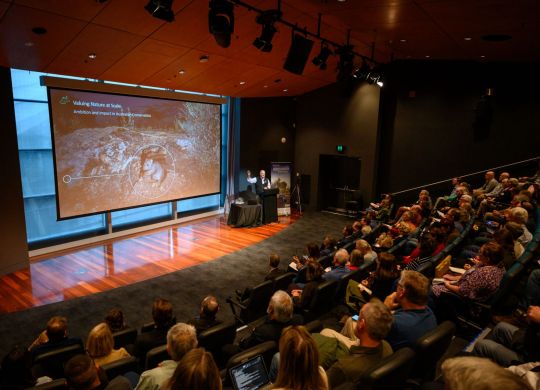
Recently, NACC NRM staff attended a WA Better by Nature conference on Private Land Conservation in Western Australia which explored the current limitations as well as learnings we can take from other states. The conference saw speakers from State Government agencies, MP’s as well as representatives from NSW, Victoria, and many private organisations involved in conservation.
#CreatureFeature – Pandion haliaetus cristatus (Eastern Osprey)

If you’ve ever spotted a large bird soaring gracefully over Geraldton’s coast or diving into the waves for its next meal, chances are you’ve met the Eastern Osprey, also known as the sea hawk, river hawk, or fish hawk.
Profit Meets Purpose: Protecting Nature on Private Land

Recently, NACC NRM staff attended a WA Better by Nature conference on Private Land Conservation in Western Australia which explored the current limitations as well as learnings we can take from other states. The conference saw speakers from State Government agencies, MP’s as well as representatives from NSW, Victoria, and many private organisations involved in conservation.
Battling Salinity in WA Woodlands
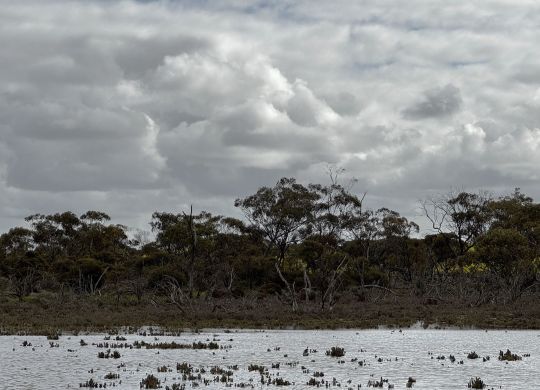
Salinity is one of the most significant land degradation issues affecting the Northern Agricultural Region, with major ecological and agricultural consequences particularly to the Eucalypt Woodlands of WA’s Wheatbelt TEC (Threatened Ecological Community).
NRM Community Comes Together in Cairns

Earlier this month, I had the privilege of attending the National NRM Knowledge Conference in Cairns, along with NACC NRM’s Biodiversity Program Coordinator, Jarna Kendle.
Breeding Season Takes Flight
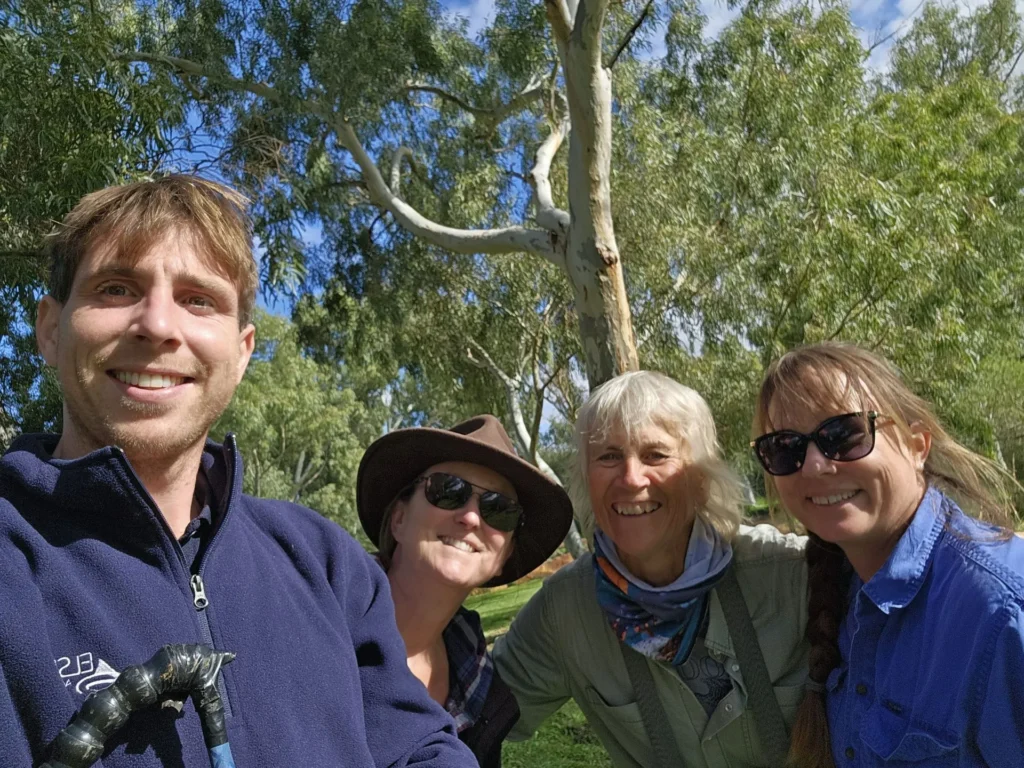
The wildflowers are beginning to bloom, the thorny mountain devils are on the move, and Carnaby’s Cockatoos are busily prospecting for hollows to raise this year’s chicks. Spring is just around the corner and the Mid West landscape is coming alive.
#CreatureFeature – Drosera bulbosa (Red-Leaved Sundew)
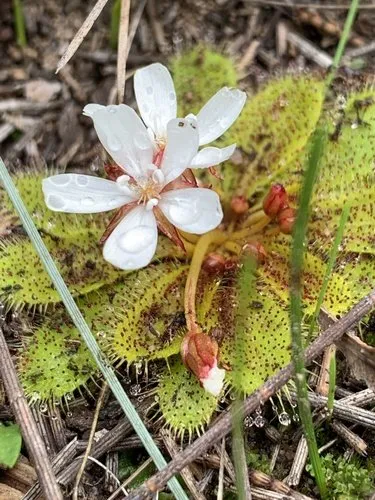
The wet winter of 2025 has allowed the replenishment of the Drosera bulbosa, commonly known as the Red-Leaved Sundew. However, don’t be deterred by its size, this tuberous perennial herb hides some pretty carnivorous habits.
Boots on the Ground & Seedlings in the Soil
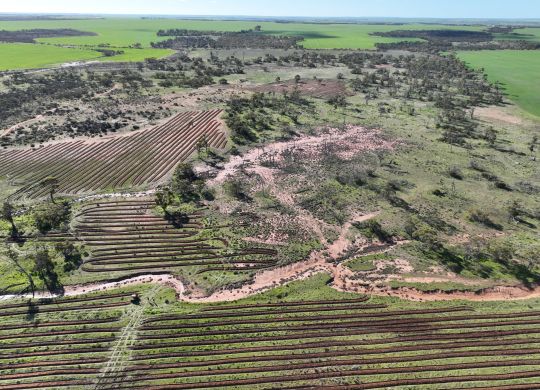
NACC NRM’s Biodiversity team has been hard at work supporting ecological restoration efforts across the WA Wheatbelt, with a focus on degraded Eucalypt woodlands.
Repairing Resilient Remnants

We’re just warming up! After the hottest, driest year on record, repair actions are in the pipeline to restore local woodlands.
2025 Sense of Place Forum
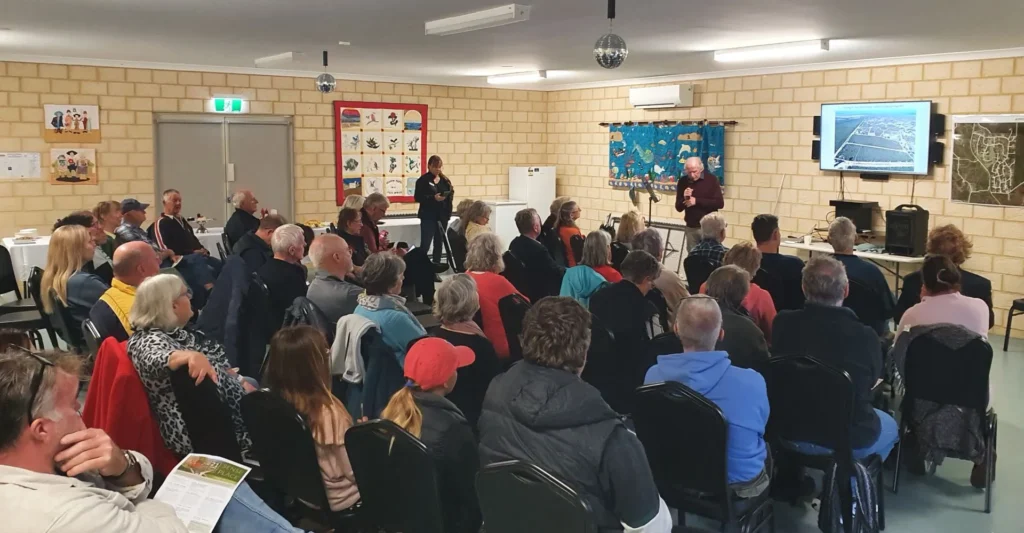
The 2025 Sense of Place Forum, held at Seaview Park in Karakin, was once again treated to a spectacular flyover of local Carnaby’s Black Cockatoos. Such a sight was a […]