We’re just warming up! After the hottest, driest year on record, repair actions are in the pipeline to restore local woodlands.
The summer of 2023/2024 was the hottest in recorded history for the southwest of Western Australia (SWWA) and, in combination with the lowest recorded rainfall, we’ve seen a mass terrestrial vegetation die off event. While this event has passed and we have returned to what is described as an average season, the legacy of this event has left the landscape scarred. Future climate projections are indicating that the SWWA is on the frontline of this drying and warming trend, symptoms of which are starting to show.
In partnership with Wheatbelt NRM, NACC NRM have set our focus on the priority place and critically endangered ecosystem described as ‘The Eucalypt Woodlands of the WA Wheatbelt’ with the hopes of identifying and repairing sites severely impacted in 2023/2024.
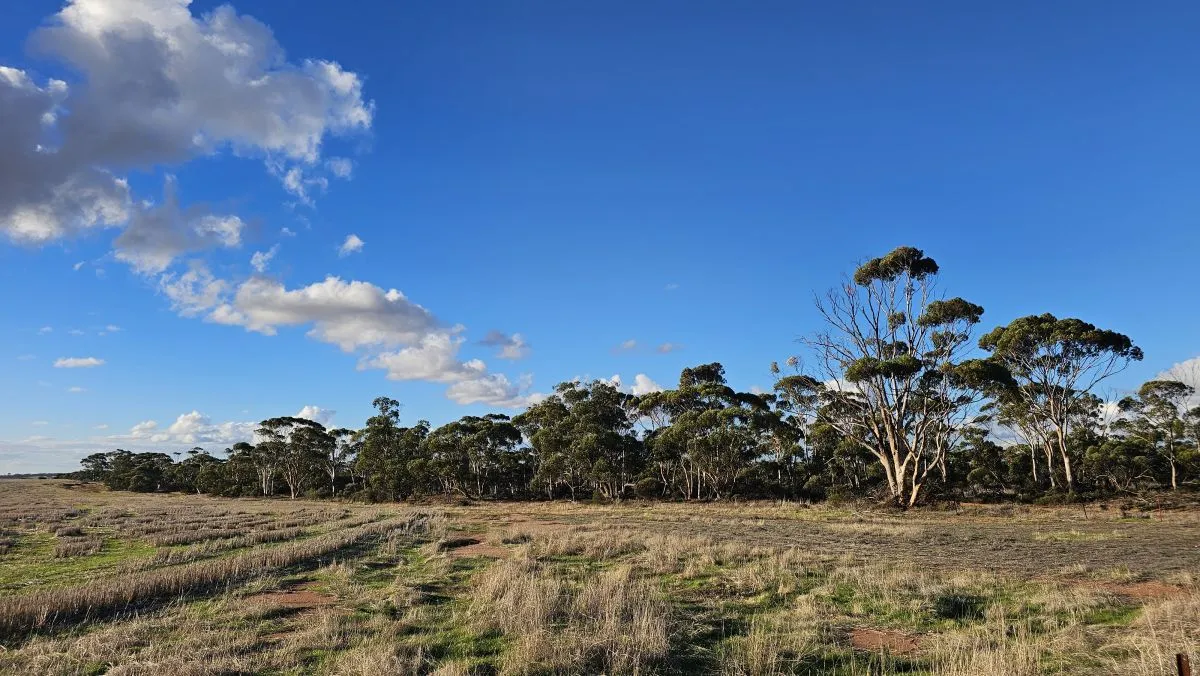


To guide this work, we aim to define the most impacted sites using GIS modelling and site prioritisation, followed by ground truthing and site assessments. While it is anticipated that the climate in the NAR will continue its drying and warming trend, our efforts to repair these systems are not without merit. Our ongoing work to repair and protect the remaining patches of native vegetation is vital in protecting the WA fauna reliant on them for both breeding and habitat. Restoration efforts for the woodlands will include seed collection and revegetation, using key flora species.
If you have noticed any adverse impacts following the extreme heat and drought conditions of 2023/24 in the WA Wheatbelt Woodlands, please contact NACC NRM’s Biodiversity team.
This project received grant funding from the Australian Government Saving Native Species Program.