
But why is rabbit control necessary? Is baiting all that’s needed? And why is this a good time of year to do it?
They may seem cute to some, but rabbits are one of the most common and widespread animal pests in Australia, and landholders are legally required to control rabbits on their properties. In WA, they are declared pests of agriculture under the Biosecurity and Agriculture Management Act 2007. Believe it or not, most Australian rabbits are descended from just 24 wild rabbits released near Geelong in 1859. From that point, they have thrived, establishing populations right across the southern half of Australia.
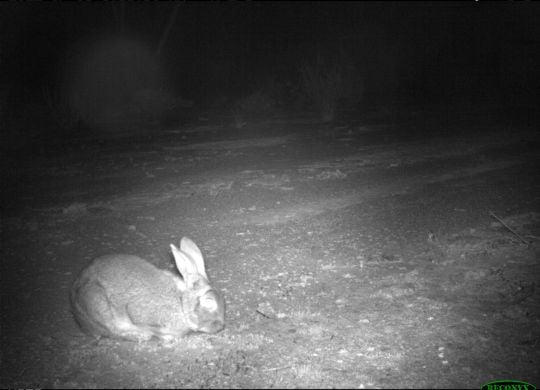
In the words of DPIRD: “They are pests because they compete with livestock and native animals for pasture and food, damage crops and native vegetation, and cause erosion. Rabbits have a well-documented history for causing severe environmental damage.”
And according to pestSMART: “It takes less than one rabbit per hectare to prevent the successful regeneration of many native trees and shrubs.” Their selective grazing habits and tendency to chew new shoots off so close to the ground that the plant cannot recover, spell disaster for biodiversity in both pastures and native vegetation.
Our rural landscapes are under enough pressure already with our changing climate; doing what we can to control an invasive species that puts our food production and our biodiversity at risk is absolutely essential.
An integrated approach to managing rabbits is most effective and kinder on the environment too. Late summer is the best time to focus your energy, when rabbit numbers are decreasing and there is limited feed available – and before they get to breeding again. Alongside baiting, finding and destroying warrens by ripping them is important, and biological controls can also play a part. Working with neighbours is vital, because rabbits really don’t care about property boundaries!
That’s where the three registered biosecurity groups in operation across the Northern Agricultural Region can help. They assist and support landholders to control declared pests. Contact your local group to express your interest in participating in their upcoming baiting program, find out about permit requirements, and more:
- South: Central Wheatbelt Biosecurity Association Inc (LGAs: Morawa, Perenjori, Dalwallinu, Koorda). Find out more and register your interest asap to receive free 1080 to mix into oats or wheat.
- Midlands: Midland Biosecurity Group (LGAs: Moora, Dandaragan, Coorow, Carnamah, Three Springs, Mingenew, Irwin). Express your interest now for 20kg bags of 1080 bait mix that will be available in 2026.
- North: Northern Biosecurity Group (LGAs: Northampton, Chapman Valley, Greater Geraldton). Get in touch or keep an eye on Facebook for details of this year’s baiting program.
You can also find out more about rabbits and the damage they cause from the following sites:
Sustainable Agriculture Facilitators are supported by the Australian Government through funding from the Natural Heritage Trust under the Climate-Smart Agriculture Program.