
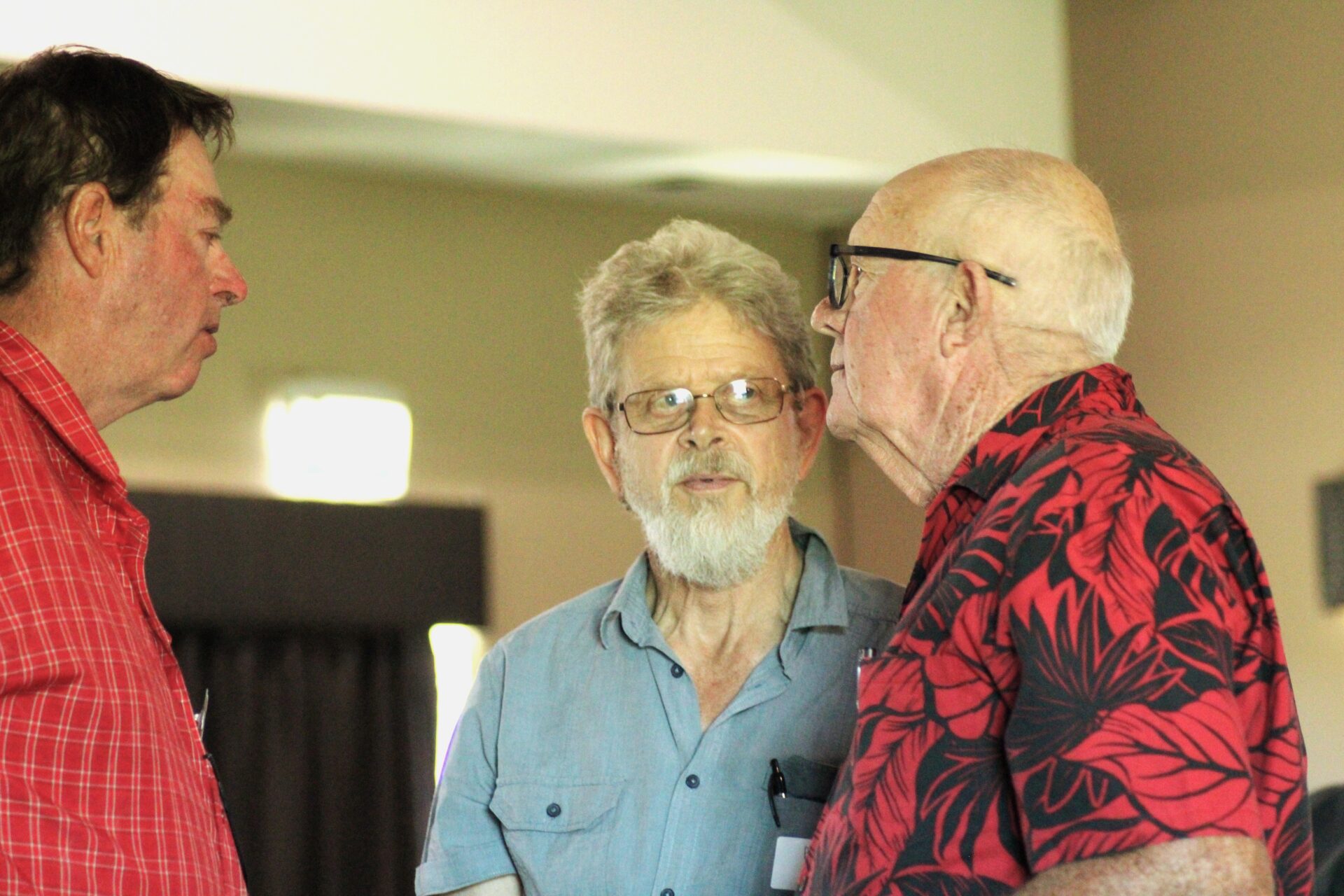
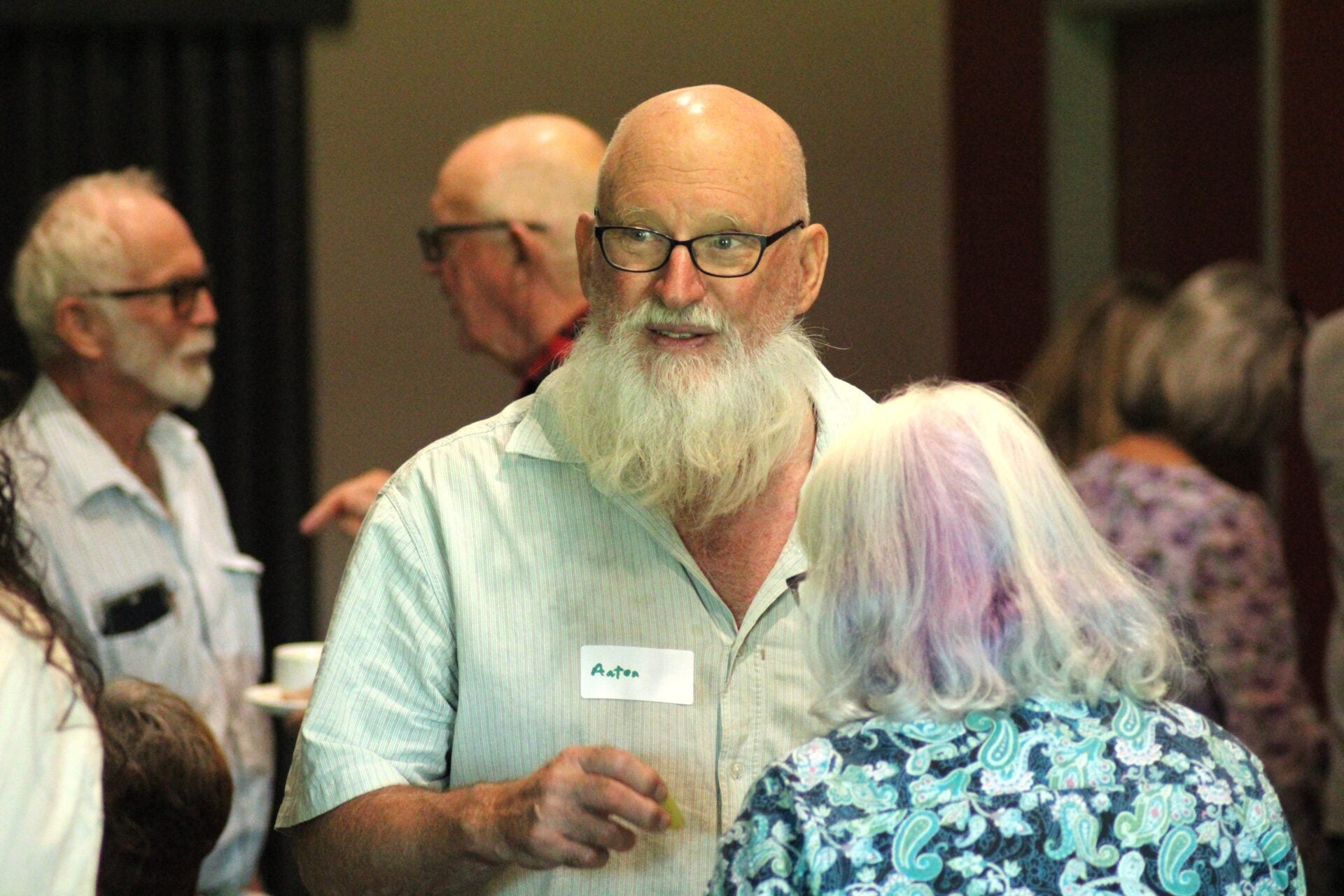
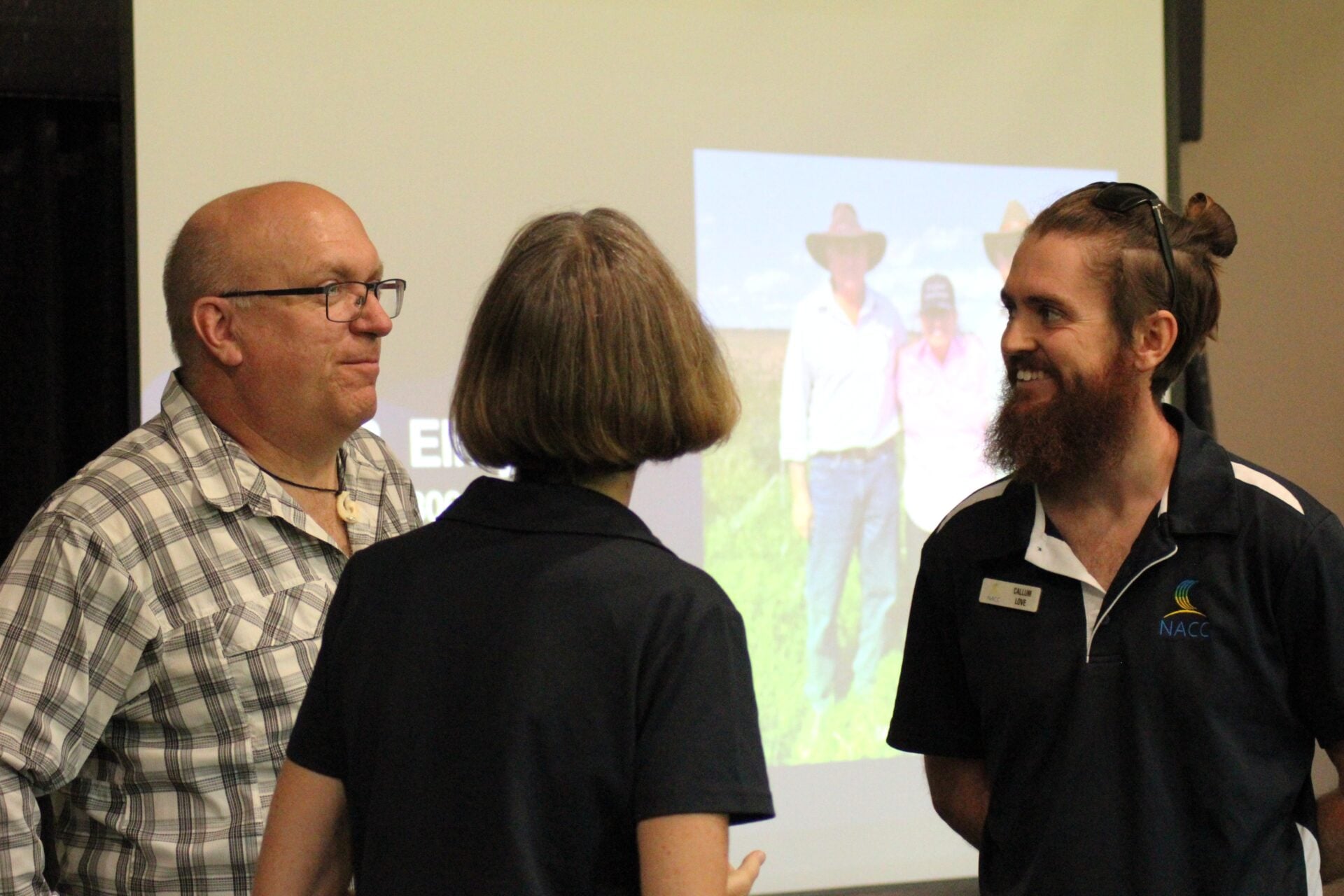
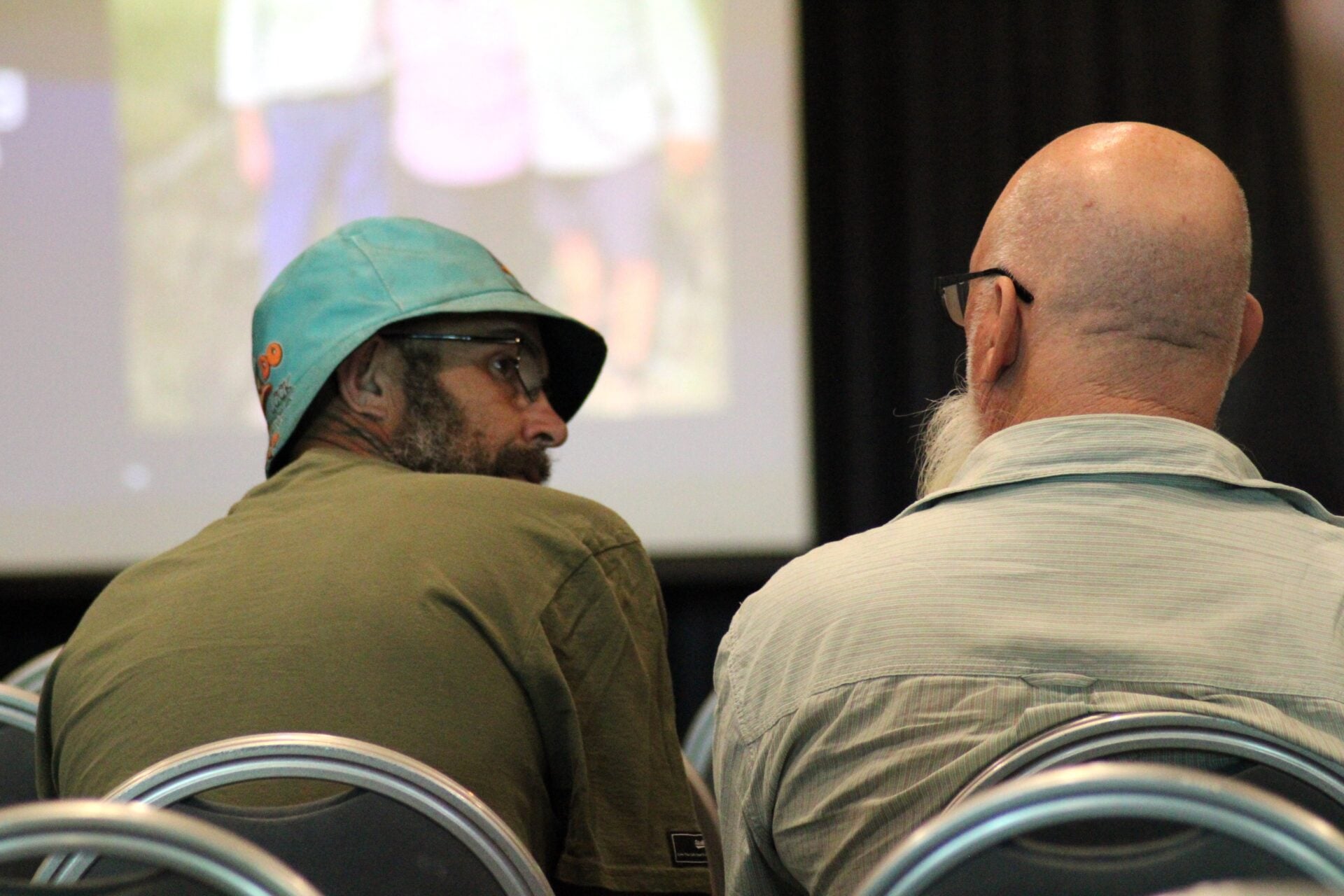
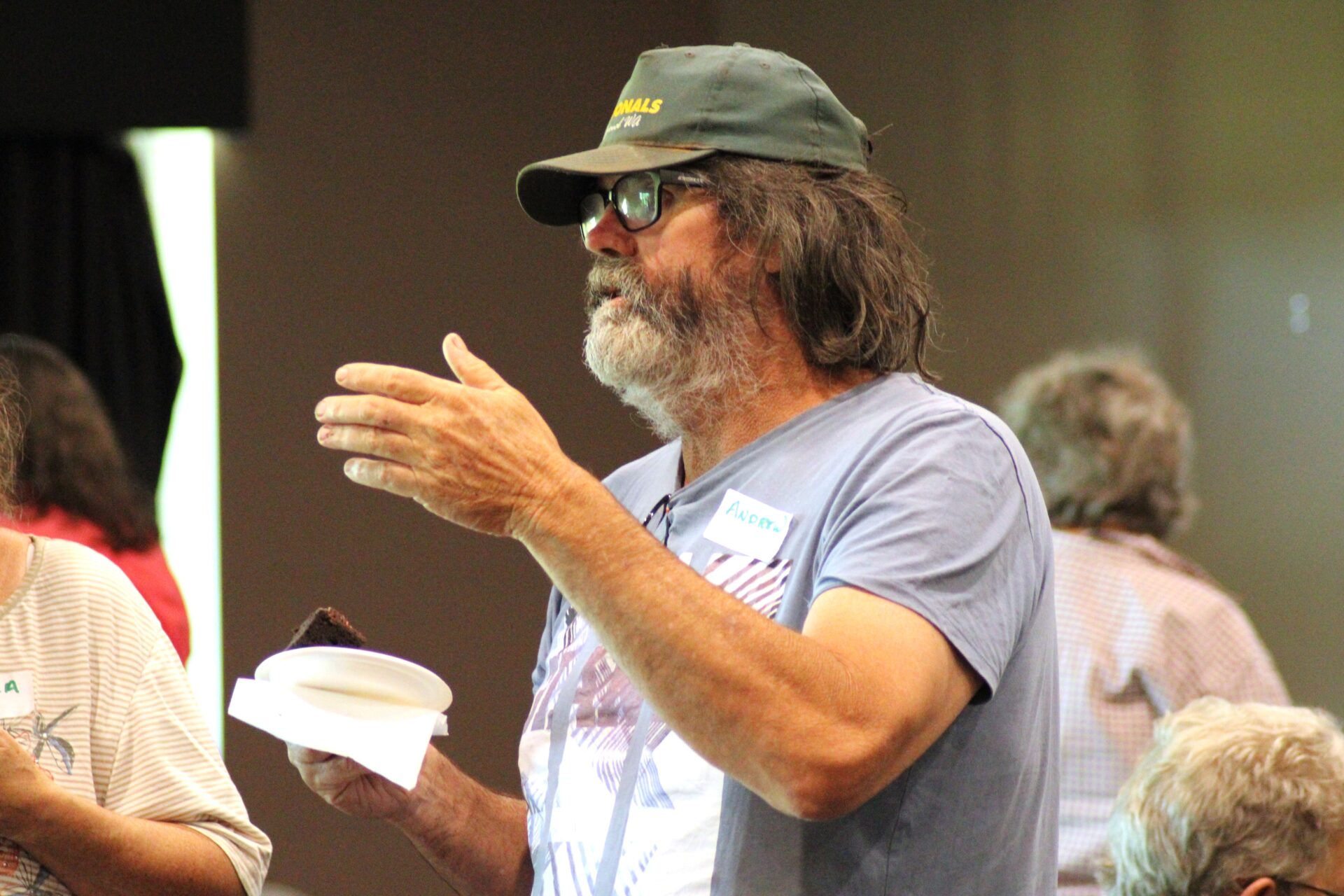
On 18 February, around 60 farmers, landholders and industry representatives gathered at the Irwin Recreation Centre for NACC NRM’s ‘Not Just Dirt: A Hidden Ecosystem’ Forum, an event focused on understanding soil as a living system and exploring practical pathways to more resilient farming landscapes.
Hosted by NACC NRM’s Sustainable Agriculture Program team, the forum brought together leading voices in regenerative agriculture, applied soil biology and First Nations land management to share knowledge, challenge thinking and spark practical action.
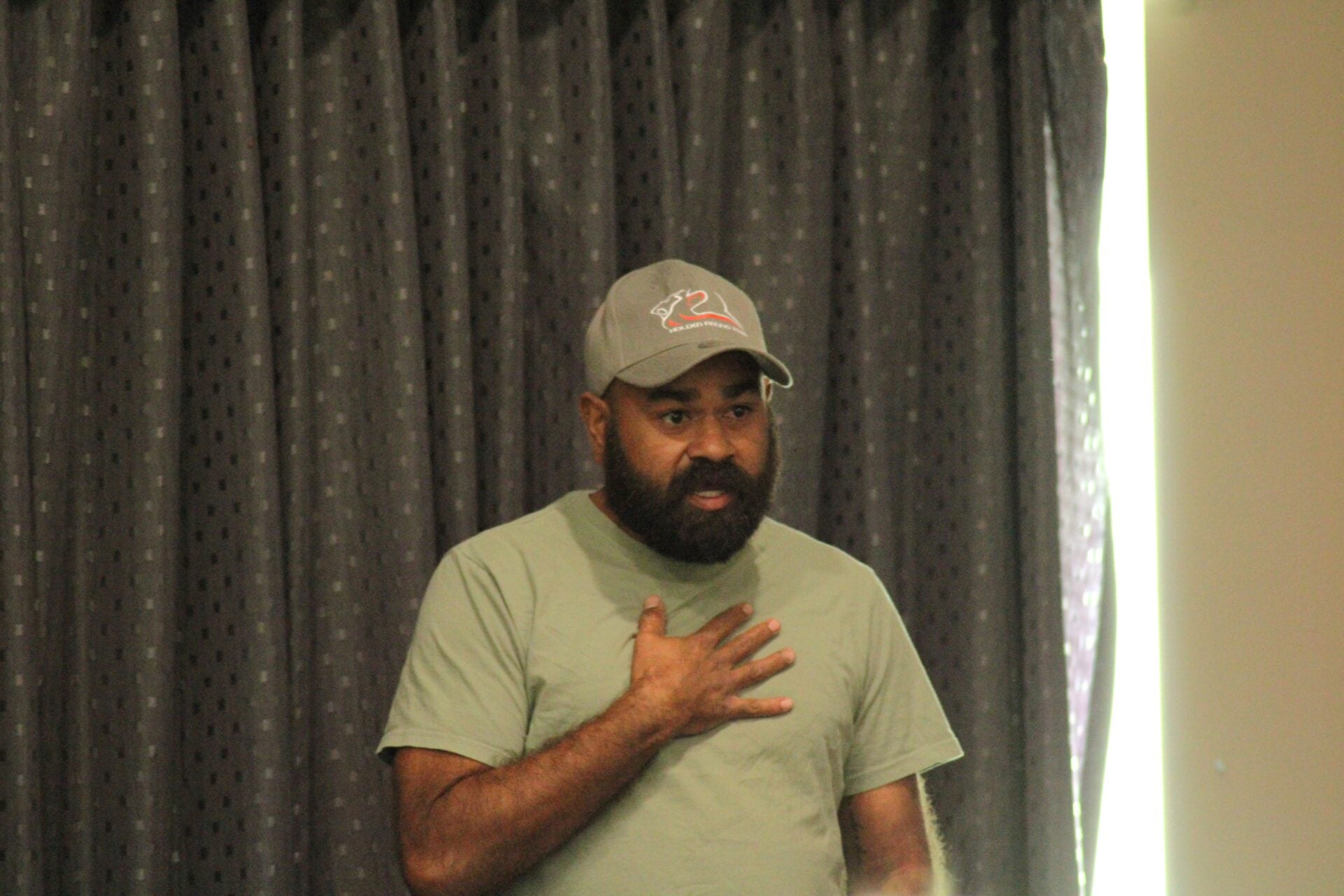
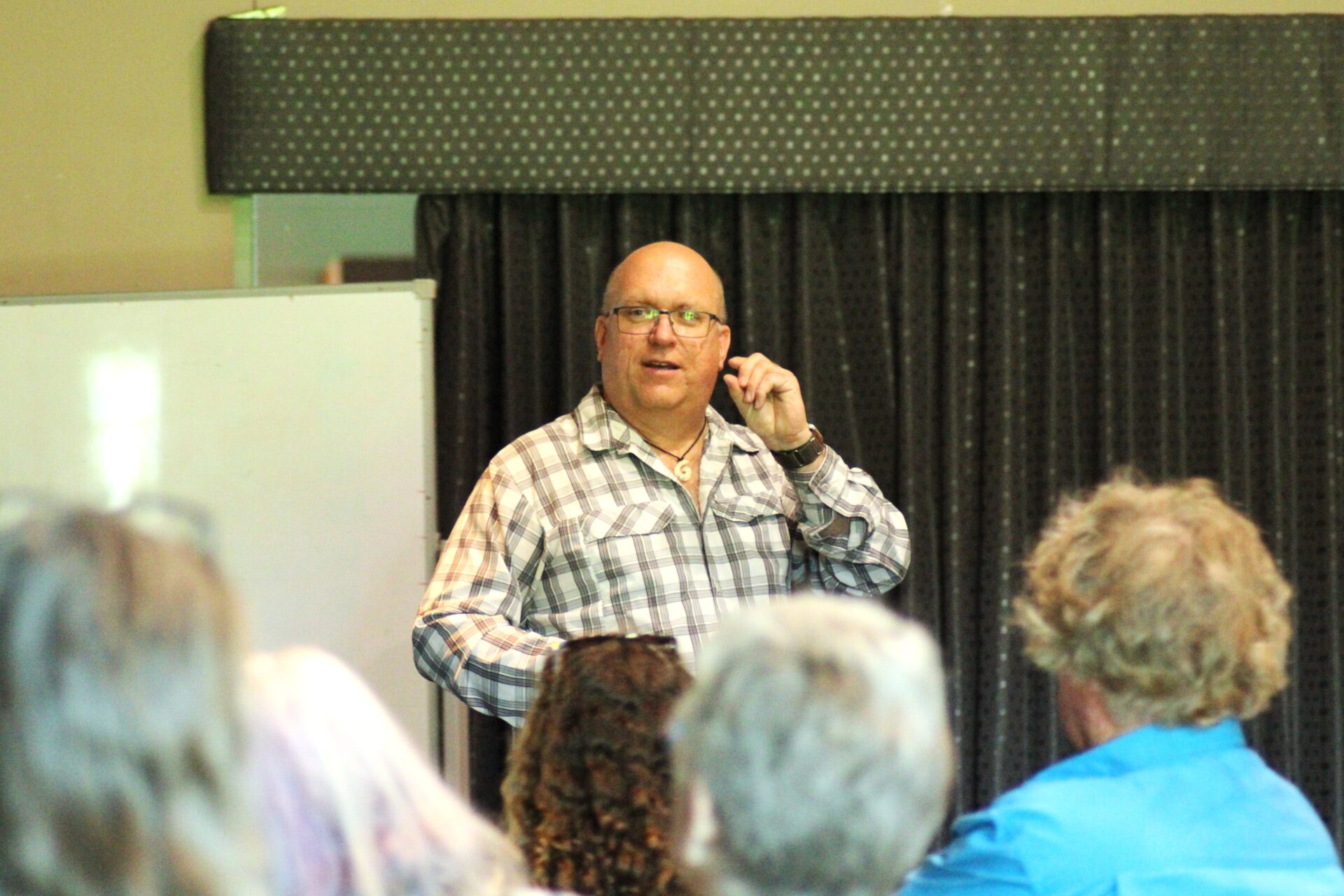
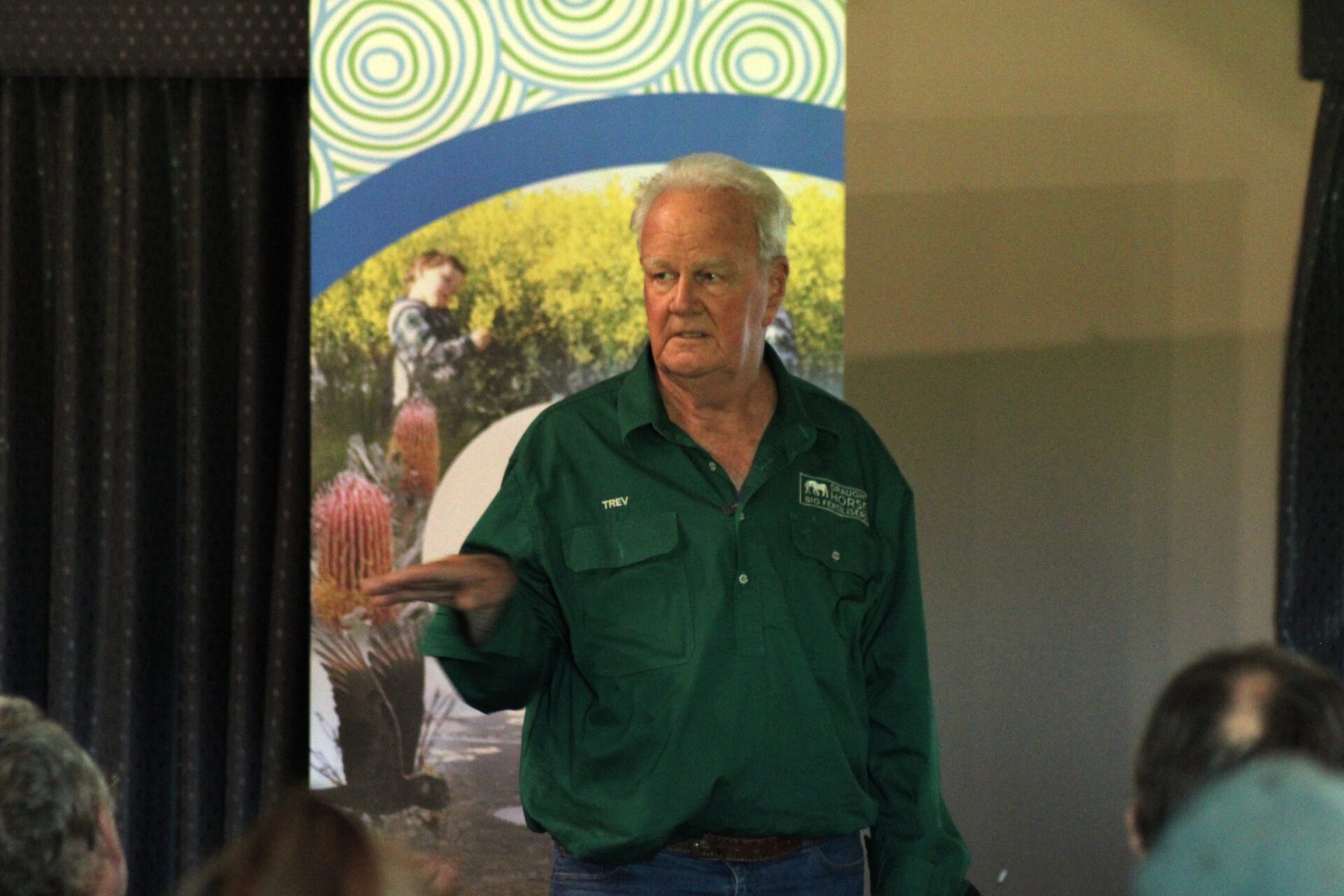
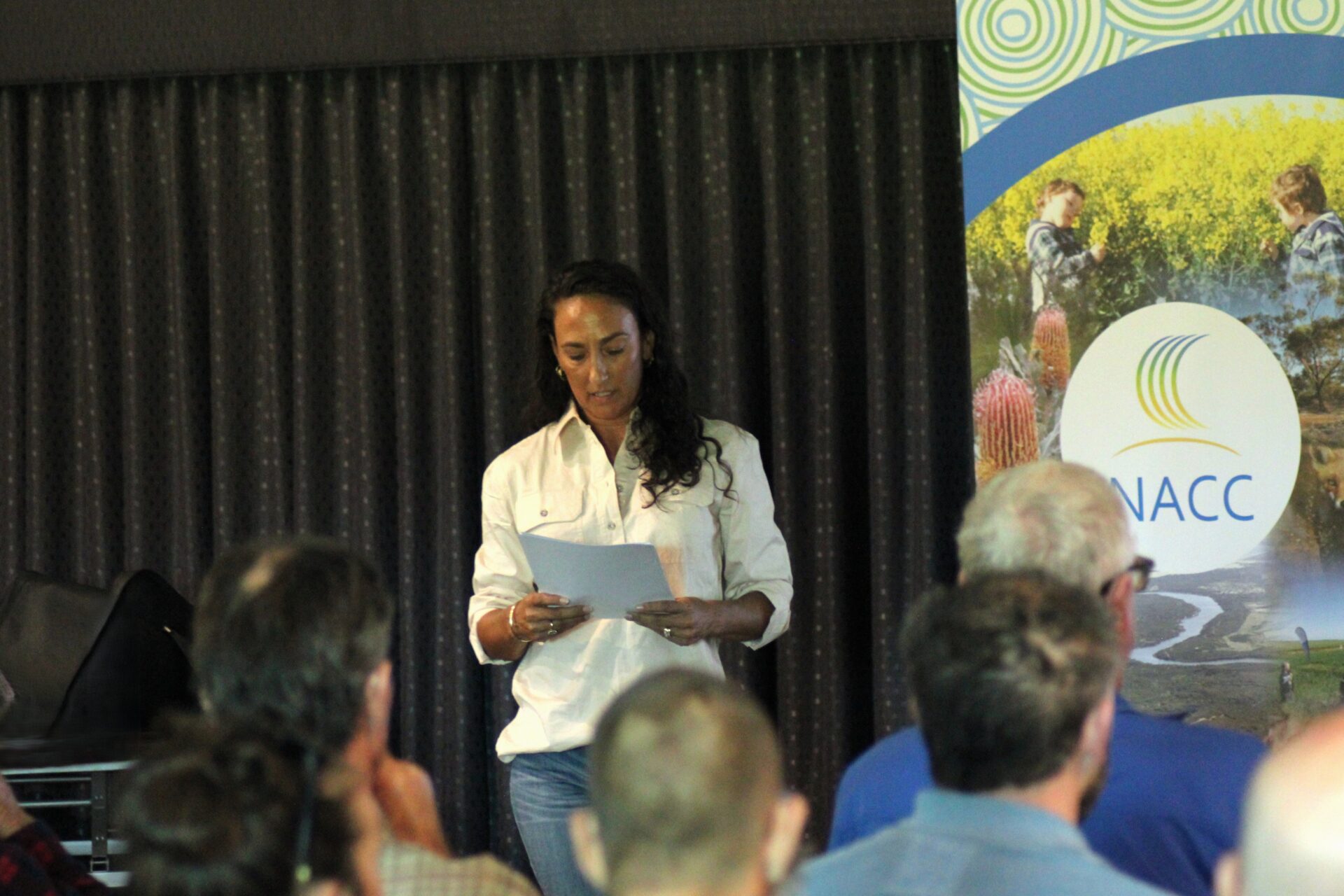
The day began with a Welcome to Country by Tristan Mongoo of Wattandee Littlewell Aboriginal Corporation (WLAC). Tristan spoke about the heritage and culture of Wattandee people, who are the Traditional Owners of lands around Mingenew and Dongara. As always, a warm thanks to Tristan and WLAC for your time and knowledge.
Opening the forum was Canadian agronomist and regenerative agriculture educator Kevin Elmy (Cover Crops Canada), who delved into The Living Soil System and the importance of the soil food web.
Drawing on more than two decades of experience restoring a degraded Canadian property through cover crops, diverse rotations and well-managed livestock, Kevin shared practical insights into designing farming systems that work with biology rather than against it. His presentation explored how plant diversity, functional species mixes and pasture design can stimulate microbial activity, build soil carbon and reduce reliance on synthetic inputs, while maintaining profitability and productivity.
Well known across Australia’s regenerative agriculture networks, Kevin’s engaging and practical approach resonated strongly with attendees. His message was clear: healthy soils are built through intentional system design, and plants are the gateway to activating soil biology.
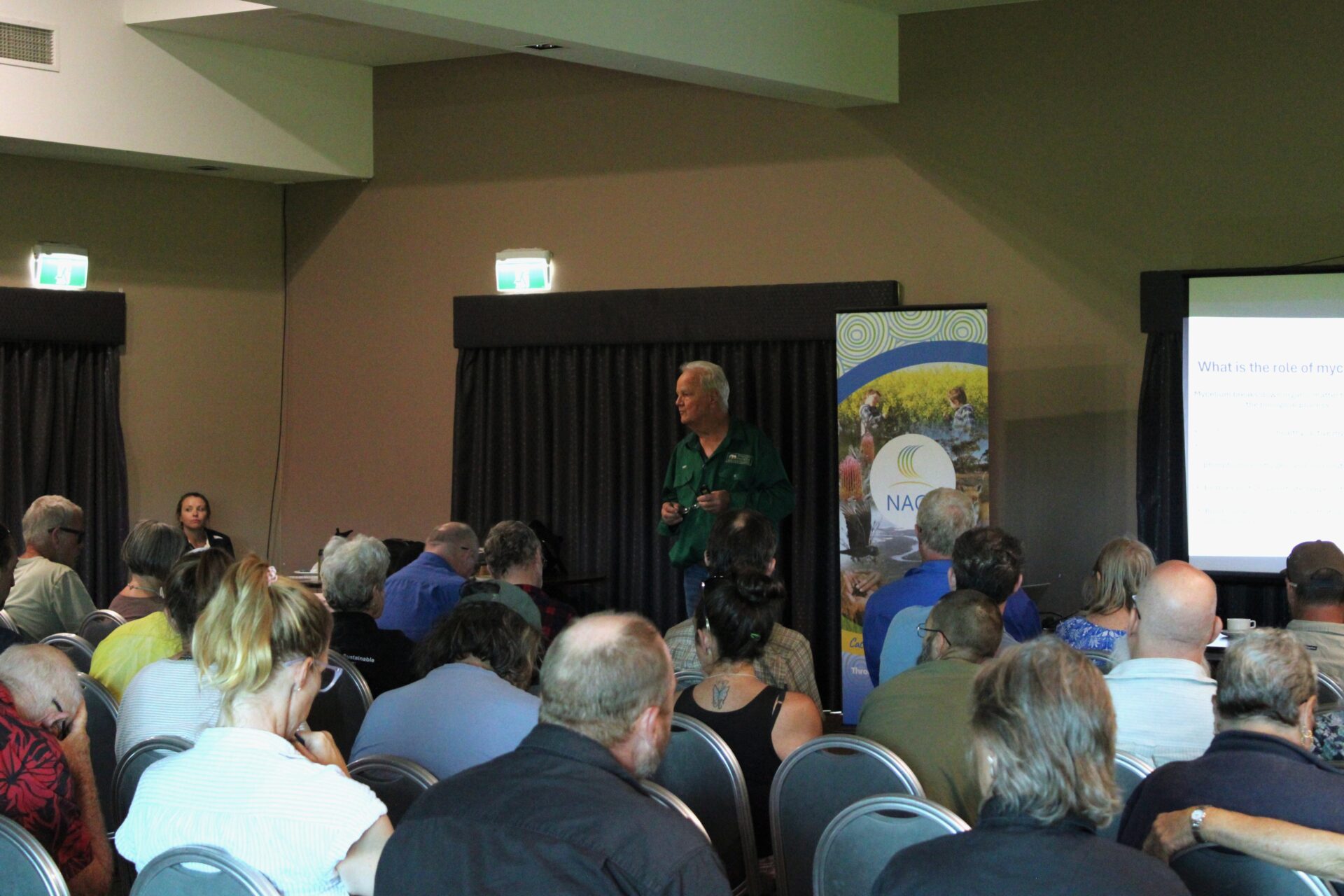
WA-based soil biology specialist Trevor Blinco followed with a fascinating presentation on The Underground Network – Why Mycelium Matters’.
Trevor unpacked the critical role fungal networks play in nutrient cycling, soil structure, moisture retention and plant health. Grounded in decades of hands-on experience across cropping, horticulture and aquaculture systems, his work focuses on practical biological strategies, from seed inoculation and fish and kelp hydrolysates to liquid worm castings and revised seeding approaches.
Using examples from progressive WA producers, Trevor demonstrated how observing thriving mycelium networks in remnant vegetation can inspire new approaches in production zones. His session reinforced the concept that soil is not simply a medium for plant growth. Rather, it is a dynamic, interconnected biological engine driving resilience and performance.
The forum concluded with Natasha Smith, representing Kaarak Collective and Maaman Marra Boodja, who presented on ‘Carbon on Country – First Nations Land Management’.
Tash spoke about integrating Indigenous ecological knowledge with contemporary restoration and conservation practices. Through her work facilitating community-led environmental projects, she supports regenerative systems that restore degraded landscapes while strengthening cultural connections to Country.
Her presentation highlighted the importance of long-term stewardship, cultural knowledge and holistic land management approaches that care for ecosystems in ways that benefit both biodiversity and community wellbeing. The session provided an important perspective on how carbon, restoration and resilience intersect with cultural responsibility and generational knowledge.
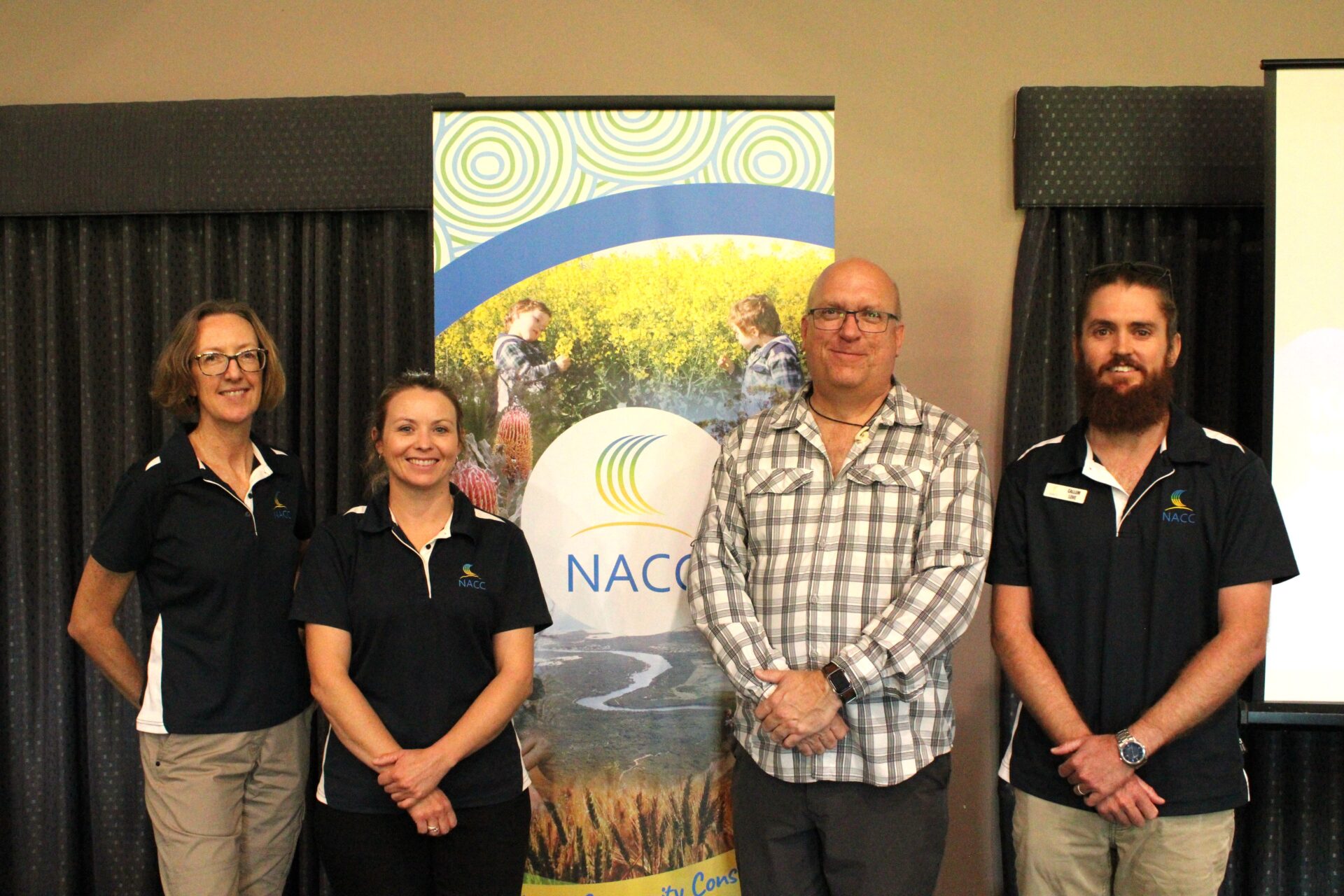
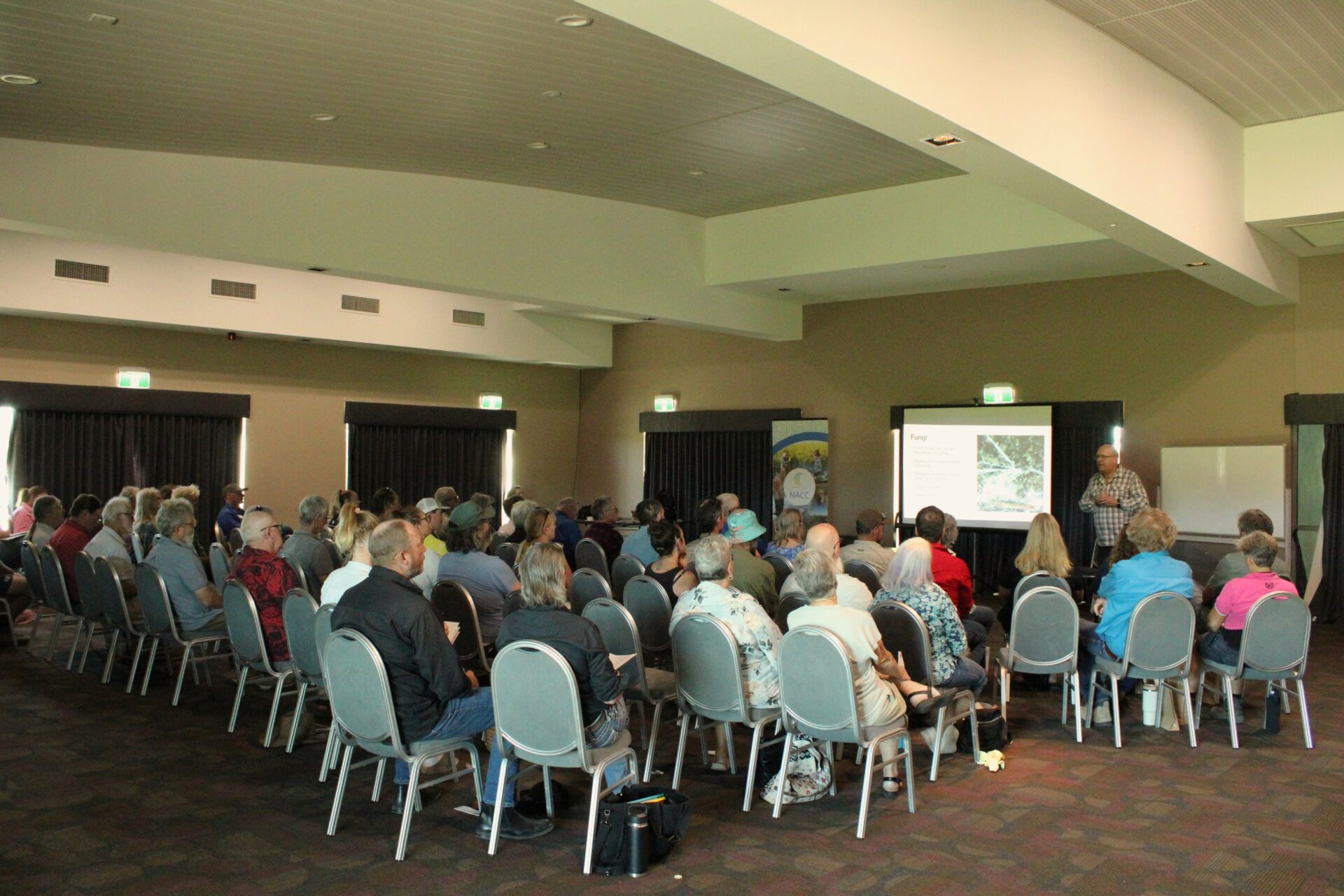
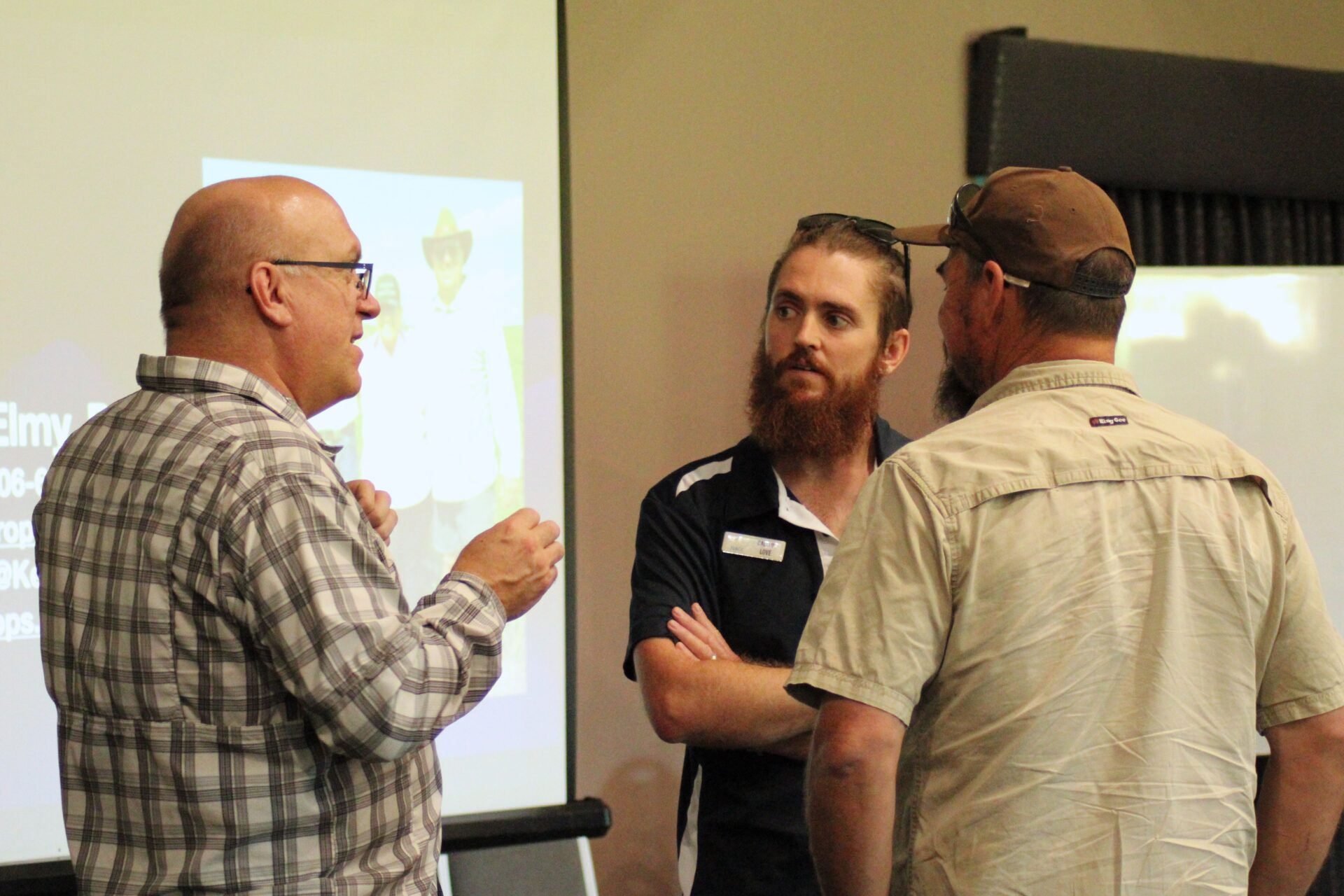
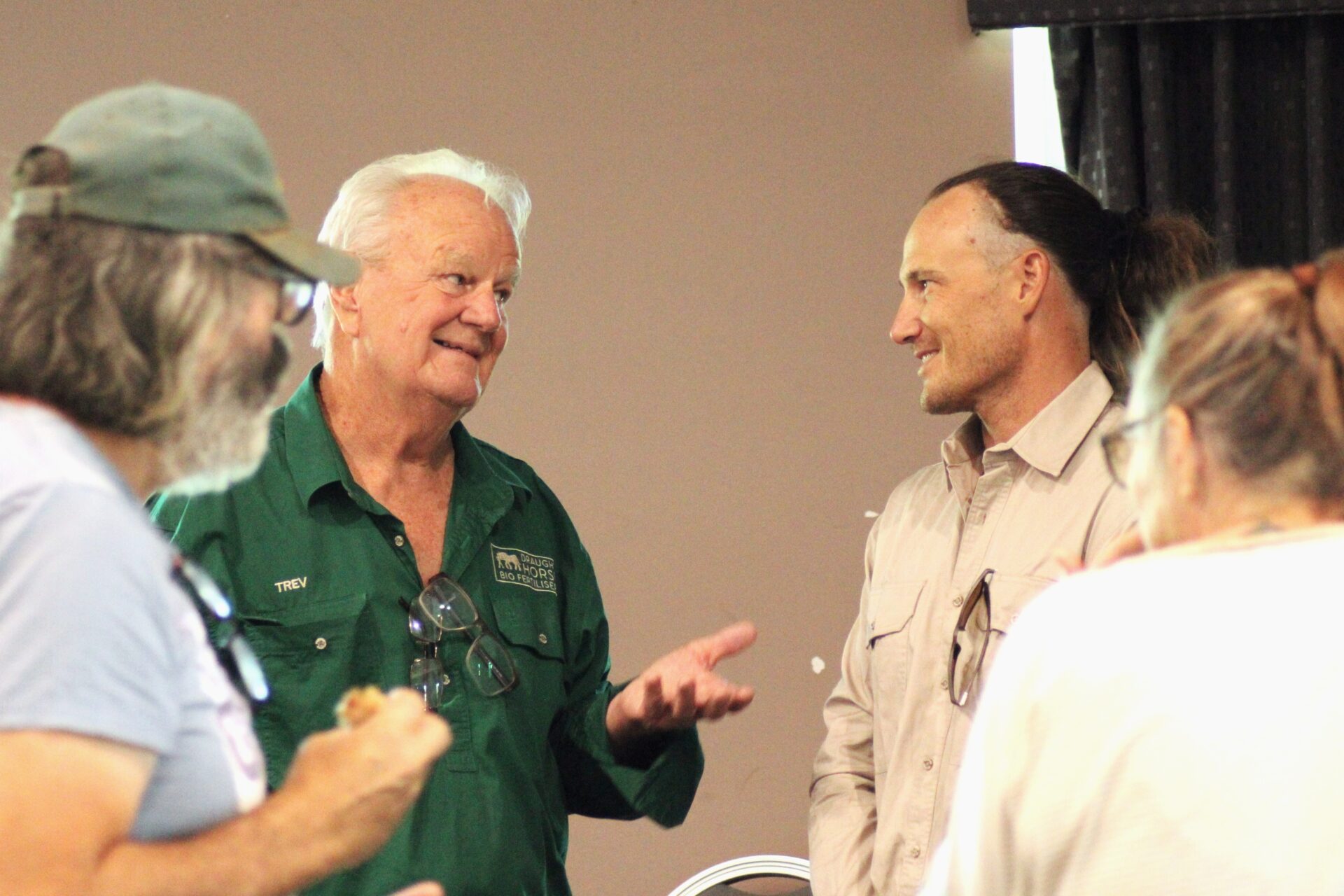
Across the day, a common theme emerged: soil is far more than “just dirt.” It is a living ecosystem shaped by biology, plants, management decisions and cultural knowledge and central to building resilient, productive farming systems in a changing climate. The strong turnout and engaged discussion throughout the forum reflect a growing appetite within the Northern Agricultural Region to explore biologically informed, practical solutions that enhance both landscape function and farm viability.
NACC NRM thanks all speakers and attendees for contributing to a thought-provoking and forward-focused event. Further workshops and learning opportunities will continue throughout the year as we support farmers and landholders on their journey toward resilient, future-fit systems.
This event was delivered with funding support from the Commonwealth of Australia through the Department of Climate Change, Energy, the Environment and Water, under the Carbon Farming Outreach Program in collaboration with the Grower Group Alliance.
NACC NRM’s Future Farm Foundations project is funded by the Australian Government through the Natural Heritage Trust under the Climate-Smart Agriculture Program.