
Coastal and Marine Project Officer, Josh Burney was joined by Rangers for an early start ahead of a hot forecast. The day’s work was aimed at tackling the very invasive Sharp Rush weed, reducing its impact on the Threatened Ecological Community (TEC) of subtropical and temperate coastal saltmarsh.
About 20 plants were identified amongst the patch of TEC in late 2024 when NACC NRM’s Coastal team conducted site assessments as part of their project, ‘Improving subtropical and temperate coastal saltmarsh in the Northern Agricultural Region’. After considered coordination and multiple re-scheduled attempts due to river water levels inundating the site, the well-established weeds were successfully removed on 21 January 2026.

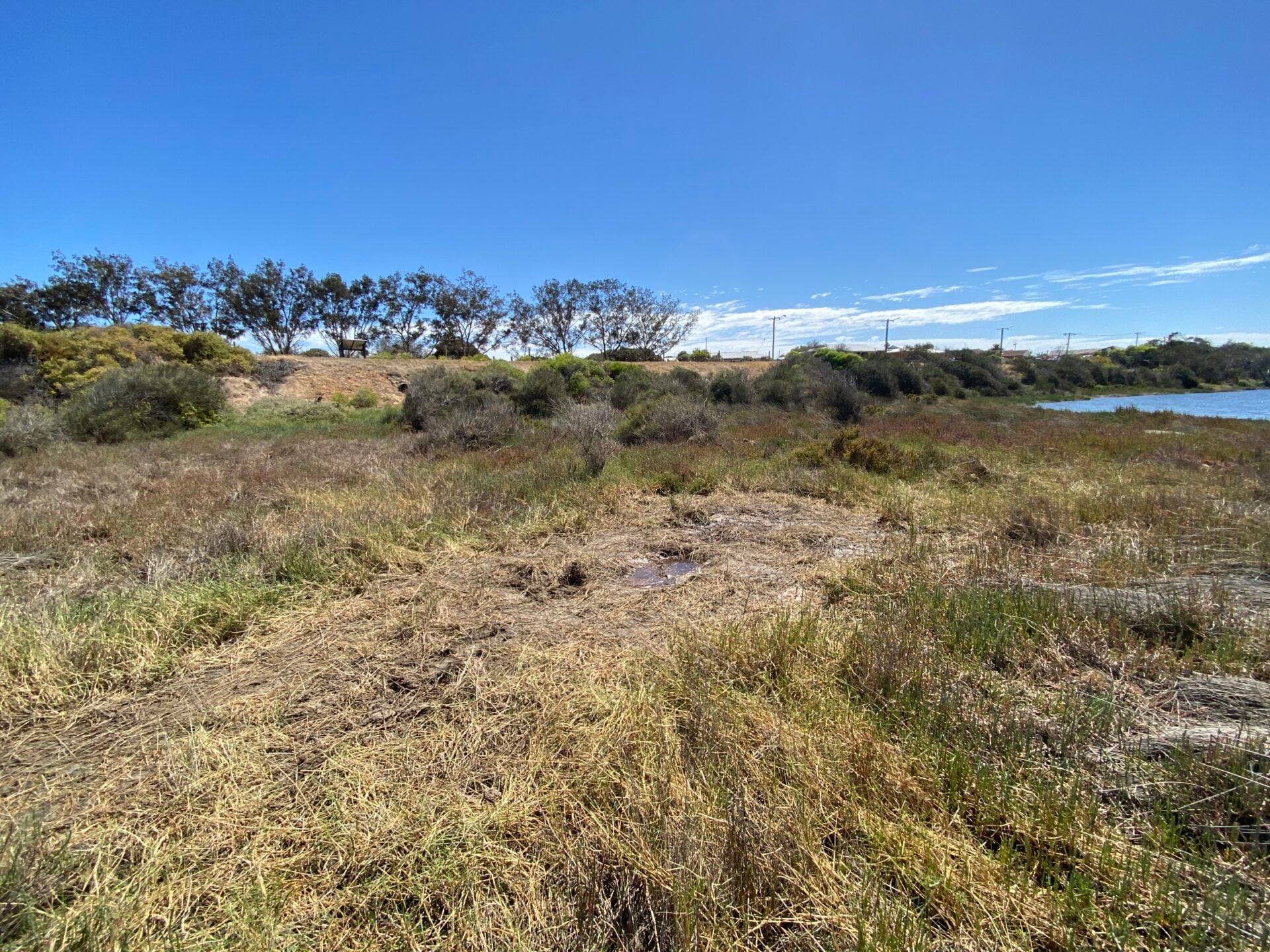
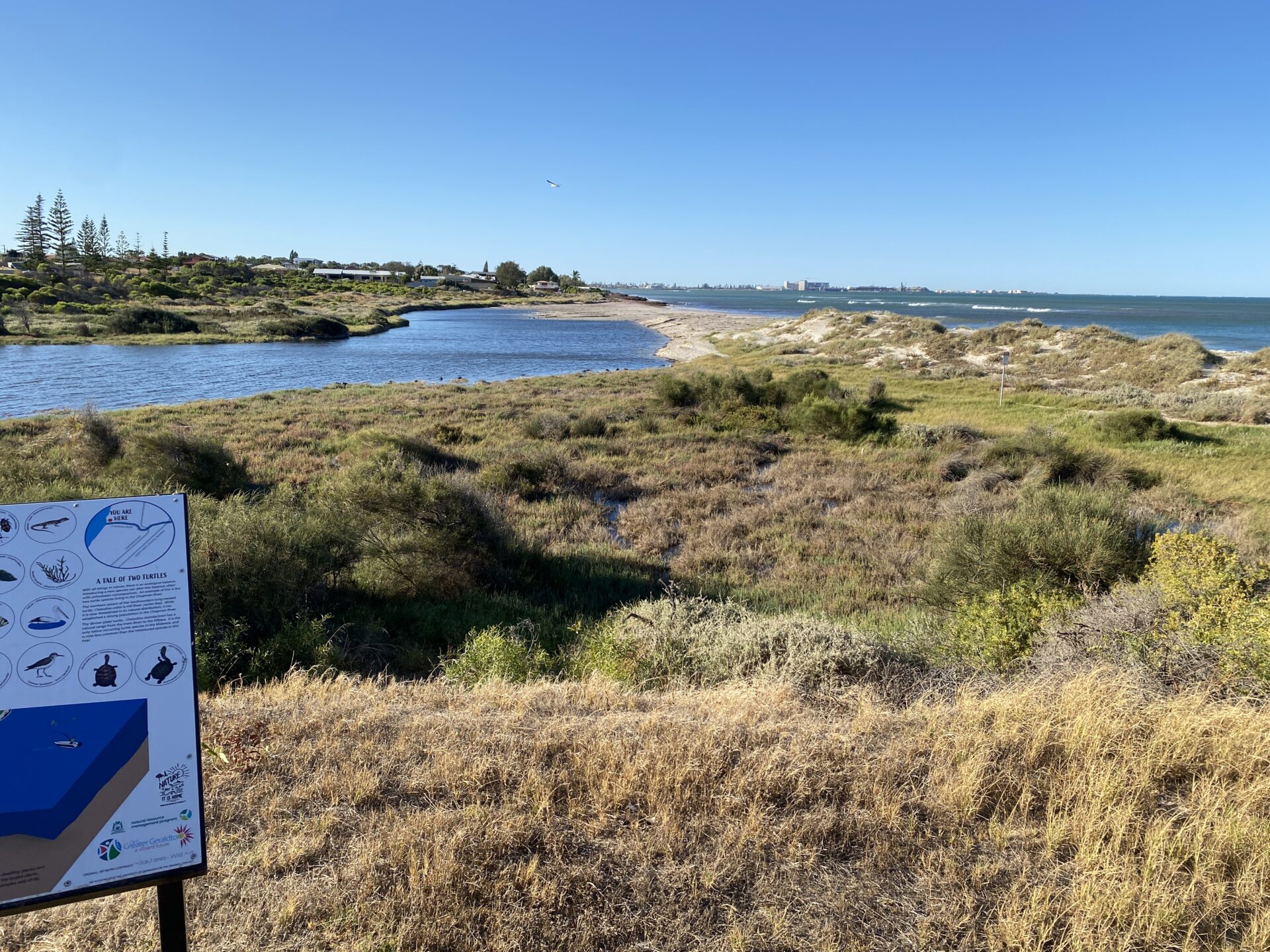
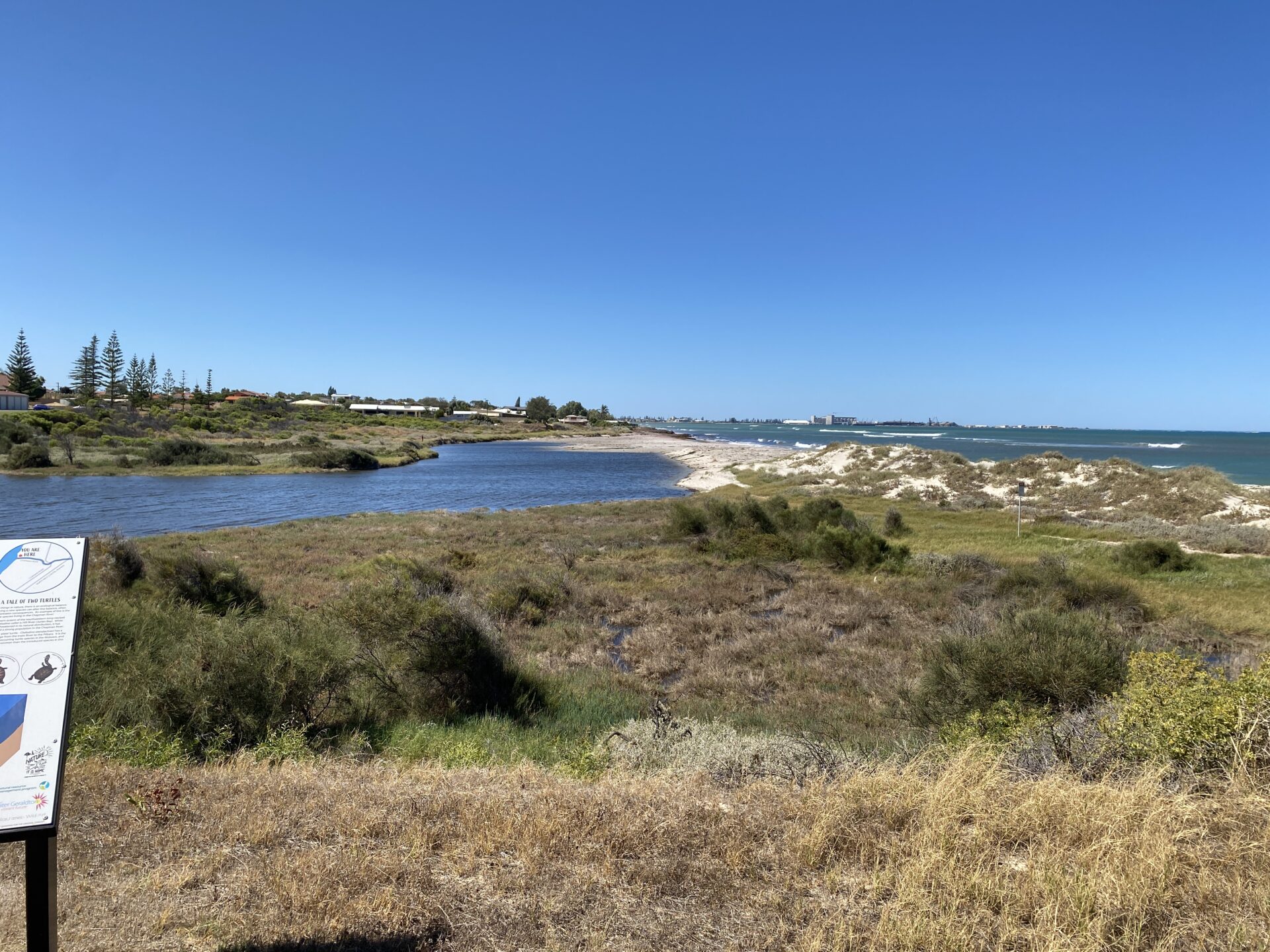
A rather fiddly process, seed heads are first removed from the plants to minimise seed dispersal whilst digging out the plants. This was done late last year, just before the plants flowered, with the aim of catching seeds before they fell. Late season rains meant conditions were wet, calling for gumboots and waders, but the team managed to collect the seeds, preventing them from entering surrounding water where they could be carried throughout the estuary. Plants were carefully removed digging around their shallow roots and prising the plants from the ground before transporting them to the tip for appropriate disposal.
Sharp Rush (Juncus acutus) is a highly invasive weed, outcompeting native plants and inhibiting native wildlife due to its sharp spine-like leaves. It thrives in estuarine habitats and threatens the TEC listing of coastal saltmarsh, which cannot have more than 50% of a site consist of weed species. The native Sea Rush (Juncus kraussii) is known to hybridise with Sharp Rush, making early removal critical.
The Chapman River estuary holds strong cultural significance, forming key mythological, historical and birthplace sites for the Mullewa Wadjari, Naaguja and Amangu Aboriginal peoples of the Southern Yamatji region. The river mouth is a registered Aboriginal site, and so consent was required before weed removal works could take place. YSRC Yamatji Rangers return to monitor the site, removing any new Sharp Rush as they appear.
Thanks to the team for their enthusiasm and hard work in protecting this important TEC – it is wonderful to work together to care for Country!
This project is jointly funded by the Australian Government Natural Heritage Trust and NACC NRM, a member of the Commonwealth Regional Delivery Partners panel.