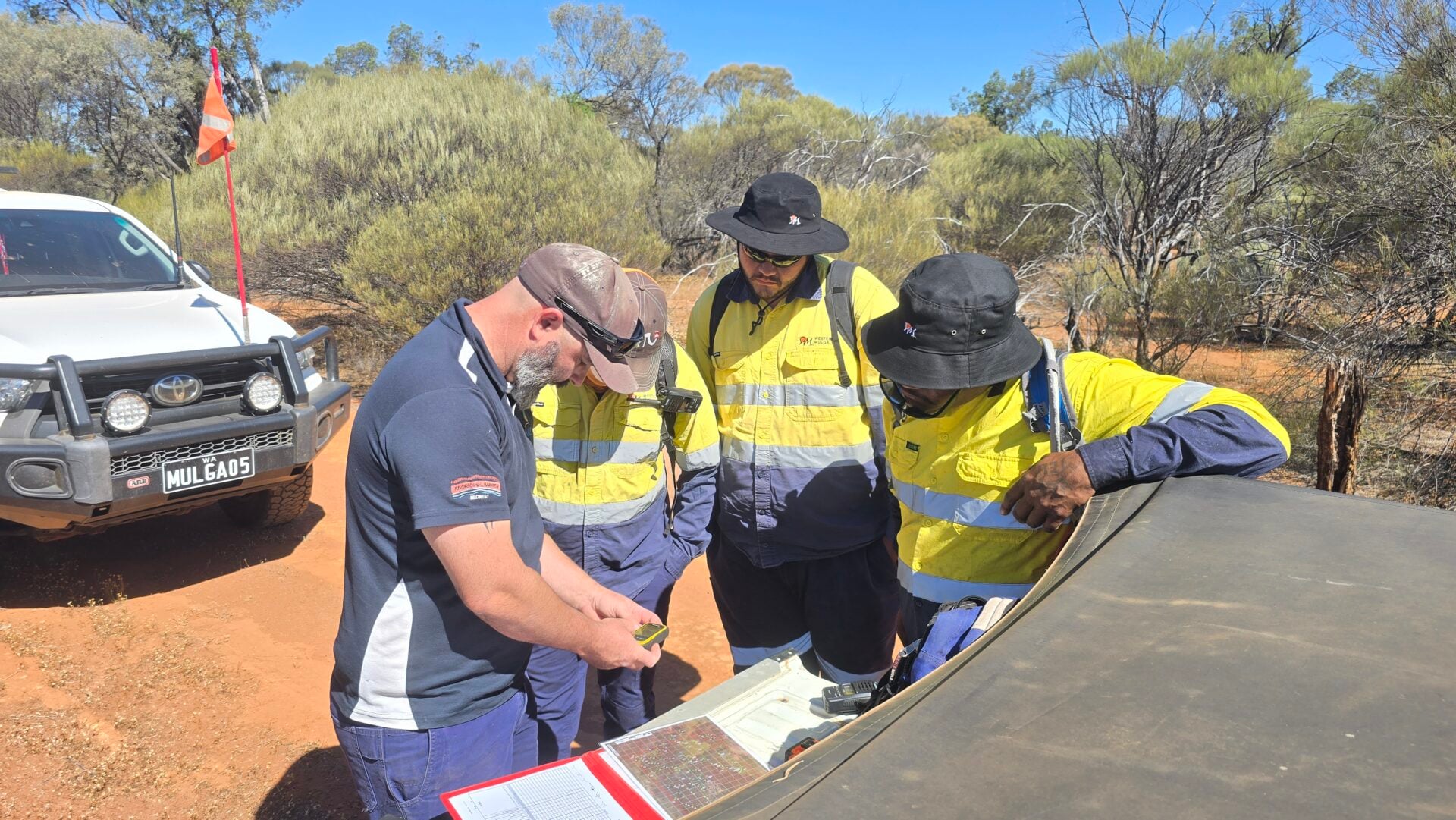
Wabarl (Malleefowl) monitoring at Badja Station has been completed for the year, with members of the Midwest Aboriginal Ranger Program once again out on Badimia barna (country) to check on Wabarl activity.
This year’s Malleefowl monitoring at Badja Station has been completed, with members of the Midwest Aboriginal Ranger Program (MARP) once again out on Badimia barna (country) to check on the Wabarl (Malleefowl) and see how active they have been across the site.
The monitoring is both a training opportunity and an on-country experience. It gives rangers the chance to build hands-on skills in ecological monitoring while spending time on country, connecting with place and learning alongside one another. Together, the team worked through the site to assess mound activity, applying the techniques used in the national Malleefowl monitoring effort and building the knowledge and confidence to carry this work forward.
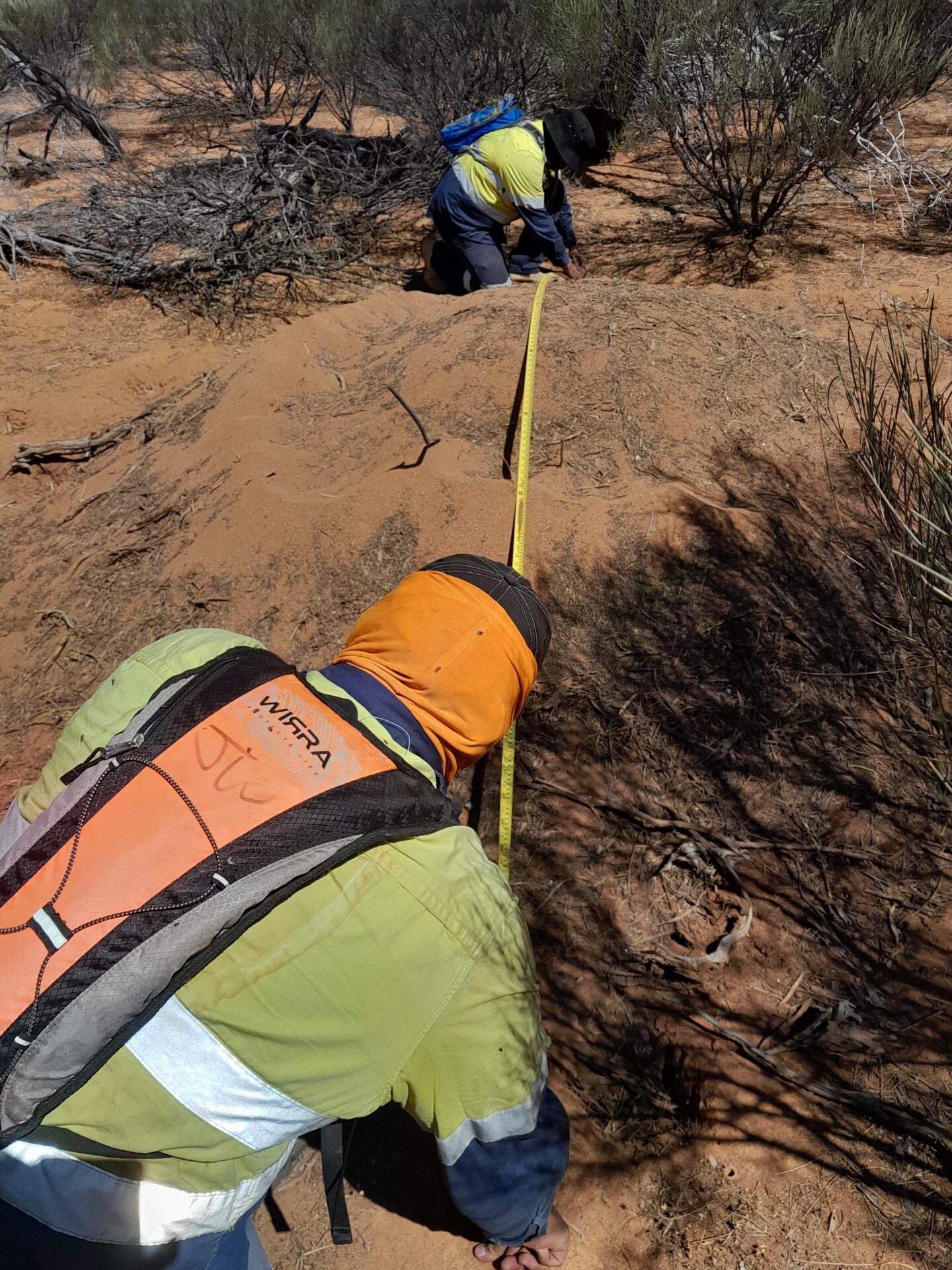
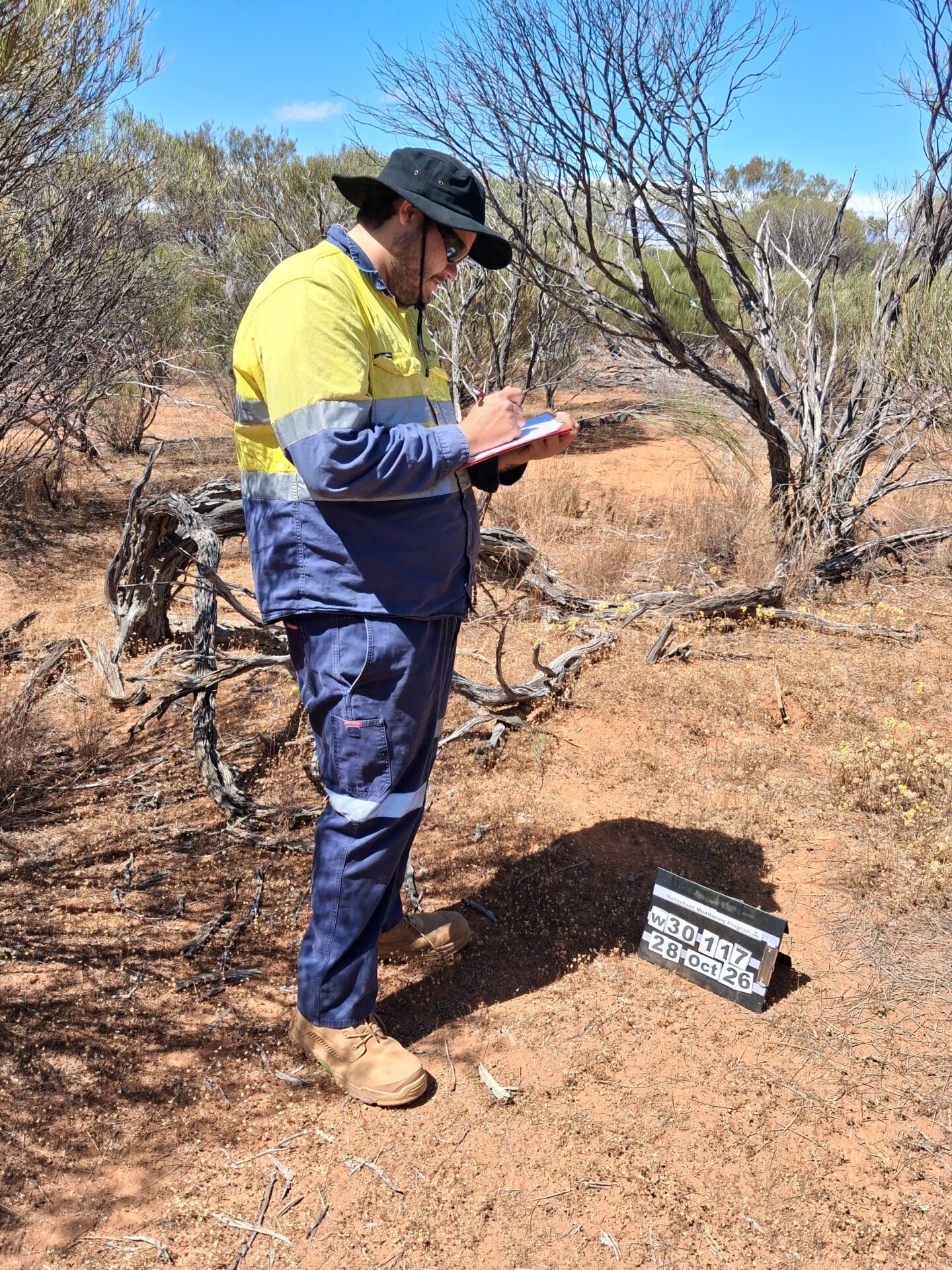
Over the course of the monitoring, the team assessed approximately 60 mounds. Each mound was carefully inspected for signs of recent Wabarl activity, helping to build a picture of how the local population is faring and how active the breeding mounds are this season. Consistent, repeated monitoring of this kind is essential for understanding trends in a threatened species over time.
As well as checking mounds, the team collected data from the cameras located on the site. These cameras form part of the national Adaptive Management Predator Experiment (AMPE), which is helping to improve understanding of how predator management can support Malleefowl. The information gathered at Badja Station contributes to this broader national effort, linking local, on-country work with research taking place across the country.
NACC NRM thanks the MARP rangers for their commitment, energy and care on country, and acknowledges the Badimia people as the Traditional Owners of the land on which this work took place. Experiences like this strengthen the skills of Aboriginal rangers and support the long-term care of Wabarl.
This project is jointly funding from the Australian Governments National Indigenous Australians Agency, NACC NRM, and APA Group.