The Bottom Line on Biostimulants

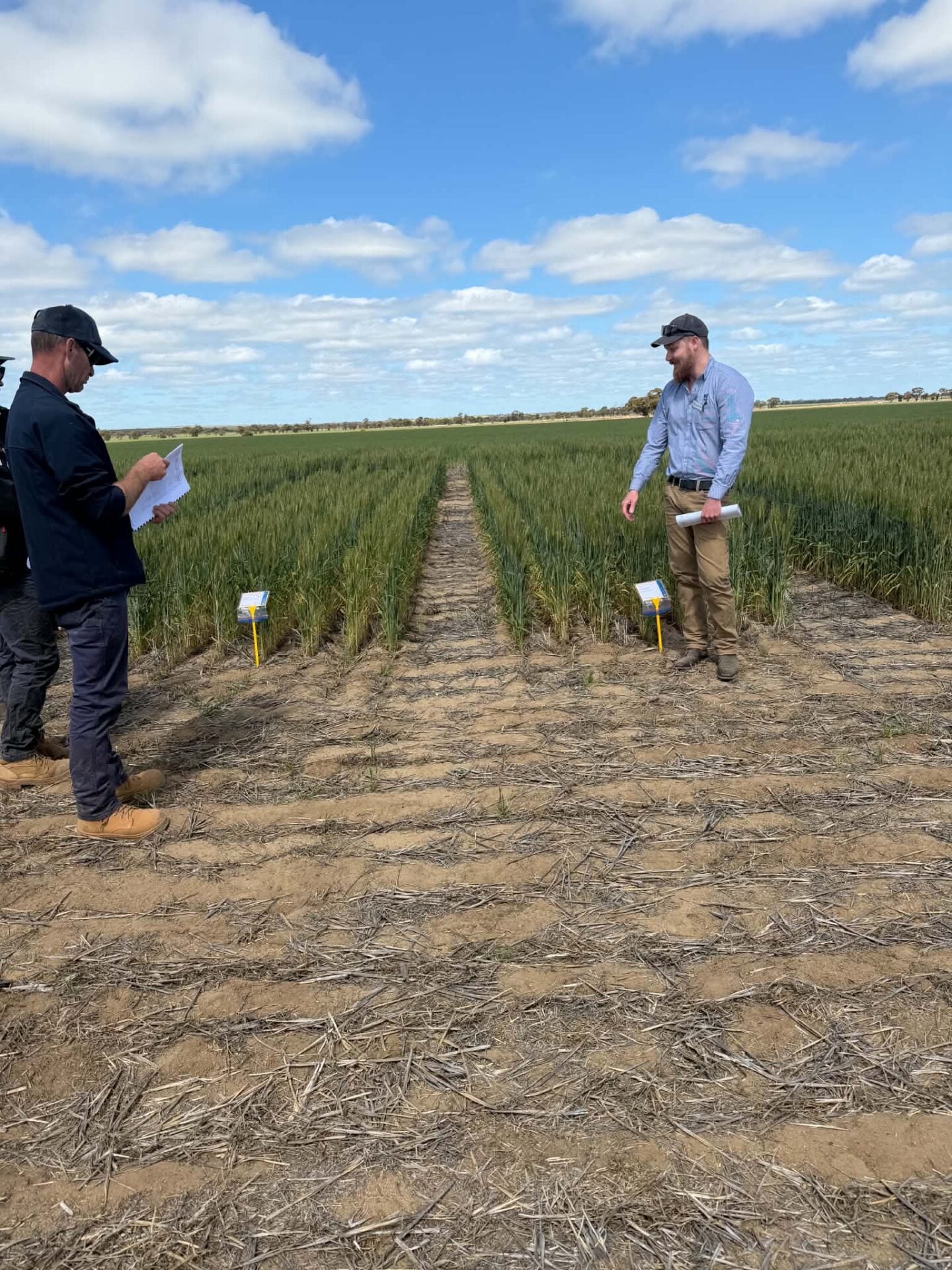
On this years’ spring field day circuit, biostimulants were a hot topic. With rising input costs and unpredictable markets, we’re unpacking the research behind biostimulants and how they could be used in our region.
Home 🞂 Newsroom 🞂 The Bottom Line on Biostimulants

Biostimulants: are these the boost to broadacre we have been waiting for?

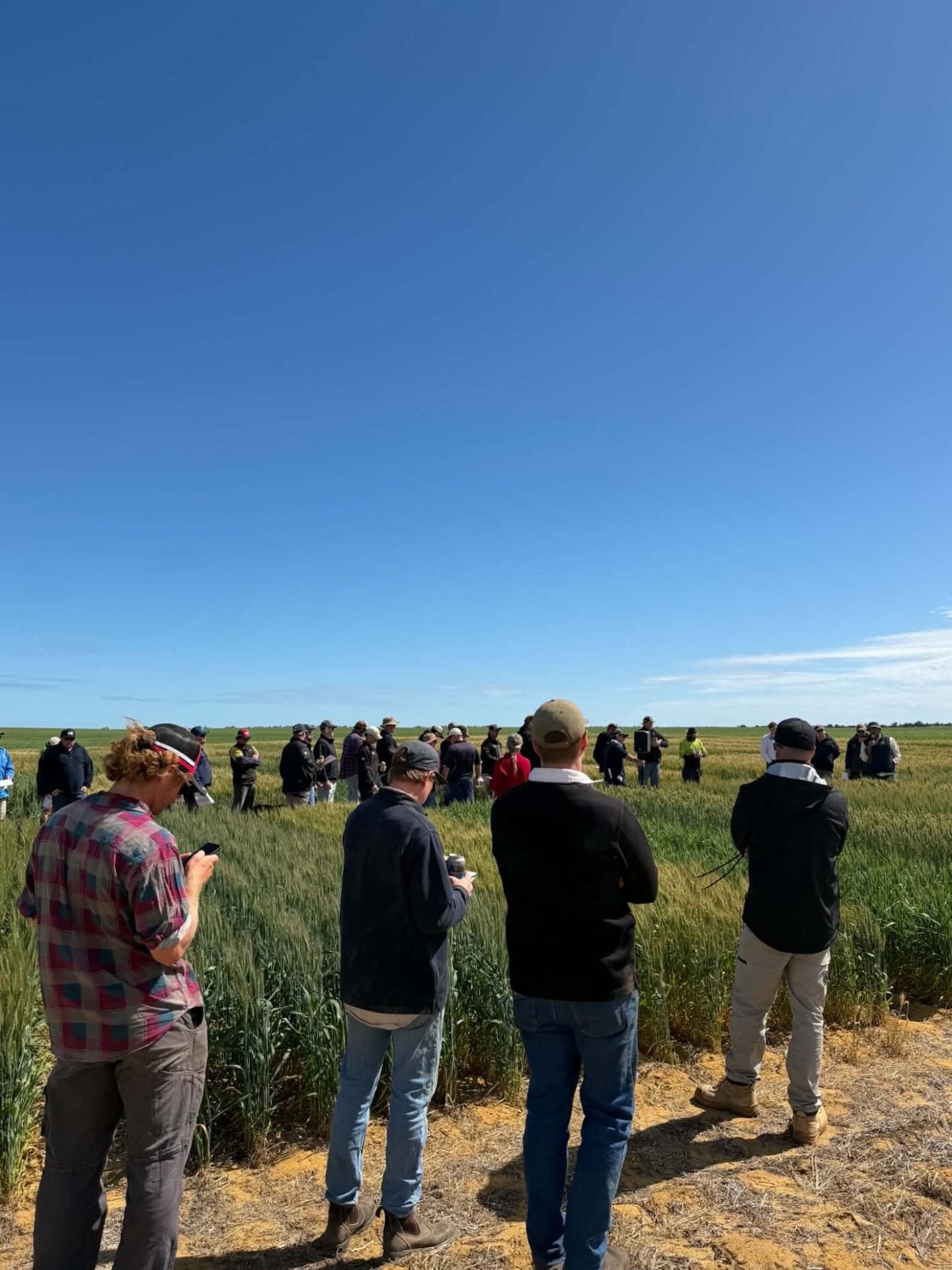
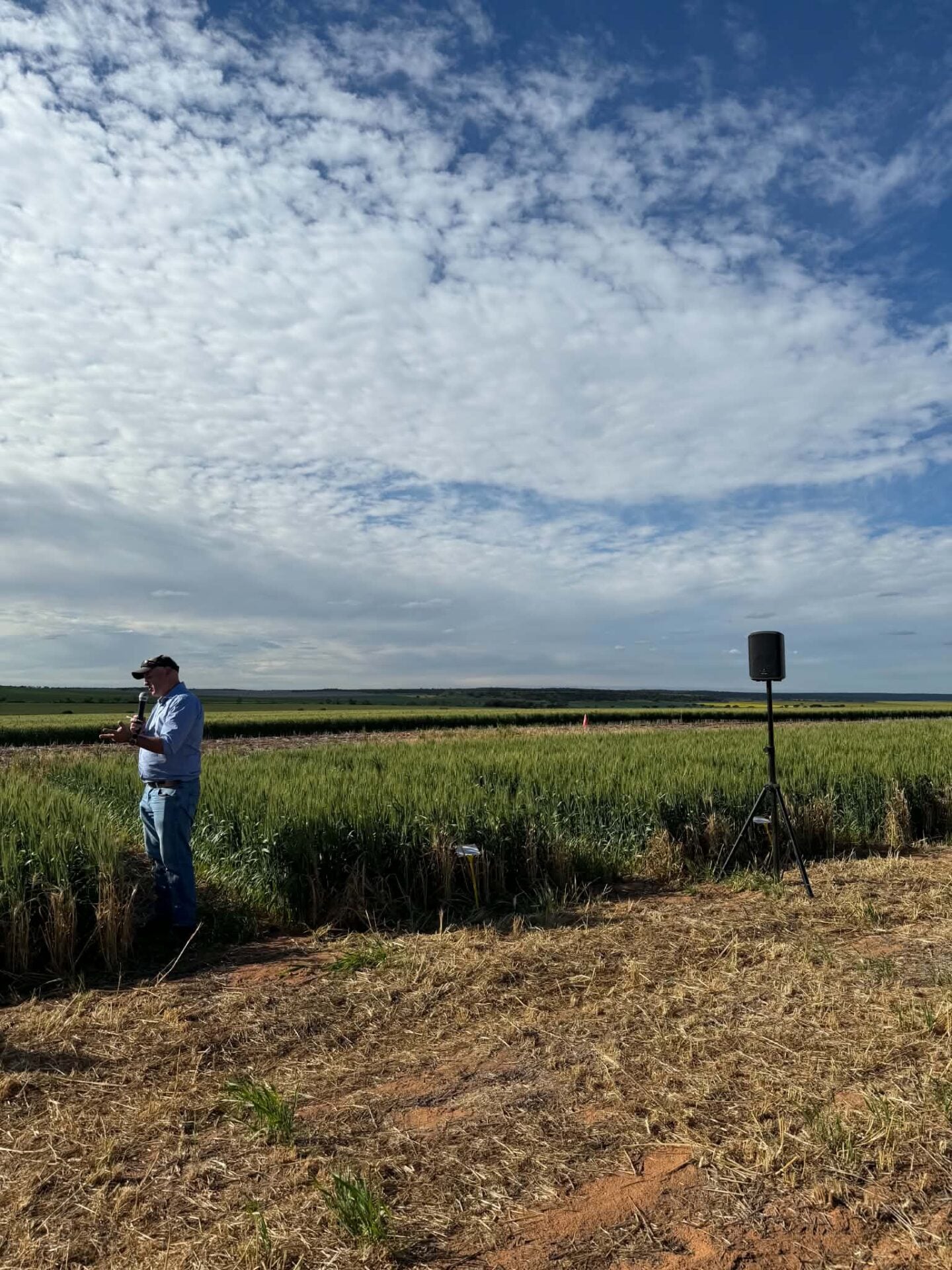
Farmers are facing increasing pressure when it comes to input costs, fluctuating market prices and variable season conditions. With these pressures there is a desire to get the most bang for their buck from input costs. During the spring field day circuit many grower groups touched on the topic of biostimulants and how they can help growers get more from their inputs and yield of their crops at a relatively low price. But what are biostimulants and does the research stack up to support their application in the Northern Agricultural Region (NAR) farming systems?
What are biostimulants?

Biostimulants are a substance that is applied to plants or soil via a range of applications that is said to improve nutrient efficiency, tolerance to environmental pressures and both crop yield and quality. The term plant biostimulant was first coined in 1997 to describe compounds capable of promoting plant growth that does not function as direct nutritional input (e.g. fertilisers). The European Biostimulant Industry Council formalised the description with regulatory framework which defined biostimulants as any substance or microorganism applied to plants or the rhizosphere (narrow zone of soil directly surrounding living plant roots) that stimulates intrinsic physiological processes, thereby enhancing nutrient acquisition and use efficiency, tolerance to abiotic stress, and crop quality, independently of its nutrient content. Some biostimulant products contain fertiliser, making it important to distinguish between nutritional response and a biostimulant effect.

Common biostimulant groups include:

  • Humic and fulvic substances: materials associated with decomposed organic matter, investigated for effects on root development and nutrient availability.
  • Seaweed and other plant extracts: mixtures containing compounds that may influence plant growth and stress responses.
  • Protein hydrolysates and amino acids: products containing amino acids and short protein fragments, investigated for effects on plant metabolism and stress tolerance.


Microbial inoculants: products containing beneficial bacteria or fungi intended to support plant growth or nutrient acquisition. Living organisms need suitable conditions to survive and function; products made from microbial extracts act differently.
How do biostimulants work?

Depending on the type of biostimulant that is used it can have effect on root growth, nutrient uptake or the processes plants use to cope with heat, drought and salinity. They can affect the plants signalling, cell replication rates and interactions with the microorganisms around the plant roots.

Application methods can range from a foliar application which can be mixed in a spray tank with other products such as liquid Nitrogen or it can be coated onto fertiliser granules and spread during fertiliser applications. The type of application and timing really depends on the intended use of the biostimulant and what is its intended purpose.

Is there evidence that biostimulants work in the NAR?

There is evidence of benefits however further trials are required to strengthen these results.

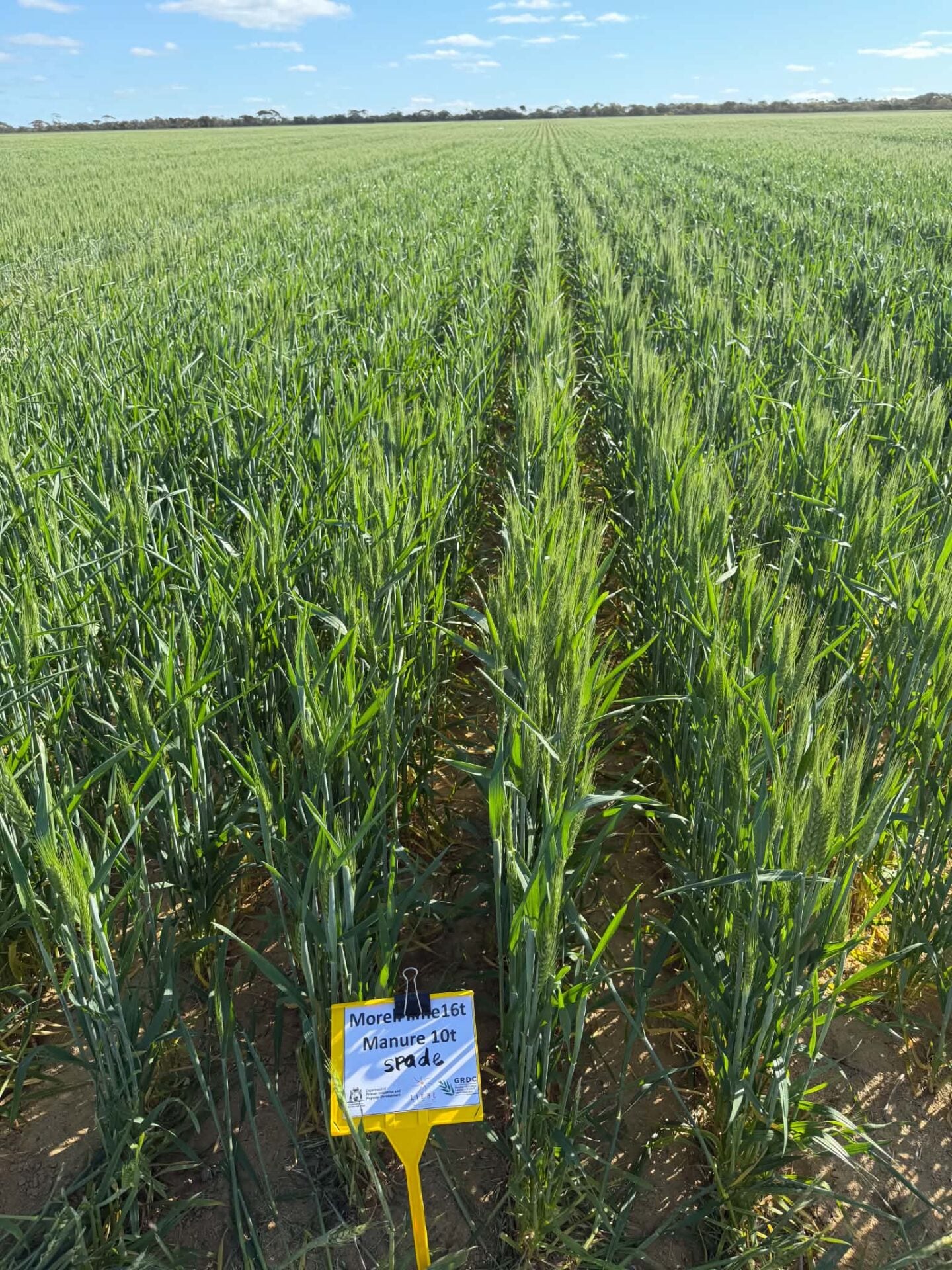
A WA study published in 2026 evaluated three commercial biostimulants in wheat under different conditions – a controlled environment, an irrigated field environment in Shenton Park and rainfed conditions in Merredin. There trials did not show significant changes to grain yield or protein relative to synthetic fertiliser treatments. You can read more about this trial here: https://onlinelibrary.wiley.com/doi/10.1002/sae2.70197

A study in 2016 based in the West Midlands on Bioprime resulted in the conclusion that biostimulants have a greater chance on improving yield during poor years on poor soil types rather than yields on good soils in good growing conditions. More information about this trial can be found here: https://www.farmtrials.com.au/trial/18663

The researchers also cautioned that higher calculated nitrogen-use efficiency under some reduced nitrogen treatments could reflect lower nitrogen inputs, rather than improved nutrient uptake. These findings apply to the products and conditions tested; they do not settle the question for every biostimulant. They do, however, demonstrate why field validation matters.

Summit Fertilizers are currently undertaking trails across the state in conjunction with grower groups such as West Midlands, Mingenew Irwin Group and 3-Fin. These trials are looking promising however the data is not yet available – it will be interesting to see how these trials stack up against previous research undertaken.

An article in Farming Ahead has shown that trials across Western Australia and South Australia have seen a 9-11% improvement in yield using Biostart biostimulant. However, as the data has come from the Biostart website and not an independent researcher it is not recommended to rely on this data alone.

The NAR encompasses many different growing conditions which can result in different outcomes for similar trials. It is important for growers to determine what they are attempting to achieve and figure out the limiting factors that need addressing to improve crop performance before adding further inputs.

Who regulates biostimulants?

Fertiliser Australia have developed a voluntary Biostimulant Labelling Code of Practice (CoP) to improve transparency and consistency. This CoP covers microbial products, humic substances, plant extracts and protein hydrolysates, however it is an industry code rather than a government code.

You can view the CoP here.

The Australian Pesticides and Veterinary Medicines Authority (APVMA) require registration of biostimulants based on the products characteristics if they contain pest or plant disease control. However, the word biostimulant does not determine regulatory status, this can create issues with misleading products.

Should growers be adding another input?

Before growers attempt to add another input to the mix, they should ask themselves the following questions:

What am I trying to achieve? If it is improved yields, better protein or healthier soils these outcomes need to be measurable to determine if another input will achieve your goals.

Is there evidence supporting this produce? Approach your local grower groups and see if there is an option to add a trial to test these products in your area in similar soil types that you work with? Also purchasing small amounts and testing in your own trial can be a useful tool to determine the effectiveness on your property.

The Future Farm Foundations project is funded under the Natural Heritage Trust’s Climate-Smart Agriculture Program.

Stacey Heelan - Sustainable Agriculture Project Officer

Share

We'd Love to Hear From You!

Your feedback is important to us. If you have suggestions, questions, or would like to get involved in Natural Resource Management, please use the form below or contact our Geraldton office. We’re here to listen and help

Geraldton Office

4 Walton Close, Geraldton
Post: PO Box 7168, Geraldton, 6531
Phone: (08) 9938 0100
Office hours: 8:30am to 4:30pm

Forms

Expression of Interest Form 🞂

Suggest a Project Form 🞂

Membership Form 🞂

Donations Form 🞂

Contacts

NACC Board Members 🞂

NACC Staff 🞂

NRM Bodies & Groups 🞂

CEO’s Report

In 2020-21 I talked about ‘raising the bar’. In 2021-22 we worked on setting the bar on fire. Over the last 12 months, the team at NACC NRM has not stopped.

The Sustainable Agriculture team has extended the program’s reach through collaborations with grower groups in the regions. Specifically, the Beyond Reasonable Drought project and Grower Group Alliance – South West WA Drought Innovation Hub – Geraldton Node project. The Beyond Reasonable Drought partnership with grower groups supported farmers across the region to improve the environmental sustainability of their agricultural production and drought resilience. The outcomes of this project have been consolidated through our successful Expression of Interest to the South West WA Drought Innovation Hub, with support from grower groups across the region, to host the Geraldton Node of the Hub. The program continues to focus on working with agricultural networks to share technical expertise and provide opportunities that will improve land management practices in agriculture across the region.

The conservation outcomes of ranger teams have expanded through work on several land tenures. Maintaining Heritage sites such as Willi Gulli, Racecourse Paddock and Buller River has long been a priority. During 2021-22, the teams have increasingly focused on threatened species and ecosystems.

To this end, Western Mulga rangers have improved management across 19,000 ha for the conservation of Malleefowl through firebreak and access management. They completed the maintenance of water holes and supported the monitoring of over 90 Malleefowl mounds.

Similarly, the Kwelena Mambakort Aboriginal Corporate ranger team have contributed positively to Carnaby’s Black Cockatoo populations by installing artificial hollows and habitat restoration.

All ranger teams have collected native seed, propagated native plants for restoration, and planted native vegetation in key locations across the NAR. Seed collection provides valuable industry experience and has facilitated the planting of over 100,000 seedlings during the year.   

In September 2021, the NACC NRM team delivered the WA Threatened Species Forum, held in tandem with the National Malleefowl Forum. Given the impact of COVID and the timing of this event, having more than 100 delegates from all over Australia was a significant achievement. The two Forums brought together 12 events over five days and featured 14 local artists, 25 businesses and 36 youth participants.

Following the successful relaunch of our updated NARvis, NACC NRM was invited to help lead a significant piece of strategic planning work for the region with Mid West Development Commission and the Department of Primary Industries and Regional Development. With funding from the Australian Government’s Future Drought Fund, the consortia delivered a Regional Drought Resilience Plan covering the shires of Northampton and Chapman Valley and the City of Greater Geraldton, along with significant technical analysis of drought vulnerability for the South West land division. The development of this plan also included extensive community consultation to ensure that local knowledge and technical advice guided the development of priorities for action.

This planning work links to existing NACC NRM on-ground projects, including Beyond Reasonable Drought and the Chapman Catchment Collaborative regeneration project.

It was a busy year for events with face-to-face events becoming commonplace again. During 2021-22 we hosted events in Gingin, Moora, Dalwallinu, Cervantes, Jurien Bay, Walkaway, Nabawa, Perenjori, Kalannie and Morawa. We supported events in Karakin, Thundellara, Perenjori, Paynes Find, Wubin, Cataby, Warradarge, Northampton, Yuna, Dalwallinu and Dandaragan.

We also supported on-ground works throughout the region, including at the following locations Yuna, Dalwallinu, Dandaragan, Merkanooka, Goodlands, Kalannie, Bunjil, Yardarino, Canna, Kondut, Latham, Kadathinni, Nabawa, Red Gully, Sandy Gully, Waddy Forrest, Devils Creek, Perenjori, Bowgada, Ellendale, Wandana, Namban, Hill River, Warradarge, Gillingarra, Regans Ford and Moonyanooka.

Our region is vast – slightly larger than Tasmania, which for comparison, is serviced by three separate NRM organisations. Covering the NAR region and its many environmental threats is challenging. We continue to focus on partnerships and collaboration to address this challenge. We know that by working with our community through passionate delivery of collaborative on-ground projects and education, the community will value and actively protect our region’s natural capital.

This year we have launched a new Reconciliation Action Plan (RAP). The RAP Working Group consulted widely and developed an Innovate RAP which Reconciliation Australia approved in March 2022. The activities to fulfil these commitments are now in full swing.

Sadly, at the end of 2021, we farewelled former NACC NRM CEO Shelley Spriggs, who lost a long battle with cancer. Shelley was an inaugural inductee to the NRM Leadership Honour Roll. I will always be grateful for her guidance and no-nonsense approach, not to mention her passion for life.

While we have said farewell to some, we have welcomed many new faces across all programs, including our Administration team. We have also hosted a school-based trainee from Nagle Catholic College who has been working towards a Certificate II in Conservation and Ecosystem Management. This trial position has been very successful, and we look forward to making this opportunity available again in 2023.

During 2022 we have taken on new projects that align with our organisational and program objectives, and we have successfully completed some great initiatives that support continued conservation and sustainability outcomes. I want to thank the whole team who continue to go above and beyond for the organisation and each other proving their ongoing commitment to our purpose and our values.