
As revegetation season quickly approaches, invest in your project by getting started on the right foot and taking the time to plan and prepare. By understanding your site, identifying goals, and addressing potential challenges early, you’ll set yourself up for a thriving, sustainable landscape that supports local wildlife and ecosystems.
Where to start? Outlining what you want to achieve with a revegetation project is key. A good brainstorm can help to explore your goals in depth and any identify any issues early.
Some things you might consider are:
- Site characteristics such as soil type, slope and wind exposure.
- Species you are hoping to encourage to the site (large cockatoos, lizards, invertebrates or small mammals).
- Habitat characteristics for the wildlife you want to attract; what do they require to be complete their lifecycles? This may include open woodland with large trees, closed dense shrubs, deep leaf litter or dead wood structures or grassy meadows.
- Any potential threats to the site, like erosion, salinity, climate projections, hydrophobic soils and pest species.
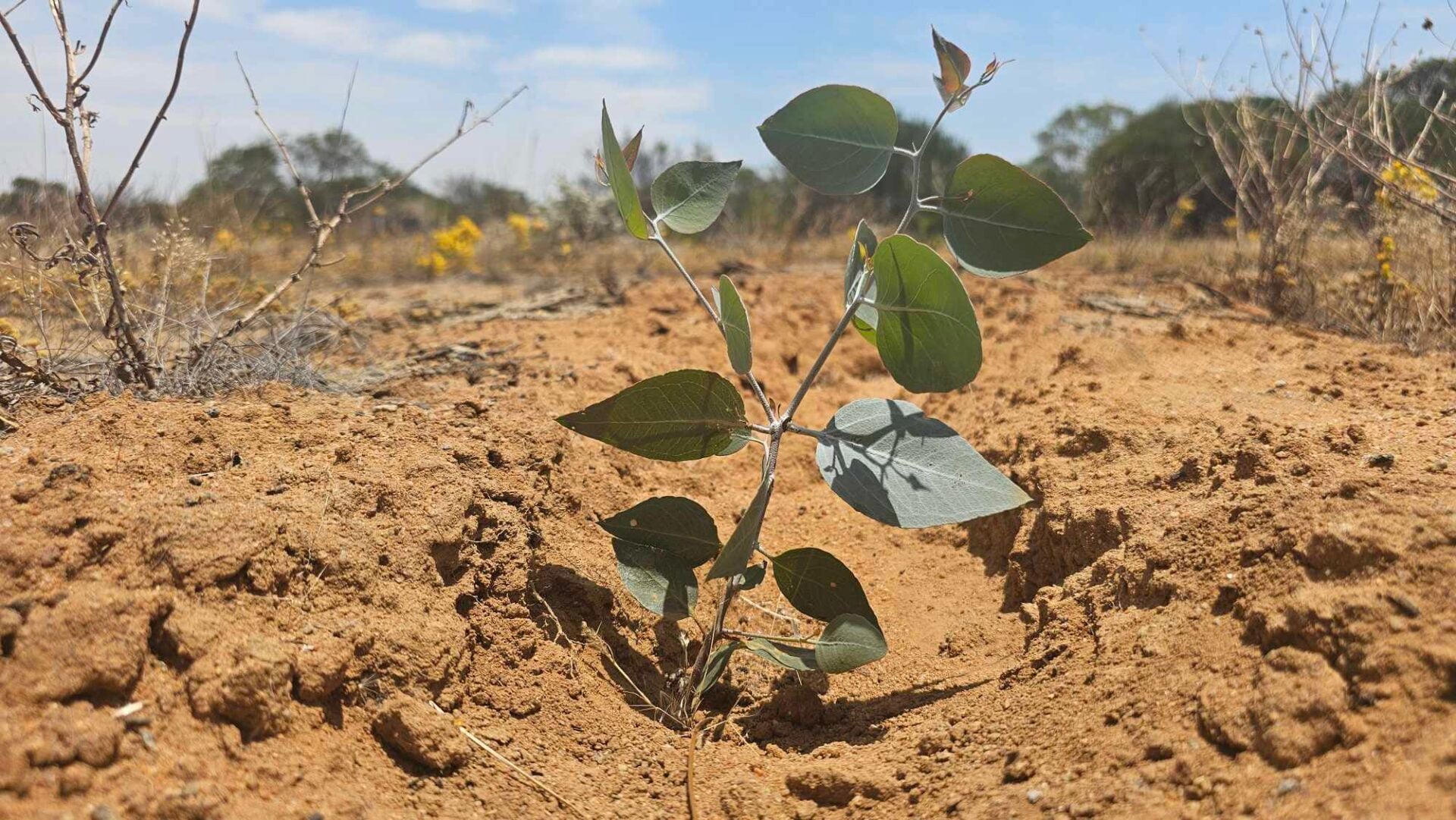
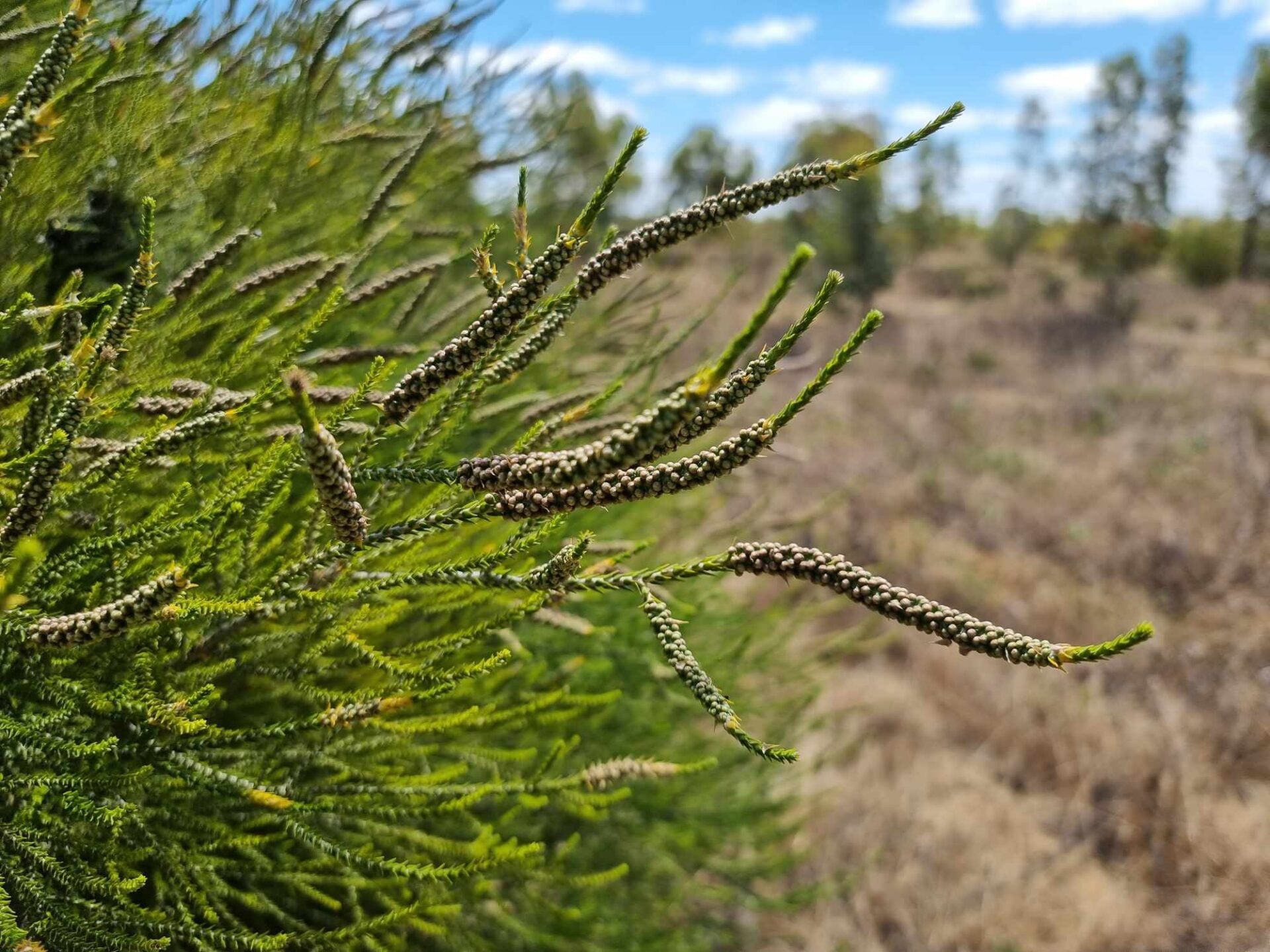
Once your brainstorming is complete it is a good idea to map the site in detail. This will ensure you can visualise the areas of interest as well as any areas of concern. Include remnant vegetation and take note of any natural vegetation adjacent to your site. This can be a useful reference for plant species selection. Identify pests and weeds on your map this will help to target these areas during any site preparation in the coming months. Don’t forget to include manmade structures such as fence lines, watering points, roads and tracks.
A quick online search of the Aboriginal Cultural Heritage Inquiry System will help to identify any registered areas of cultural significance and if required start the consultation process with the sites knowledge holders.
A formalised biosecurity plan can help identify and manage the any biosecurity threats (pests, weeds, diseases and pathogens) present on the site. In your plan identify any introduction pathways to ensure you avoid new threats. Signage on access gates can help reduce traffic. Talking to your local natural resource management officer, biosecurity officer, neighbours, friends of group, and your local rural supply stockists for advice on what methods they have found to be most successful is a great place to start. A targeted, multifaceted approach is the key to biosecurity control.
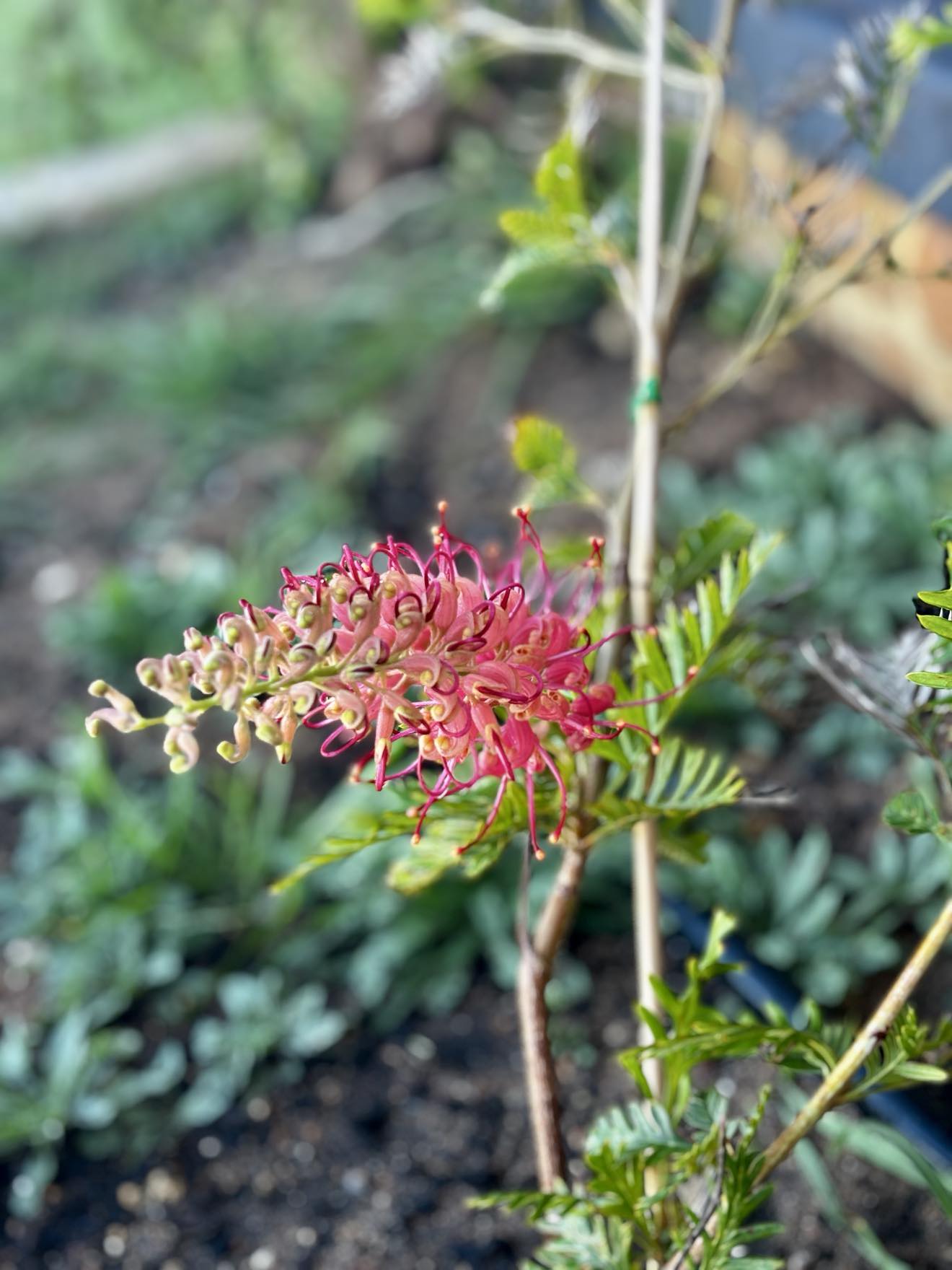
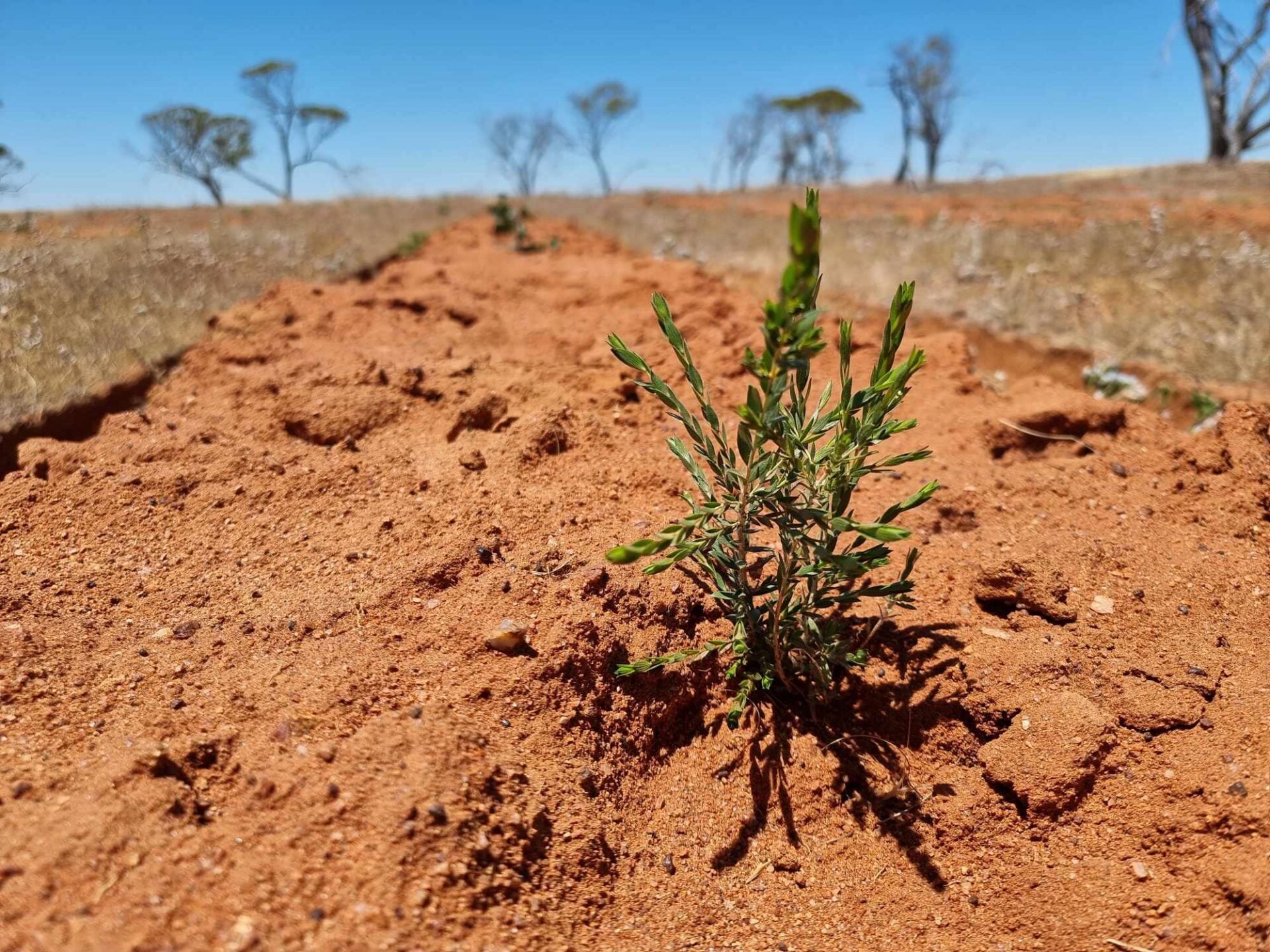
Book the labour and contractors you need well ahead of time. Fencing and spraying contractors have busy schedules during the control season so lock them in early. If you are fencing your site, talk to your local contractor and aim to have it in place before revegetation to stop stock or other unwanted herbivores grazing off your fresh new seedlings.
Time to order your seedlings! Get in early – nursery staff need time to collect seeds, germinate and grow your beautiful new seedlings.
Finally, get planting! If you are planting yourself or using a contractor you need to be watching the weather, just like cropping that first break of the season is essential to provide subsoil moisture and given our short winter season and warmer conditions in the NAR, June is often your target.
This project is funded by the Australian Governments Panel of Regional Delivery Partners with support from NACC NRM.