
With spring field day season getting underway early this year, NACC NRM’s Sustainable Agriculture team has been out and about across the Northern Agricultural Region (NAR), keeping up to date on the issues landholders face, sharing relevant resources and staying connected to the farming community.
Geraldton Region | Hosted by Greenough Specialty Ag
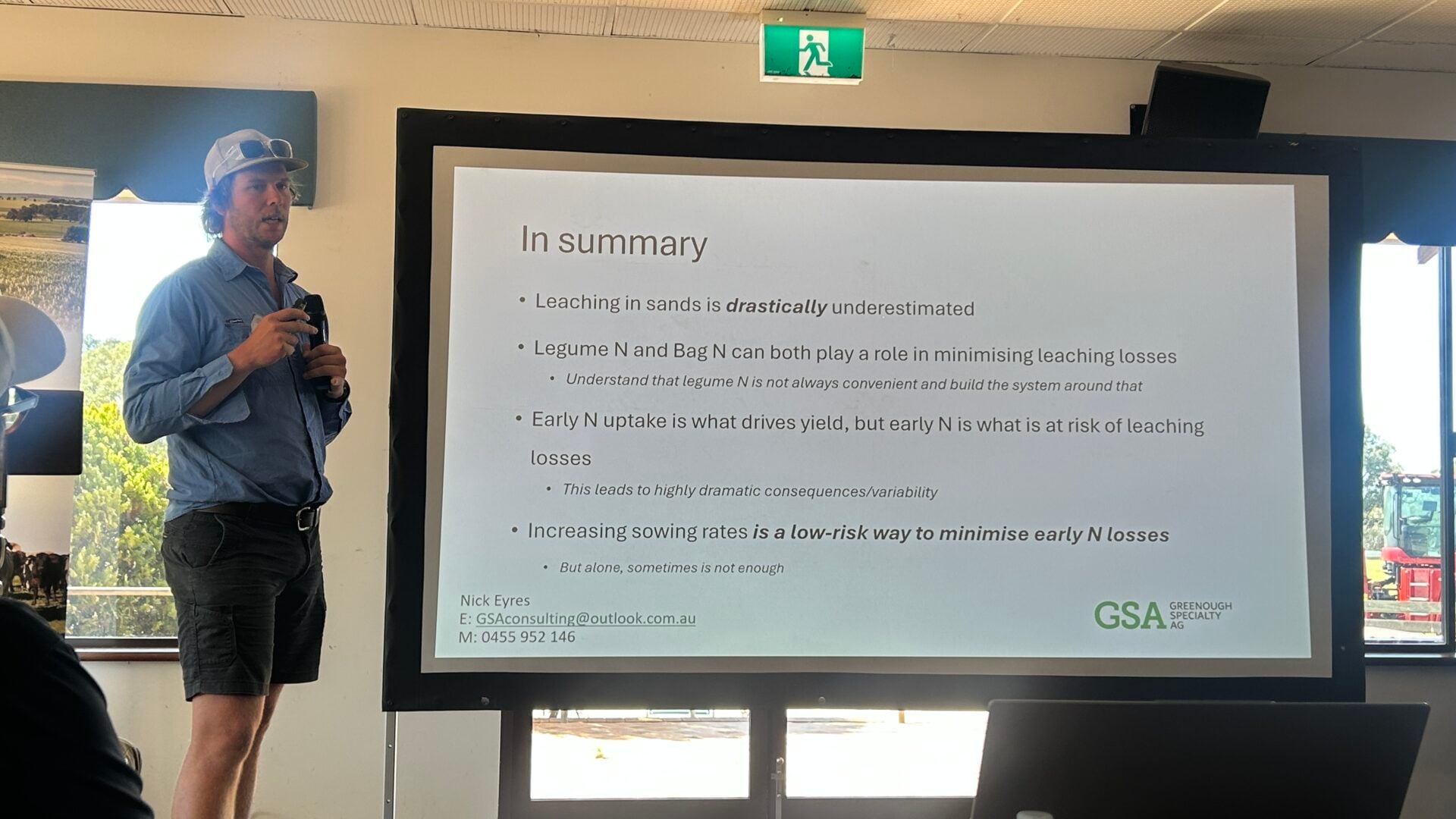
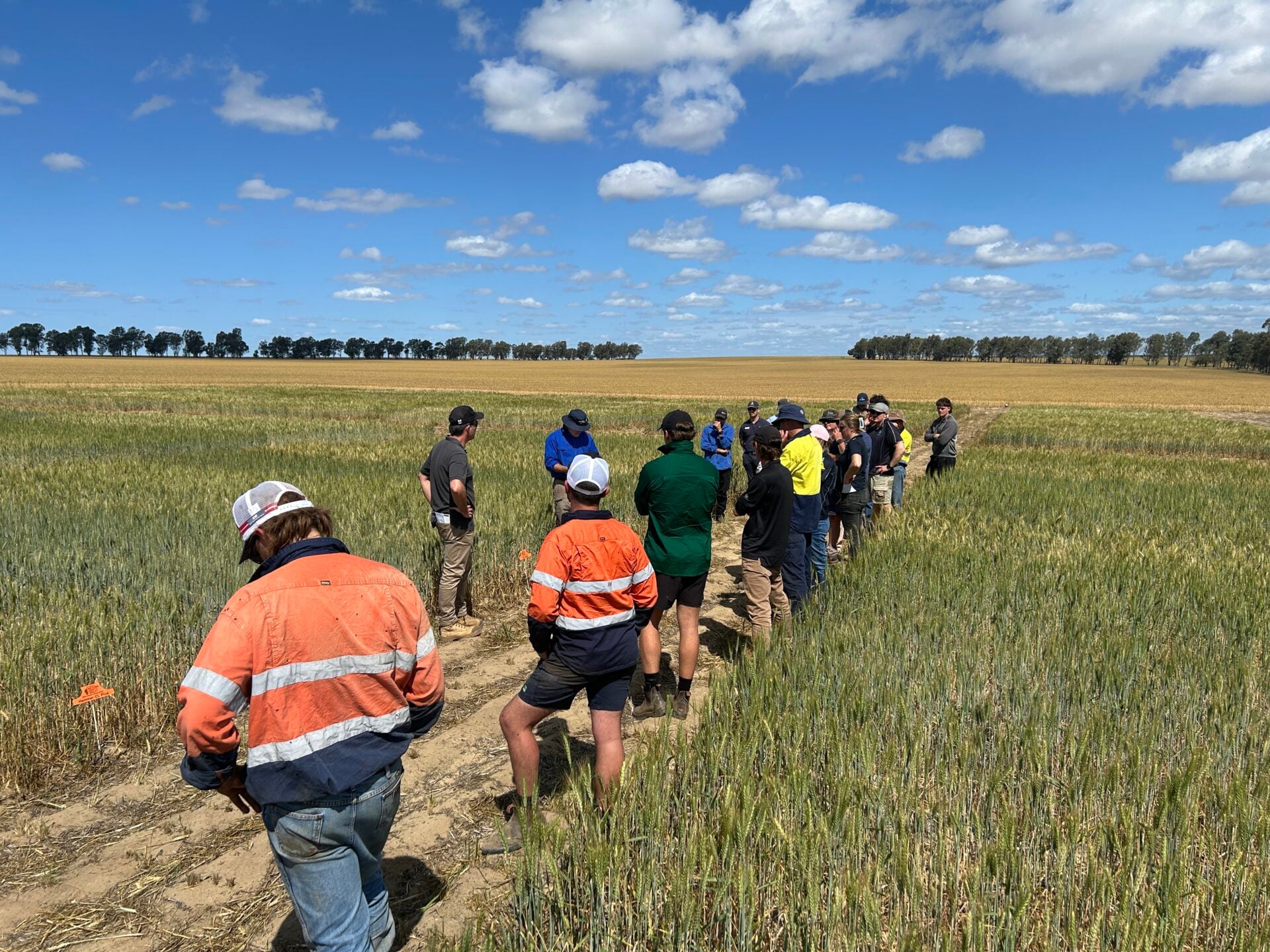
The spring field day circuit started at the end of July with Nick Eyres of Greenough Specialty Ag hosting a northern Geraldton field walk focused on the Chapman Valley and Yuna area. A common theme among many recent events is nitrogen use efficiency and what we can do to get the most from our fertilizers, as well as alternatives to synthetic fertilizers. Pulses and legumes are big talking points in this conversation, due to their nitrogen fixing abilities.
Badgingarra | Hosted by Coorow Nutrien Ag Solutions
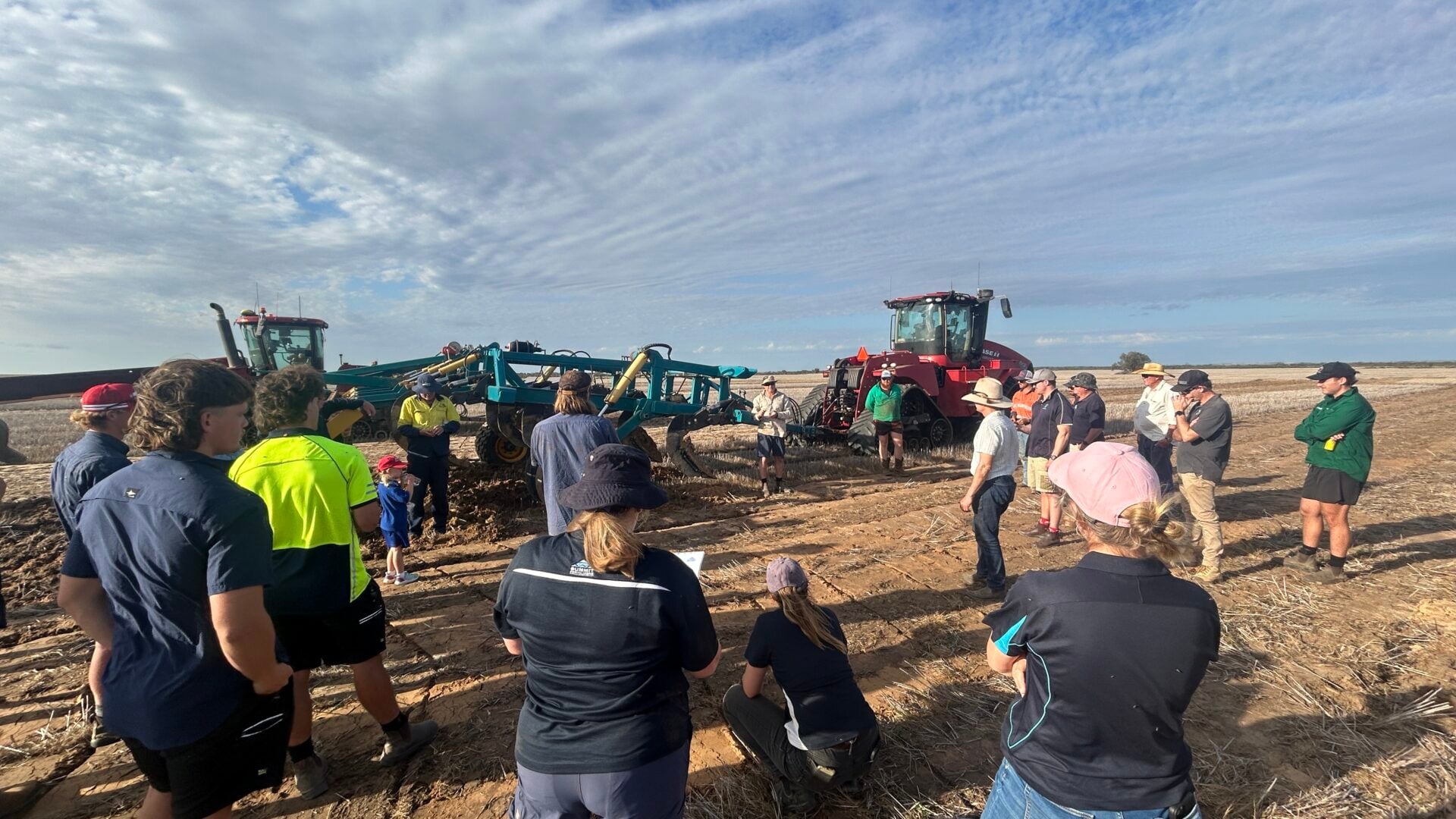
The Badgingarra field walk, hosted by Coorow Nutrien Ag Solutions, delved into soil engineering innovations such as tile drainage, delving and ripping and incorporating clay deeper down the soil profile. Badgingarra is known for their white sandy soils that suffer from low nutrients and leaching issues, so these topics generated much discussion among attendees.
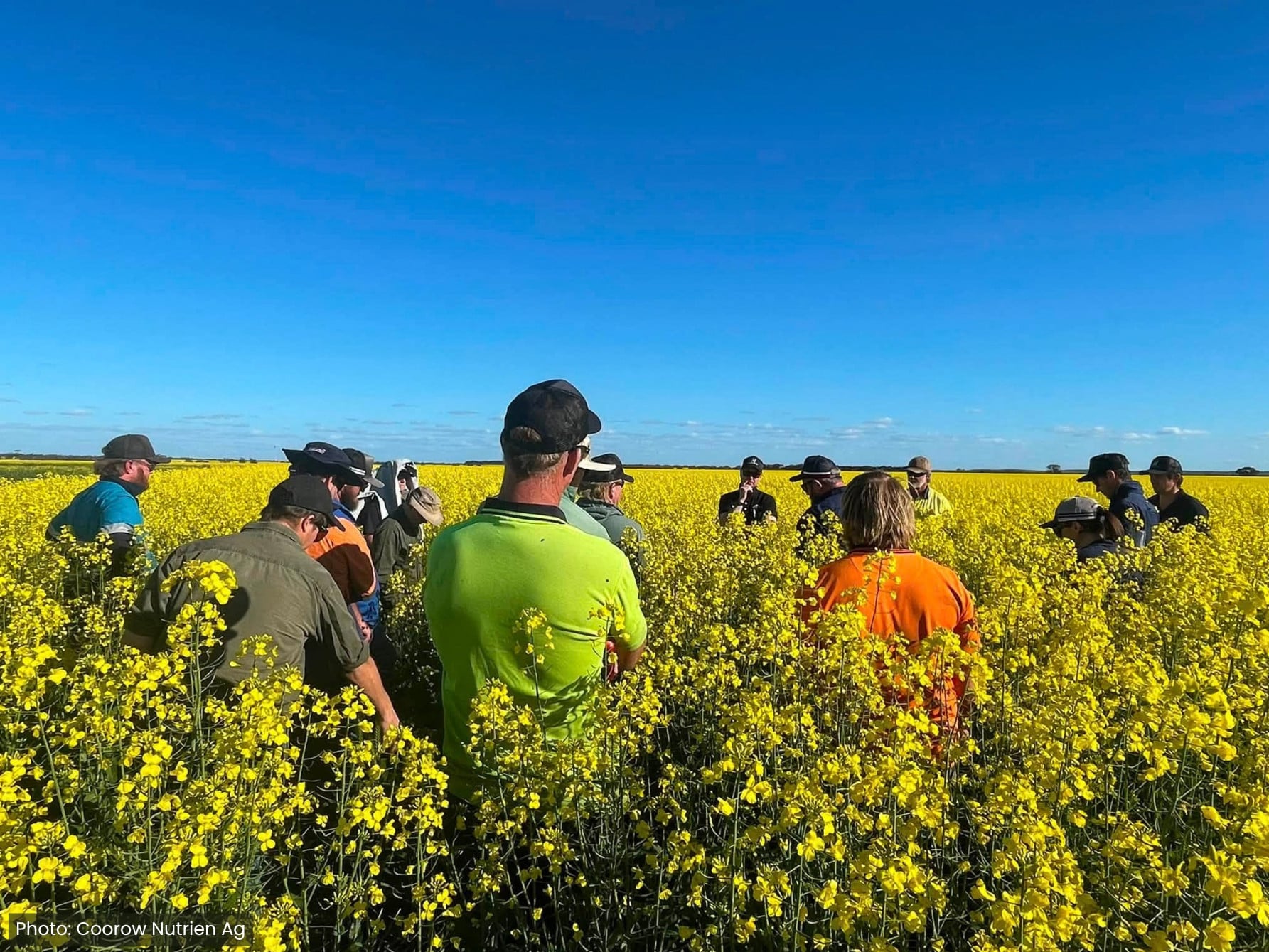
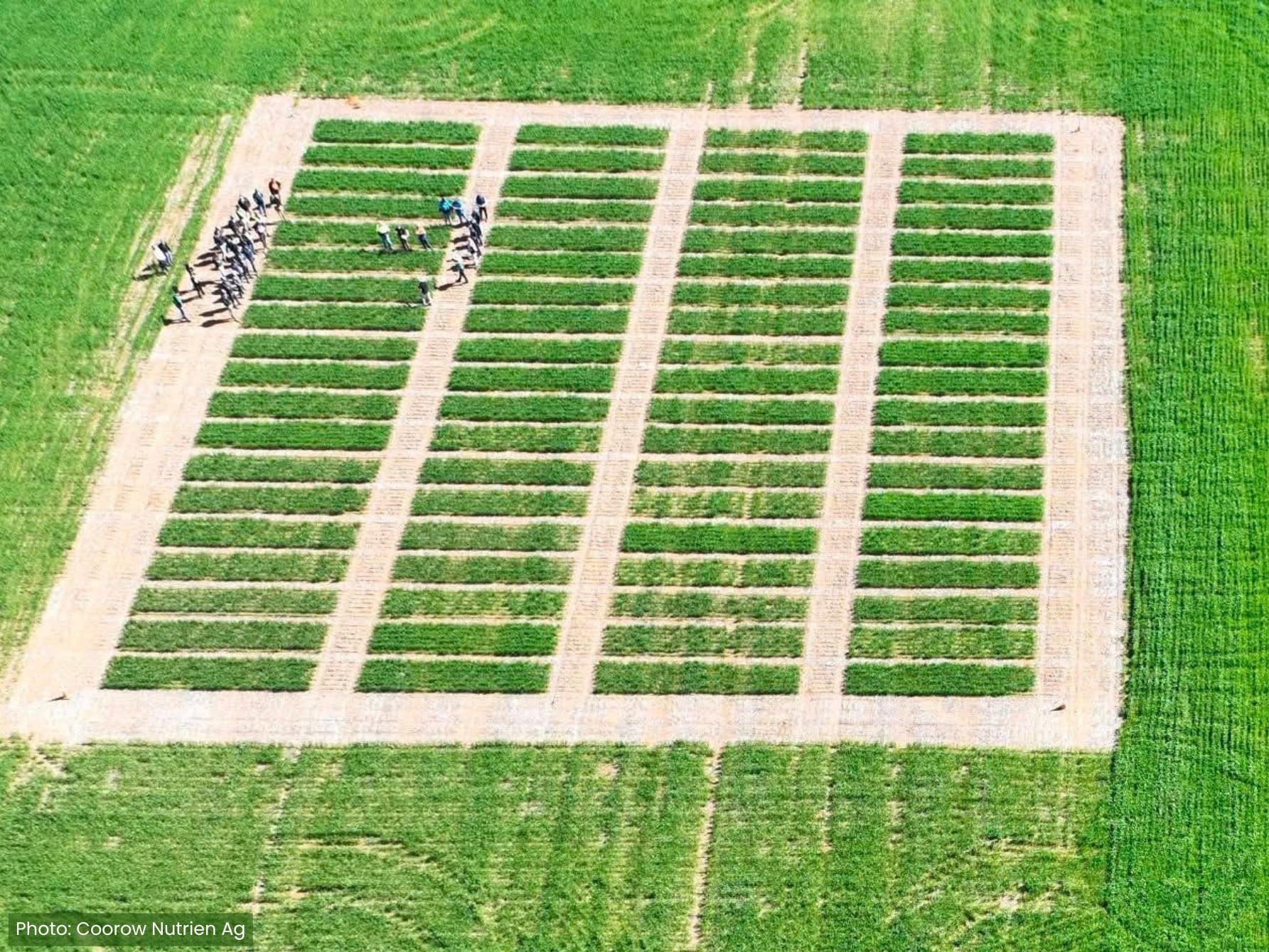
Photos: @Coorow Ag – Nutrien Coorow
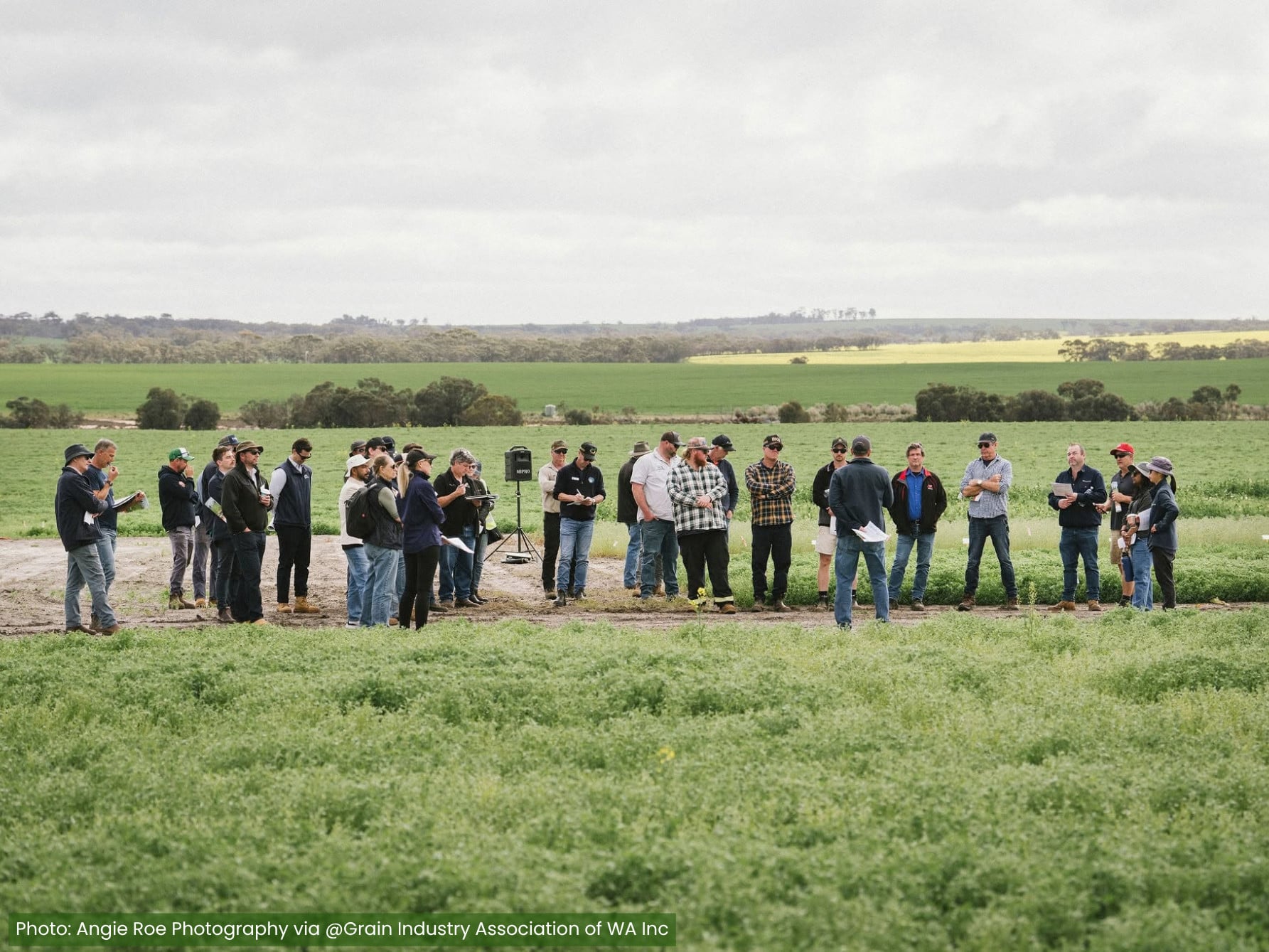
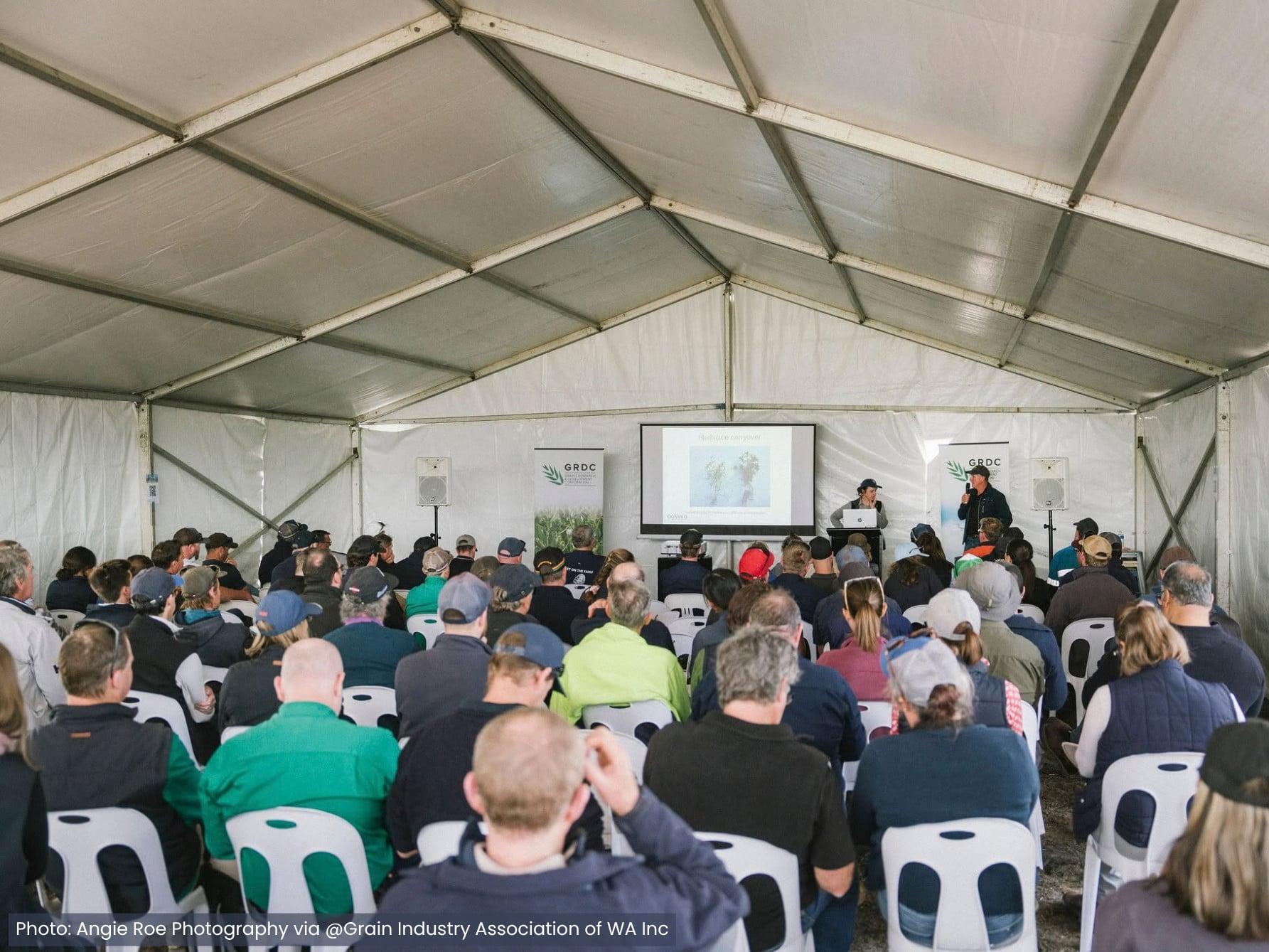
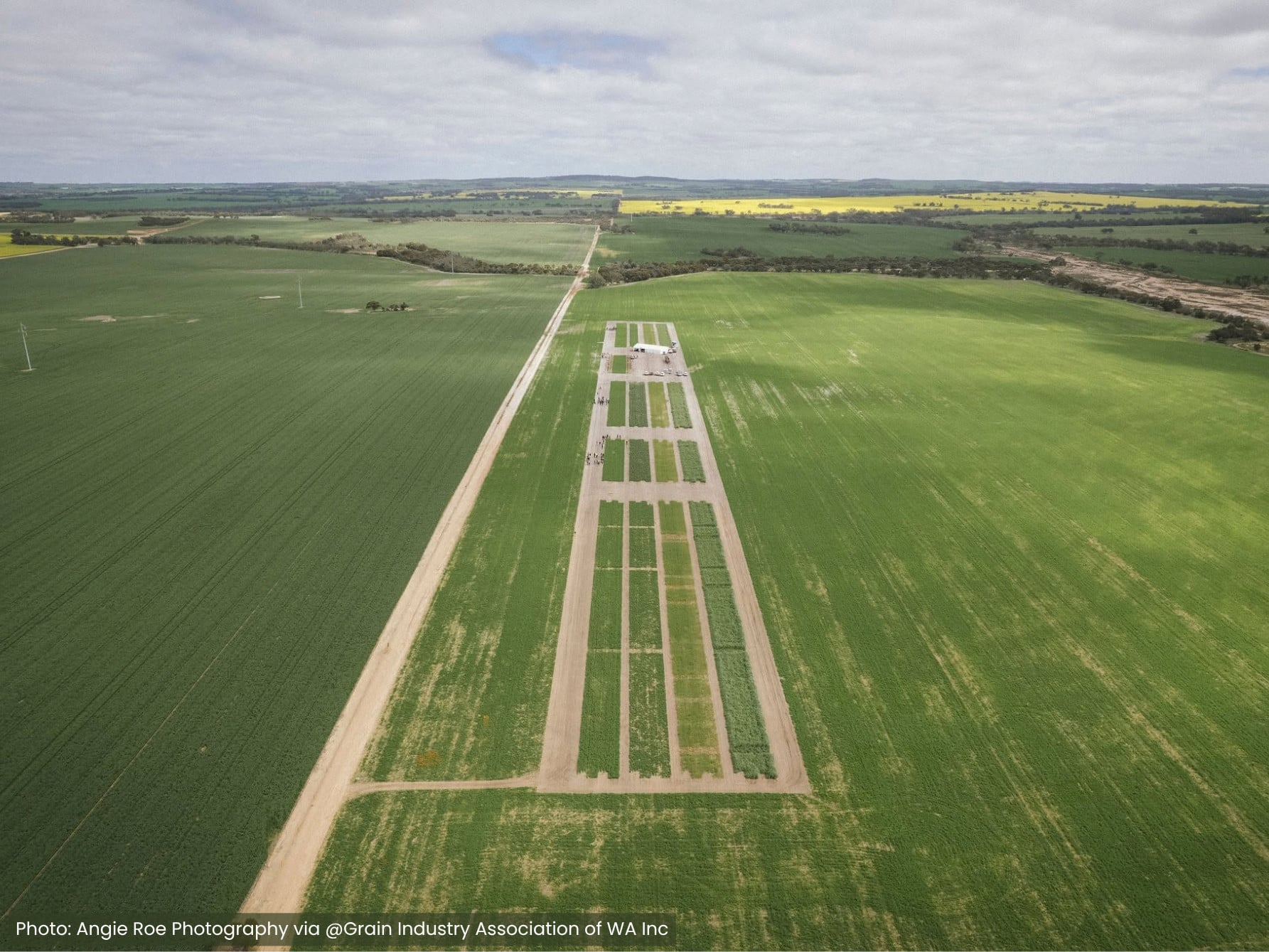
Piawanning | Hosted by Grain Industries Association of WA (GIWA)
In the south of our region, Grain Industries Association of WA (GIWA) hosted a pulse field day in Piawanning, which saw over 100 attendees discussing the benefits of incorporating more pulses into crop rotations. With fluctuations in the cost and availability of synthetic fertilizers, pulses have been pushed to the forefront of cropping research as a possible alternative. This is clearly an area grain growers are keen to explore for the health of both soil and profit, as was evidenced by the sizable attendance.
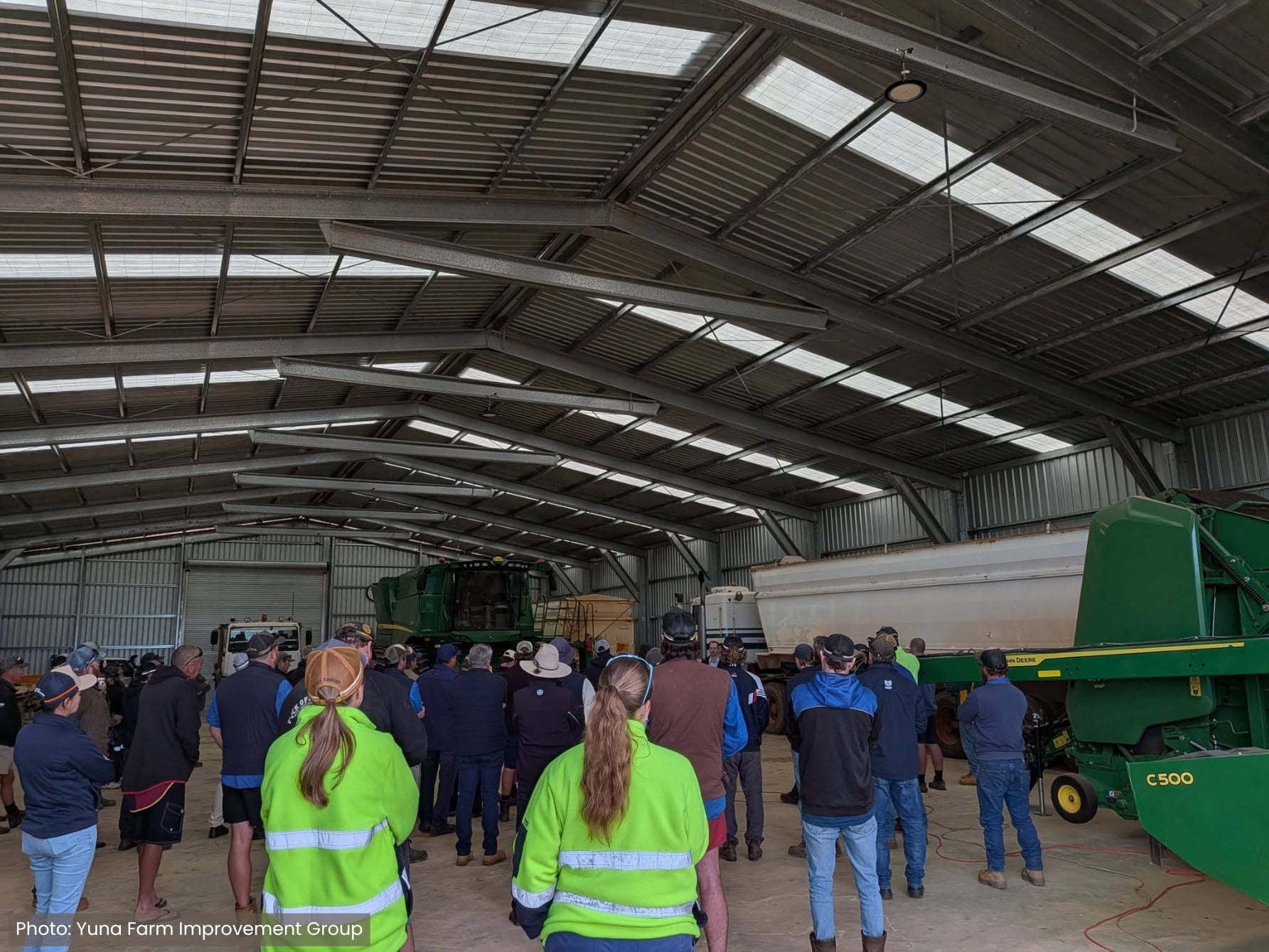
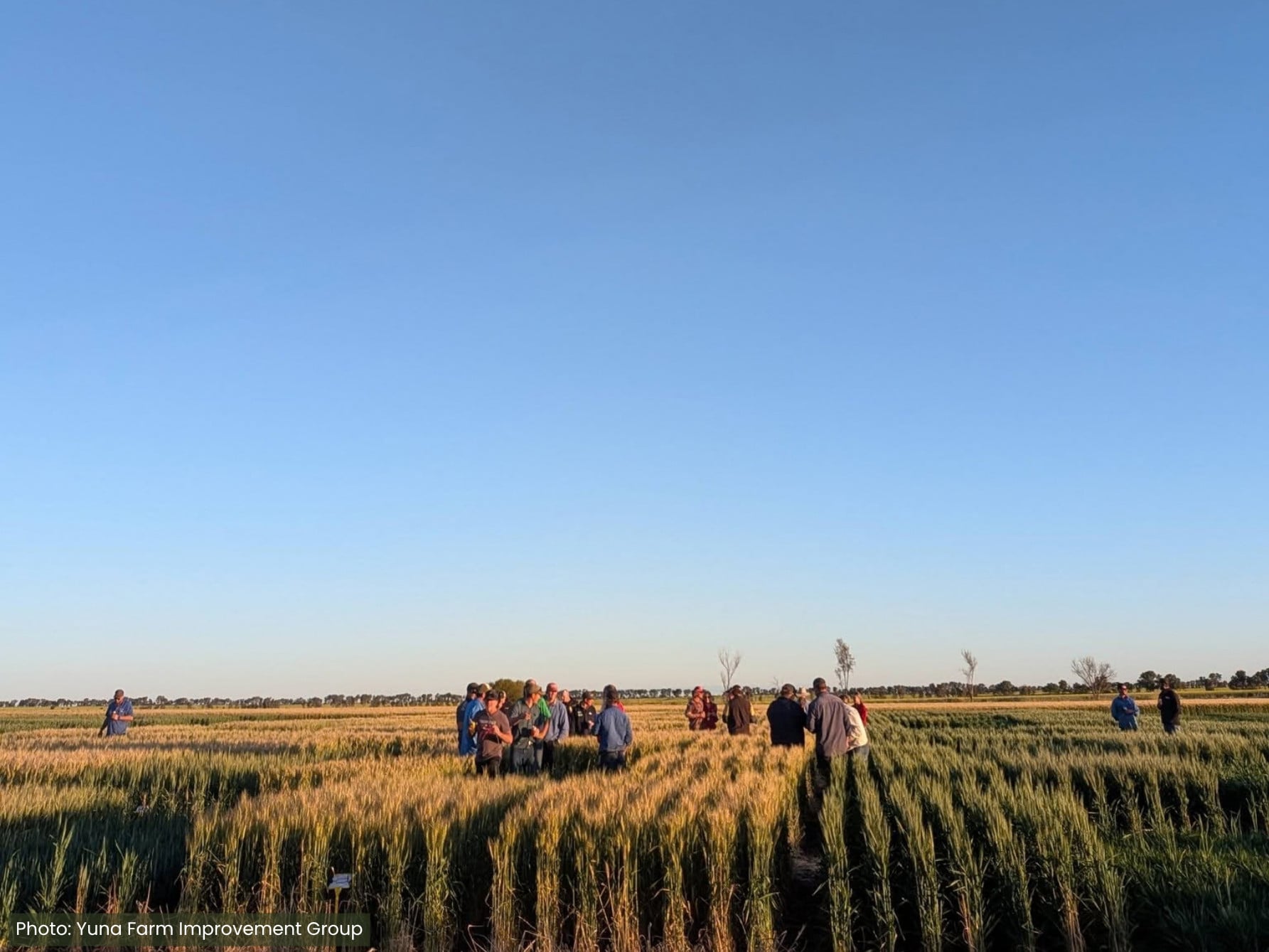
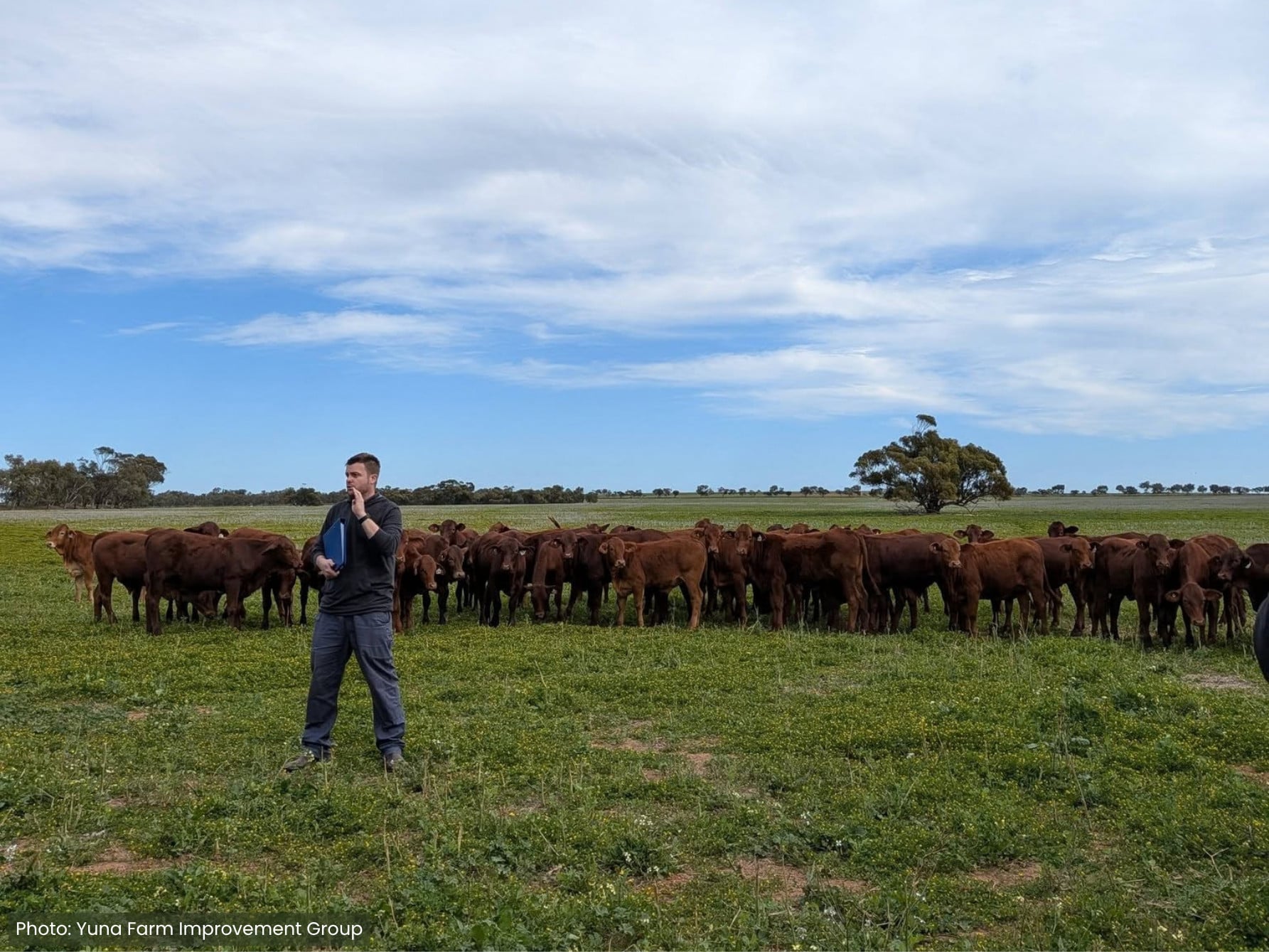
Yuna | Hosted by Yuna Farm Improvement Group
Back in the north, the Yuna Farm Improvement Group (YFIG) kicked off their spring field day with an economic update, which indicated continued uncertainty across fertilizer and fuel prices. A hot topic was finding ways to reduce herbicide residue in the soil for improved, consistent crop emergence. Plantago crops are being trialed in the area as a potential alternative, with local landholders being encouraged to attempt seeding on their properties.
Photos: @Yuna Farm Improvement Group
Morawa | Hosted by Morawa Farm improvement Group
Morawa Farm Improvement Group (MFIG) hosted a smaller gathering of landholders, serving as a valuable opportunity for open discussion around succession planning, economics, and barley varieties currently being trialed.
Mingenew | Hosted by Mingenew Irwin Group
Mingenew Irwin Group (MIG) started their annual spring field day at the Mingenew Recreation center, before traversing attendees across several trial sites. On show was National Variety Trials (NVT) progress, weed control tactics, new spray tech, and strategies involving long coleoptiles in wheat.
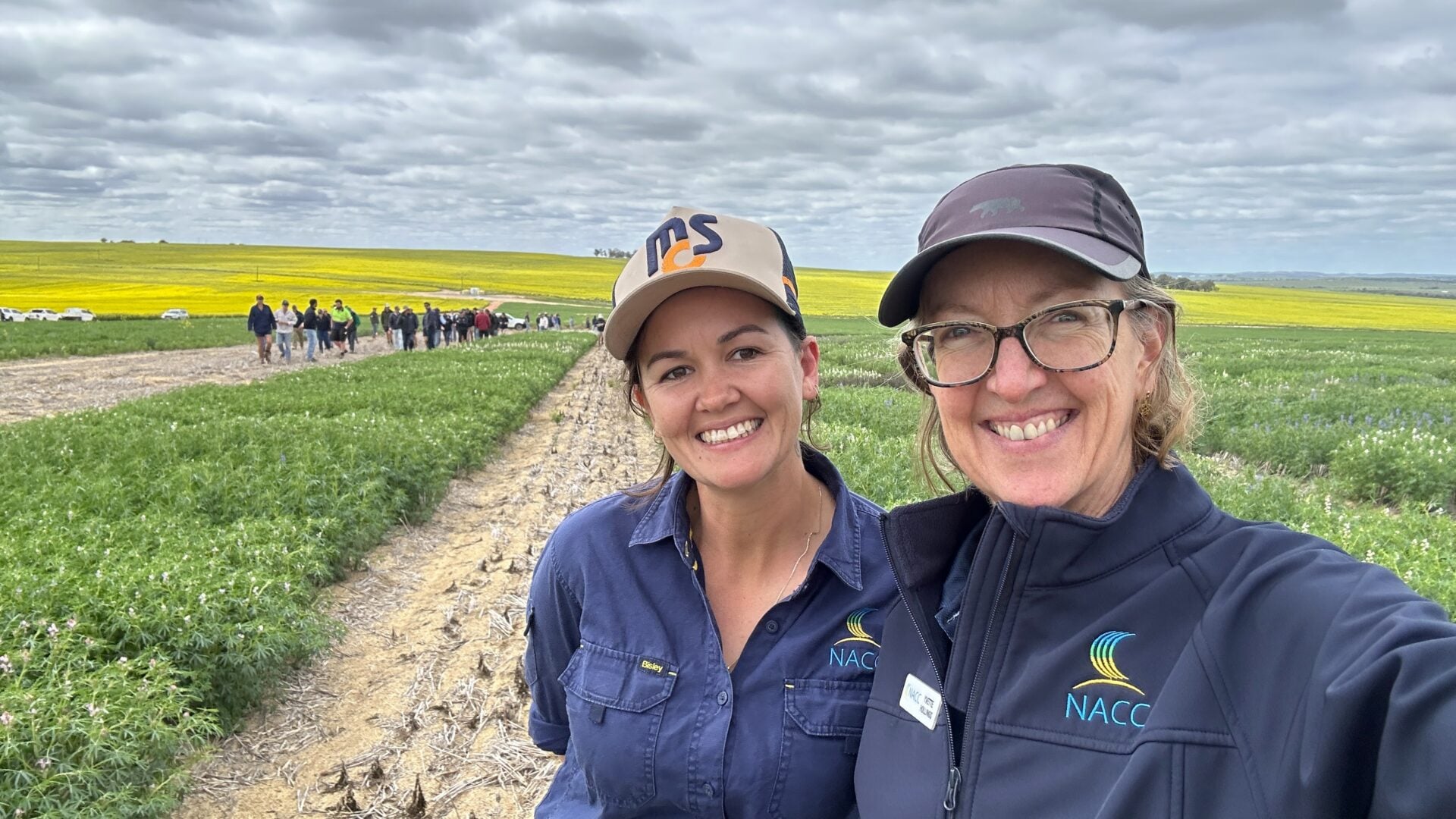
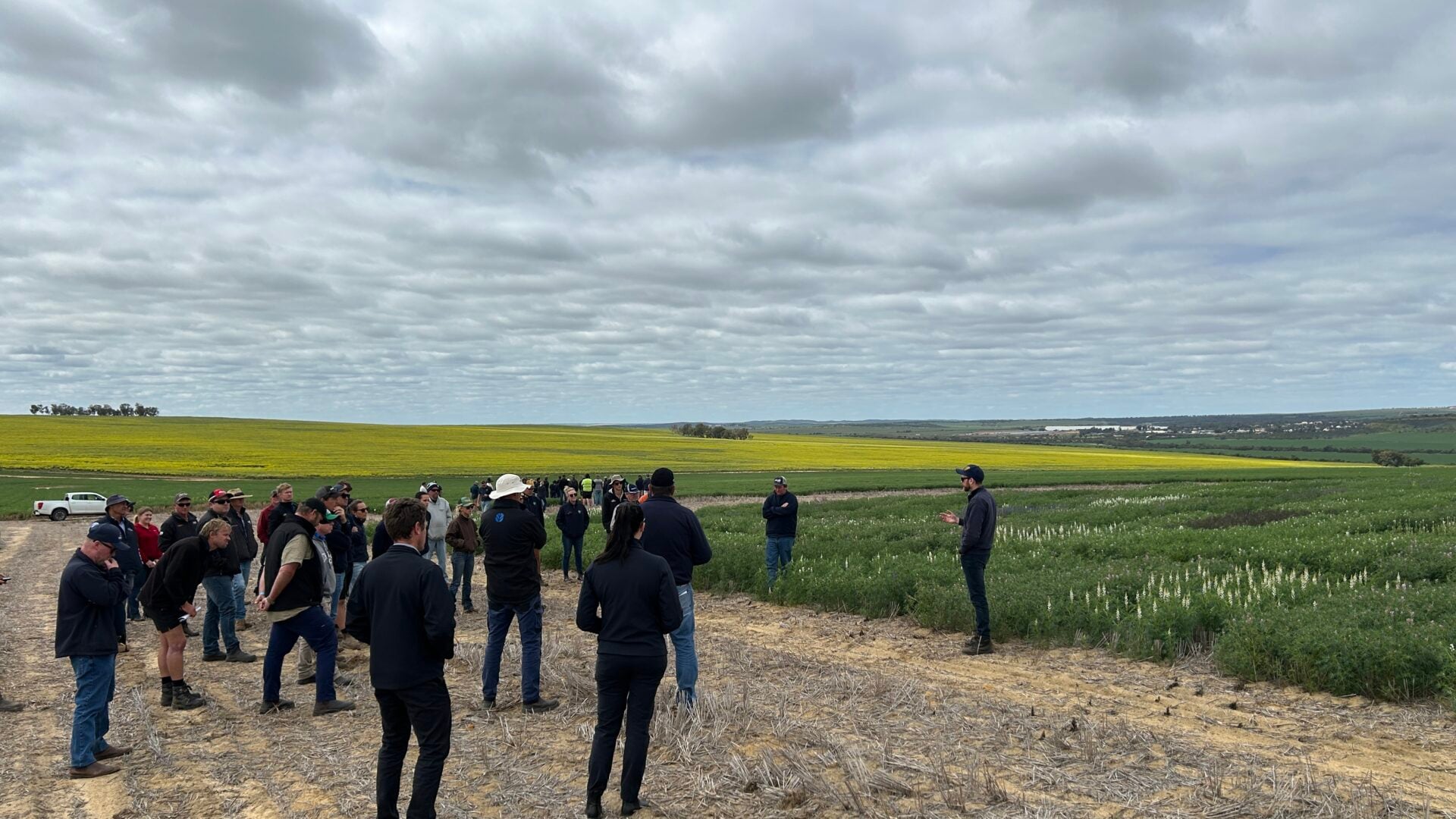
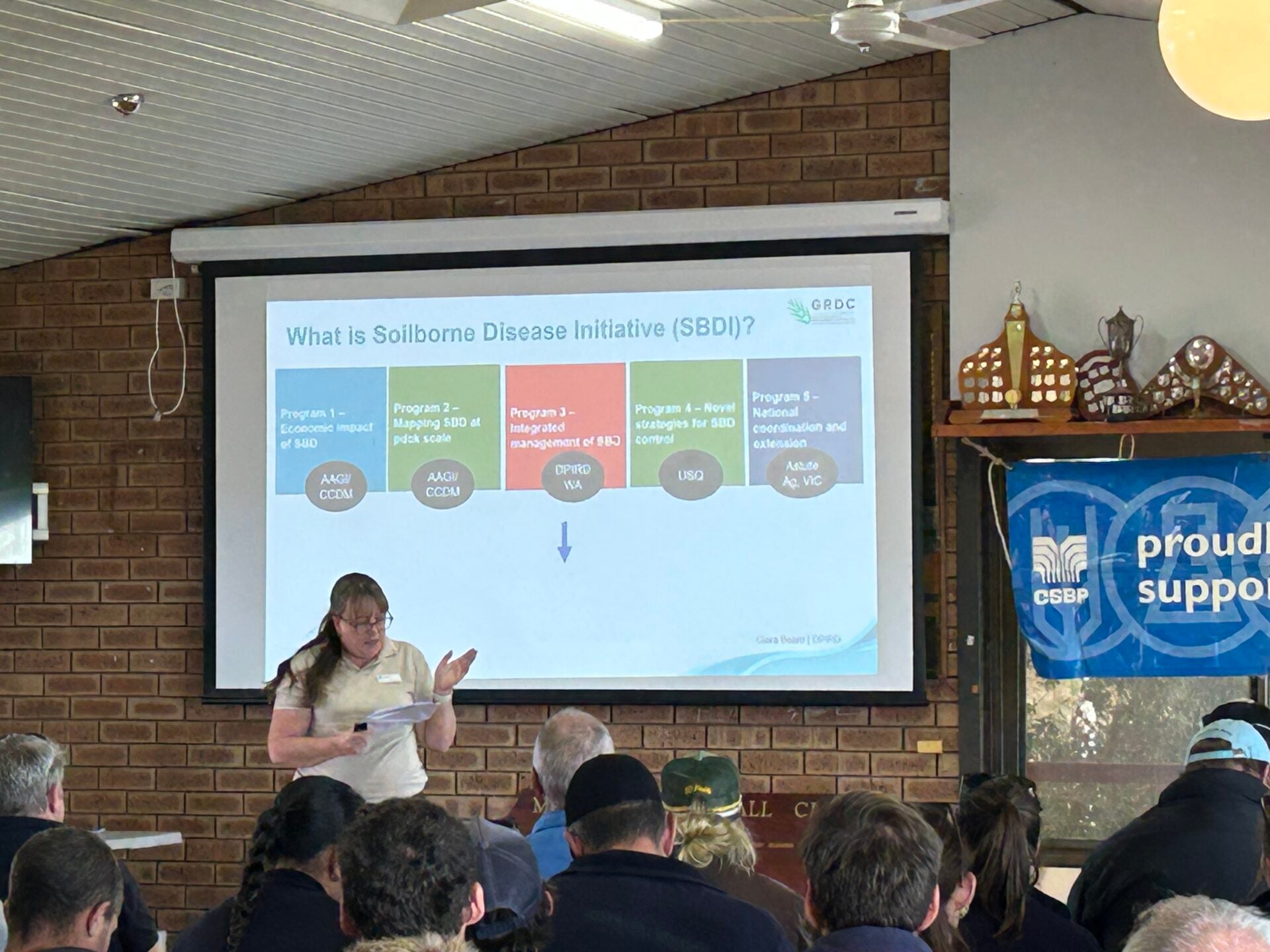
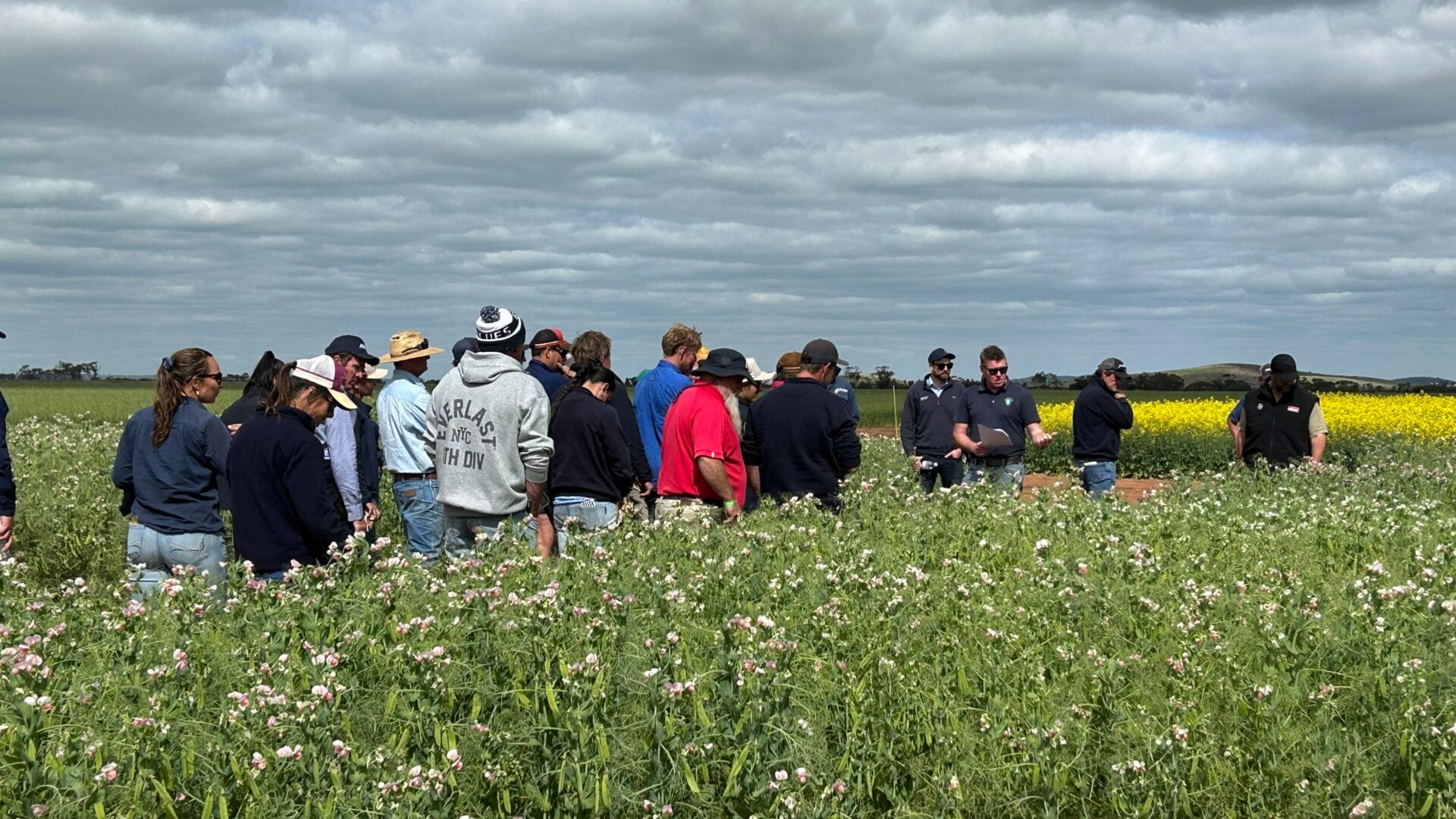
Mullewa | Hosted by Mullewa Dryland Farmers Initiative
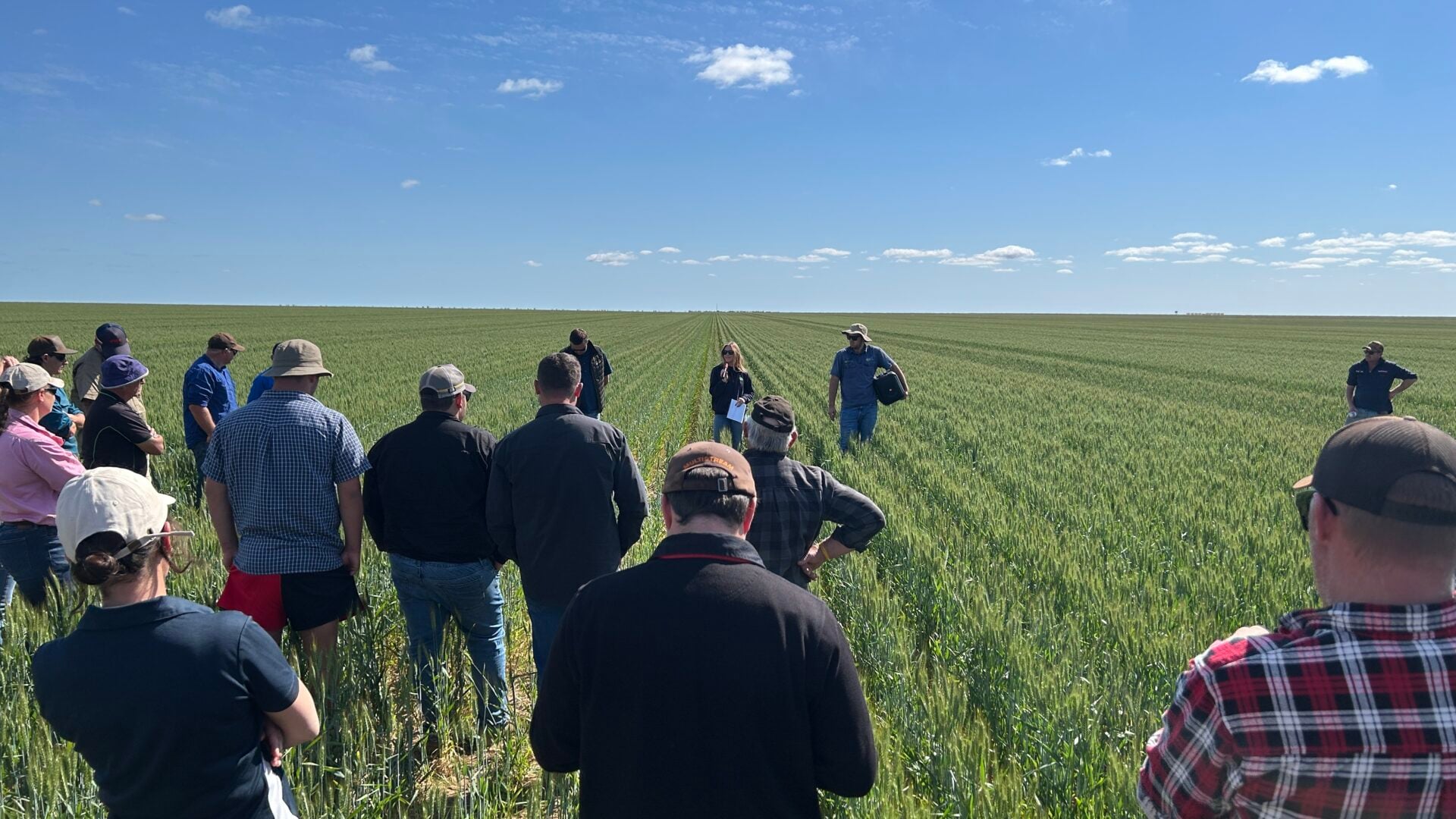
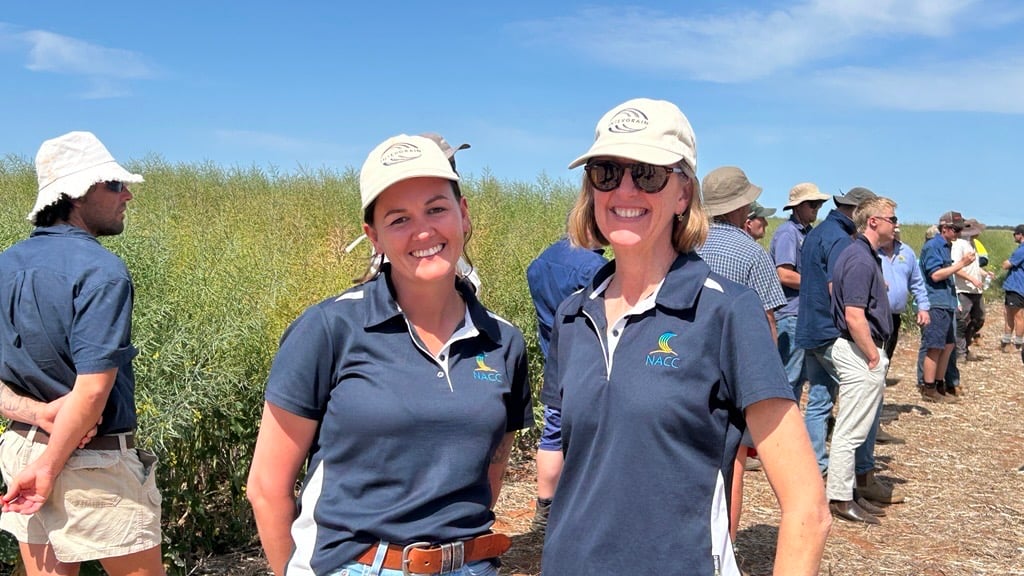
Following the MIG field day, the Sustainable Agriculture team headed out to Mullewa to check out trial sites and hear more about what’s on the minds of landholders in the NAR. MIG provided a timely update on mice monitoring across the region, while the ever-evolving world of artificial intelligence sparked plenty of interest among the Mullewa crowd. Time of sowing is also generating discussion across the region, with new wheat and canola varieties being developed to help growers respond to the changing challenges each season brings.
Kalannie | Hosted by the Liebe Group
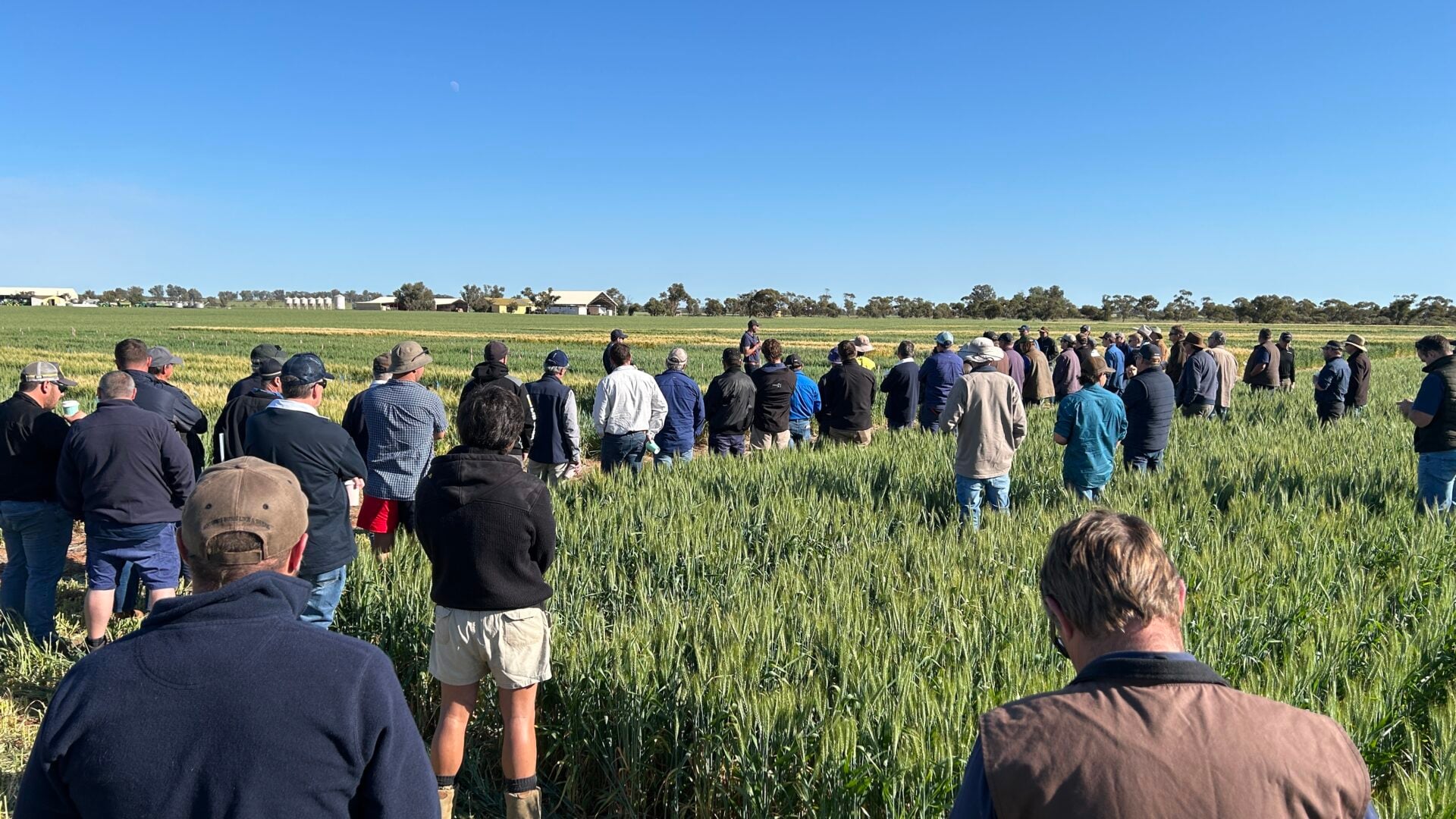
Back in the south of the NAR, the Liebe Group hosted their annual spring field day at the Nixon property in Kalannie. Their robust program comprised of three concurrent sessions, with current and interesting topics covered at each. The Sustainable Agriculture team found particularly fascinating the topics of virtual fencing, breeding salt tolerance in pulses, and new bio coatings to help fertilizers achieve maximum results. Liebe’s field days are always a highlight of the spring field day circuit and this year was no exception.
Moora | Hosted by Moora-Miling Pasture Improvement Group & FarmCo
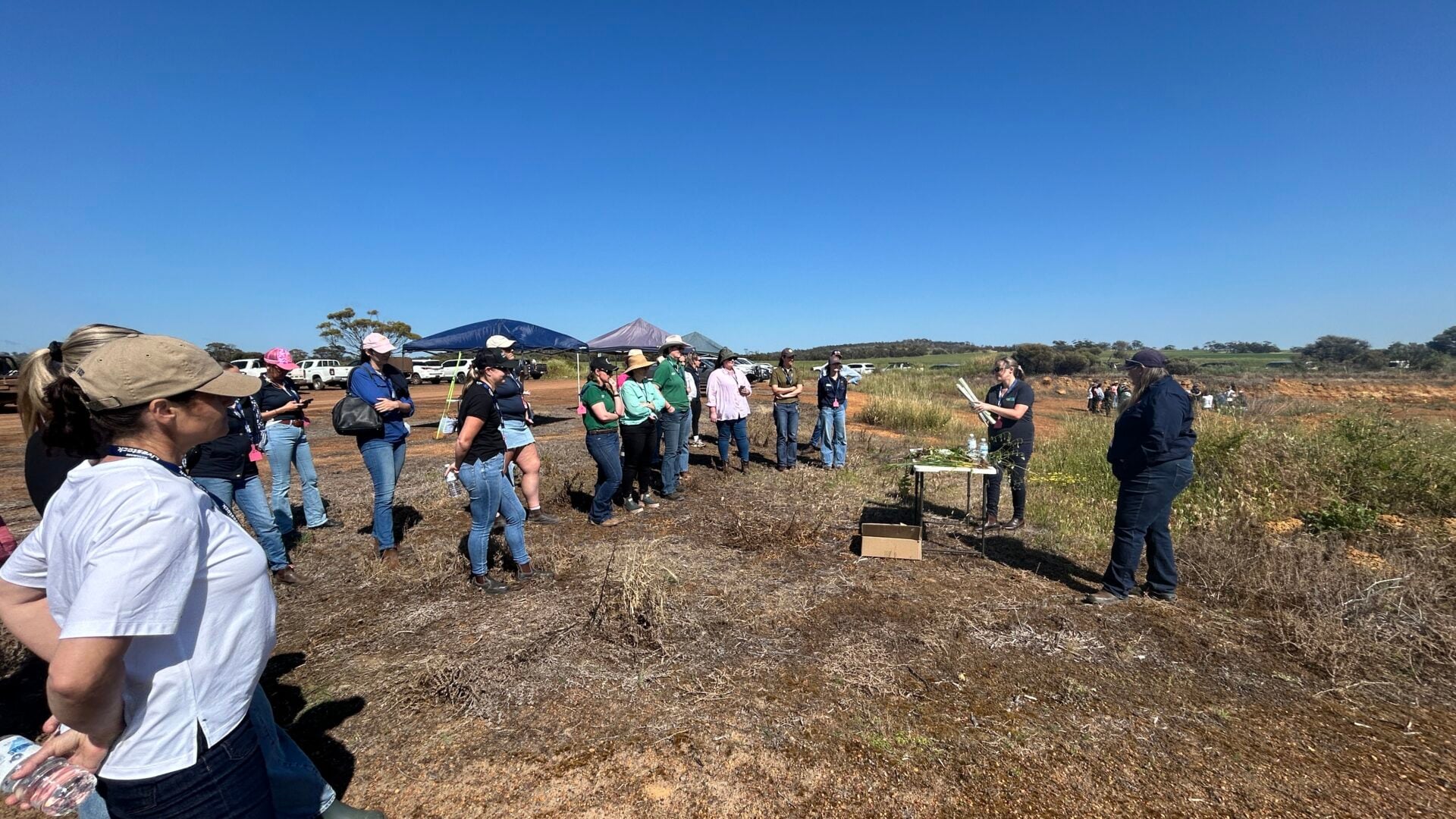
East of Moora, the team enjoyed a day at FarmCo’s FarmHER event, delivered in partnership with Morawa Moora Pasture Improvement Group. It began in the best way possible, with coffee on site followed by a hands-on session with Tam O’Keeffe from SoilsWest. Participants rolled up their sleeves and learned to assess soil texture and understand the constraints that might come with different soil types.
Heading to the paddock, local agronomists then demonstrated how to identify and assess the value of commonly found plants (and weeds), with a focus on their pasture potential at different life stages and the importance of control to prevent livestock issues. Back at the Berkshire Valley Homestead, attendees enjoyed lunch, with presentations and a panel chat covering everything from the financials of running a business, to the importance of leaning into your expertise and more.
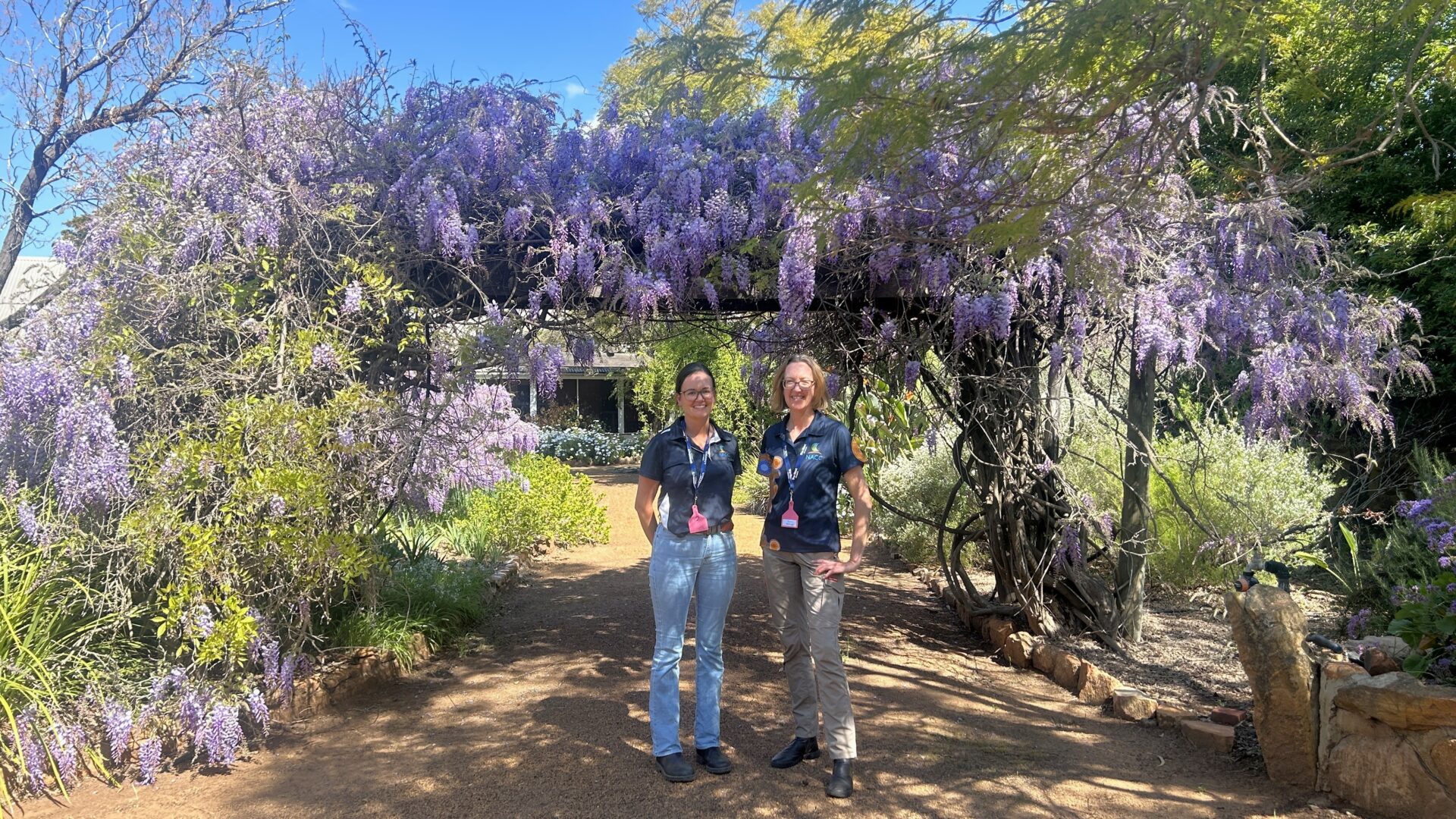
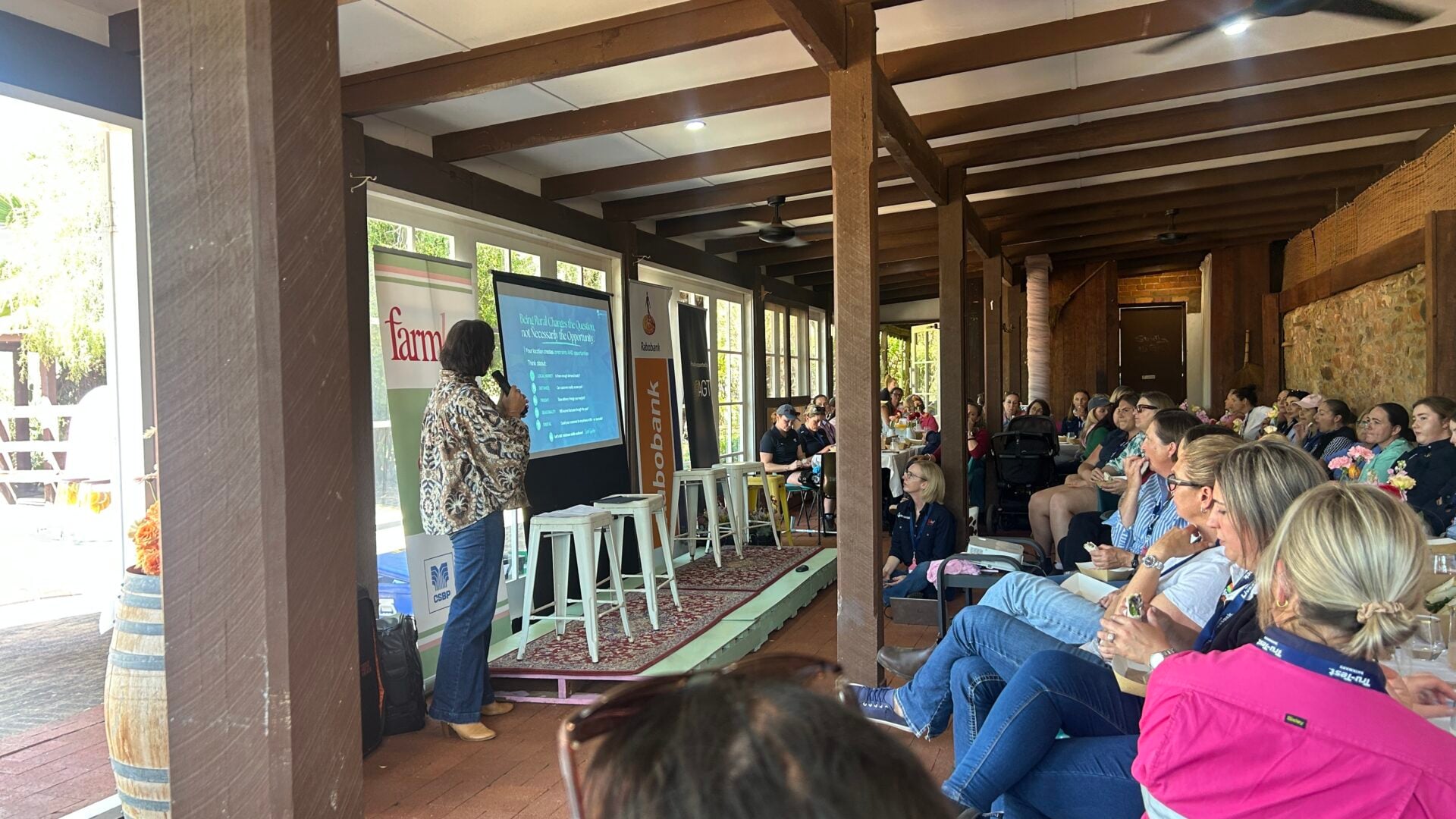
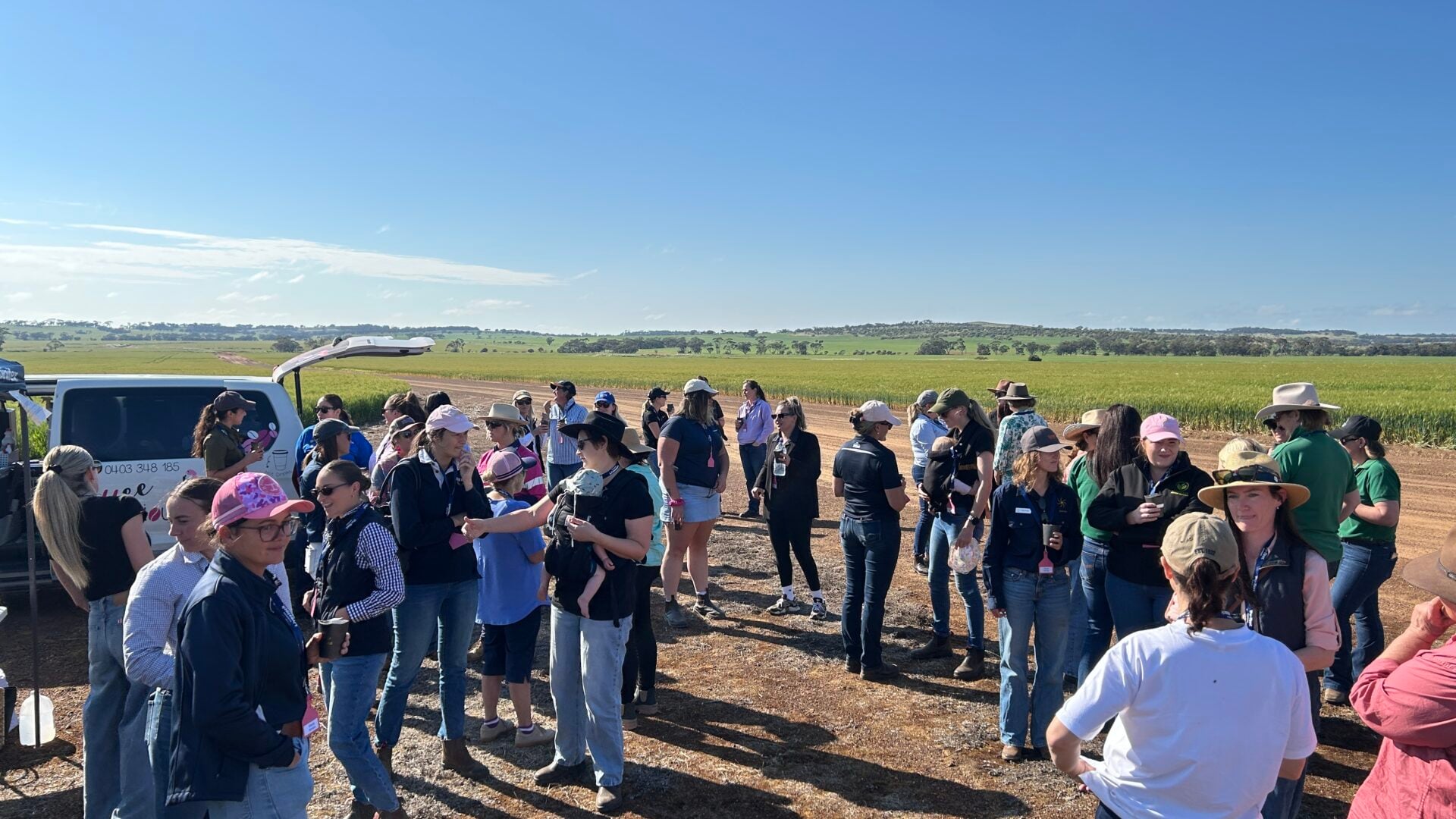
Dandaragan | Hosted by West Midlands Group
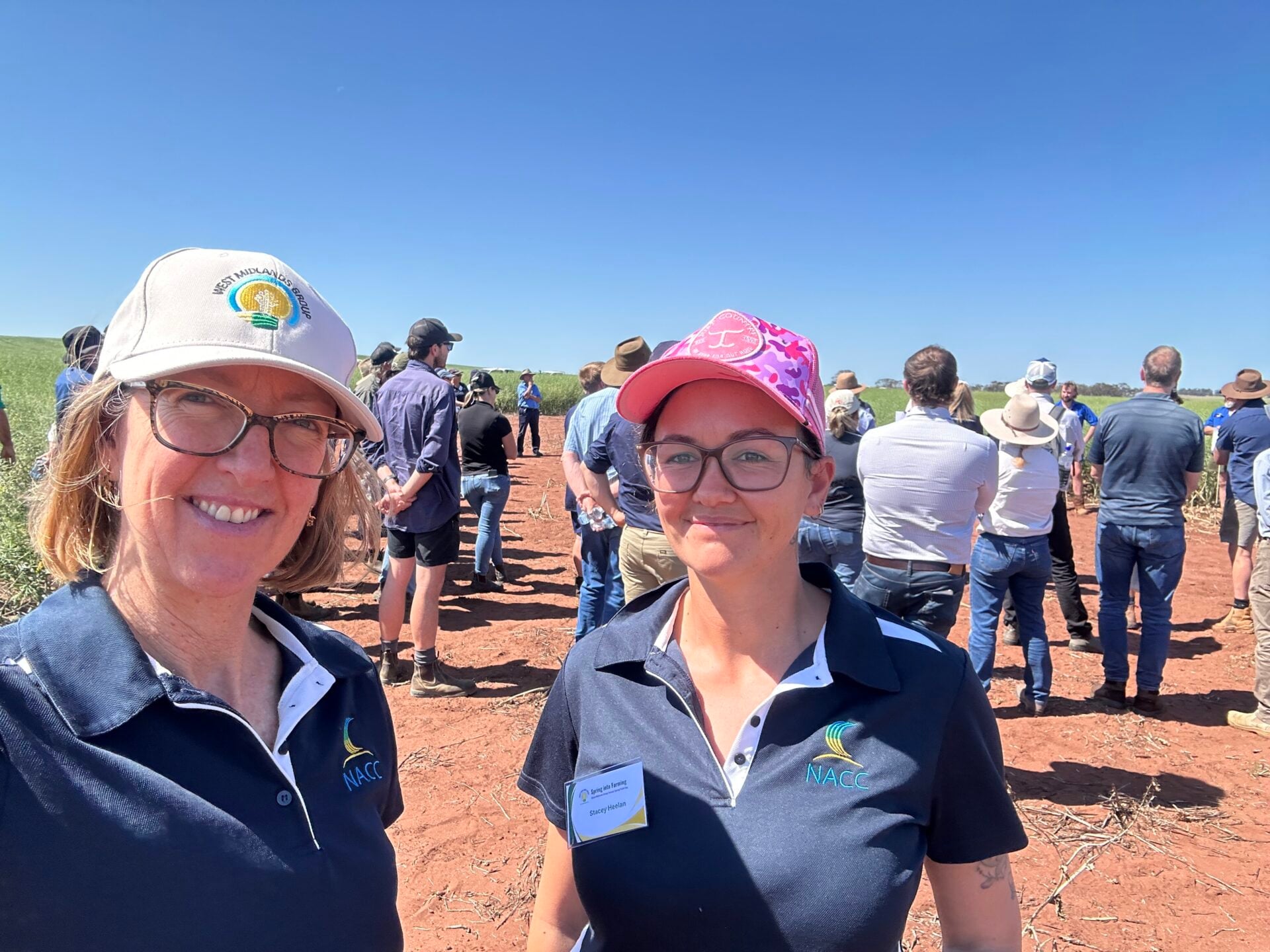
The West Midlands Group spring field day returned in style this year, with Spring into Farming, a well-balanced field day that reflected the mixed farming systems that are more prominent in that area.
Nick Eyres led a session about the synergies in mixed systems, exploring the benefits and characteristics of legume pasture species, in particular. Key takeaways were that vetch struggles on sandy soils, but where it does grow, it can leave soil with higher nitrogen (N) levels for improved subsequent crops and well-fed livestock. It is a strong seed and has proven to be effective for establishing post-cropping pasture; when buried in March/April, it can produce feed by the start of June. Seredella, on the other hand, is a great pasture legume for sandy soils. Though low temperatures can slow down growth, it has tap roots that help bring important nutrients up from the subsoil.
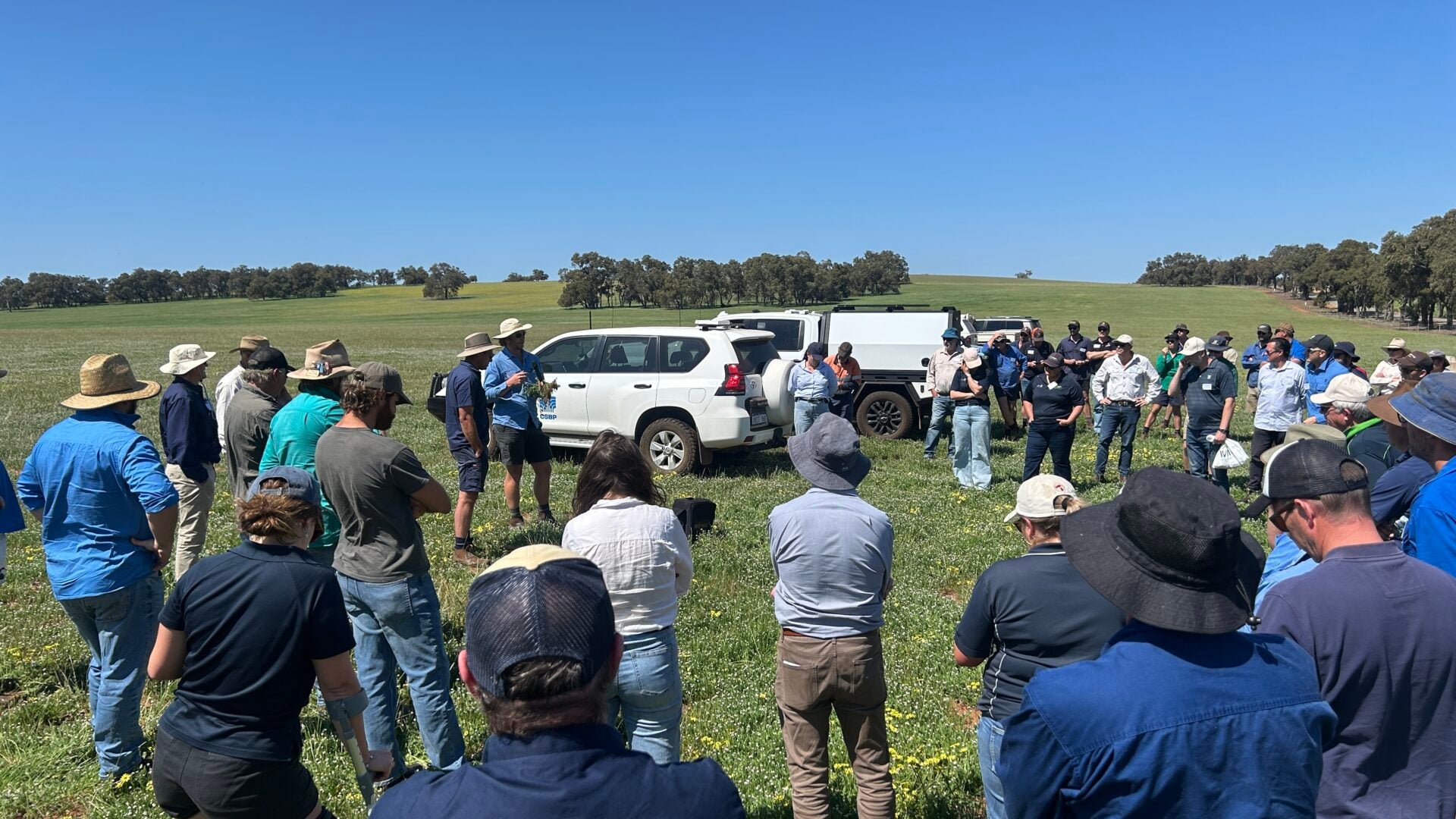
Three Springs | Hosted by Three Springs Farm Innovation Network
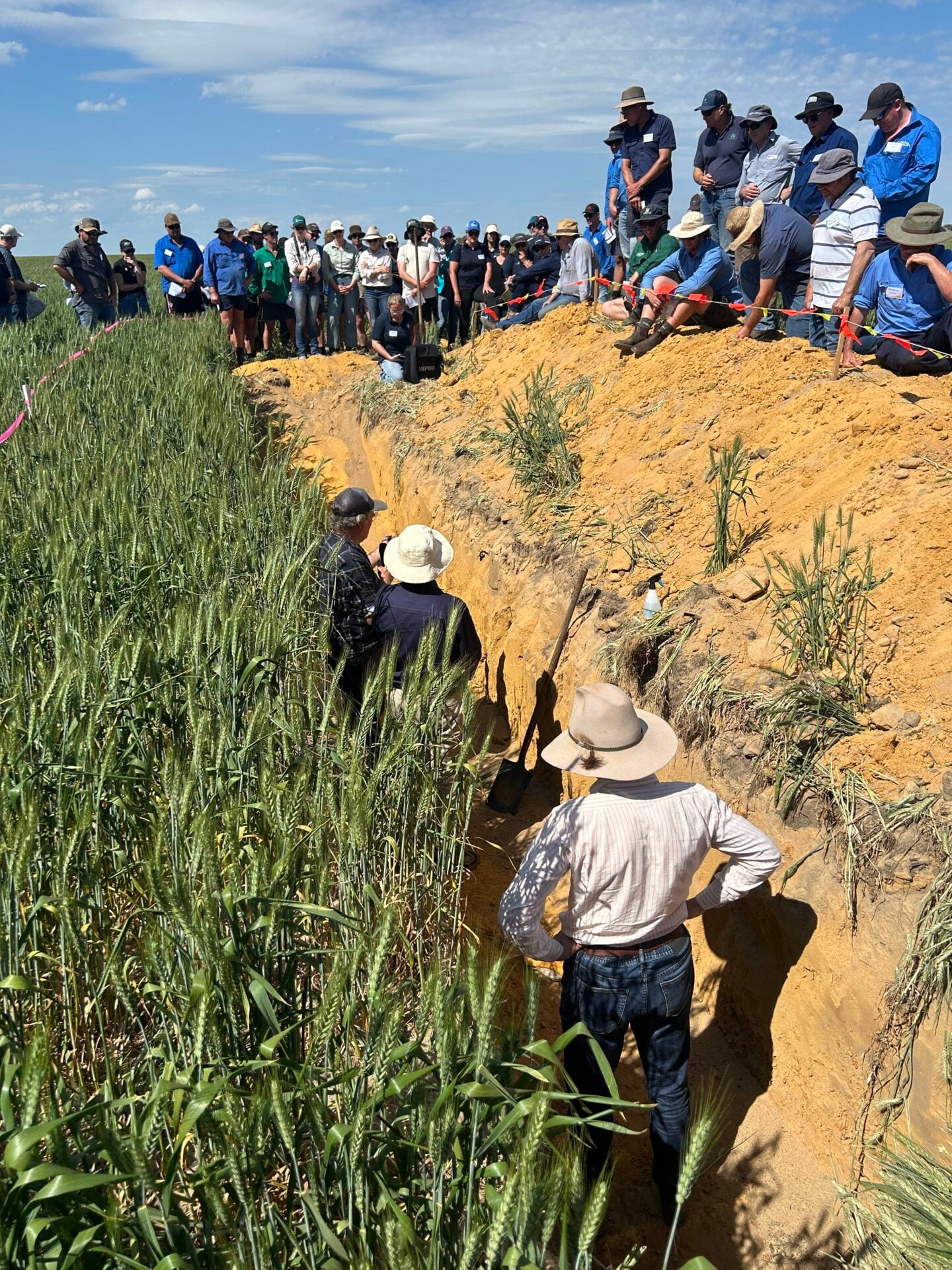
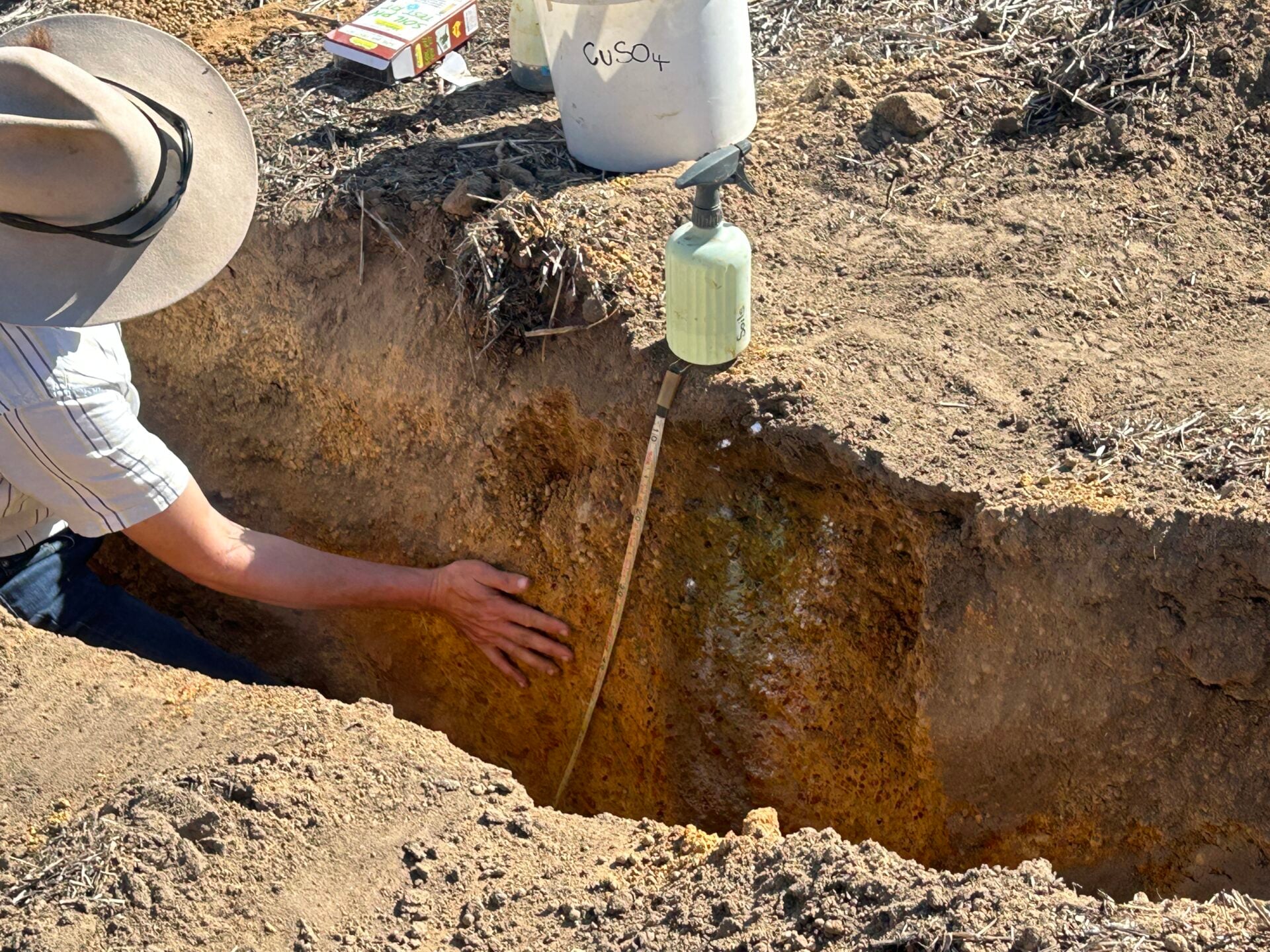
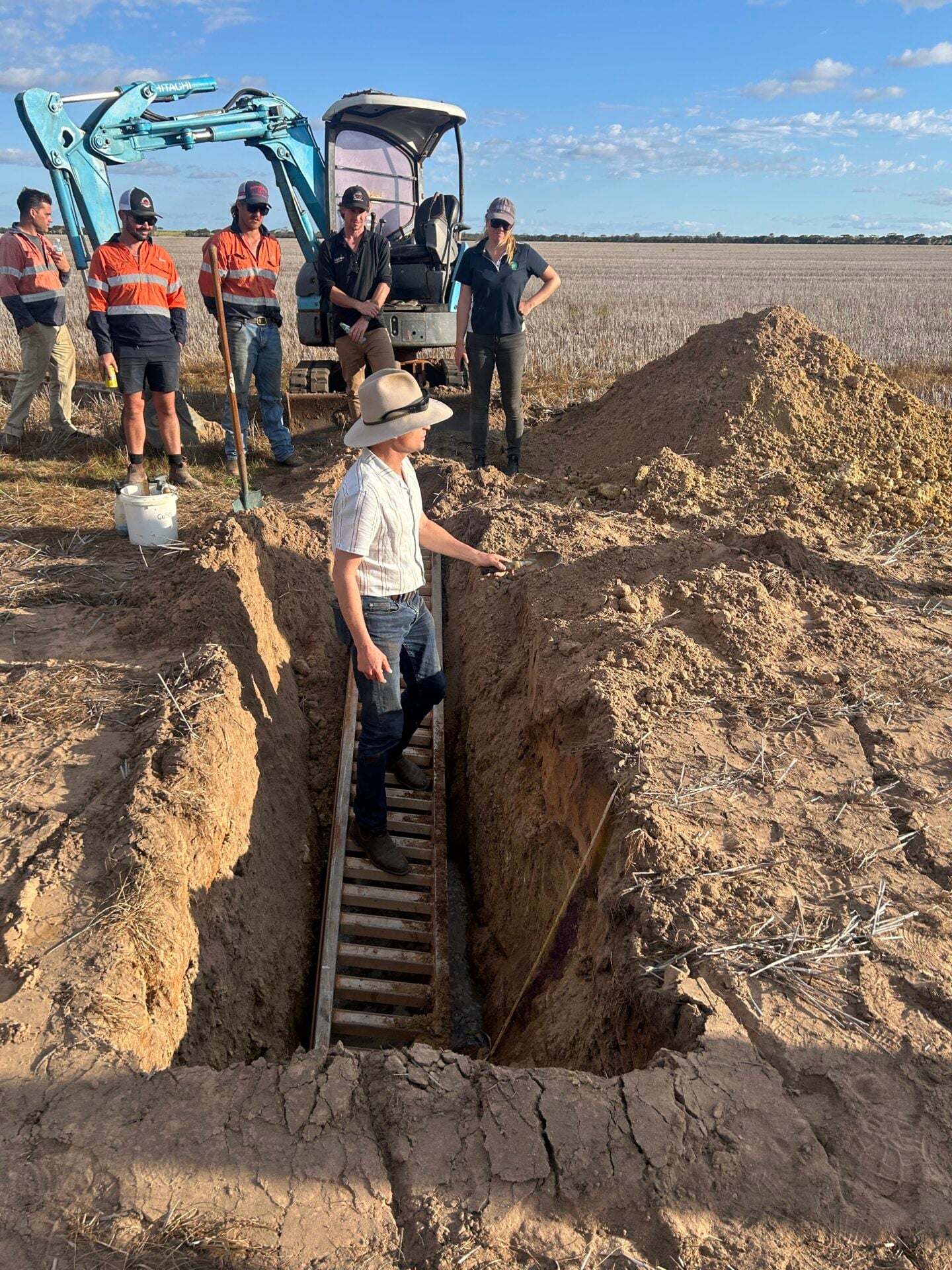
Three Springs Farm Innovation Network (3FIN)’s Inquest out West event later in September highlighted the variability of soil our growers contend with. On display – and under investigation – were two soil pits; the ‘good’ paddock pit and the ‘problematic’ paddock pit.
The ‘good’ pit was comprised of approximately 75% gravel, particularly in the subsoil layer, with the remaining soil consisting of approximately 8% clay and the rest sand. On the contrary, the ‘problematic’ pit, prone to water logging, had a thick topsoil layer of sand with a deep sodic clay subsoil and, of course, water pooling in the bottom of the pit!
Another very interesting stop was at a biological benchmarking trial, where plots were carefully designed to measure the benefits of several biostimulants, (including BiOWiSH) applied alongside varying levels of nitrogen. This trial is definitely one to watch.
With harvest now underway in the north of our region, the 3FIN event was a fitting way to wrap up a busy six weeks of getting out and about, learning, observing, meeting people and getting a better understanding of current ag challenges, issues and opportunities. The diversity of soils observed on just one farm was a stark reminder that successful farming demands a high level of customisation in-paddock and constant trial and adaptation.
Across the agricultural community, and against the backdrop of a changing climate, there is a growing understanding of how agricultural practices can affect long-term landscape resilience and the importance of continued adaptions for optimal soil health and financial outcomes. It’s a crucial time to be sharing the latest innovations in climate-smart agriculture and encouraging sustainable practices that will help keep our land productive well into the future.
Spring is always a busy period for NACC NRM’s Sustainable Agriculture team, but it’s even more rewarding to travel the region, meet landholders, network with industry stakeholders, and hear about new innovative ideas. That’s a wrap on the 2026 spring field day circuit and we are already looking forward to next year’s!
Sustainable Agriculture Facilitators are supported by the Australian Government through funding from the Natural Heritage Trust under the Climate-Smart Agriculture Program.