
Awa traditionally provided language boundaries between different tribes and were also often sites of spiritual significance, used for gathering, and ceremonies. A lot of coastal tribal groups would meet at a preferred location, like a rivermouth.
In coastal regions, Aboriginal people have developed unique methods of fishing that use tools like fish traps, nets, and spears. These practices reflect a deep understanding of the ecosystems in which they live and an intimate relationship with the waters they depend on.
Beyond their spiritual significance, Irinyu (rivers) and Wilu (oceans) are vital sources of sustenance for Aboriginal people. For thousands of years, these bodies of water have provided food, medicine, and materials necessary for daily life. Rivers offer fish, freshwater, plants, and other natural resources, while the ocean can also provide freshwater holes, seafood, salt, and materials for tools and art. The knowledge of where and when to fish, hunt, and gather along rivers and coastlines is passed down through generations.
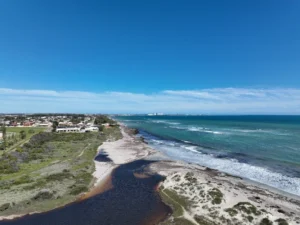

For many Aboriginal peoples in Australia, the rivers and oceans are not just sources of water or natural resources; they are sacred, living entities that have shaped their cultures, beliefs, and ways of life for thousands of years. Rivers and oceans represent more than physical spaces; they are integral to the identity of Aboriginal communities, linking them to their ancestors, traditions, and the land. To understand the significance of these bodies of water would require exploring the spiritual, cultural, and practical roles they play in Aboriginal life.
Rivers and oceans hold profound meaning for Aboriginal people. They are not simply bodies of water but sacred places that connect people to their ancestors, provide sustenance, and define cultural identity. Understanding the significance of these waterways for Aboriginal communities is essential for fostering respect, appreciation, and a deeper connection to the land. As the world faces increasing environmental challenges, it is more important than ever to listen to the wisdom of Aboriginal people and protect the waterways that sustain us all.
This project is supported by the National Indigenous Australians Agency (NIAA).