
If there is one thing scientists have discovered since they began studying the natural world, it’s that everything is interconnected. We have learned – and continue to learn – about the complex host of processes, plants and animals that all rely on each other for their continuation, each playing a unique but necessary role in the web of life. In the Northern Agricultural Region, this intricacy is reflected in the critically endangered Eucalypt Woodlands of the WA Wheatbelt.
The threatened ecological community (TEC) of Eucalypt Woodlands of the WA Wheatbelt is highly fragmented. Given that our region includes some of the most heavily cleared landscapes in Australia, with an average of at least 65% of native vegetation lost, this TEC is already under enormous pressure. Add in other threatening processes – increasing heatwave and drought conditions, decreasing rainfall, increasing salinity, weeds and pests, continued clearing and changes to fire regimes – and it may seem like a recipe for disaster. All hope is not lost, however, as an understanding of how these threatening processes interact with each other and the Wheatbelt Woodlands, allows us to prioritise management options and work to reduce their cumulative impacts.
Land clearing, mostly for agricultural purposes, would be considered the largest threat to the TEC, and is often the catalyst for many other threatening processes. One of the most well-known pressures that arises from land clearing is secondary salinity. With fewer mature trees tapping into the water table, groundwater levels rise and bring salts closer to the soil surface. A lack of shade from trees or shrubs sees groundwater evaporate, leaving only salts behind and resulting in uninhabitable soil. Not only is this detrimental to many of our region’s TEC species, but it also interferes with the growth, quality and resilience of local crops and produce.
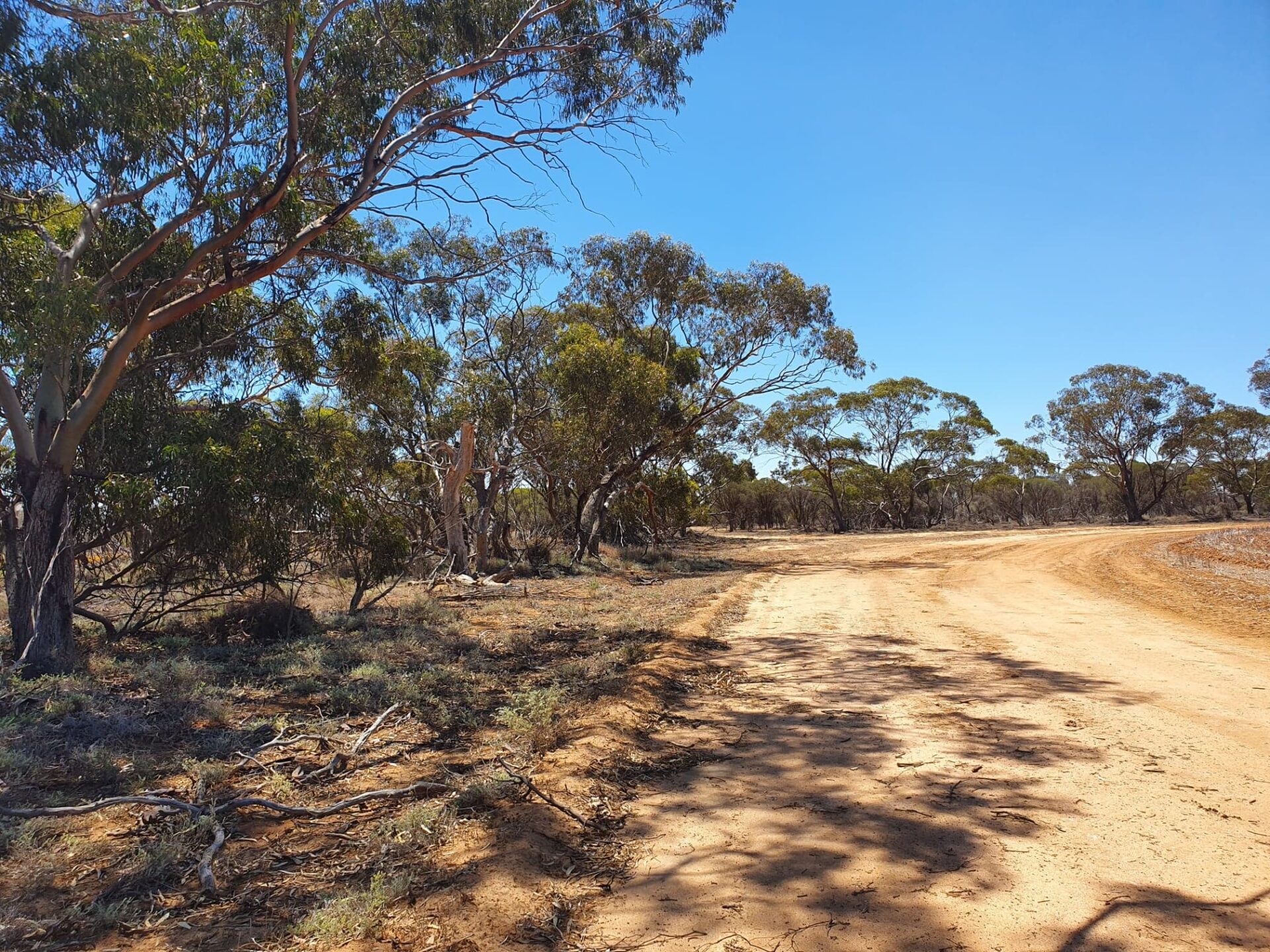


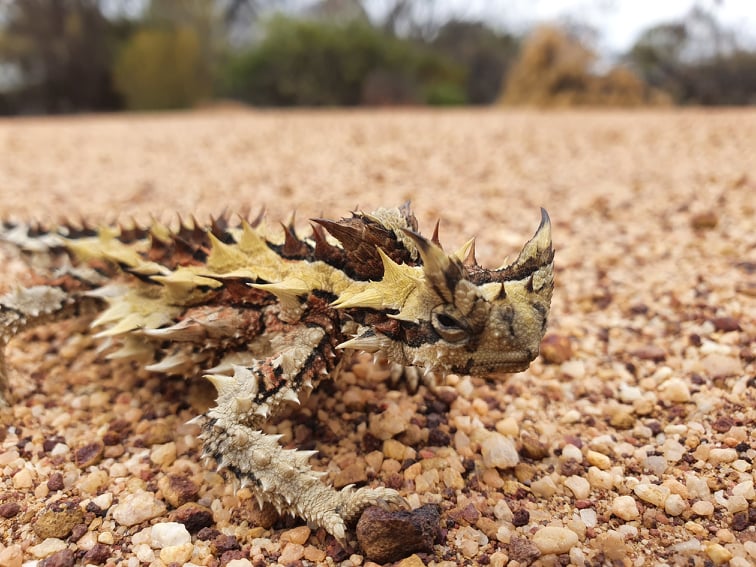
Cleared land is often stocked with sheep or cattle, which graze amongst the Eucalypt Woodlands TEC and are known to remove understorey vegetation and compact the soil. This creates areas of bare ground and favours the introduction of invasive weed species over the regeneration of TEC species. Removal of native understorey plants also impacts the survival of native animals, with a decreasing availability of desirable plants (shelter) and invertebrates (prey) for the endangered Spiny-tailed skink (Egernia stokesii badia), for example. A greater presence of weeds also attracts introduced pest species like rabbits, foxes and cats to TEC fragments, and we all know these pests tend to come with their own suite of problems.
Rabbits, like grazing livestock, will consume TEC plant species as well as weeds, while also impacting soil conditions and inhibiting regeneration of Eucalypt Woodland plants. Further to this, rabbits can attract predators such as cats and foxes, which can then become a problem for native fauna and reduce the biodiversity of TEC fragments. The combined pressures of grazing, weeds and introduced pests can leave patches of Eucalypt Woodland extremely vulnerable to the slightest pressures, meaning that any changes to climatic conditions are truly testing their survival.
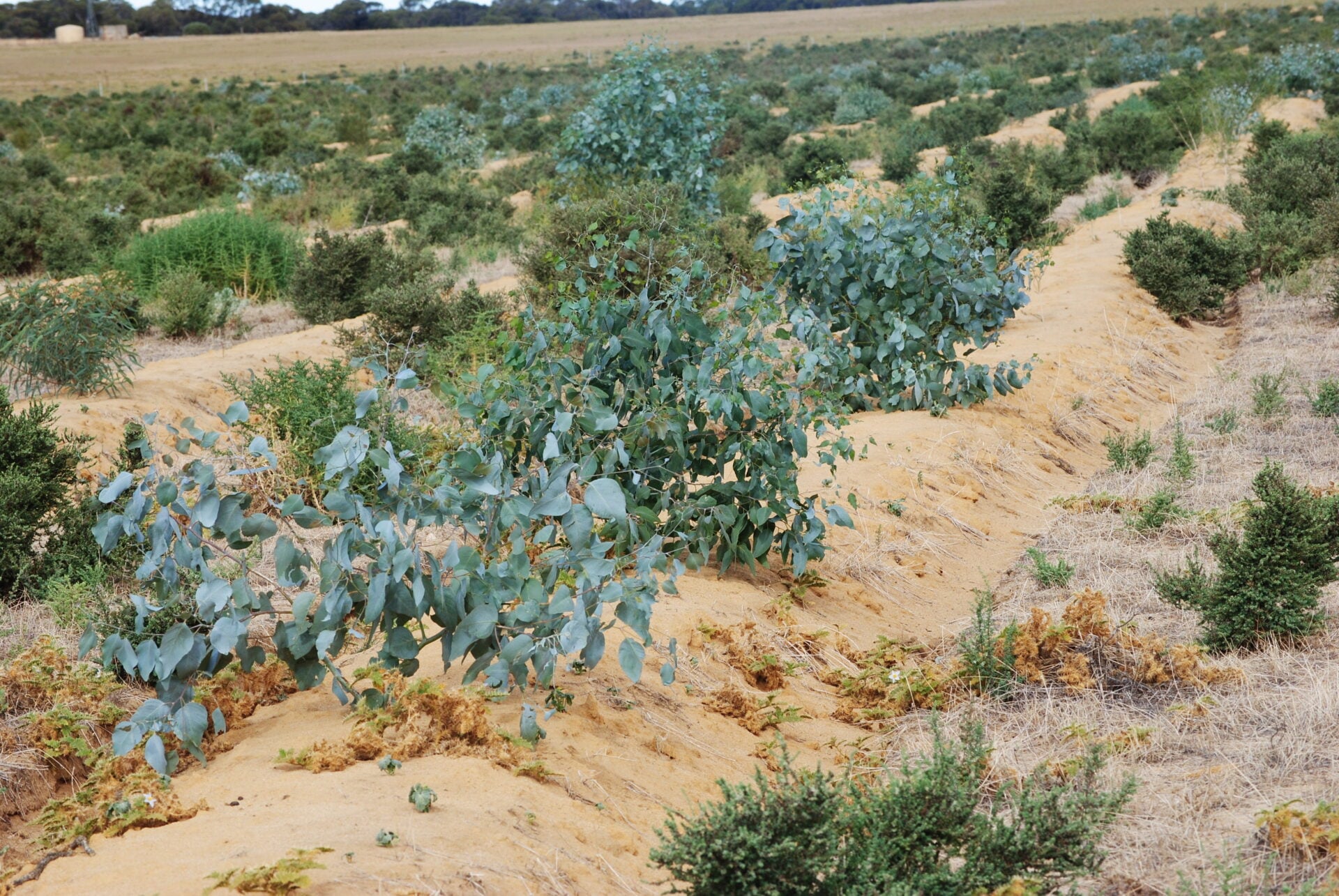
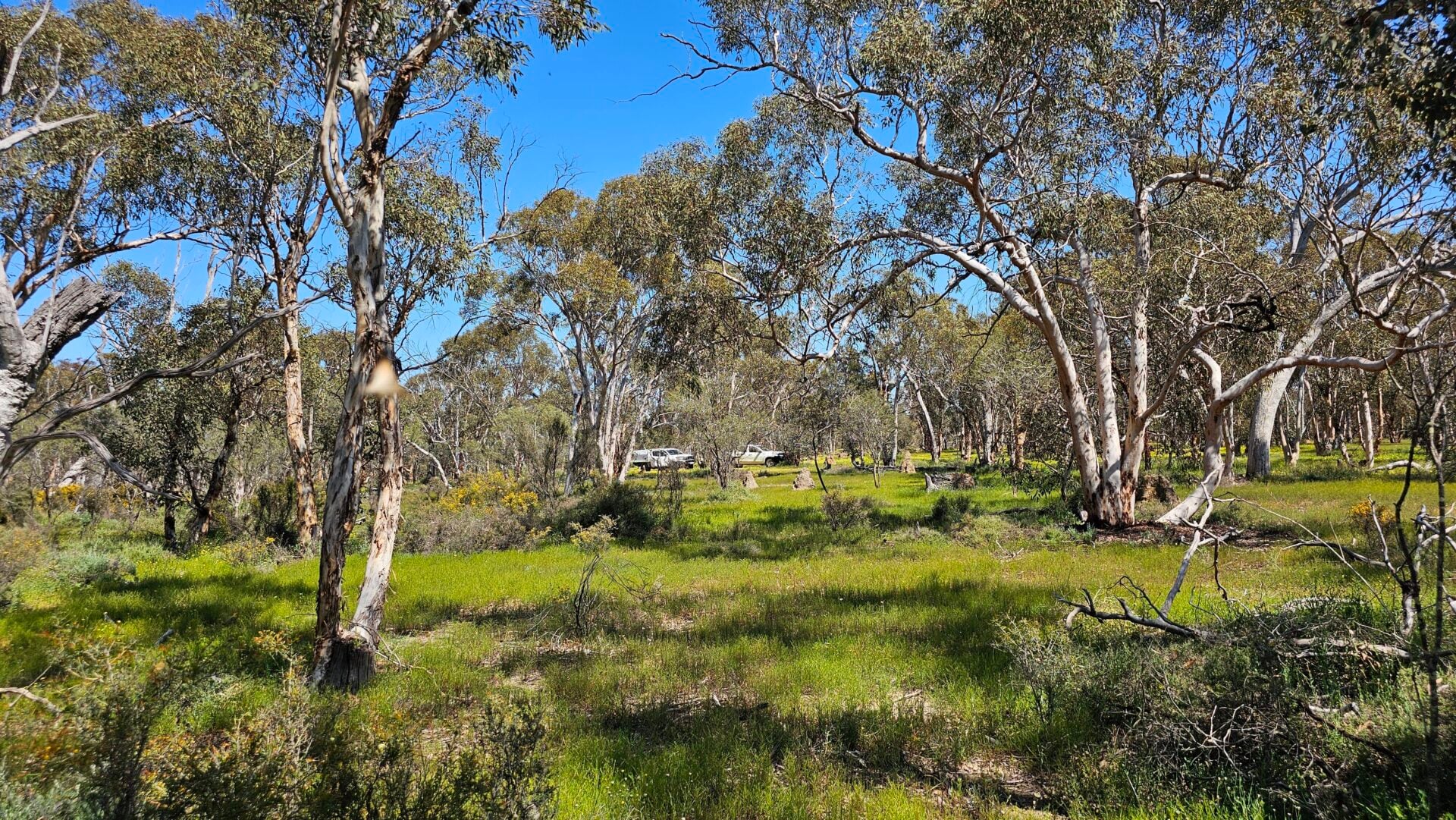
Australian flora and fauna have adapted to survive climatic extremes, be they heatwaves, droughts or severe storms. That said, the aforementioned threats to patches of Eucalypt Woodland TEC significantly reduce their resilience to withstand such extreme weather conditions. Extended periods of heat and drought can impact even established, mature trees, leaving them without enough water to sustain life. Add the effects of secondary salinity into the equation and many TEC plant species simply cannot survive. These conditions leave them weak and susceptible to damage from major storms (e.g. Cyclone Seroja) which are forecast to become more likely in the future. Additionally, the dry leaf litter and timber typical of this TEC has the potential to become fuel for fires which may make or break areas of Eucalypt Woodland.
Unfortunately, fire is a formidable threat, between the fragmentation of Eucalypt Woodland TEC and the presence of weeds and/or large leaf litter fuel loads. While fire may stimulate growth, the Wheatbelt Woodland are home to fire sensitive species such as Gimlet and Salmon gum, which are killed by even low intensity fires. Even if older plants do survive, fire can expose topsoil and leave it prone to wind and water erosion and colonisation by weeds, causing further degradation.
The survival of Wheatbelt Woodland relies on an increased awareness of these threatening processes and their associated impacts on remnant TEC areas. Continued research and a deeper understanding of the connection between these threats (and other key ecological functions within the TEC) are key to informing effective conservation and management efforts.
Land managers have the power (and a myriad of options) to make a difference in restoring Wheatbelt Woodland on their property. Fencing out livestock significantly reduces grazing pressure on the fragile woodland. Identifying sites for revegetation will connect remnant patches and allow for native wildlife to travel and even breed across the landscape. Artificial hollows and bat boxes can be installed to maintain biodiversity and provide shelter where few suitable trees may exist. Managing weeds as best as practical and reducing clearing of patches overall are also steps towards conserving Eucalypt Woodland TEC for future generations.
Remember; positive actions, no matter how small, can have big consequences in our connected, natural world.
This project is jointly funded by the Australian Government Natural Heritage Trust and NACC NRM, a member of the Commonwealth Regional Delivery Partners panel.