NACC NRM acknowledges the Traditional Owners and original natural resource managers of the land and sea country of the Northern Agricultural Region.
NACC NRM’s activities are conducted on the lands of the Yamaji and Noongar peoples; we acknowledge their elders past present and future for they hold the memories, the traditions, the culture and the hopes of Aboriginal Australia.
Highlights from our Chair, CEO and Treasurer
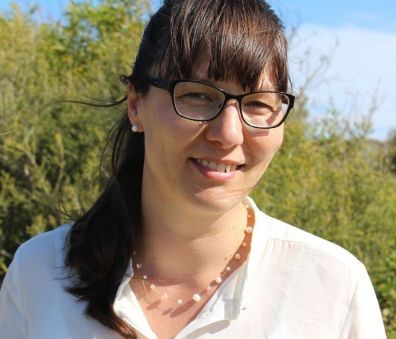
– Elisabeth McLellan, Chair
Find out what our team has been up to
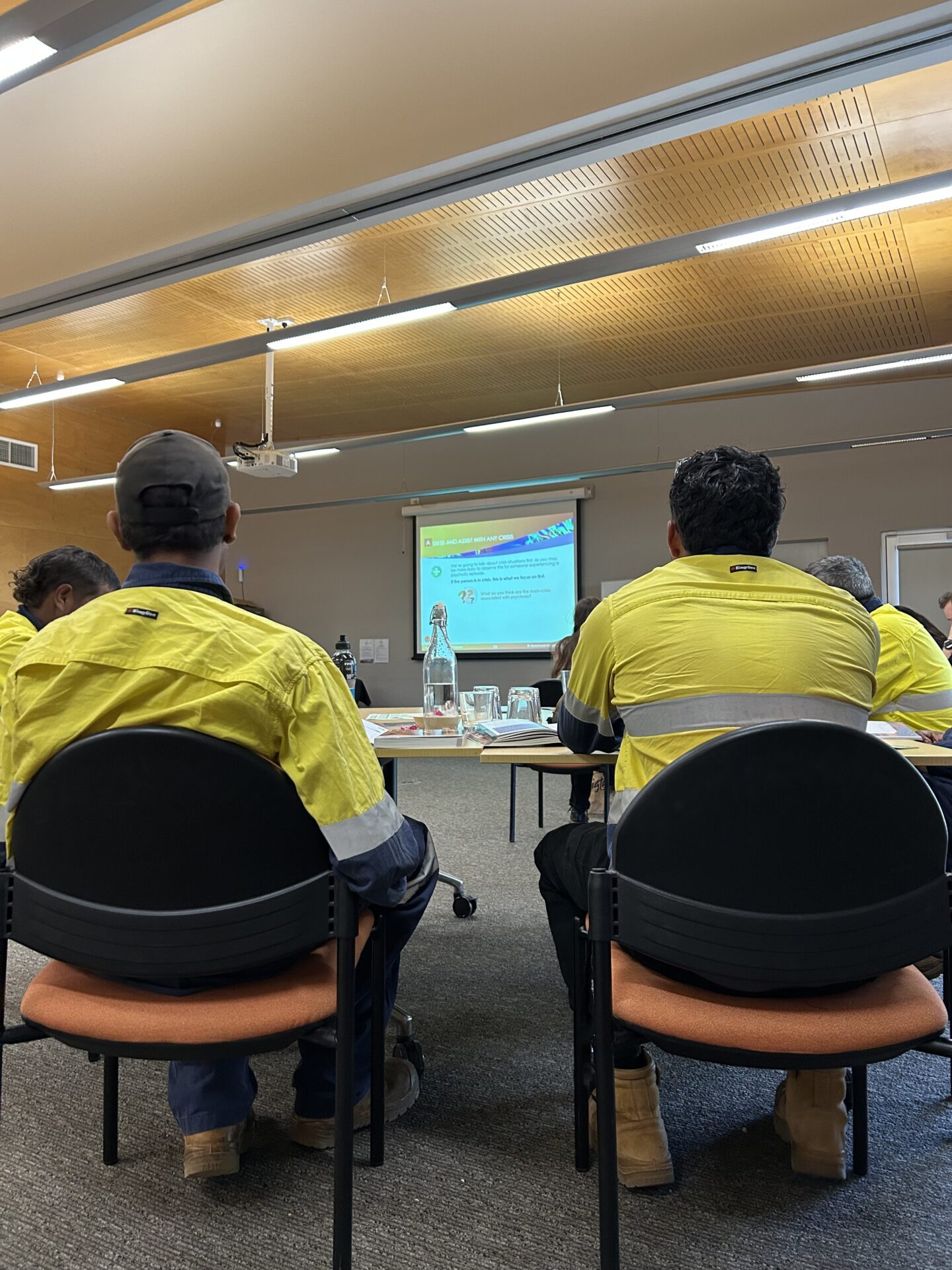
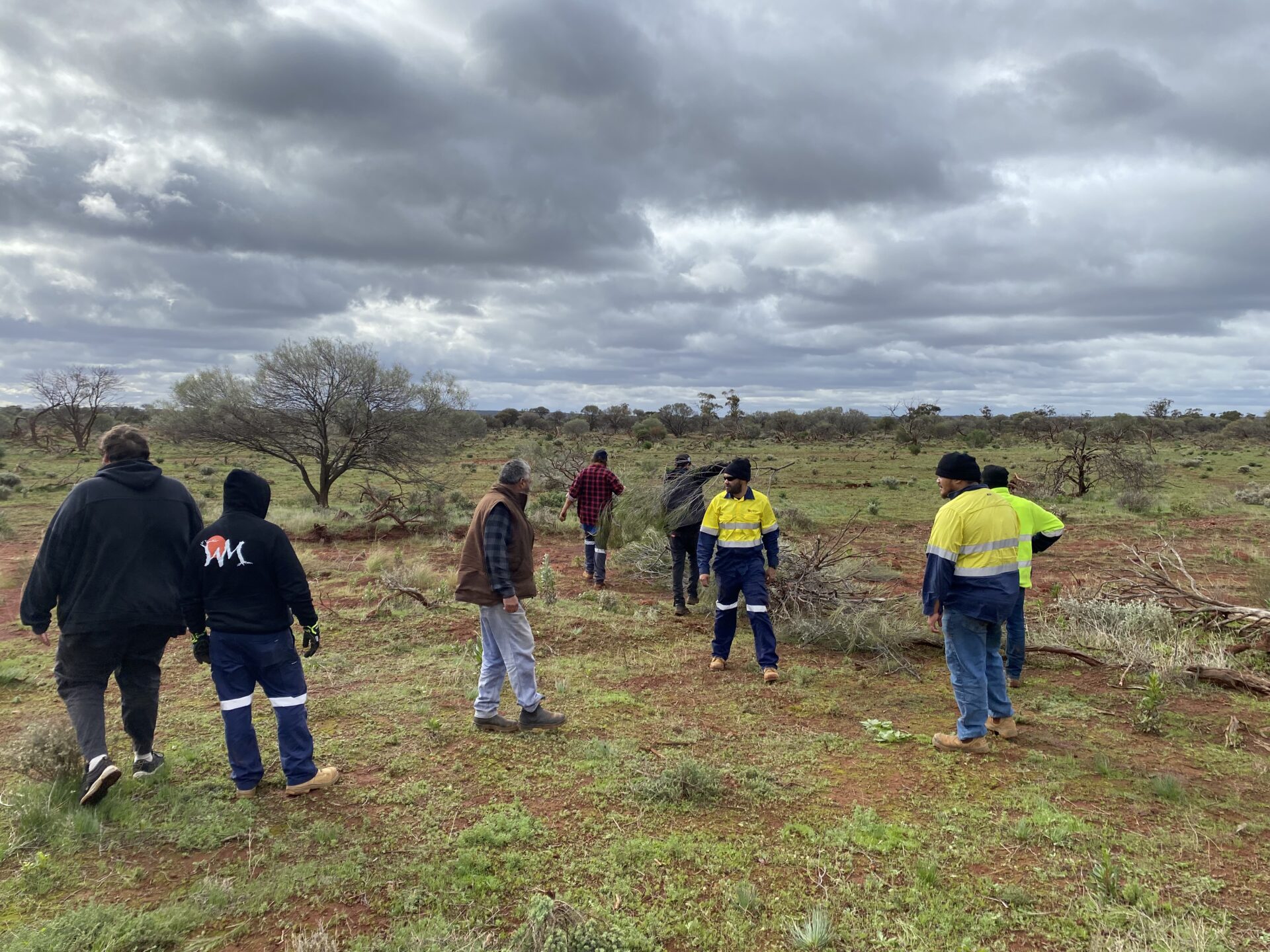
Partnering with First Nations peoples, integrating traditional knowledge and modern science to protect culture, enhance biodiversity, and sustain ecosystems.
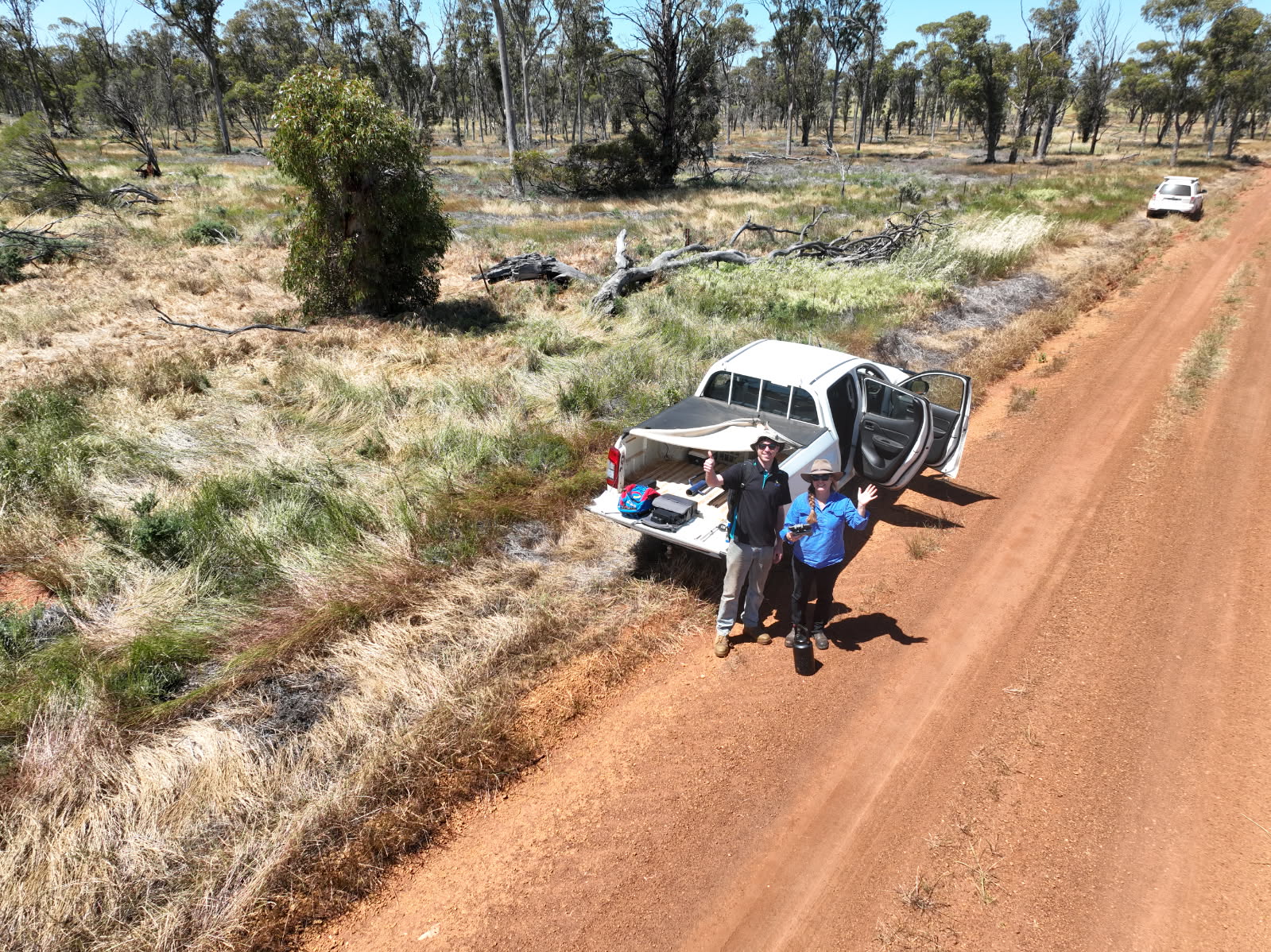
Collaborating with communities, landholders, and Aboriginal groups to protect biodiversity, conserve unique ecosystems, and sustain Northern Agricultural Region’s natural heritage
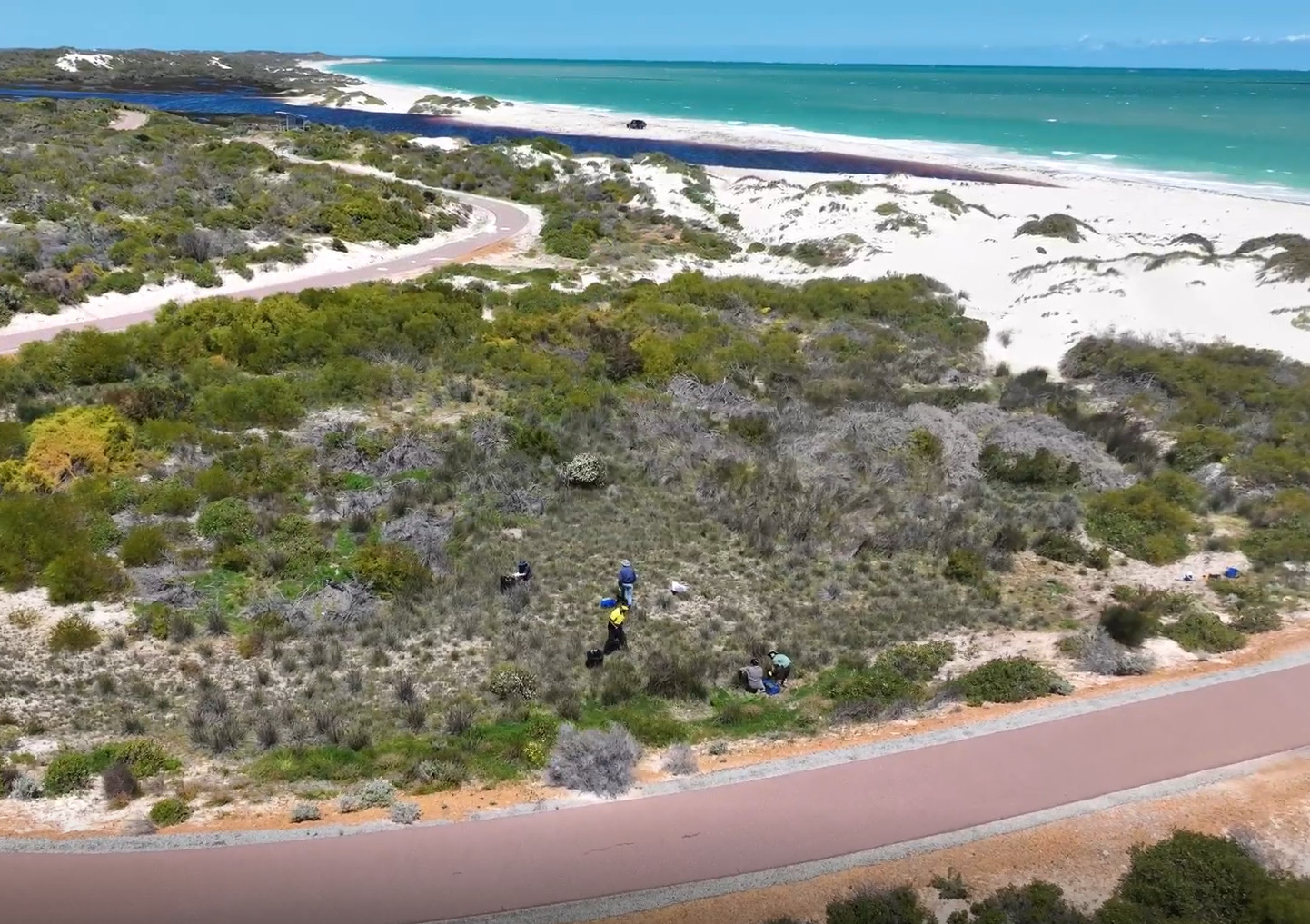
Partnering with communities, government, local groups and volunteers to conserve, rehabilitate, and protect our region’s unique coastal and marine ecosystems for future generations.
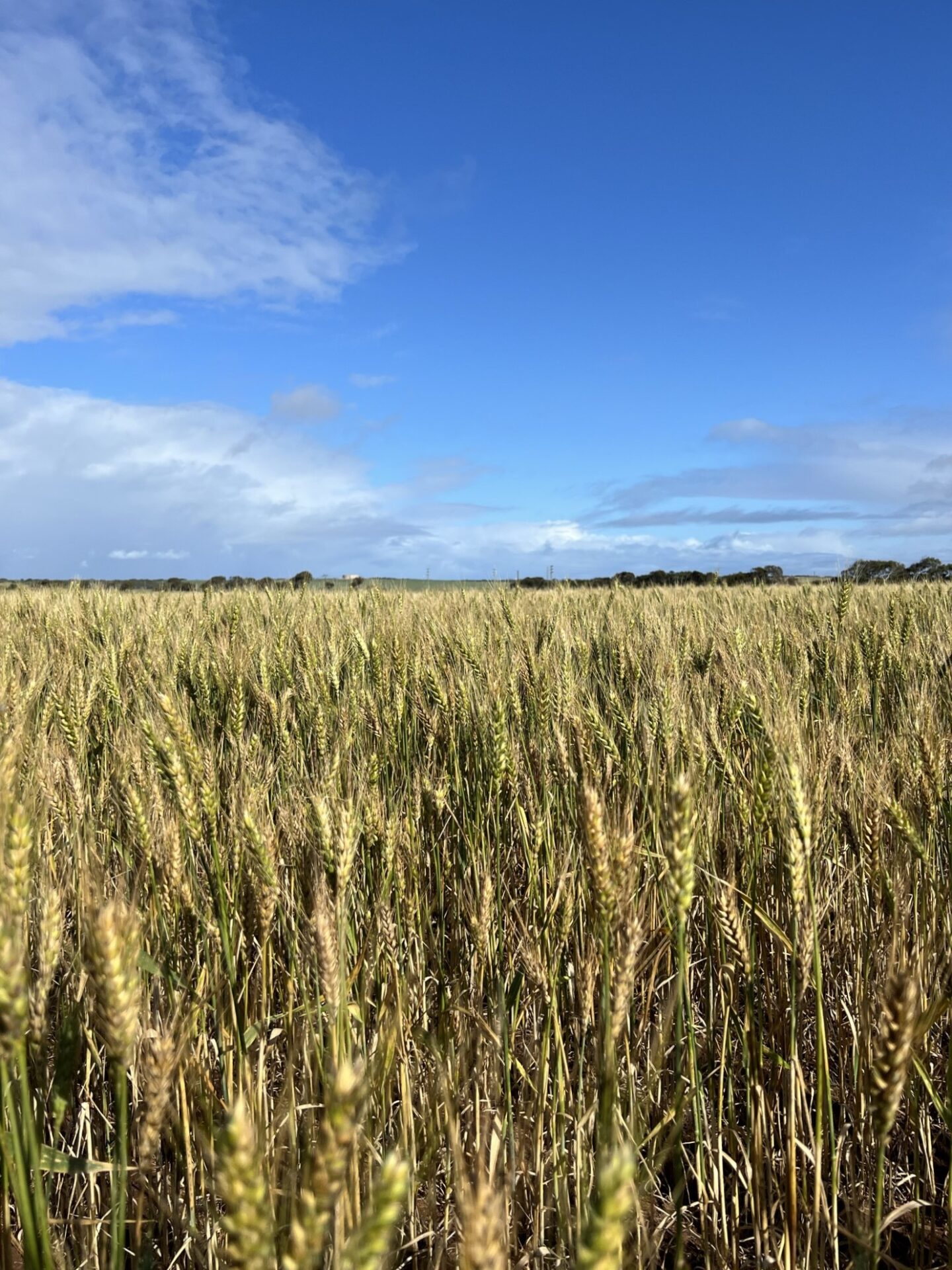
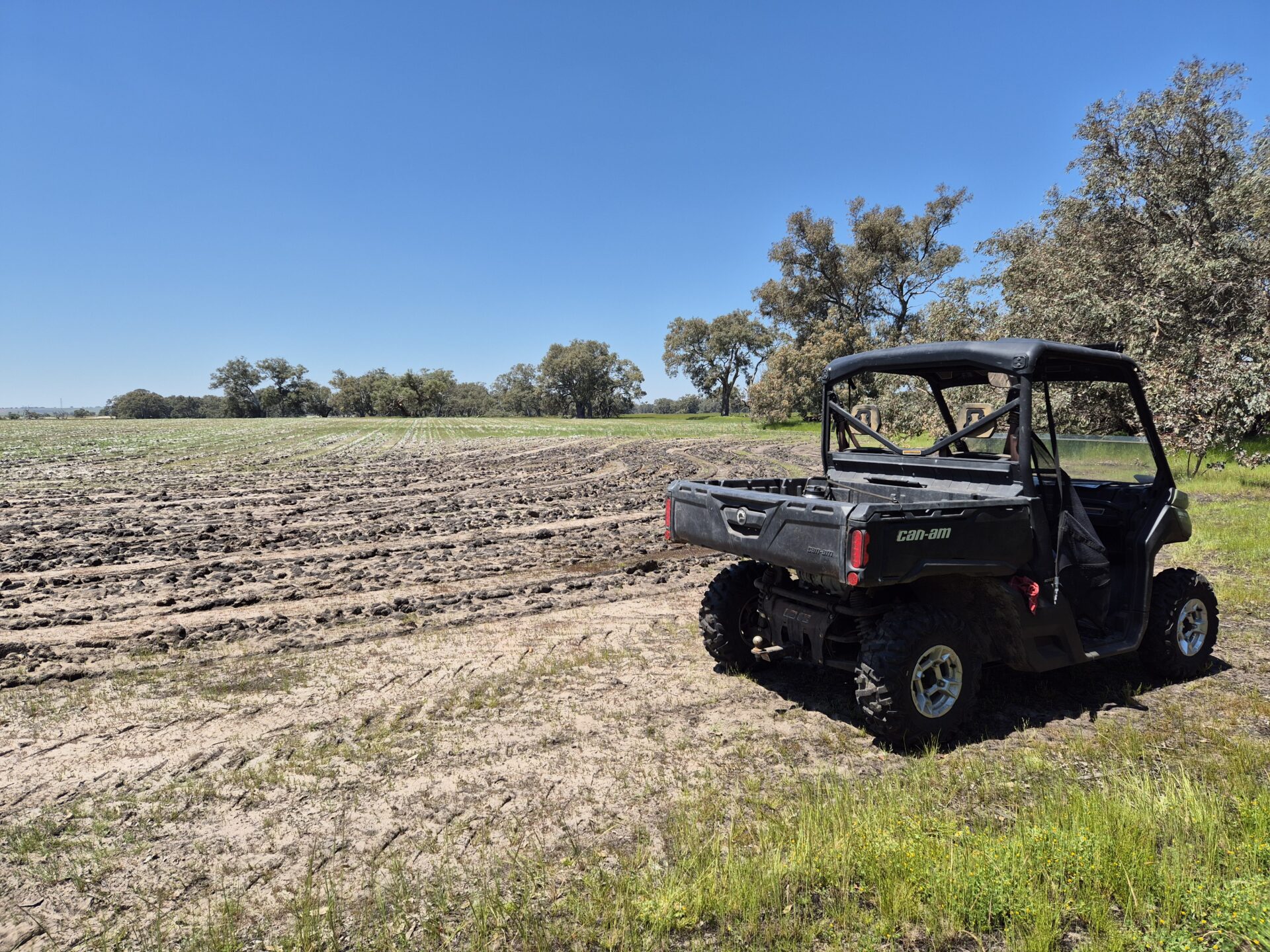
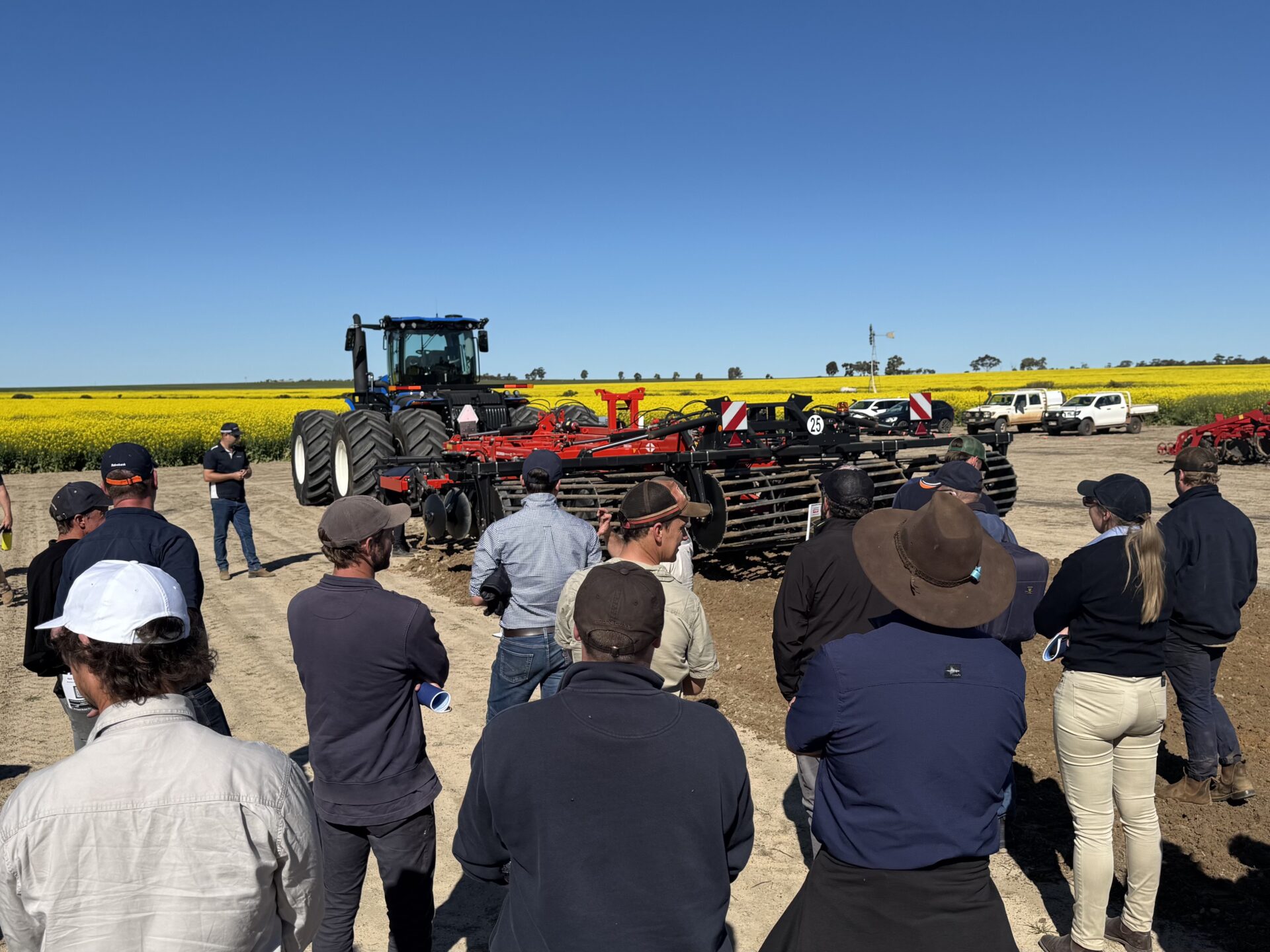
Supporting landholders and growers with resources, funding, and on-ground guidance to adopt sustainable practices, protecting natural resources and strengthening agricultural productivity.
– Katherine Allen, CEO
Read about our work with the community
Throughout the 2025/2026 financial year, NACC NRM continued to build connections with communities across the Northern Agricultural Region (NAR), creating opportunities for people to learn, share knowledge and play a role in natural resource management.
From face-to-face events and conversations with landholders to growing digital audiences and providing new ways to access information, our focus remained on strengthening community awareness of NACC NRM, regional Traditional Ecological Knowledge and NARvis, and generating opportunities for people to contribute to the future of the region.
One of the biggest developments for NACC NRM this year was the launch of our new website in April 2026. The refreshed website provides a more user-friendly way for people to discover NACC NRM, our projects, resources and opportunities to get involved. Improved search functionality and visibility mean it’s easier than ever for our community members to find and access information about natural resource management across the NAR.
Our online channels continue to play an important role in staying connected. Our monthly NACC Notes e-newsletter reached more than 2,000 contacts throughout the year, sharing regional project achievements, events, initiatives, grants and useful resources. Our social media audience numbers are also growing steadily. Instagram profile visits were 90% higher than the 2024-25 financial year, while our Facebook community grew by 146 followers – a 55% increase on the previous year. Together, these channels provide an important way to share what is happening across the region and encourage the community to engage with our work.
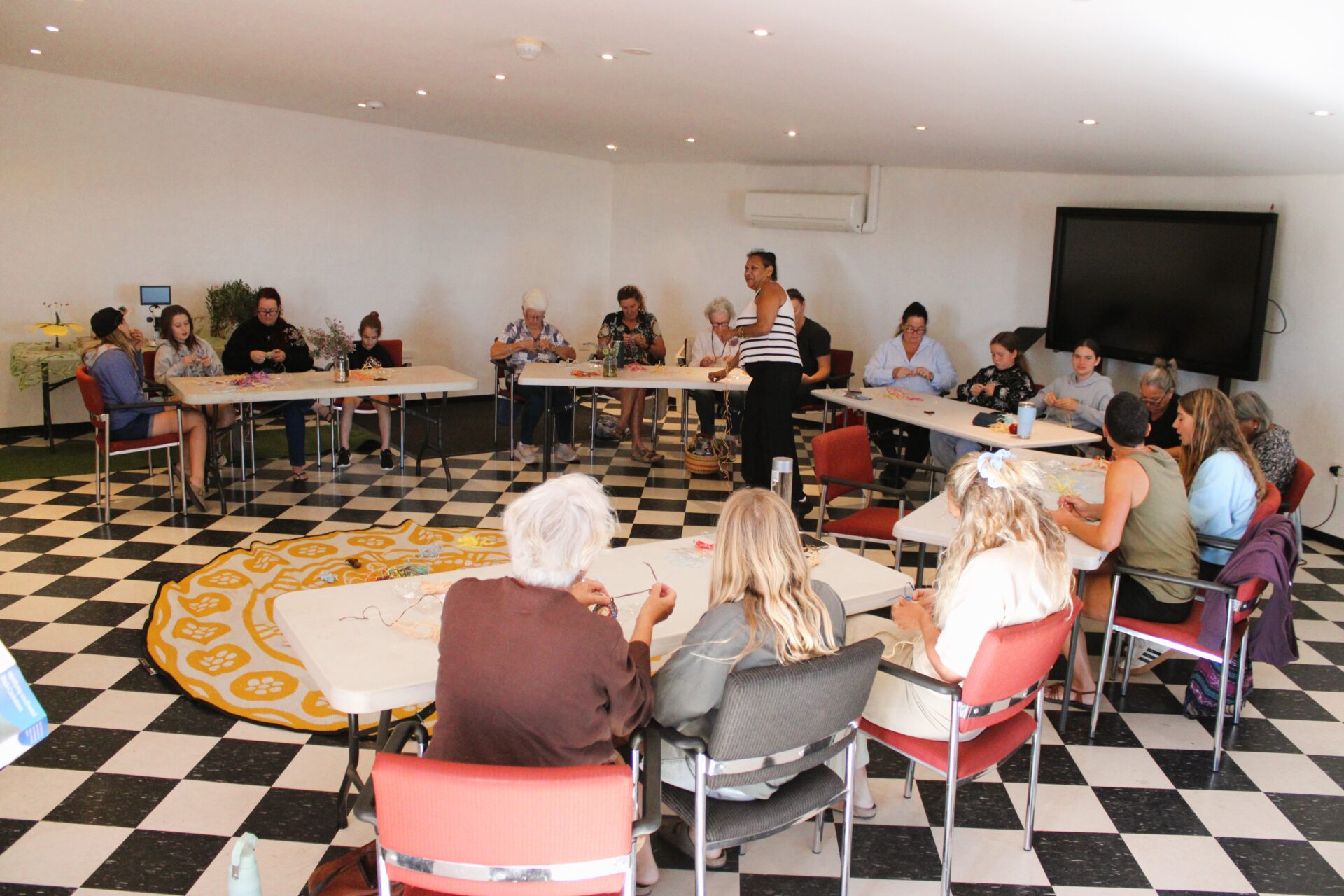
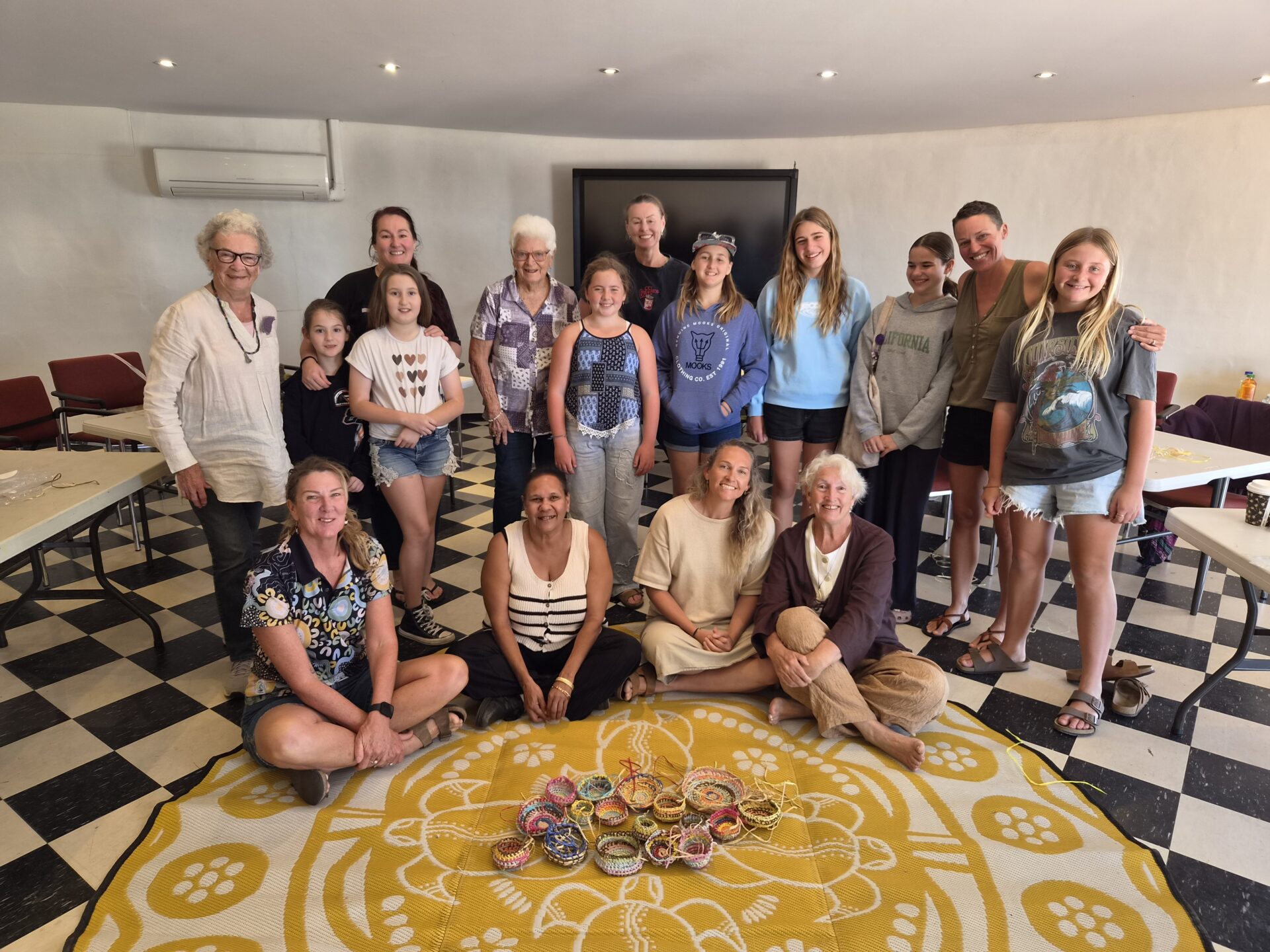
Bringing people together remained integral throughout the year, with NACC NRM leading opportunities to share knowledge, exchange experiences and strengthen regional connections. The NACC NRM Enterprise Hub continued to grow as a space for community, industry and business connection, welcoming 1,740 people through its doors during the 2025-26 financial year.
Beyond room hire, the NNEH gave NACC NRM an opportunity to host and support events that brought different parts of the community together.
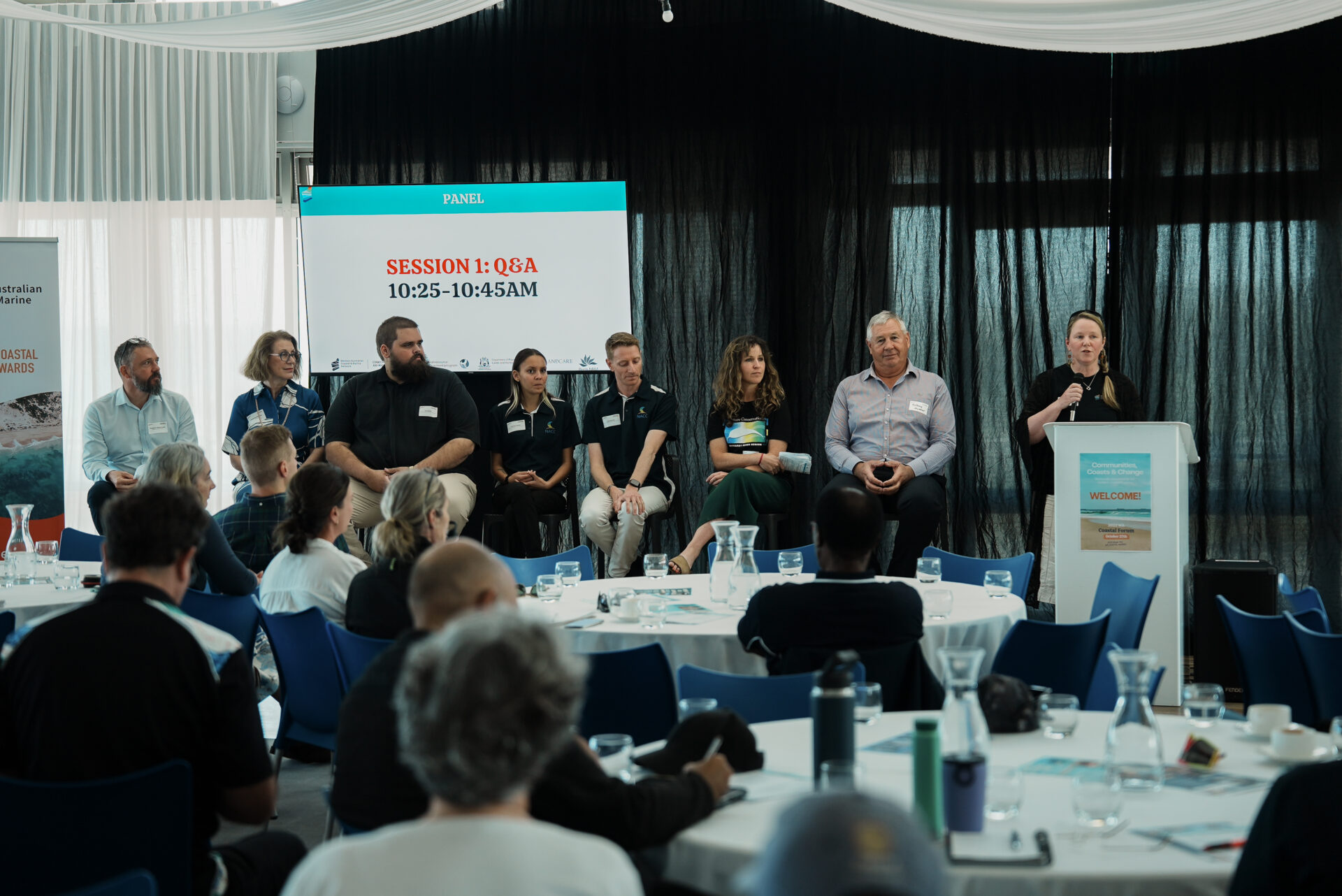
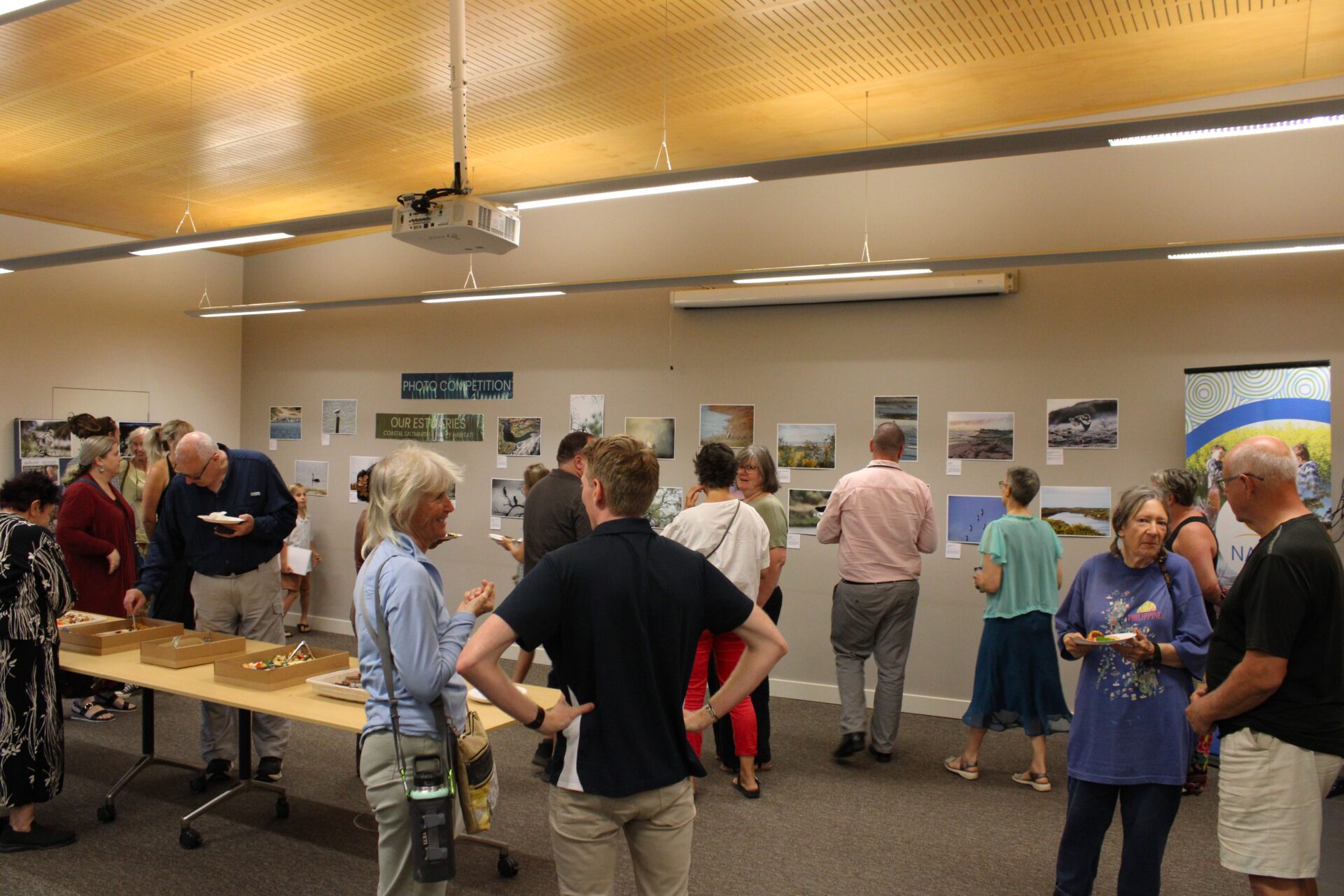
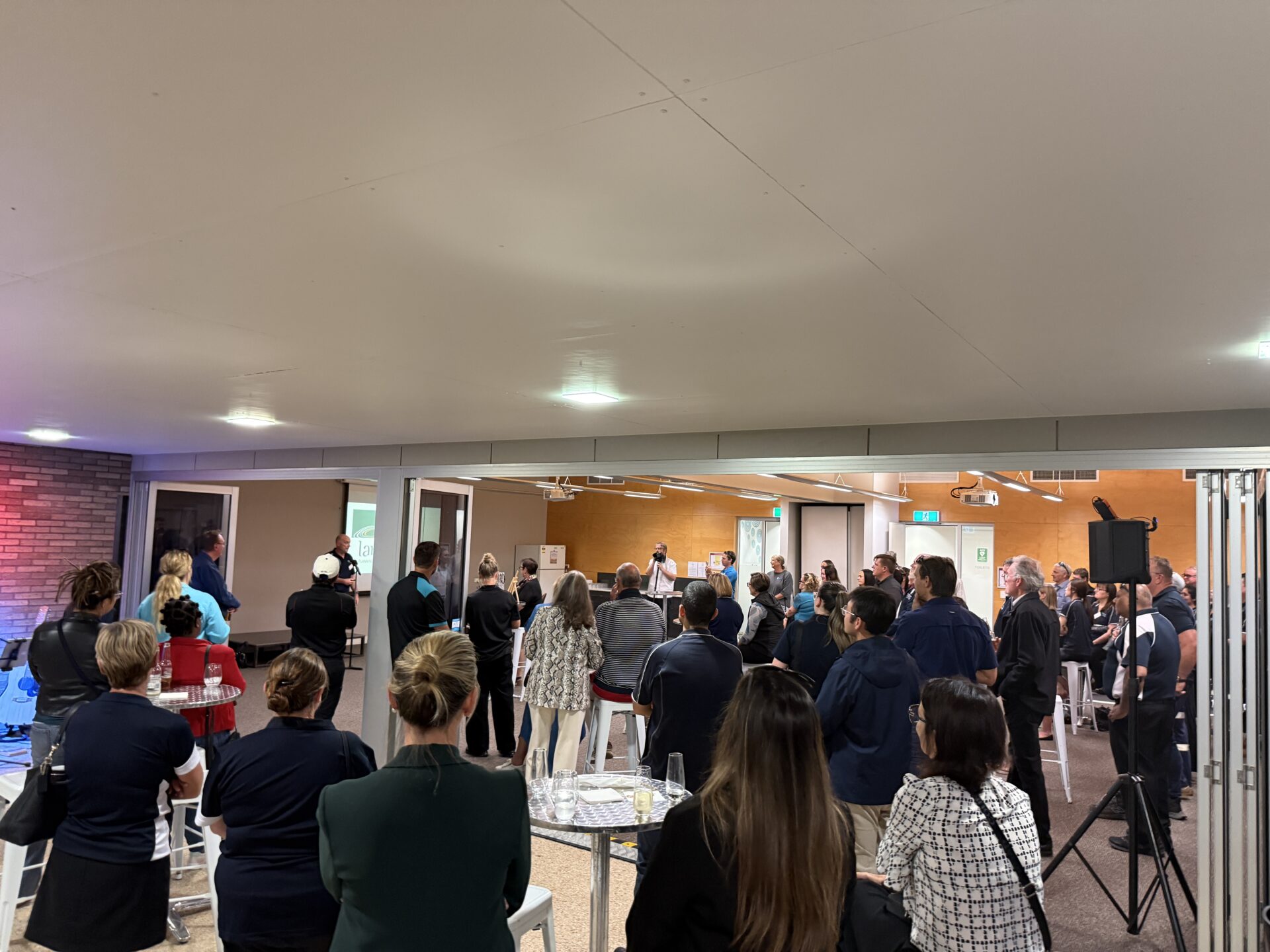
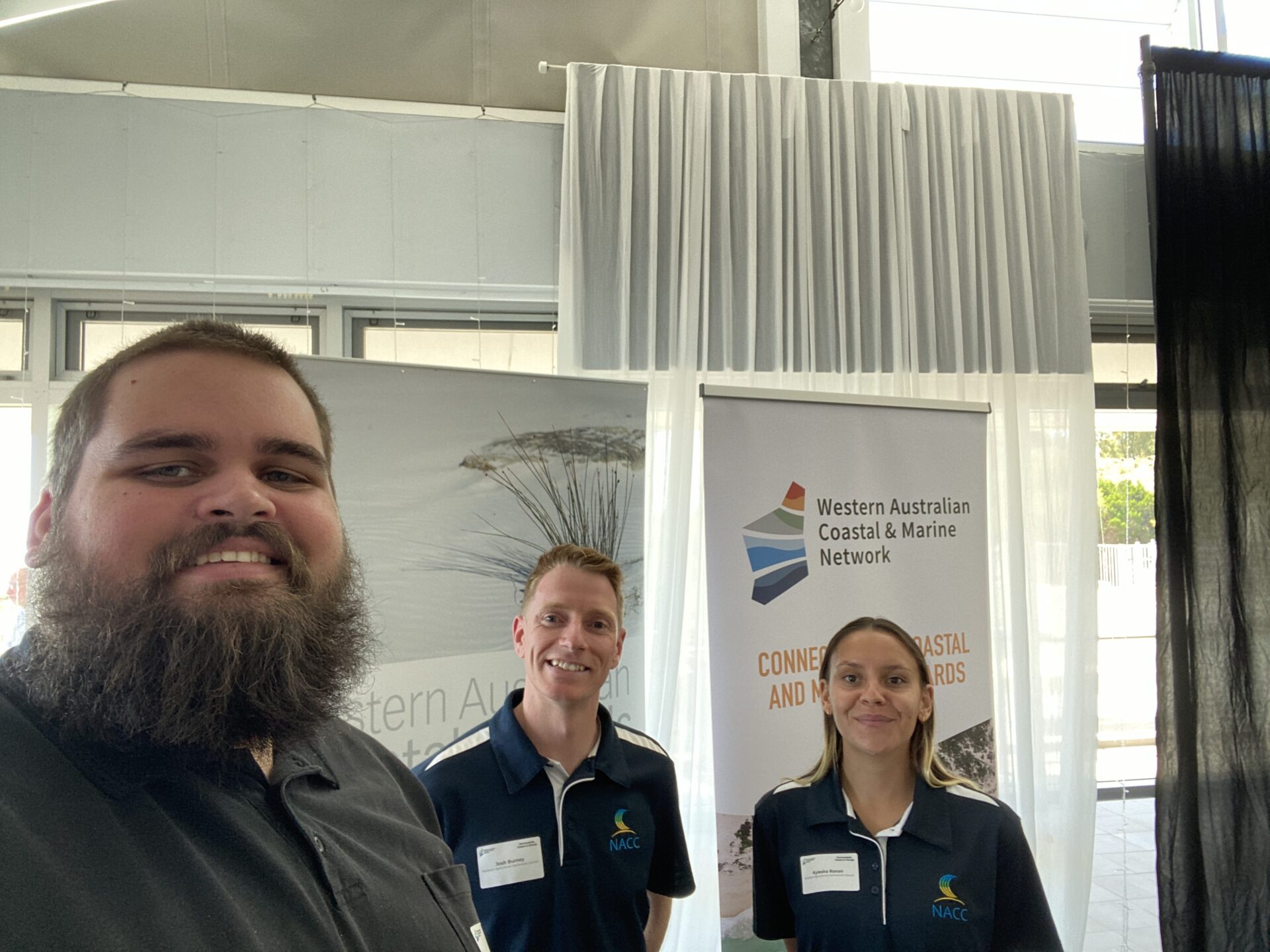
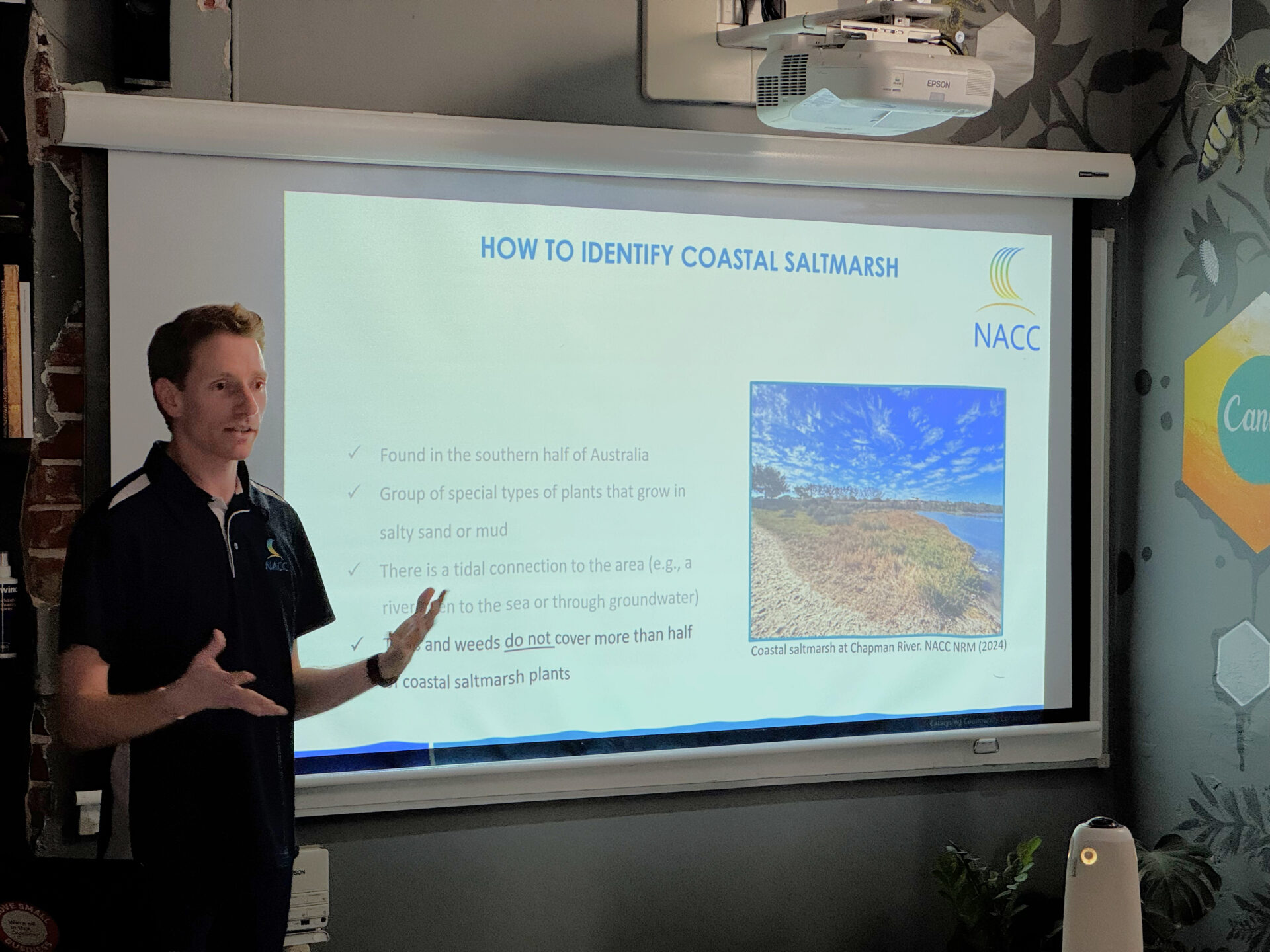
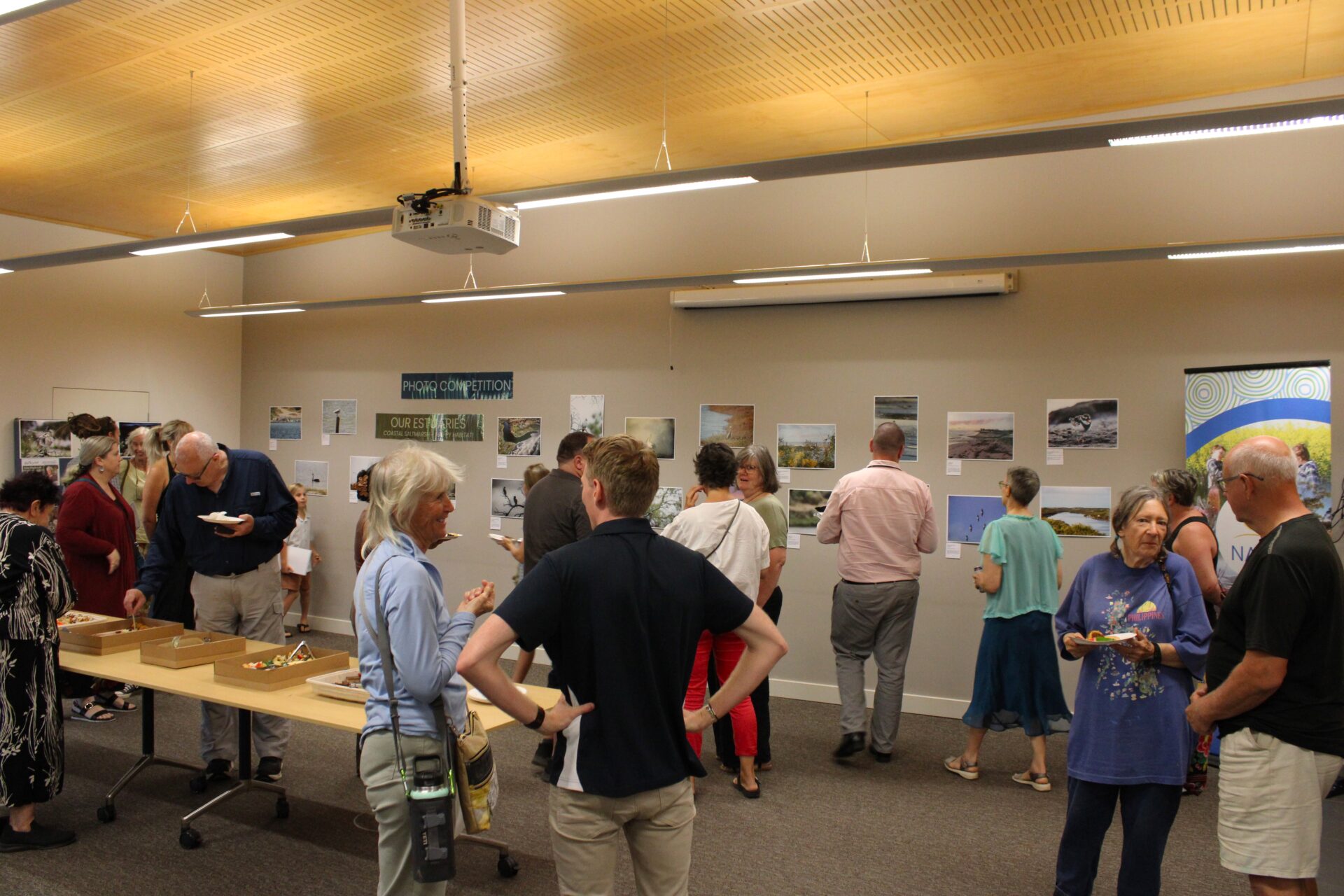
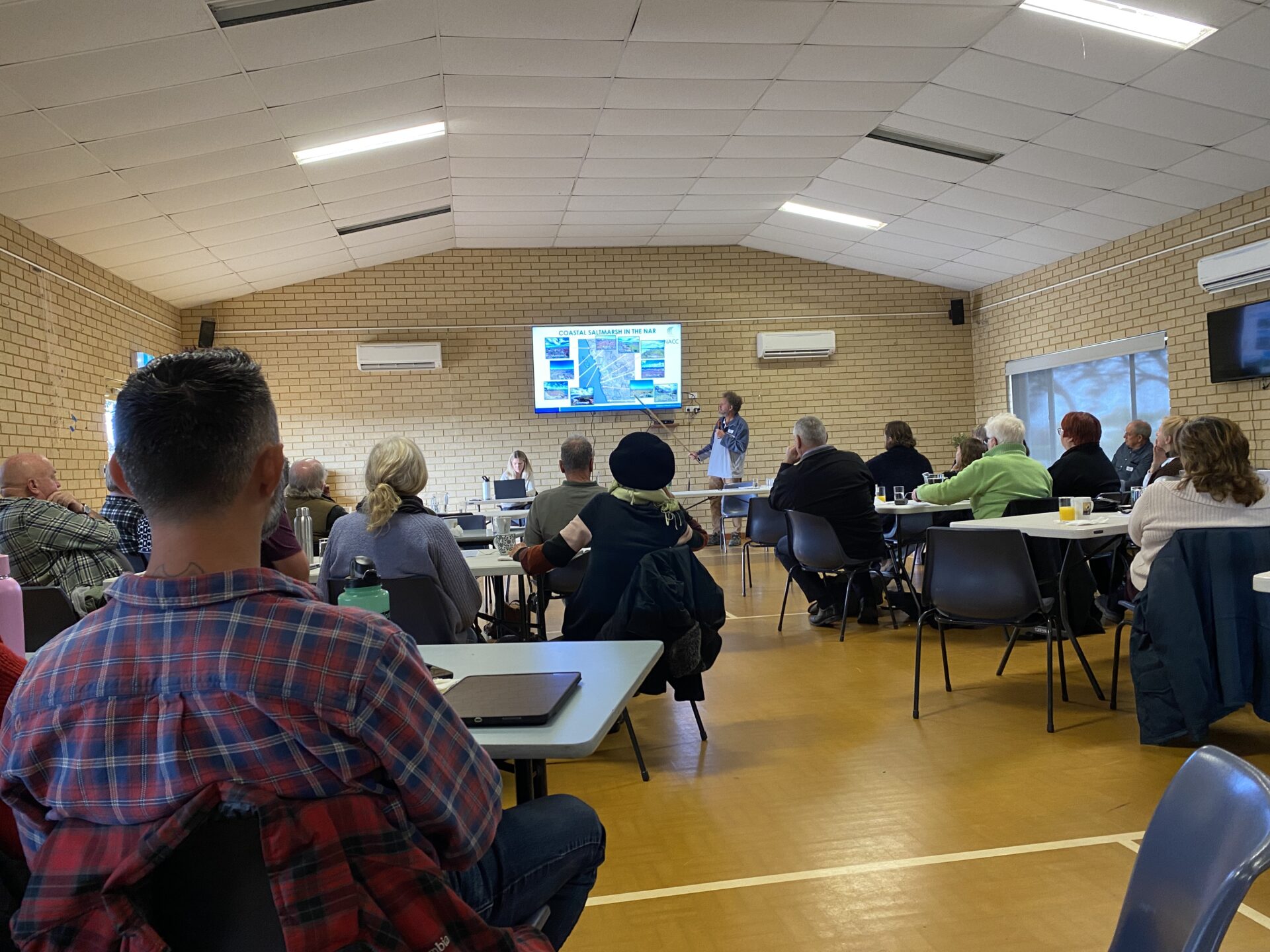
In March, our Coastal and Marine team hosted an awards sundowner, celebrating the winners of the ‘Our Estuaries’ Photo Competition. Run by Chapman River Friends and BirdLife Midwest, the competition gave the community a wonderful opportunity to connect with and celebrate the region’s estuaries, saltmarsh environments, and unique biodiversity. Photographers, community members and supporters came together to celebrate the competition, while NACC NRM’s Coastal and Marine team shared a message about the importance of Coastal Saltmarsh TEC.
NACC NRM also hosted a Business After Hours event at the end of April, organised by the Midwest Chamber of Commerce and Industry. The event was co-hosted by NACC NRM, RSM and Land Insights and welcomed more than 100 representatives of local businesses and organisations to connect at the NACC NRM Enterprise Hub.
The 2025/2026 financial year proved that as always, the support, knowledge and participation of our community are central to effective natural resource management. By creating opportunities for people to connect, contribute and share their knowledge, NACC NRM can continue to strengthen community involvement in caring for the Northern Agricultural Region.
We thank everyone who attended an event, shared their knowledge, subscribed to NACC Notes, followed our social media channels, participated in a survey or otherwise connected with NACC NRM throughout the year. As we look ahead, we remain committed to creating more opportunities for our community to connect with NACC NRM, contribute to regional natural resource management and help shape the future of the Northern Agricultural Region.
This year was a solid year of delivery under the Natural Heritage Trust contract with the Federal Government, while also continuing to pursue diversified funding through opportunities in the Environmental and Social Governance space. I encourage you to thoroughly review the program reports in the Annual Report to get a deeper understanding of the teams’ achievements across the year.
We continued to strive to achieve the NACC NRM Enterprise Hub Business Plan objectives with the aim of improving our organisational financial resilience through this additional income.
We sadly farewelled long-term staff member Dr Michael Payne, our Senior Coastal and Marine Project Officer, who left employment to pursue well-earned retirement. Mic has been with NACC NRM (on and off) since 2012 and has weathered the storms of changing government priorities which has, at times, resulted in intermittent coastal and marine program funding. Recognising the importance of this program, the Board initially reinstated the program using our financial reserves, and we are grateful to Mic for his support through this uncertain funding climate and for his commitment to NACC NRM over the years.
Throughout this time, Mic has generously mentored several young staff in the program and now leaves coastal and marine in the very capable hands of Joshua Burney. We will miss Mic’s expertise, passion, dedication and sense of humour, but we wish him all the best in his retirement.
Looking ahead to FY26-27, we will continue to deliver high-quality environmental and sustainable agriculture outcomes through our established Australian Government contracts. At the same time, we will pursue opportunities that improve our financial resilience, continue to deliver our purpose and stay true to our organisational values. We are establishing a number of useful service delivery relationships with corporate sector partners, and we look forward to these continuing to diversify our income stream.
I would like to thank the NACC NRM team, ably led by our CEO, Katherine Allen, for their continued hard work, passion and professionalism throughout this year. I would also like to thank the Board for their ongoing support and guidance. And finally, I would like to thank our numerous partners in the region and beyond, who are instrumental in helping us deliver our purpose of ensuring that the NAR community values and actively protects our natural capital by catalysing community conservation.
I look forward to working with the Board, staff and partners to continue to meet these challenges and deliver real and sustained natural resource management outcomes on the ground in 2026-27.
Throughout the Northern Agricultural Region, NACC NRM has continued to deliver practical outcomes while remaining focused on the long-term resilience of landscapes, coastlines, communities and industries that sustain our region.
This work is best understood through our programs’ achievements and the people and partnerships behind them. The following highlights provide only a snapshot of the breadth of activity delivered during the year. I encourage a thorough review of our program pages within the Annual report to garner a more comprehensive picture of organisational achievements over 2025-26.
Our Coastal and Marine program took a significant step towards securing the future of the Northern Agricultural Region’s Coastal Saltmarsh Threatened Ecological Community through the completion of the Regional Saltmarsh Management Plan 2025-2035 and targeted on-ground works. Together, these actions strengthen both the strategic direction and on-ground protection of this significant ecosystem.
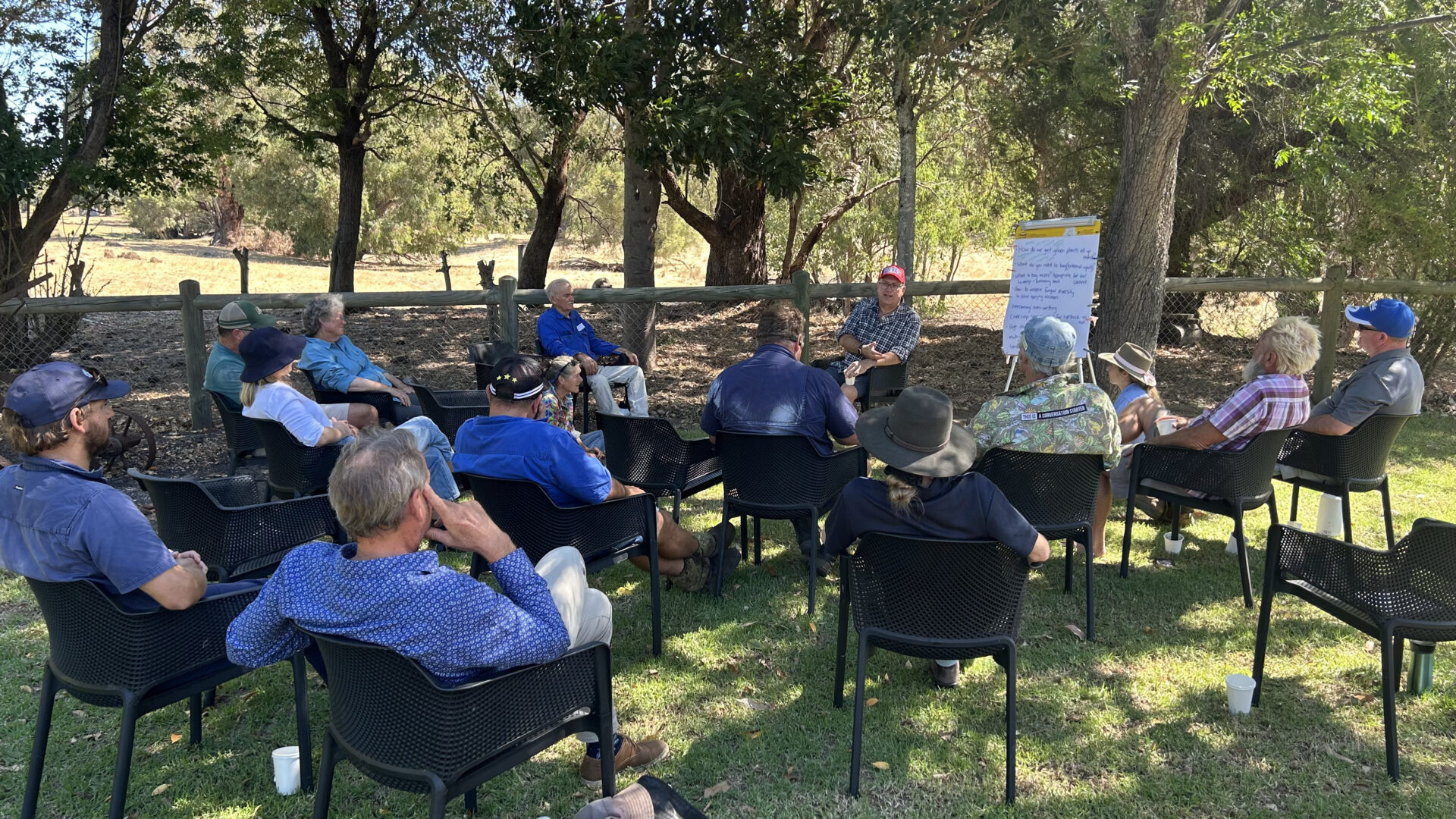
Through work undertaken by our Sustainable Agriculture team, more than 100 farmers, landholders and industry representatives engaged with Not Just Dirt: A Hidden Ecosystem, building knowledge of soil health, climate resilience and practical adaptation strategies. The momentum built around this forum led to the creation of two Resilient Farming Learning Groups and strengthened partnerships across industry, research and community sectors, laying the groundwork for lasting change in agricultural practices in the region.
Our Aboriginal Custodianship team oversaw a powerful partnership between Badimia Elders and Kaurna cultural fire practitioners from South Australia, demonstrating the value of knowledge-sharing across Country and jurisdictions. Together, they strengthened cultural fire knowledge, skills and relationships, creating a foundation for future cultural burning initiatives in the Midwest.
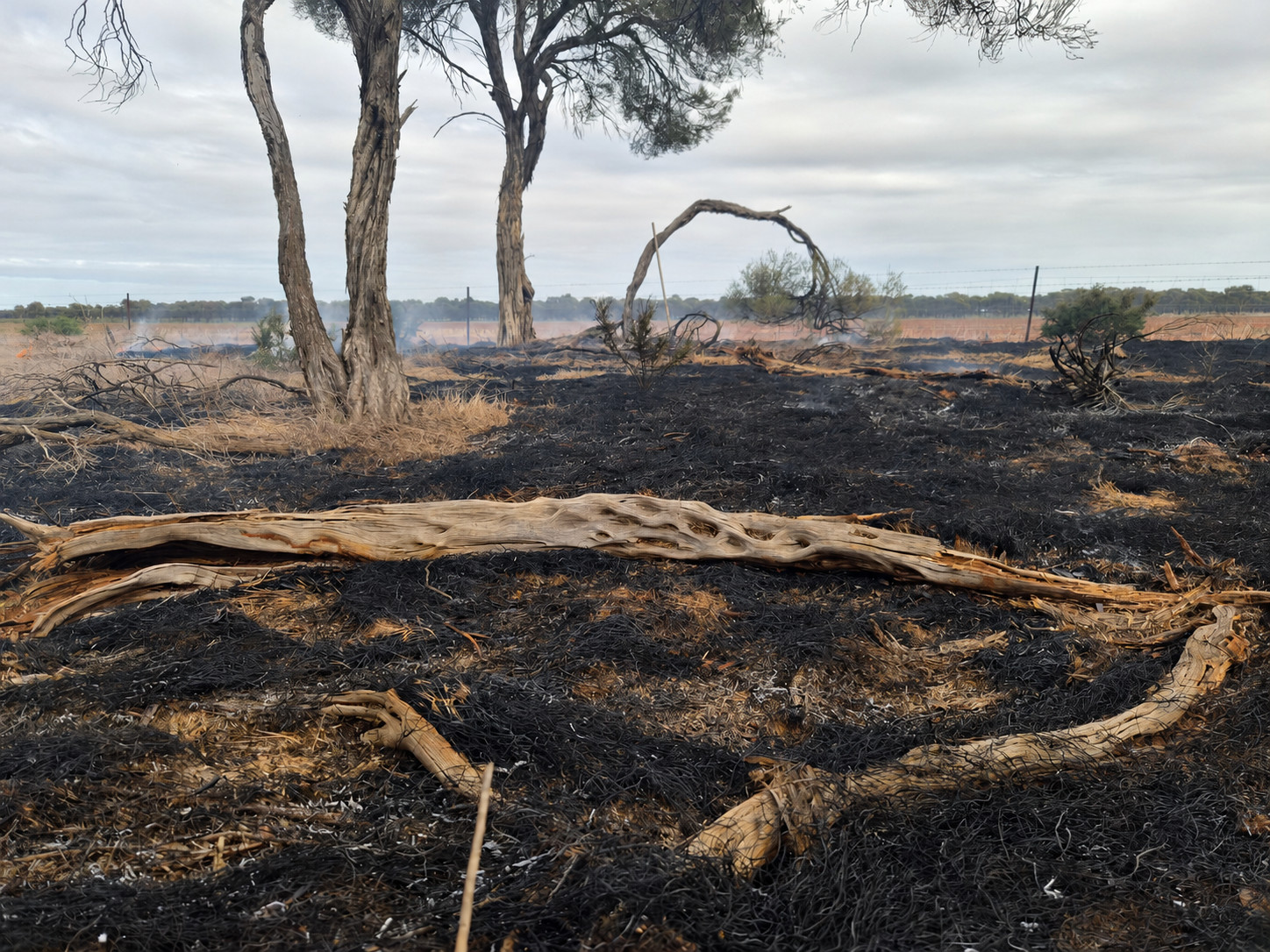
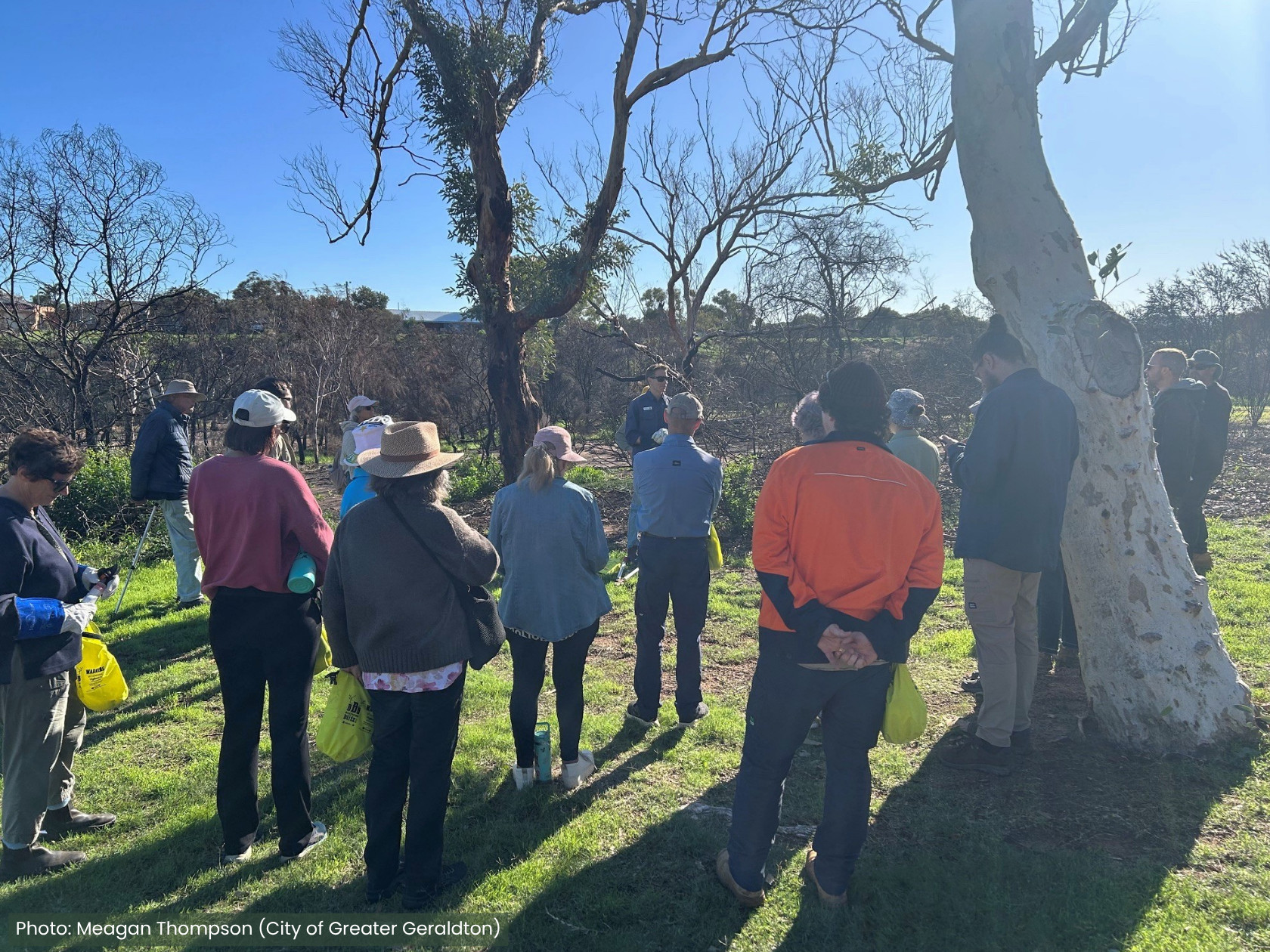
The devastating bushfires at Chapman River and Eneabba were among the most confronting events affecting our region during the year. The impacts extended well beyond the immediate loss of vegetation and habitat. They affected places valued by local communities, volunteers, and the many stakeholders who have invested years of care, effort, and knowledge in protecting and restoring them.
The devastation of these events presents further challenges for the tireless community groups across the Northern Agricultural Region and their ongoing contributions to NRM. We recognise that their local relationships, persistence and ‘many-hands’ generate an impact greater than their size might suggest.
Supporting this local capacity is strongly aligned with NACC NRM’s Purpose and strategic direction. We play an important role in helping communities reconnect with affected places, identify priorities, and build pathways for recovery. This may include bringing partners together, supporting planning and investment, sharing technical knowledge, and helping small groups translate local commitment into safe, coordinated and enduring action. The recovery of these special places will take time, and NACC NRM remains committed to working alongside the groups and communities who know and care for them.
The year also brought a further reminder that environmental threats can emerge quickly and require preparation well before their effects are felt locally. From mid-June 2026, the regional implications of avian influenza, or bird flu, became an increasing focus. While the circumstances continue to evolve, the potential consequences for wildlife, ecosystems and community activities require an ongoing measured and informed response.
NACC NRM’s preparatory work, however, began well before June 2026. Team members enabled and participated in relevant training and preparedness activities in December 2024. This collaborative foresight strengthened internal awareness and is providing a foundation for the organisation’s response. Late in 2025–26, the team drew on that preparation to engage with emerging information, consider operational implications and support readiness across our work and broader networks. Investing in capability ahead of an oncoming crisis and maintaining strong connections between community, regional organisations and government agencies is enormously valuable.
Across our portfolio of work, collaboration remains central. NACC NRM’s strength lies not only in the projects we deliver directly, but also in our ability to connect knowledge, funding, partners and local effort. This approach enables us to respond to immediate pressures without losing sight of the strategic, landscape-scale outcomes that guide our work.
Looking ahead, the external policy and investment environment is changing. Reforms to the Environment Protection and Biodiversity Conservation Act framework are likely to influence the way environmental priorities are assessed, planned and delivered. At the same time, the decarbonisation agenda is creating new expectations and opportunities across government, industry, agriculture and the natural resource management sector.
For NACC NRM, these changes reinforce the importance of remaining informed, agile and strongly grounded in our purpose and regional priorities. We will continue to advocate for approaches that recognise local knowledge, support good environmental outcomes and enable regional communities and land managers to participate meaningfully. We will also continue to explore how emerging investment, planning and partnership models can help protect and recover the Northern Agricultural Region’s natural assets while maintaining community trust and the integrity of NACC NRM’s purpose.
I thank the NACC NRM Board for its leadership and oversight, and our team for the professionalism, care and adaptability they have shown throughout the year. I also acknowledge our funding partners, Traditional Owners and Custodians, community groups, volunteers, landholders, industry partners, local governments and regional stakeholders. The outcomes described throughout the 2025-26 Annual Report result from our collective efforts and ongoing commitments to working together.
The challenges facing our region are significant, but so too is the commitment of the people who care for it. By continuing to invest in relationships, preparedness and practical action, we can support recovery where it is needed, strengthen resilience and create lasting benefits for the Northern Agricultural Region.

Total income for the year was $5.9 million, with total expenditure of $4.9 million, resulting in a surplus of $971,502. This positive result reflects disciplined financial management in the face of challenging macroeconomic conditions. These conditions impact operating costs across several domains, including insurance, utilities, and governance. Project delivery margins remained strong, and NACC NRM met all financial and project commitments on time. This strong financial position helps NACC NRM maintain organisational stability amid funding fluctuations and paid-in-arrears program delivery.
With the current Natural Heritage Trust program reaching the mid-point of its 5-year delivery term, NACC NRM has further strengthened its focus on revenue diversification. These emerging projects seek to enhance organisational resilience and reduce reliance on any single funding source. This strategy ensures NACC NRM is well positioned to manage the NHT transition period and maintain our capacity and agility.
NACC NRM continues to operate with a lean, agile structure, enabling efficient project delivery founded on strong governance. The rising cost of doing business has been managed prudently, with overheads kept within acceptable limits.
NACC NRM, with support from CORENA (Citizen’s Own Renewable Energy Network Australia) invested in solar panels and a battery system at our office.
The system is being funded through an interest-free loan, where the reduced electricity costs effectively replace the capital repayments until the panels are fully paid off. This investment improves our energy resilience, reduces long-term operating costs, and supports our ongoing commitment to, and leadership in, sustainable operations.
The Board has endorsed a new Finance Investment Policy, establishing a clear framework for managing reserves, assessing low‑risk investment options, and strengthening NACC NRM’s long‑term financial stability. The key principles of this investment strategy are maintaining a low-risk tolerance, preserving capital, and ensuring investment advice comes from trusted sources. The Board has approved activities to begin implementing this policy. I extend my thanks to NACC NRM’s Accountant, Thomas Fleming, for his continued professionalism, and to AMD Chartered Accountants for their thorough audit. My appreciation also goes to the Chair, Directors, staff, members, and partners for their commitment throughout the year. Their efforts have strengthened NACC NRM’s financial resilience and prepared the organisation for a successful future.
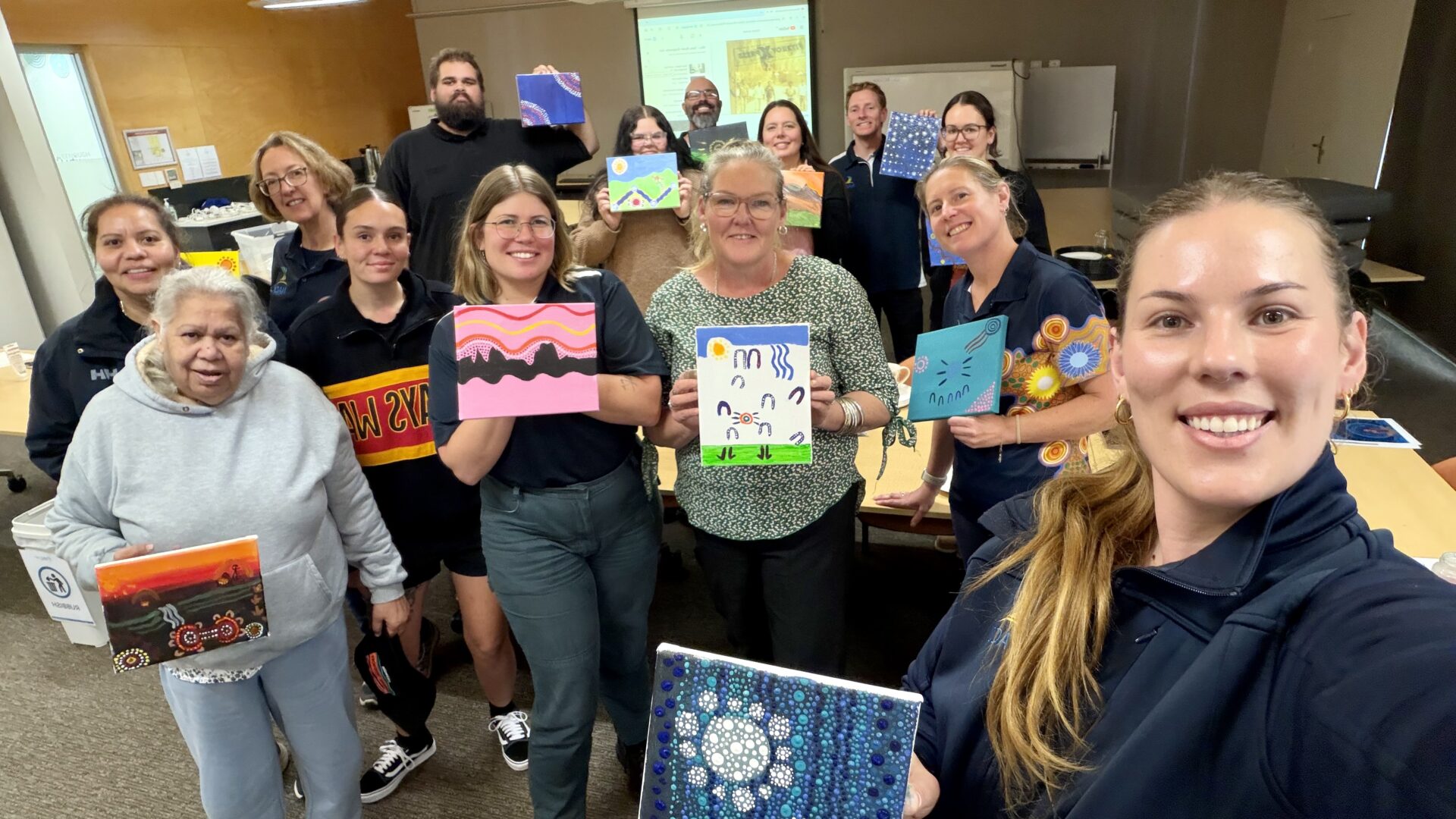
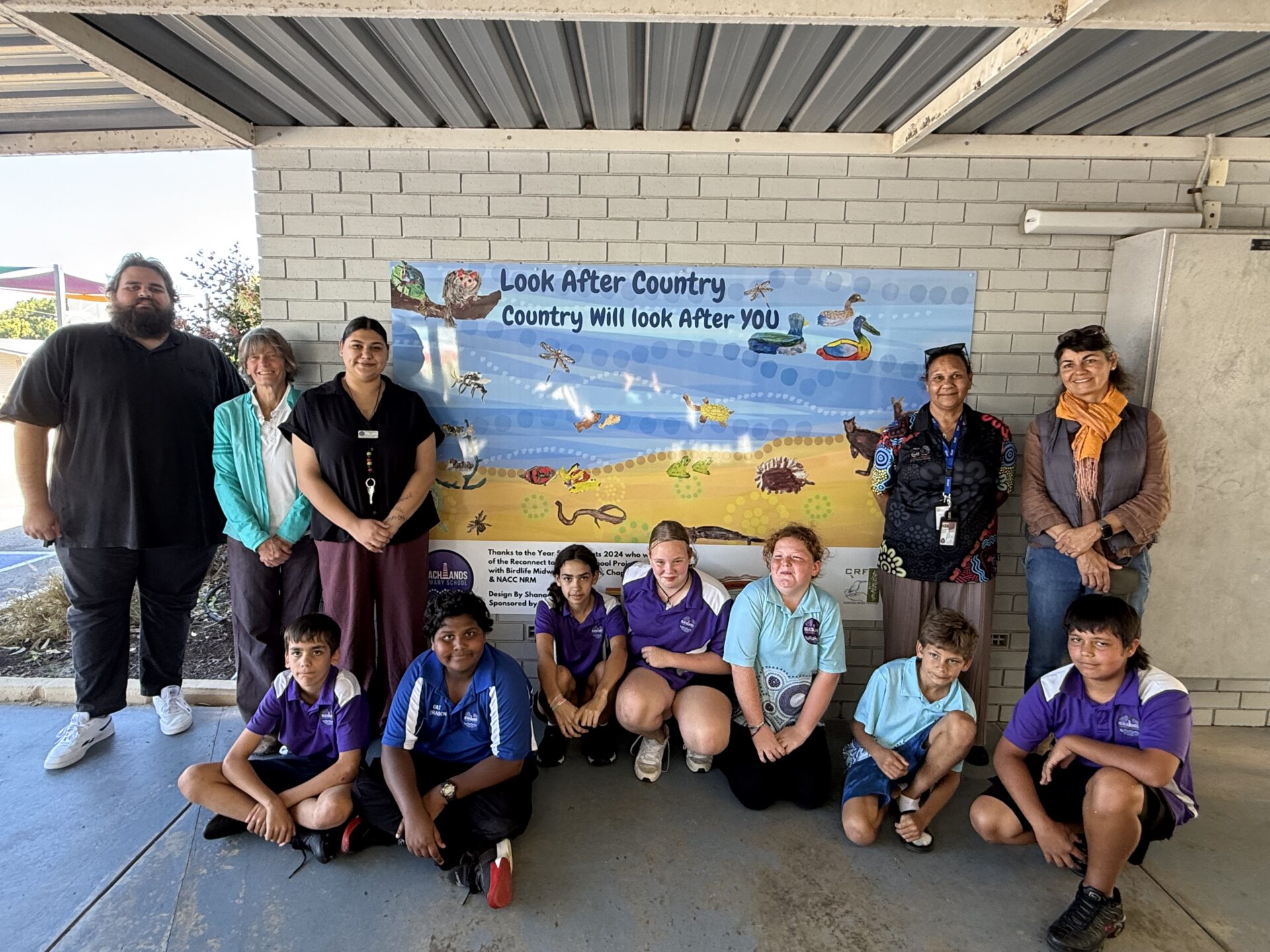
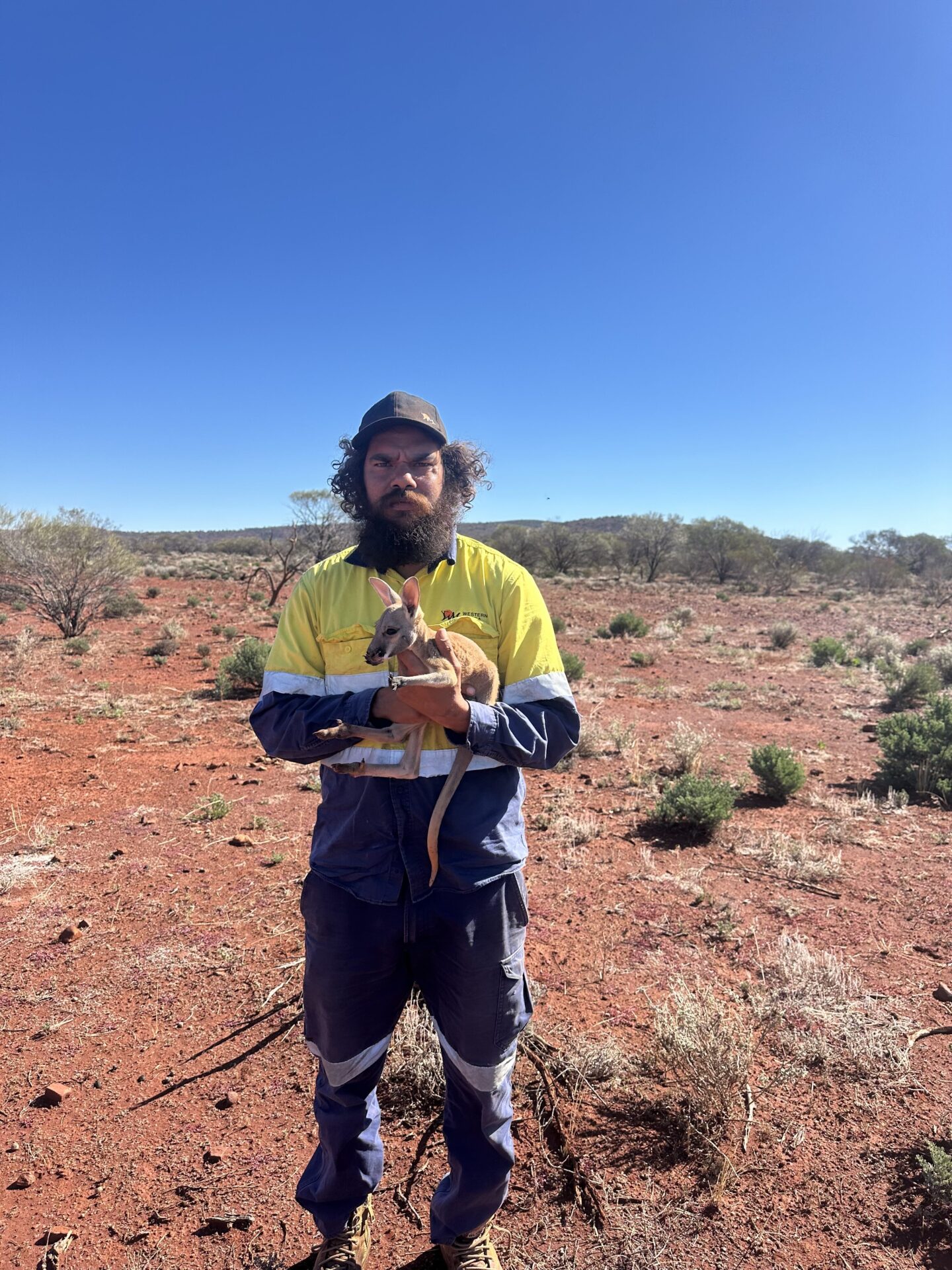
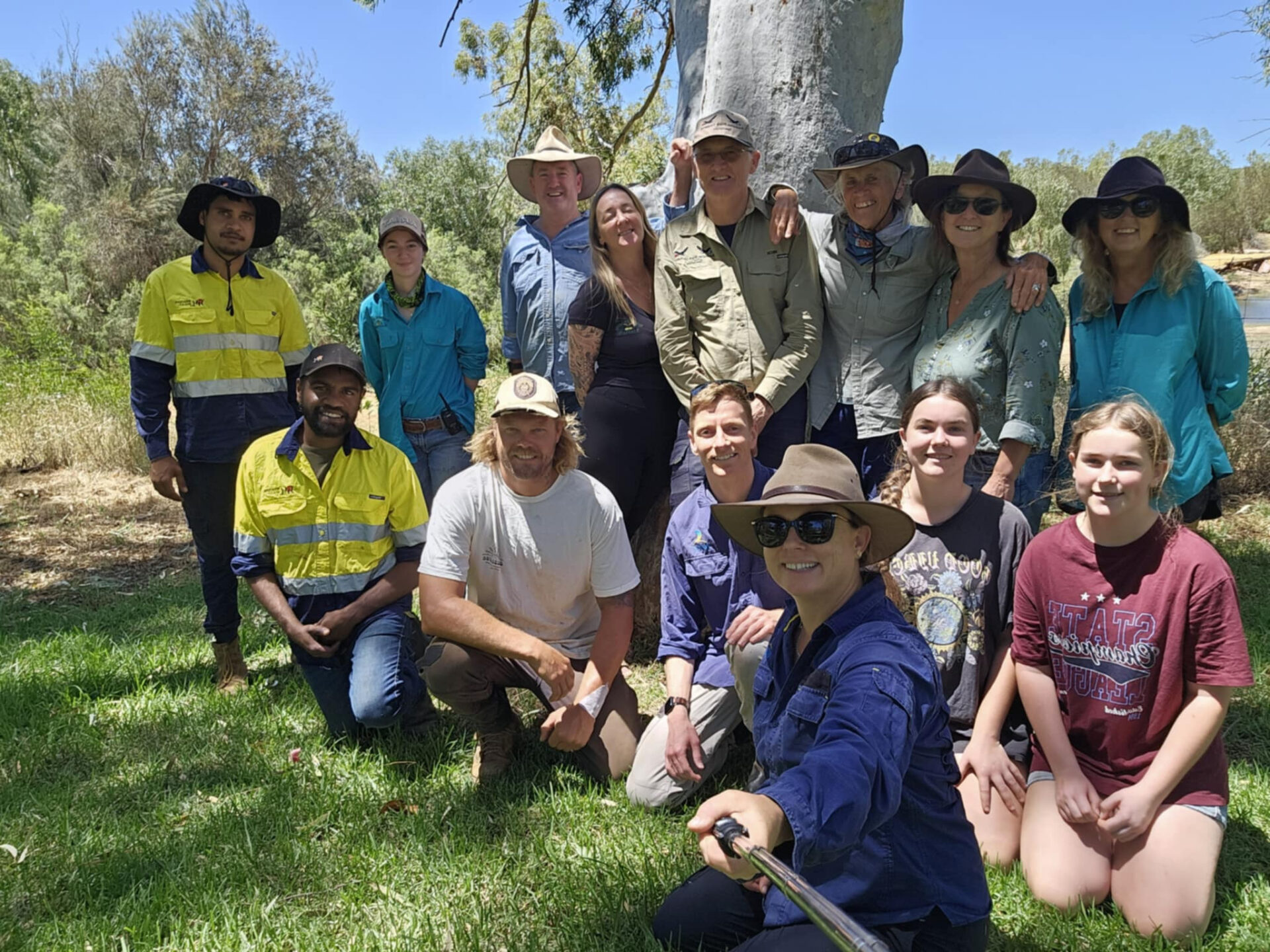
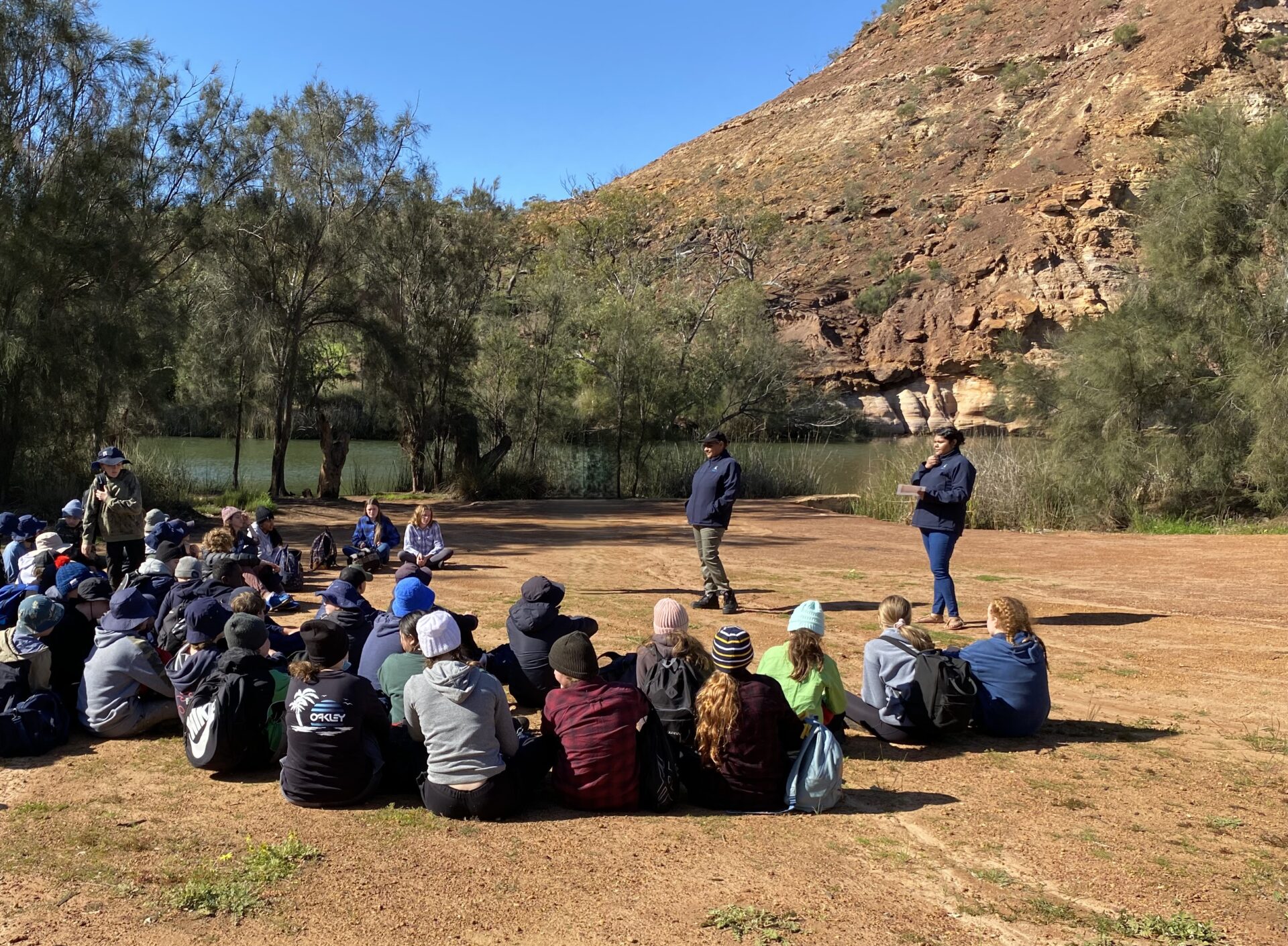
The Aboriginal Custodianship team has maintained a strong focus on engaging the next generation of custodians of Country, with school groups regularly supported to realise the value of bush, rivers, culture and community. By enhancing our focus in this area, NACC NRM is applying our strategy to ‘Empower Traditional Custodians, Aboriginal organisations, and Aboriginal-owned businesses to lead NRM activities and achieve NRM outcomes that acknowledge TEK’. This approach not only builds connections among people across our region but has also strengthened the abilities of NACC NRM’s First Nations staff to articulate the importance of Aboriginal Custodianship and the outcomes being achieved.
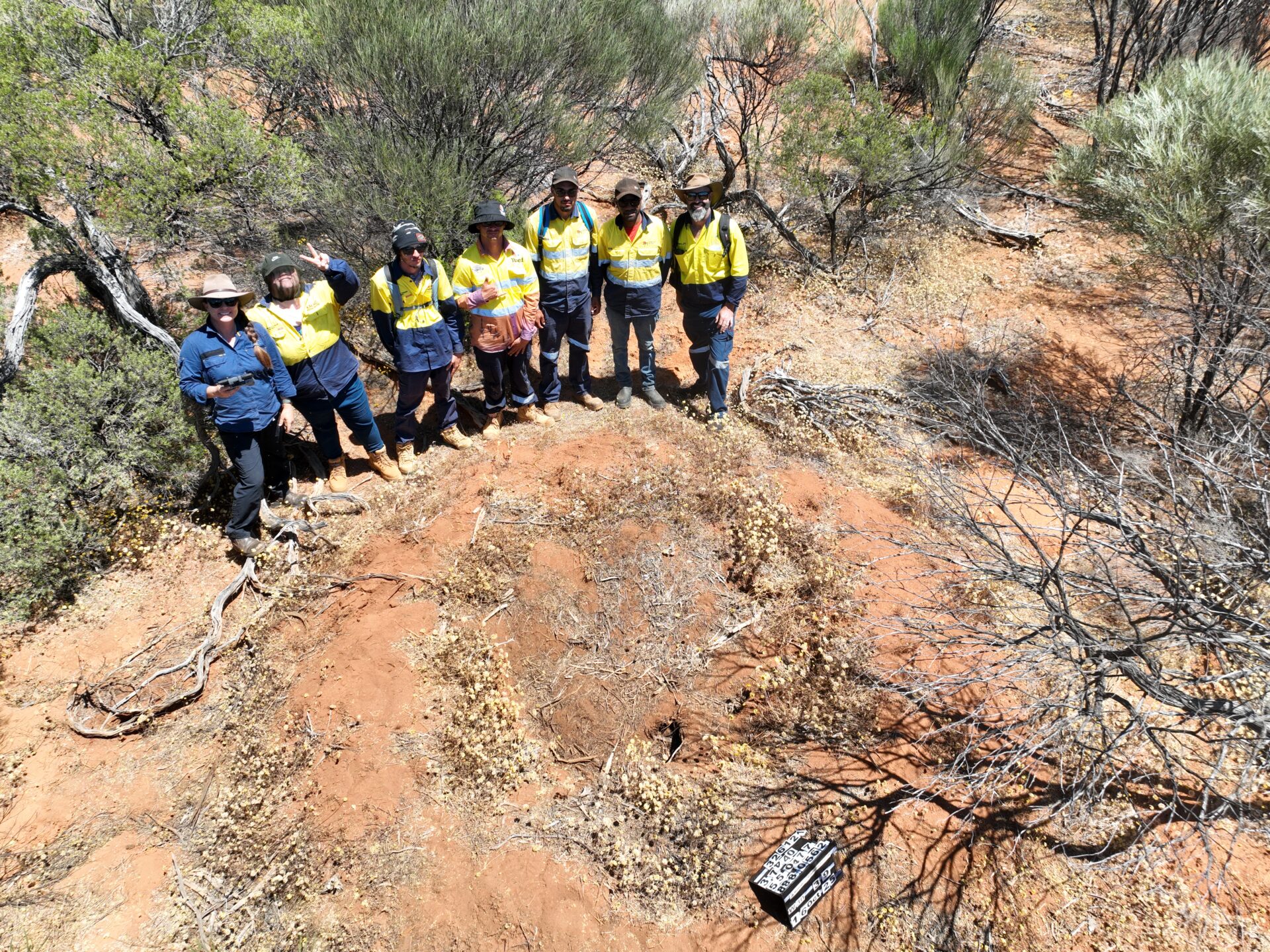
Strategic achievement has also been made by the team to ‘Increase our communication footprint and the impact of communications efforts’. NACC NRM is proud to have entered our video ‘Watching for Wabarl‘ in the 2025 Healthy Country, Healthy Waters, Healthy Communities Photo & Video Competition run by the National Indigenous Australians Agency (NIAA). The video followed two of our Ranger teams as they monitored malleefowl, or wabarl, mounds on Country and was shortlisted for the People’s Choice Award. Videos such as this are a powerful way to showcase the collaborative nature of our work, connect audiences with what is happening on Country, and highlight the real-world outcomes being achieved.
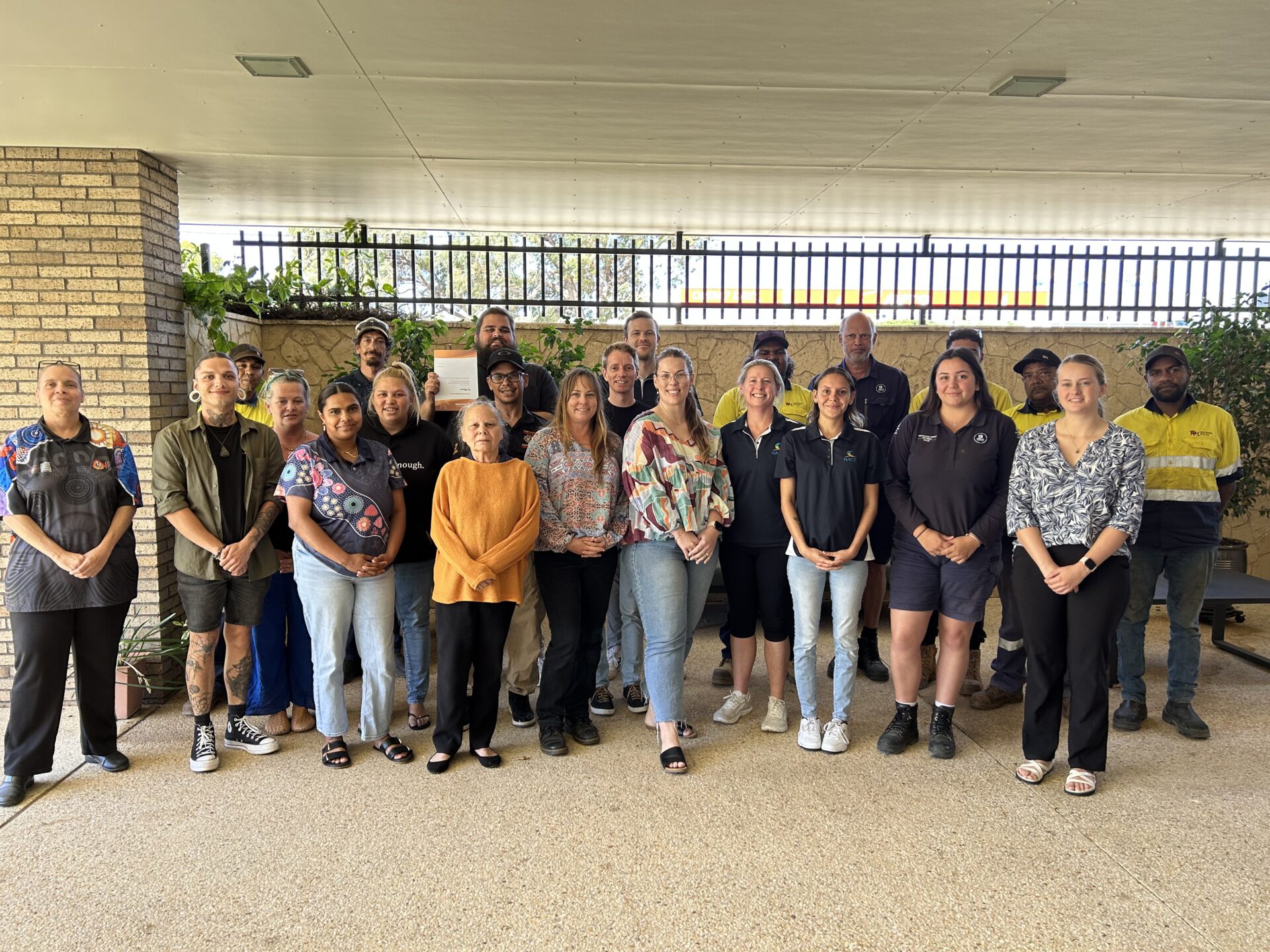
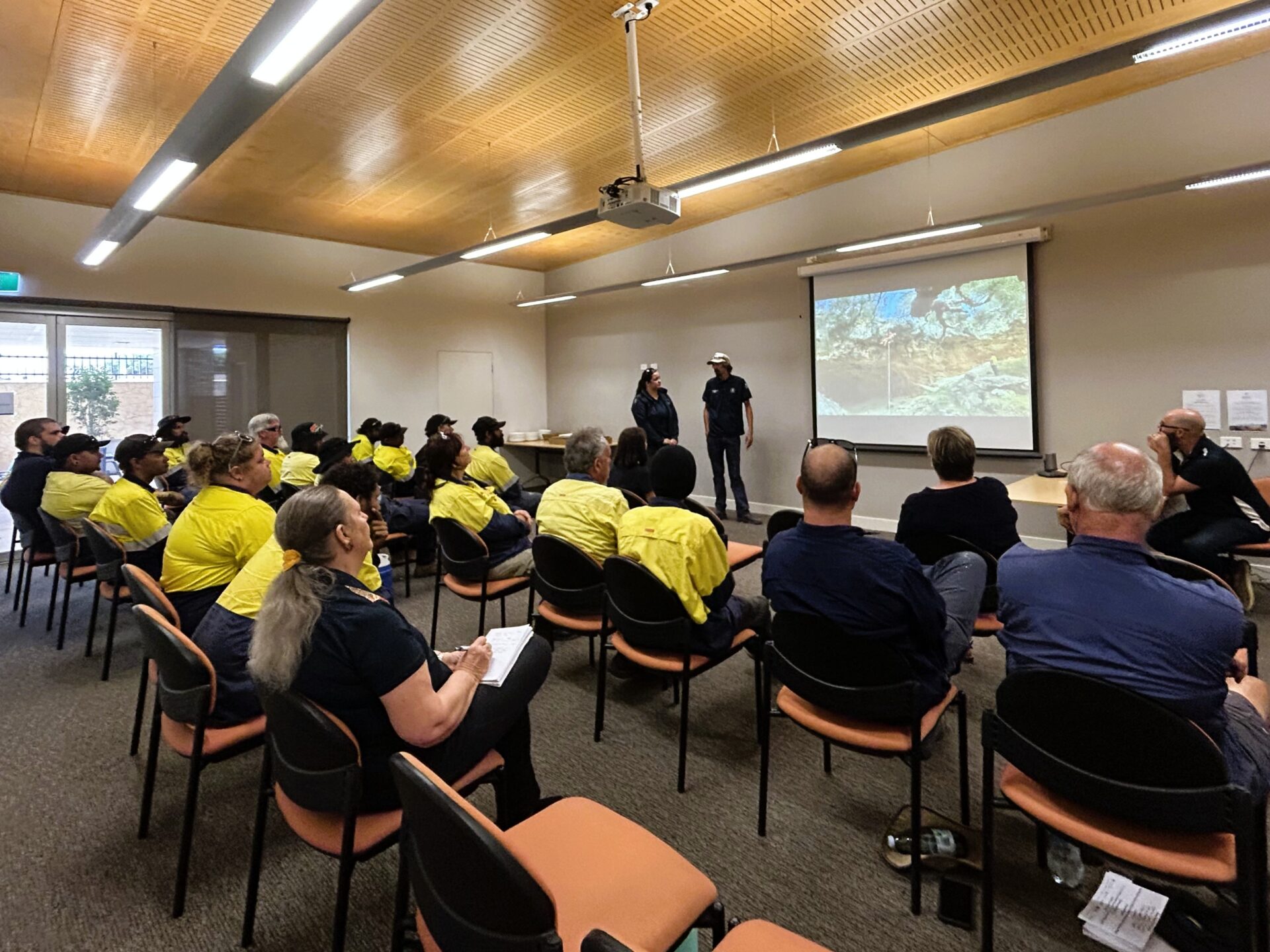
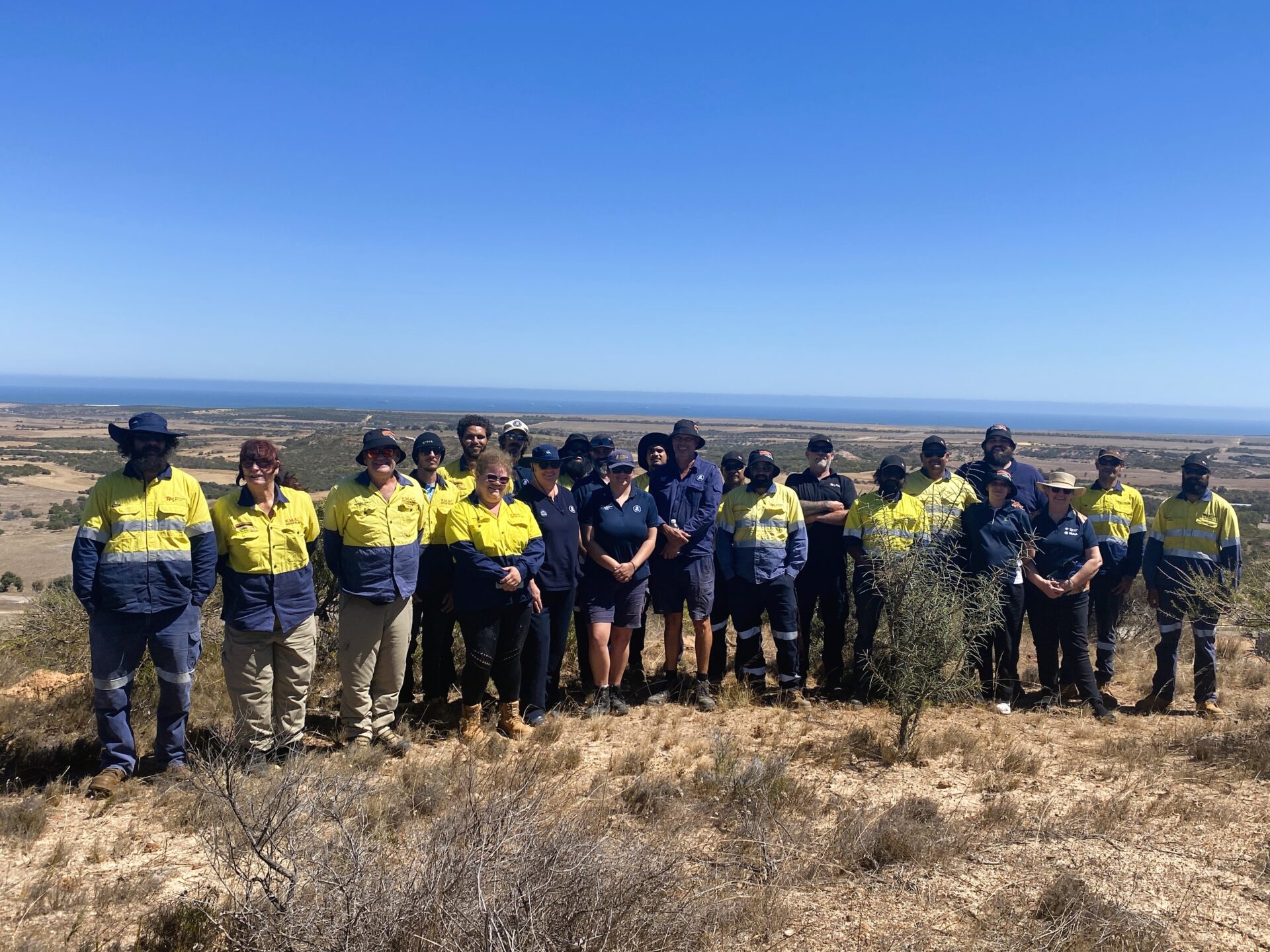
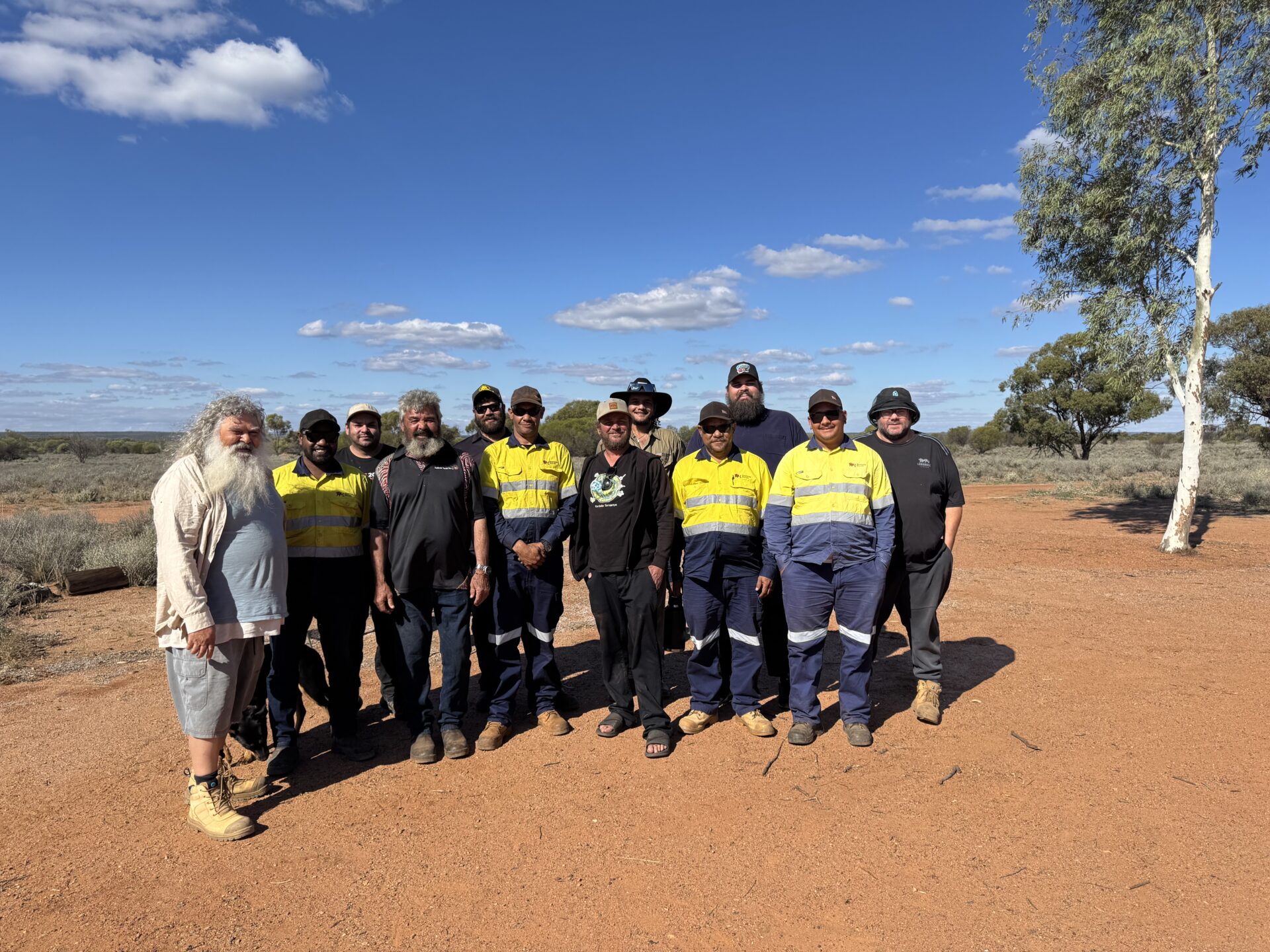
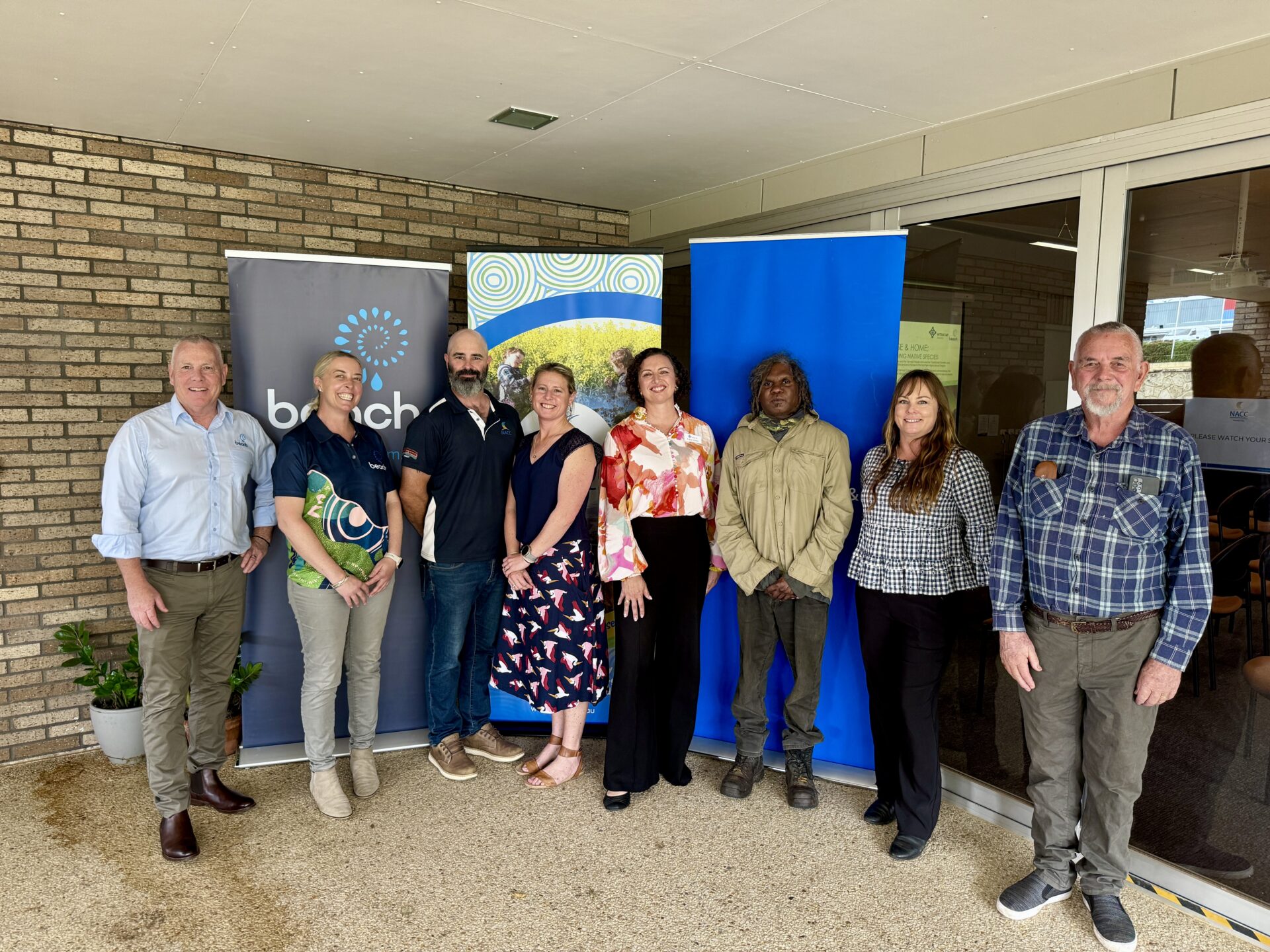
This year, more than 60 First Nations people have been part of the Midwest Aboriginal Ranger Program (MARP), with consistent employment of more than 30 Rangers throughout the year. This has continued as a diverse model across the delivery partners, with a mixture of full-time and casual employment. First Nations NACC NRM staff continue to deliver NACC NRM’s Aboriginal Custodianship Program. With regular support from the Ranger teams, NACC NRM has also led the program’s representation at conferences and school engagement events. Partnerships with Beach Energy and APA Group have strengthened program activities, with both organisations expanding the training and on Country experiences available to Rangers, Elders, and other stakeholders.
This year has also seen the transition of NACC NRM’s Reconciliation Action Plan (RAP), successfully concluding our 2024-2026 RAP and drafting our new commitments to reconciliation for 2026-2028. This year, the team reflected on our journey and established that lasting progress depends on visible ownership and commitment, as well as better integration of RAP commitments into the organisation’s strategic planning, systems and everyday operations. Over time, this strengthened our understanding that reconciliation is most effective when it becomes business as usual, supported by organisation-wide capability development and reflected in the way we plan, engage, partner and deliver our work. This understanding is demonstrated by the outstanding cross-program collaboration achieved by the Aboriginal Custodianship team.
This year was the final stage of our Community Investment Partnership with Beach Energy. This project has engaged Rangers and Elders with Traditional Fire knowledge and techniques. We have supported the review of practices applied by the Kaurna community and progressed relationships and on Country understanding, through a Cultural Burning and Learning on Country event on Badimia Country in the second stage. These events have included Rangers, Badimia Elders, and Kaurna practitioners. The final activities were designed and delivered in line with Badimia Elders’ requests.
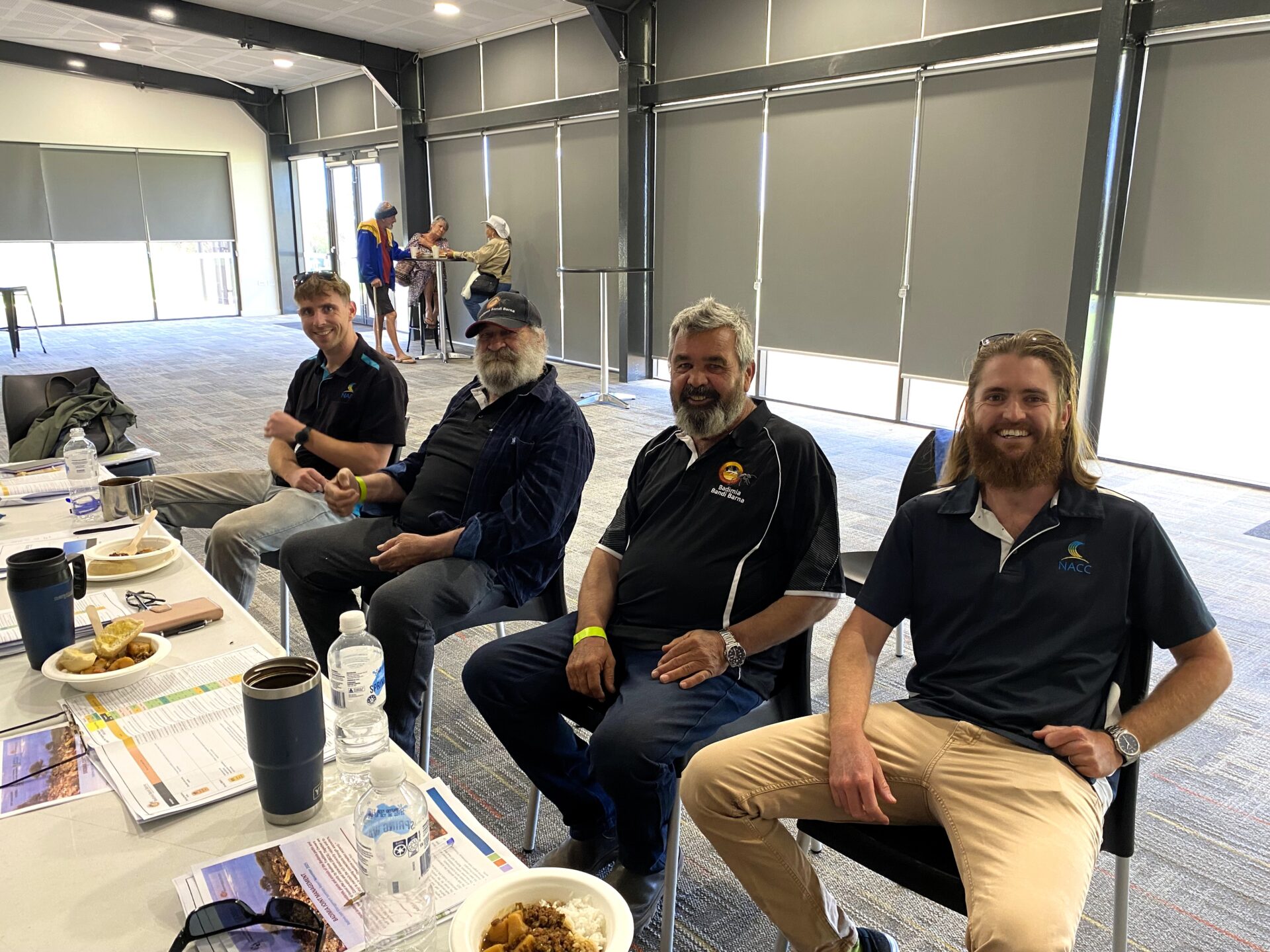
With the expanded conversation in the region about Traditional Fire and a growing interest from a range of stakeholders, the Gunduwa Fire Forum was an opportunity to build on preceding events and learnings with new partners. Conducted by Gunduwa Regional Conservation Association in partnership with Bush Heritage Australia, the event was focused on Badimia Country and guided by Badimia Elders, who personally extended an invitation to NACC NRM, Rangers and Kaurna practitioners to progress and share fire knowledge.
This final year of the project has delivered significant growth in fire understanding, skill and confidence. These partnerships and practices have potential to develop further; however, the work of this project and these partners have built an excellent foundation. As stated by a Badimia Elder, “these yarns are supporting the fire knowledge of my Elders to waken within me”.

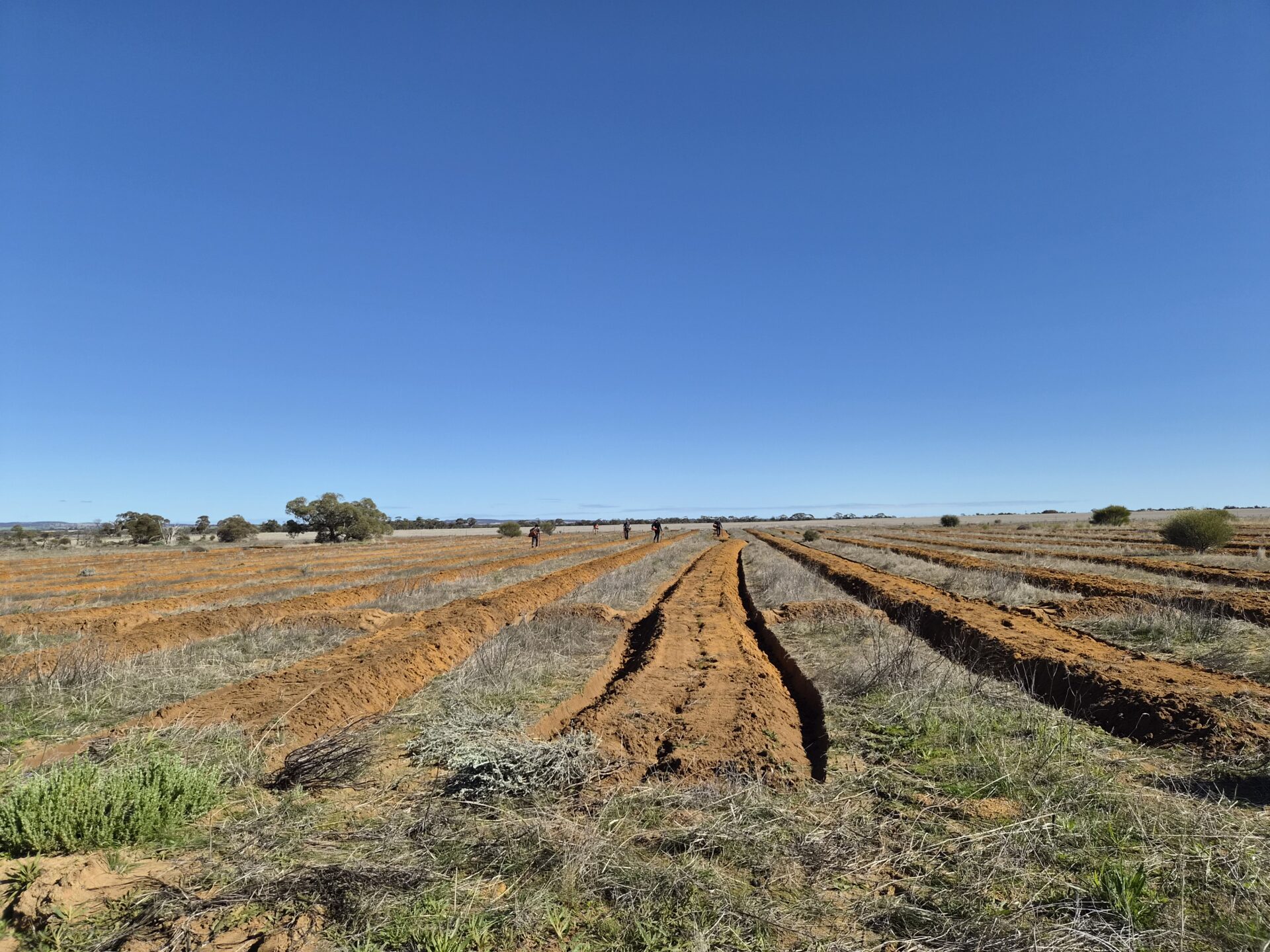
NACC NRM’s Biodiversity Program continued to deliver strong on-ground outcomes aligned with the organisation’s Strategic Plan and NARvis goals. Throughout the year, efforts were focused on landscape-scale conservation through the implementation of two major ecosystem restoration projects that improved habitat condition, enhanced ecological resilience and supported long-term biodiversity outcomes across the Northern Agricultural Region (NAR). The priority of these projects has been the Eucalypt Woodlands of the WA Wheatbelt Threatened Ecological Community (TEC).
Progress has been made by applying our strategy to support landholders, community groups, and government to improve biodiversity in the NAR. These works have also contributed approximately 300Ha towards the NARvis goal of “An additional 5,000 ha of degraded private or public land restored to benefit biodiversity in the region by 2030”.
Valued partnerships with First Nations Elders, groups and organisations continued to play a critical role in collaborative delivery, employment opportunities and capacity building. The Biodiversity Program has also contributed to the organisational capability focus area, through the identification and engagement of new service opportunities that support regionally relevant restoration outcomes, organisational sustainability, and program growth.
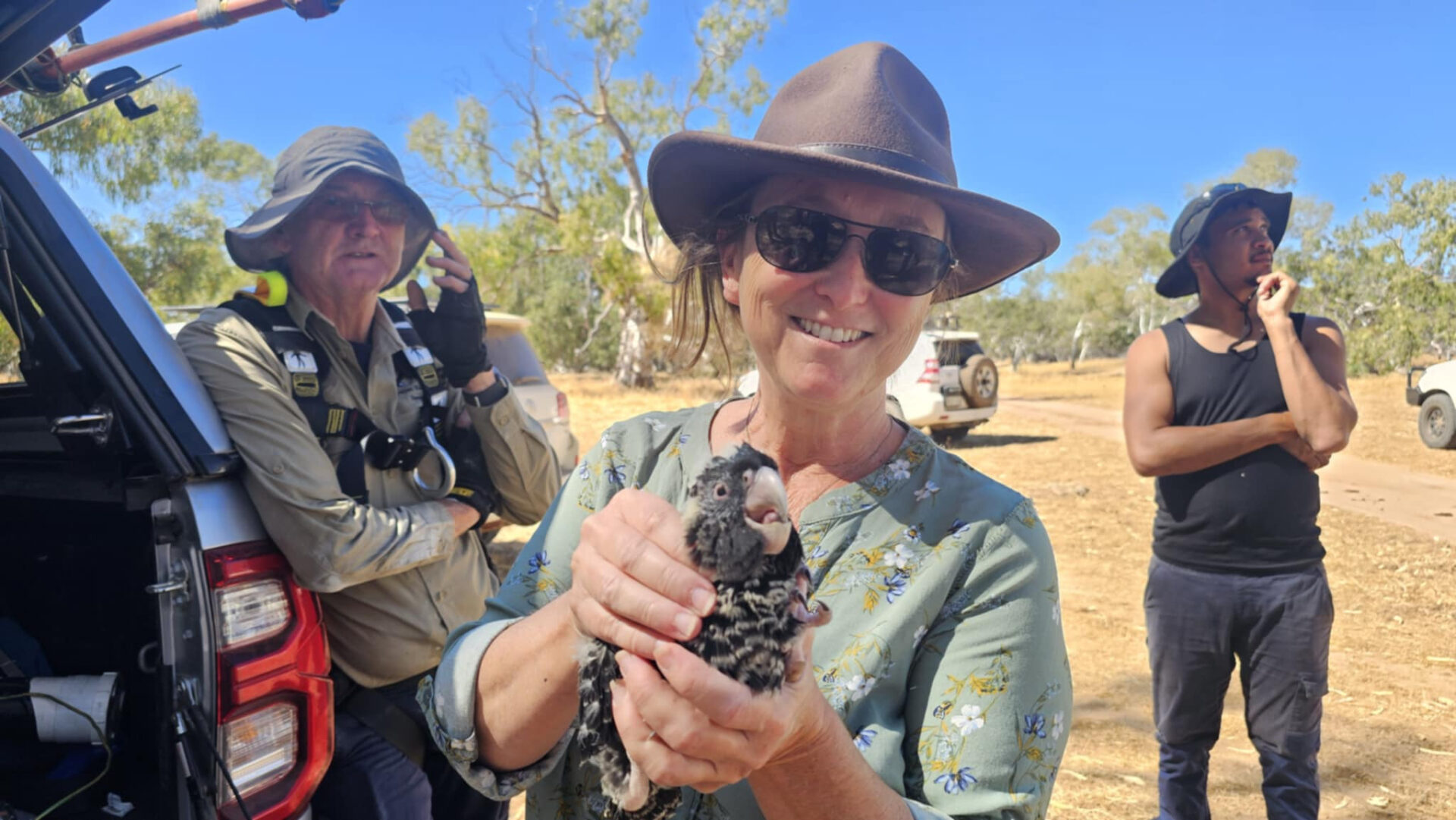
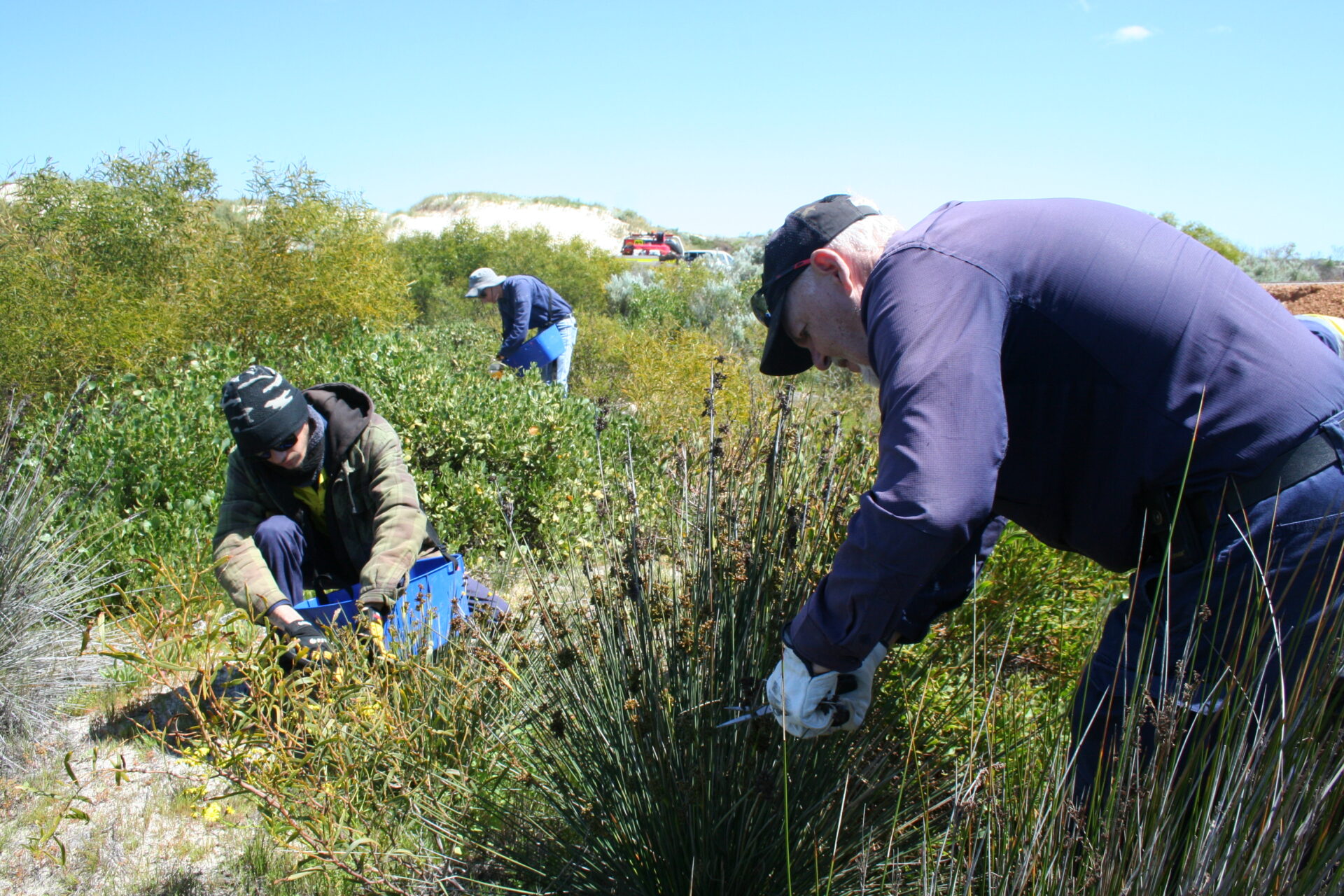
Core Biodiversity projects, Protecting WA’s Black Cockatoos and Restoring the Eucalypt Woodlands of the WA Wheatbelt were successfully delivered with continued support and engagement from communities across the Northern Agricultural Region. The team has been engaging with 38 organisations and working directly with more than 20 individual landholders and technical experts.
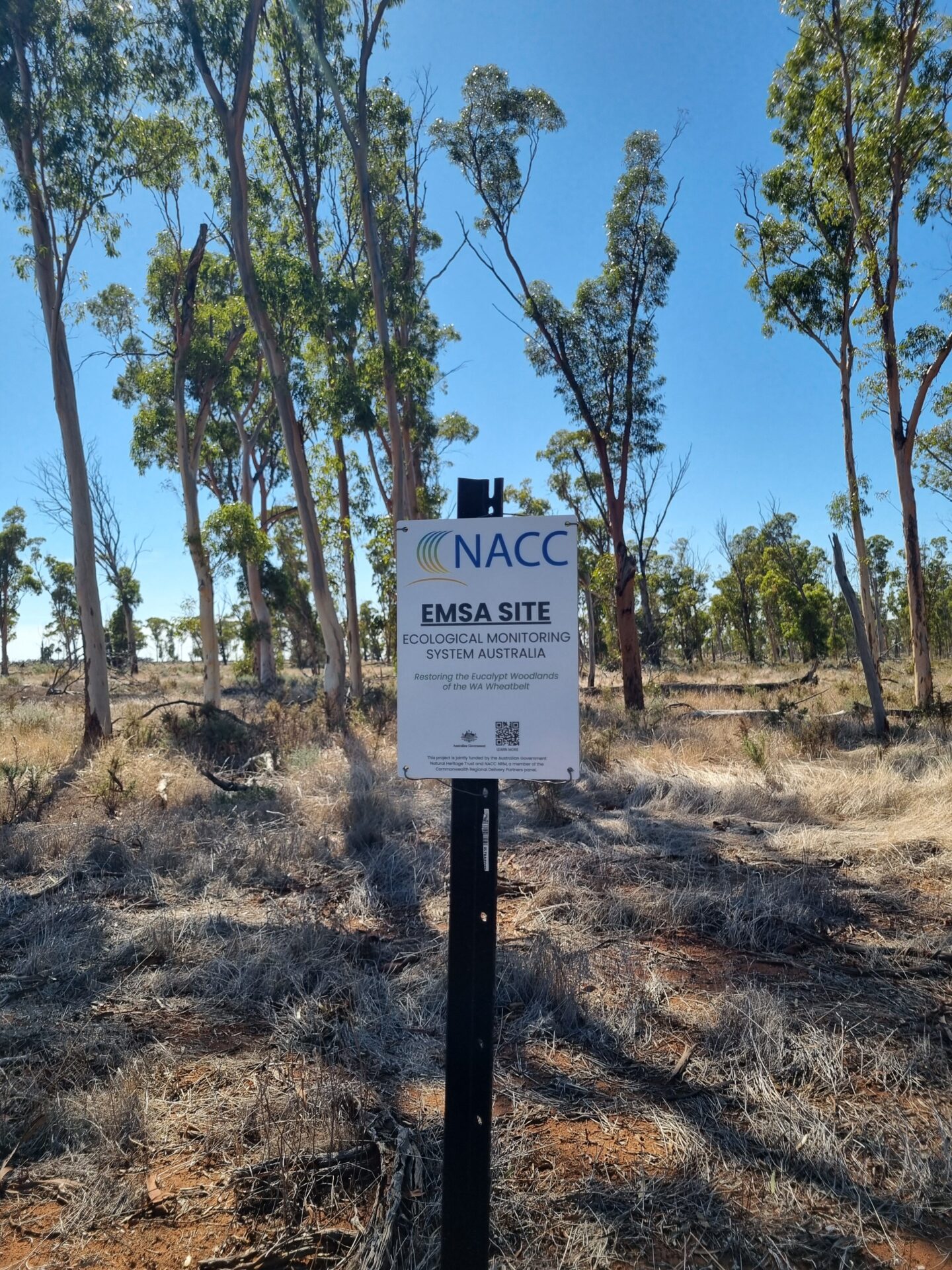
Significant progress was also made through the Recovery of WA’s Remnant Wheatbelt Woodlands Priority Place: Response to an Extreme Summer project, which advanced restoration activities to mitigate the impacts of drought and heat on priority woodland ecosystems. All on-ground works within this project have now been delivered, with Ecological Monitoring System Australia (EMSA) monitoring scheduled over the coming months to mark the conclusion of the project and inform potential future management actions.
The House and Home: Safeguarding Native Species project continued to support the recovery of the critically endangered Eremophila koobabbiensis. Seedlings are now established in nursery production, creating an insurance population and supporting plans for future translocation to safeguard the species beyond its single known wild population.
Monitoring and evaluation remained a core component of program delivery, with three EMSA quadrats established within the WA Wheatbelt Woodlands TEC and one quadrat established within the Banksia Woodlands of the Swan Coastal Plain TEC. These sites will provide important baseline information to measure ecological condition and guide future conservation efforts.
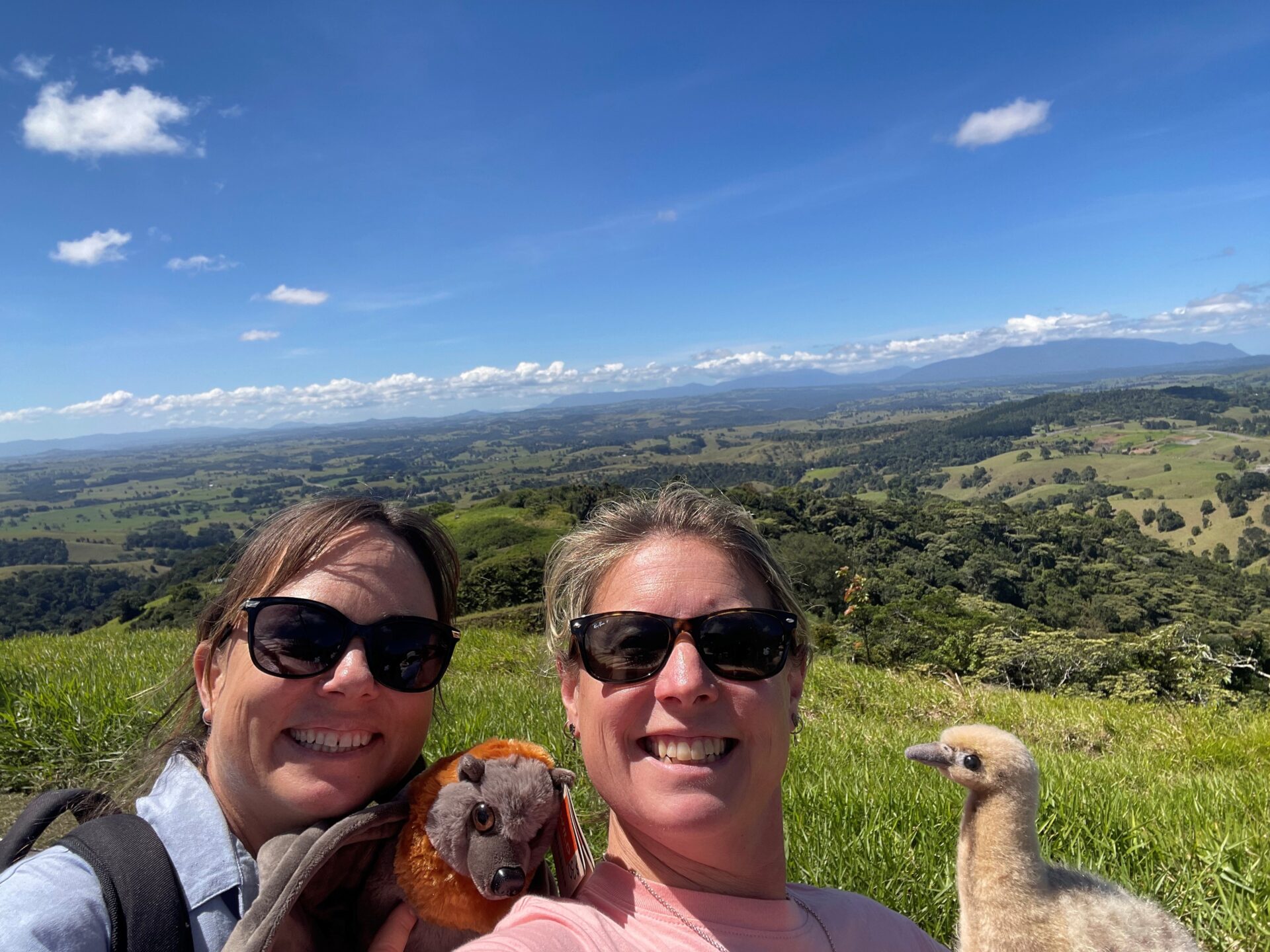
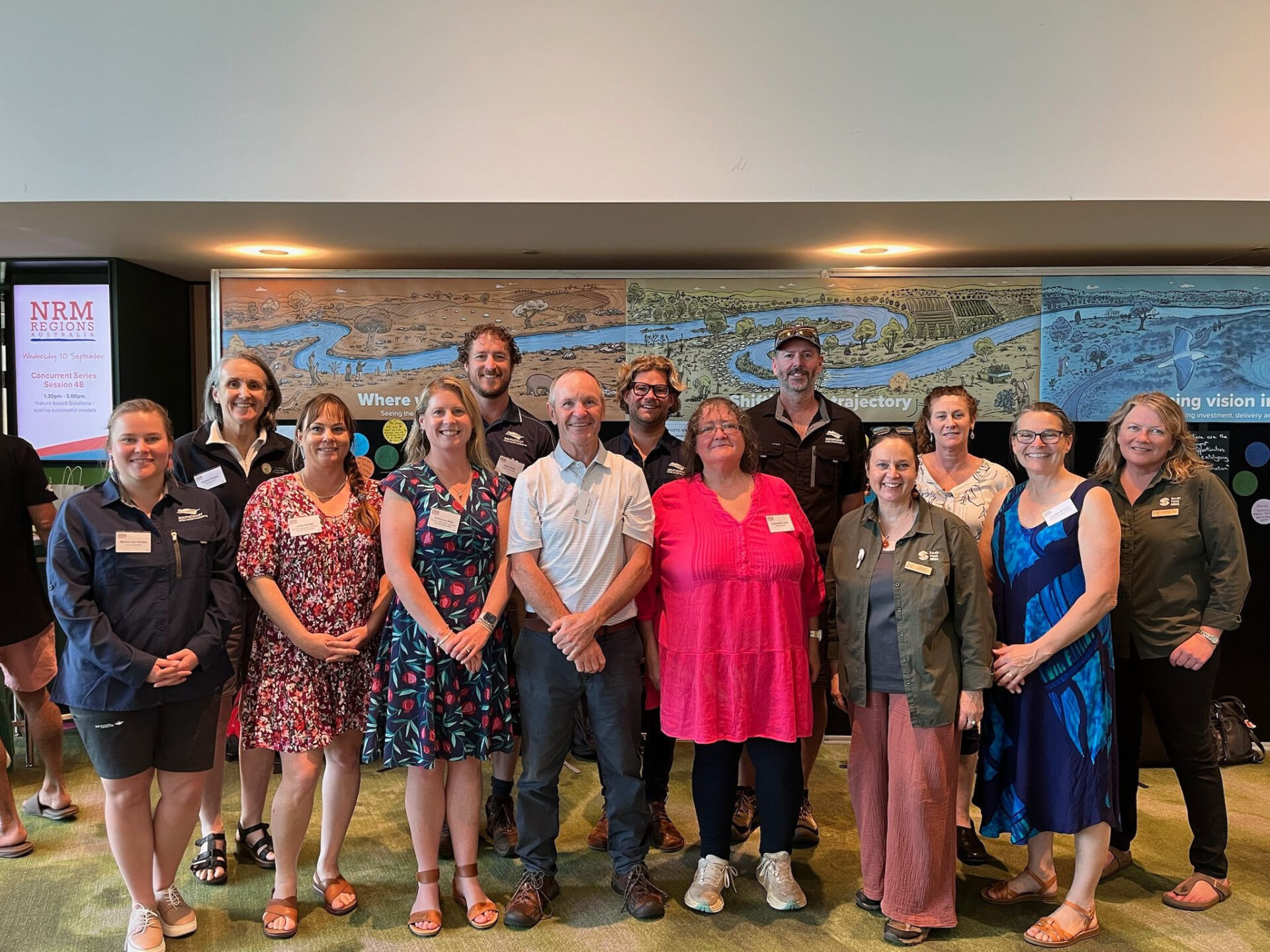
A highlight of the 2025/26 financial year was in September of 2025, when NACC NRM’s CEO Katherine Allen and Biodiversity Program Coordinator Jarna Kendle travelled to Cairns to take part in the National NRM Knowledge Conference. Hosted by NRM Regions Australia, the conference was a fantastic opportunity to expand our network of biodiversity conservation peers, build connections, and share insights.
Community engagement remains central to our work and our purpose. Our natural resource management community is active locally and nationwide, providing valuable opportunities to share knowledge, strengthen partnerships and amplify achievements from within our region.
The program has achieved excellent outcomes in restoration and revegetation, resulting in significantly improved habitat for threatened species and ecological communities. Several training events were also delivered throughout the year, including Green Card training for First Nations Rangers, NACC NRM staff and Department of Biodiversity, Conservation and Attractions staff, helping build skills and capacity across the Northern Agricultural Region’s conservation sector.


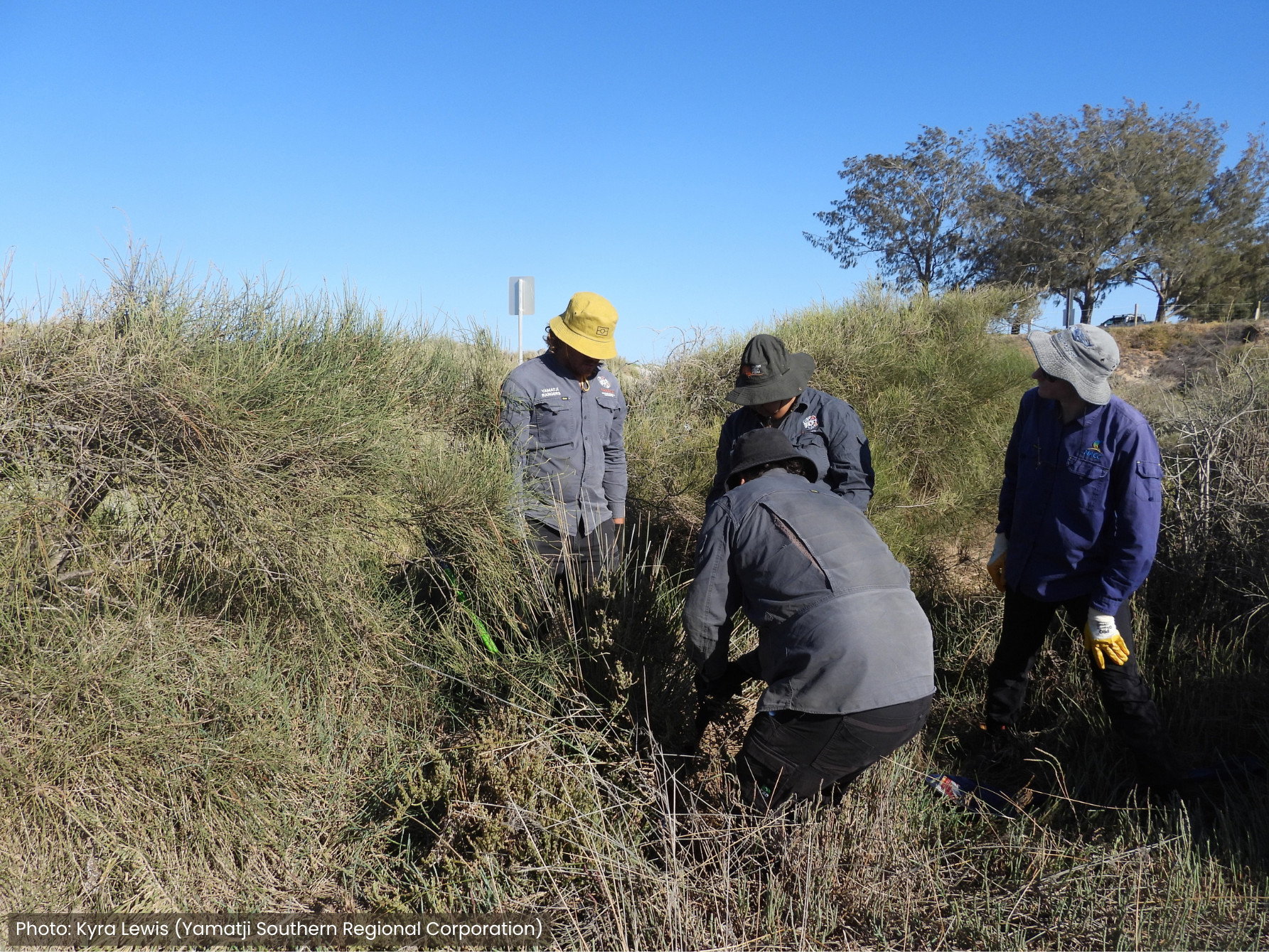
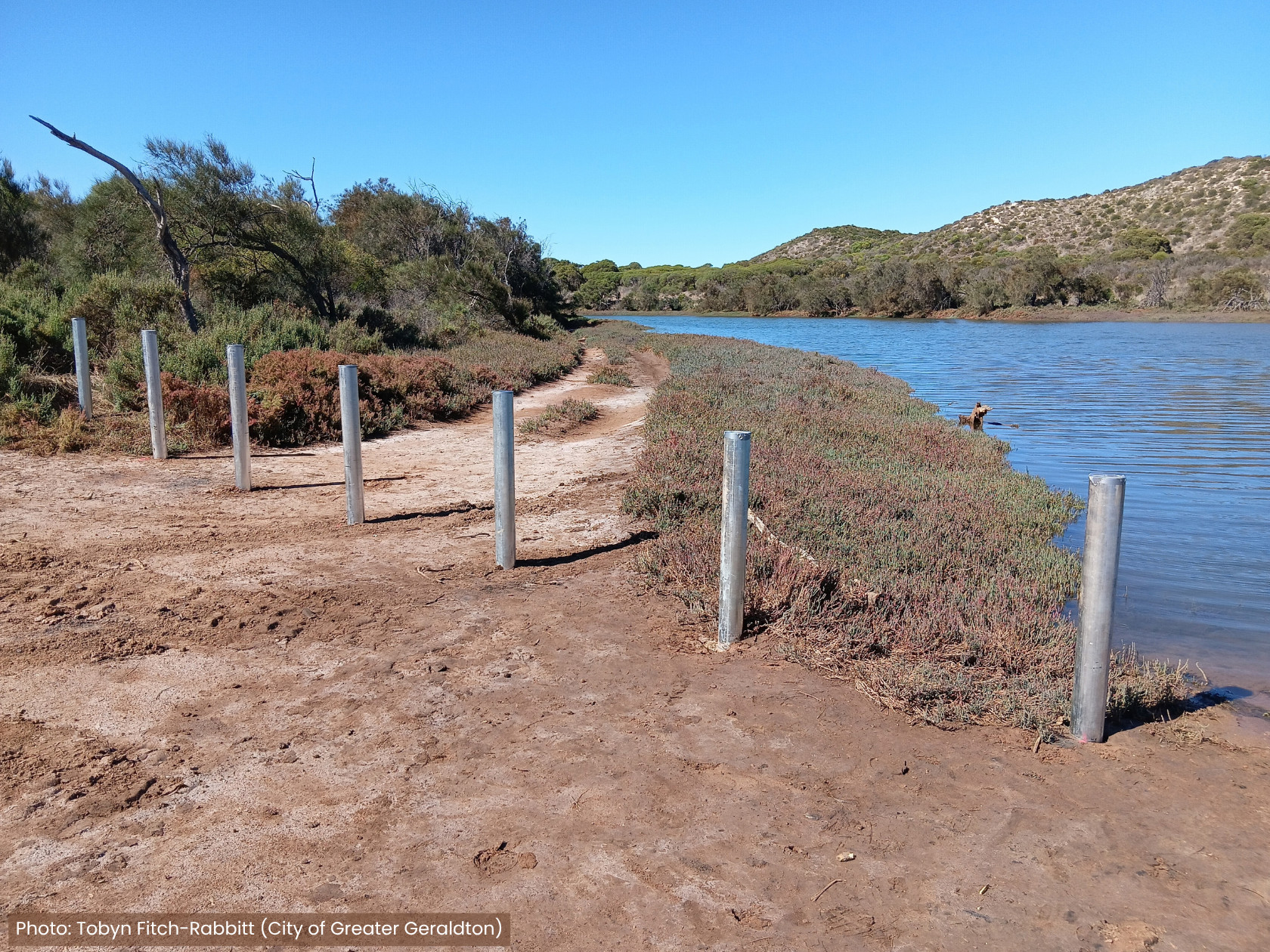
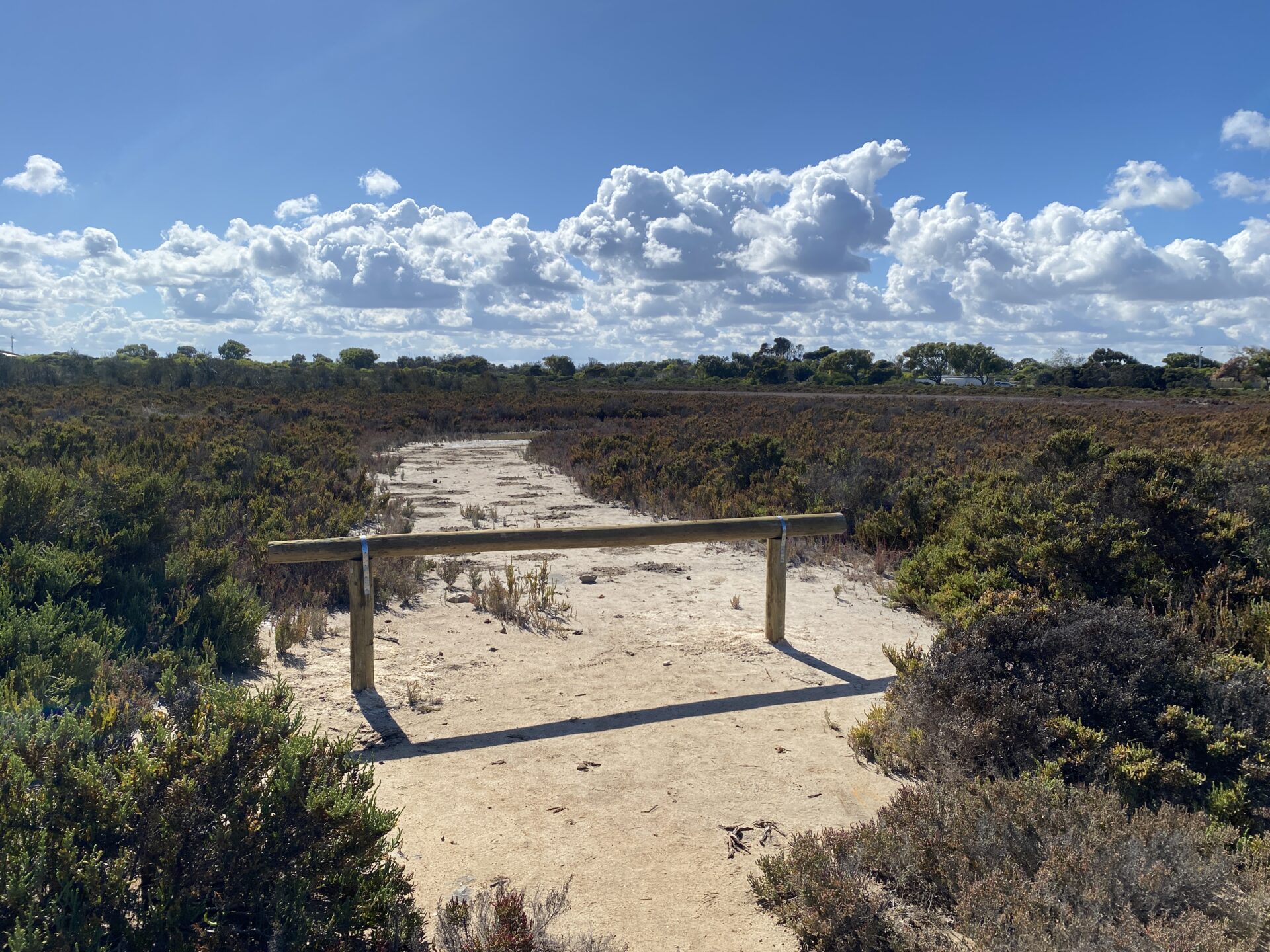
Over the 2025/2026 financial year, the Coastal and Marine program has made significant progress towards NACC NRM’s strategic targets, specifically, on-ground impacts. Continued delivery of our project, Improving Subtropical and Temperate Coastal Saltmarsh in the Northern Agricultural Region has facilitated weed control works and access control structures, further protecting approximately 20 hectares of this unique Threatened Ecological Community (TEC). The Coastal and Marine Program also continues to contribute to NACC NRM’s Aboriginal Custodianship goals by establishing and nurturing partnerships with First Nations businesses and organisations to deliver on-ground works throughout the Northern Agricultural Region (NAR).
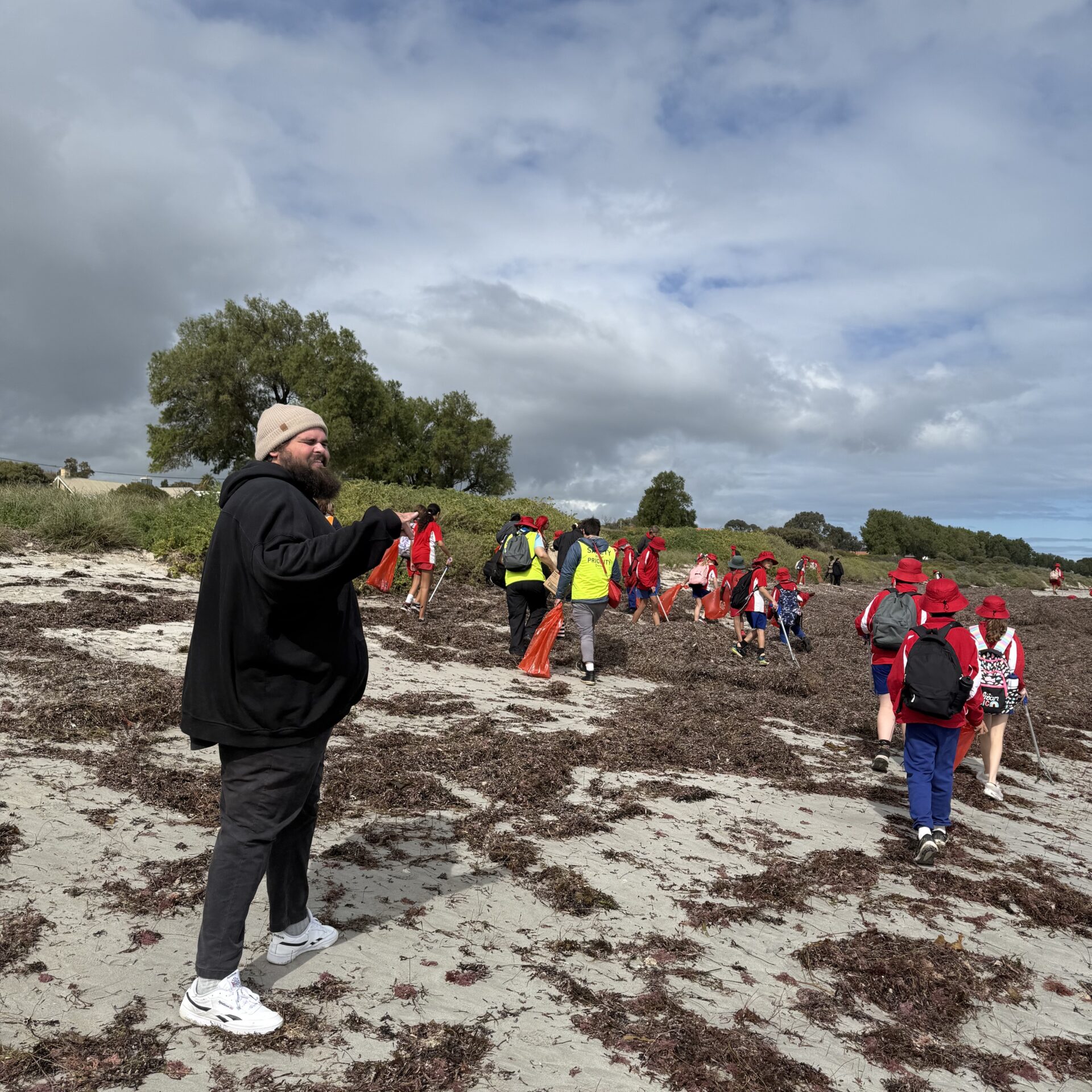
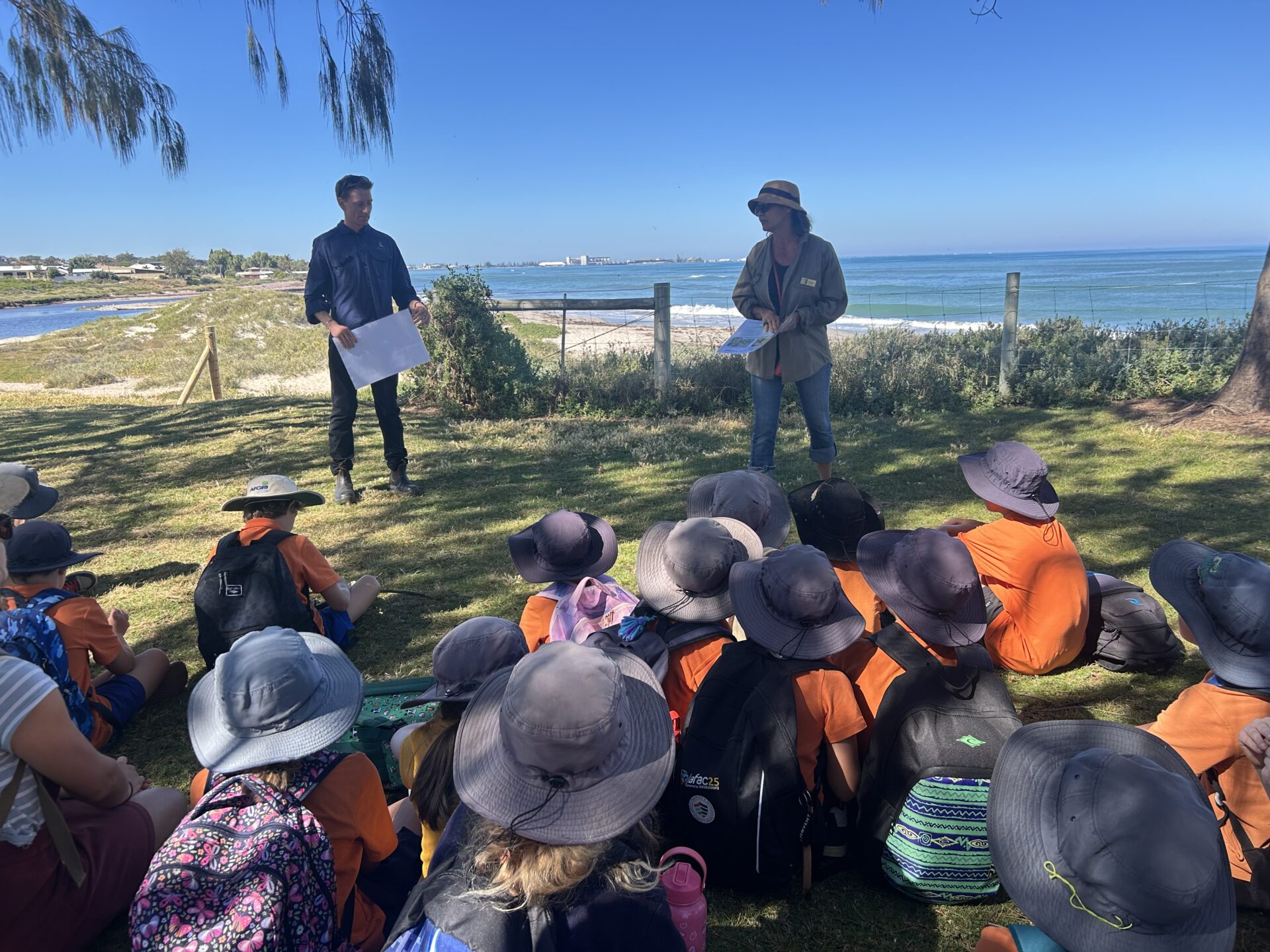
Community engagement remains an integral part of the Coastal and Marine Program, with presentations, in-field talks and formal events providing opportunities to engage with 124 people across 13 community groups. Students from four schools across the NAR participated in activities as part of the Coastal Saltmarsh project, with additional students taking part in various other Coastal and Marine conservation events.
In alignment with the NARvis’ Coastal and Marine vision “Coastal and marine biodiversity, landforms, and ecosystem integrity are valued, maintained, improved and restored across the whole system”, a major achievement was the release of the Regional Saltmarsh Management Plan 2025-2035. The plan is a key conservation step designed to guide management priorities and threat mitigation actions to protect Coastal Saltmarsh TEC in the NAR.
Within the Improving Subtropical and Temperate Coastal Saltmarsh in the NAR project, the Coastal and Marine program team have continued to deliver activities, with the focus shifting from understanding the TEC to on-ground actions. Our valued partnerships have supported significant progress, with several First Nations organisations and Local Government Authorities contributing to protecting areas of cultural heritage and community importance. Additionally, the Department of Biodiversity, Conservation and Attractions have provided vital support in advancing efforts to improve the trajectory of the Western Swamp Tortoise (WST) (Pseudemydura umbrina)
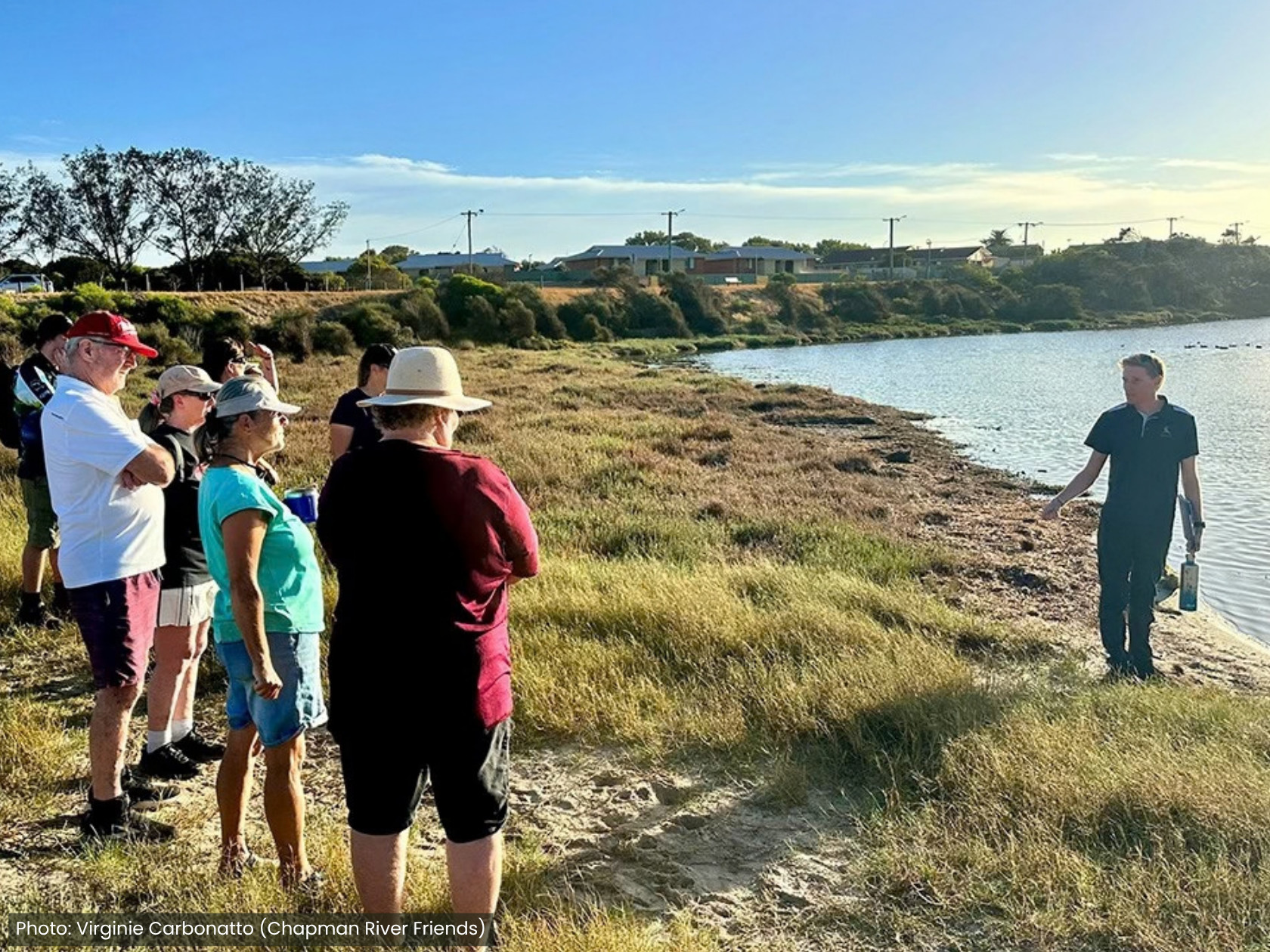
This year, the Coastal team completed baseline fauna and habitat condition surveys within the Moore River Nature Reserve. Finally, our partnership with the City of Greater Geraldton (CGG) has continued to address African Boxthorn (Lycium ferocissimum) in the region. Boxthorn control workshops were held at three locations with 47 participants, and the team has continued to support a long-term monitoring dataset for CGG, using Photomon to conduct monthly coastline monitoring.
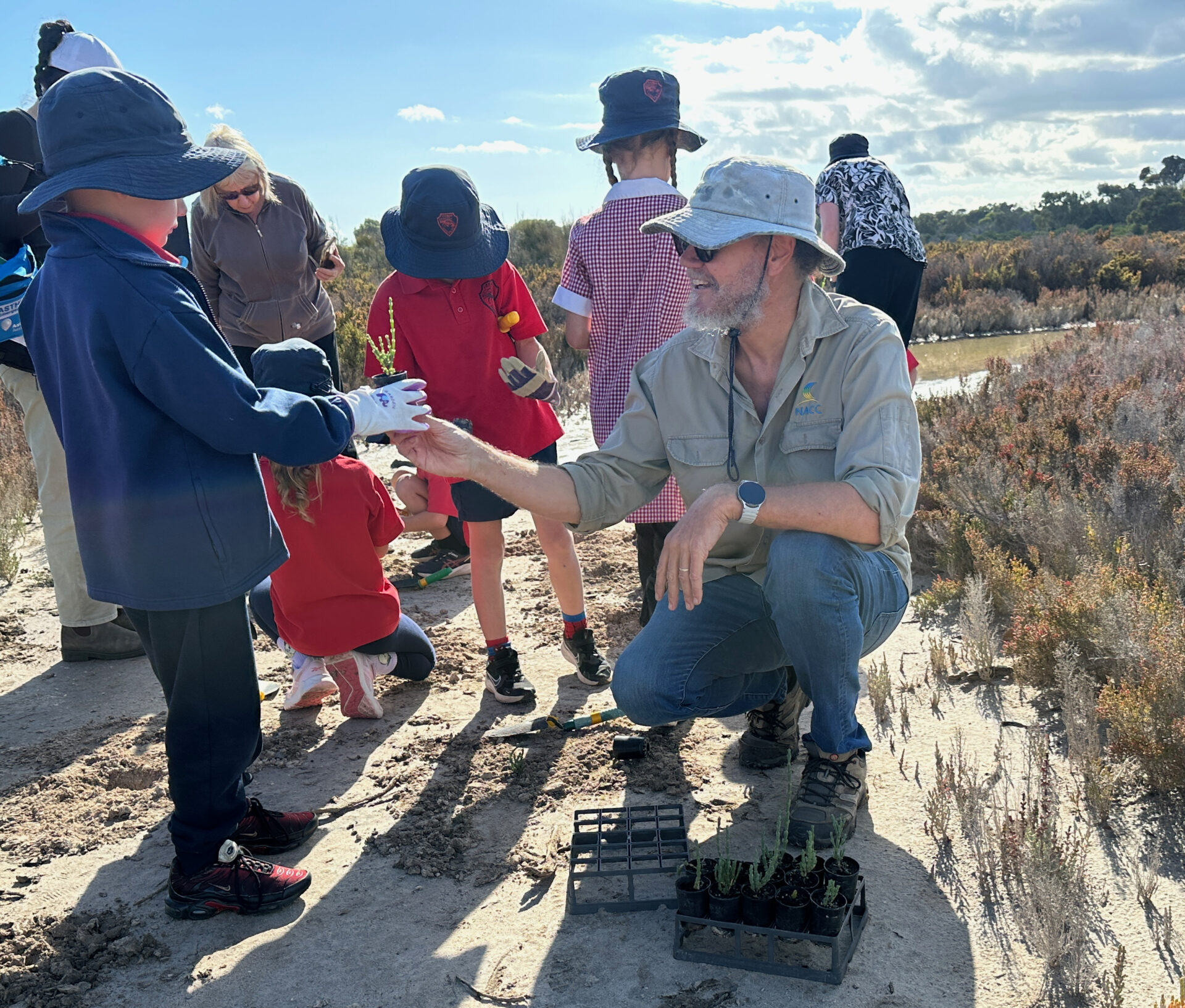
Community and stakeholder engagement remained a highlight, with the Coastal and Marine program represented at events such as excursions with the Geraldton Homeschool Network and the Aboriginal Custodianship program’s Reconnect to Country program, and the 2025 NextGen Entrepreneurs Competition. Multistakeholder events, including a regional coastal forum and the inaugural ‘Our Estuaries’ photo competition, presented the Coastal Saltmarsh project to a wider audience. In May of 2026, students from Leeman Primary school rolled up their sleeves for Green Head’s saltmarsh, joining the Shire of Coorow and Green Head Coastcare for a day of planting seedlings to restore the TEC area.
These relationships shaped the development of the Regional Saltmarsh Management Plan 2025-2035. The Plan will drive future engagement with regional stakeholdersand act as a framework, providing specific and consistent conservation actions to support them in protecting and restoring Coastal Saltmarsh TEC.


Throughout the 2025/2026 financial year, NACC NRM’s Sustainable Agriculture Program team invested in strengthening extension, with a focus on developing new partnerships and fostering greater collaboration with existing partners. This work was reflected in a range of initiatives led by the team, including the establishment of demonstration sites, coordination of the 2026 Resilient Farming Roadshow, and formation of learning groups to facilitate knowledge exchange and peer-to-peer learning. These actions contribute to the organisational goal, “Increase community awareness of regional TEK, NACC NRM, and NARvis, and improve opportunities for the local community to contribute to NRM in the NAR”.
The Sustainable Agriculture team is actively delivering events and on-ground works across multiple projects, which provide new and expanded opportunities, while also enabling more diverse and efficient consultation with our stakeholders. The progression of our current project portfolio coalesces the achievement of multiple program and organisational outcomes, including, “Support landholders, community groups, and government to improve biodiversity in the NAR”.
Strategic targets for both on-ground activities and community engagement have been met through field days, workshops, structured learning days, demonstration sites, revegetation, property-scale planning, and improved land management. The team has directly engaged across 15 community groups and 181 individuals as a part of NACC NRM extension activities. Over the year, 13 farm businesses have adopted sustainable agriculture practices, establishing revegetation, improved ground cover or surface water management across 583ha of agricultural land, as a direct result of participation in NACC NRM projects.
The Sustainable Agriculture Program remains committed to delivering projects that support farmers to improve productivity, sustainability and resilience, and address broader landscape or catchment challenges across the region. Significant progress has been made throughout the year across several projects, including Future Farm Foundations, Sustainable Agriculture Facilitator, Drought Hub Node Lead, and Stabilising Soils. Further cross-regional collaboration has also been facilitated through the National Soil Monitoring Project.
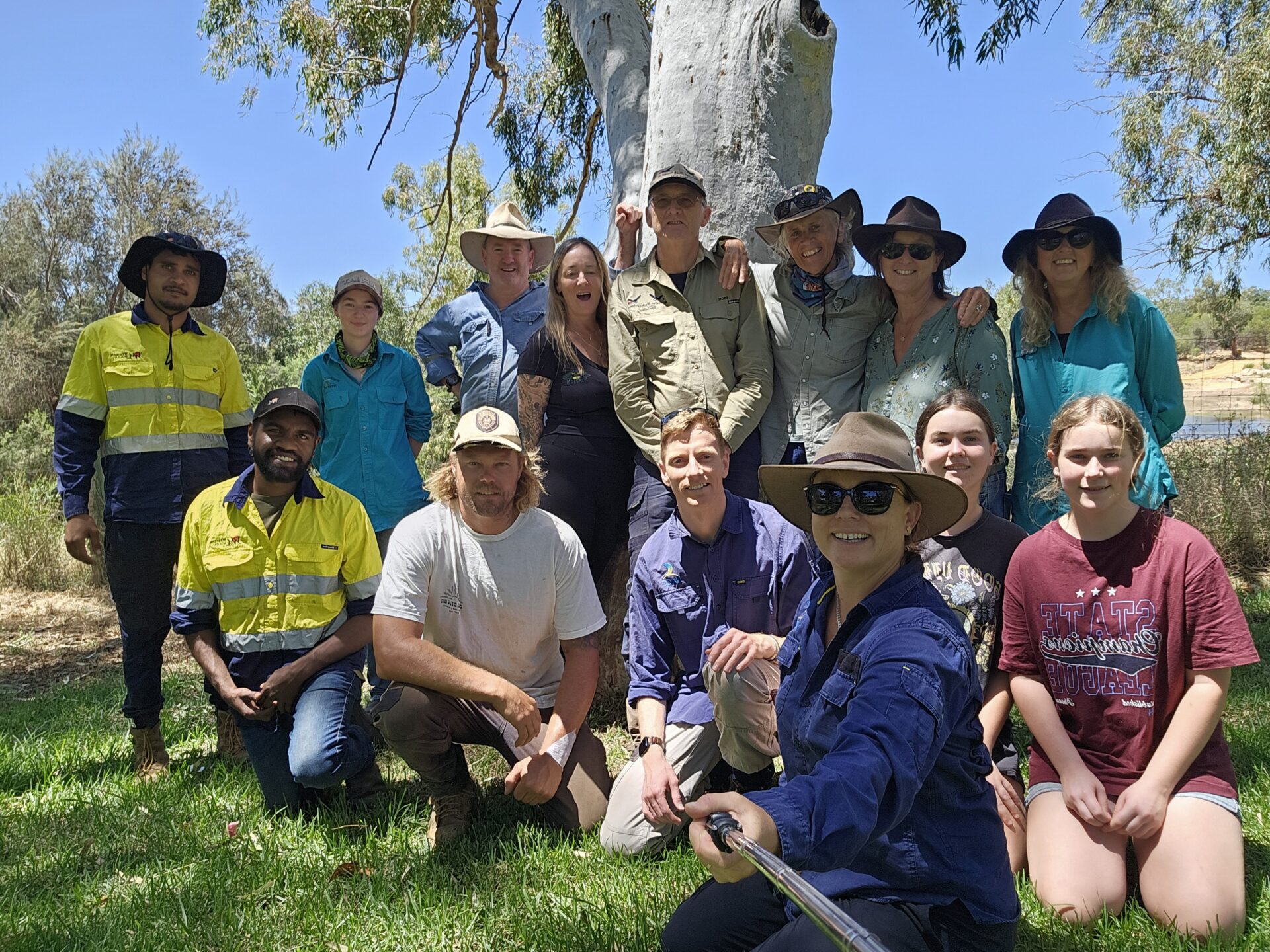
All Sustainable Agriculture projects continue to assist farmers in learning, trialing, and implementing practical changes and management actions to improve soil health, landscape function and drought resilience. Through the Future Farm Foundations, Stabilising Soils and the Drought Hub Node Lead projects, improved land management practices were implemented across 504 hectares. These practices include establishing native fodder systems to stabilise riparian areas and provide shelter, redesigning paddocks with perennial pastures, and using cover crops to protect vulnerable soils and reduce erosion risk. The Future Farm Foundations project also delivered 38.6 hectares of revegetation to improve farm biodiversity and ecosystem services. Additionally, a demonstration site has been established at Ninghan Station, focusing on First Nations-led ecosystem repair actions.
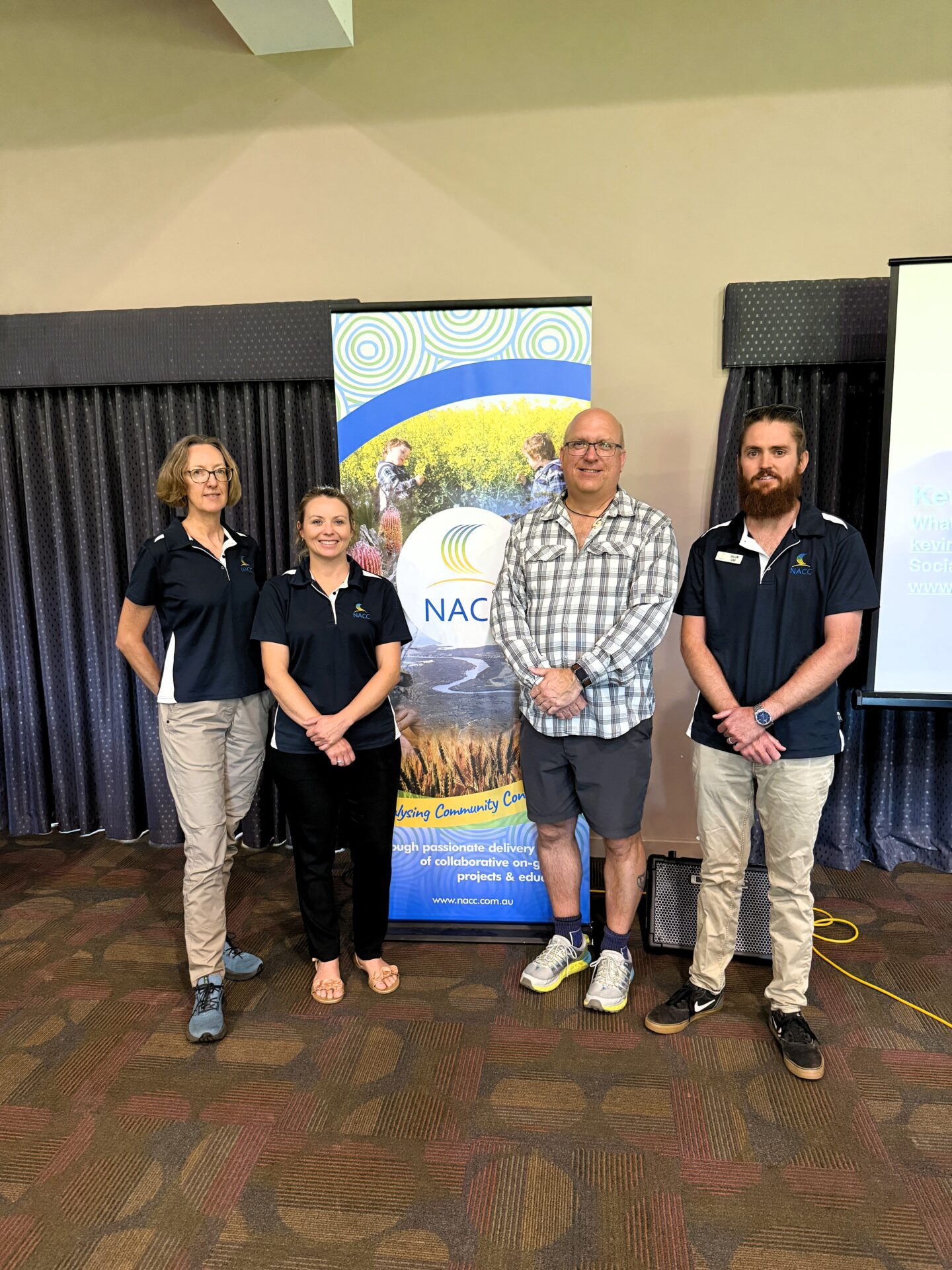
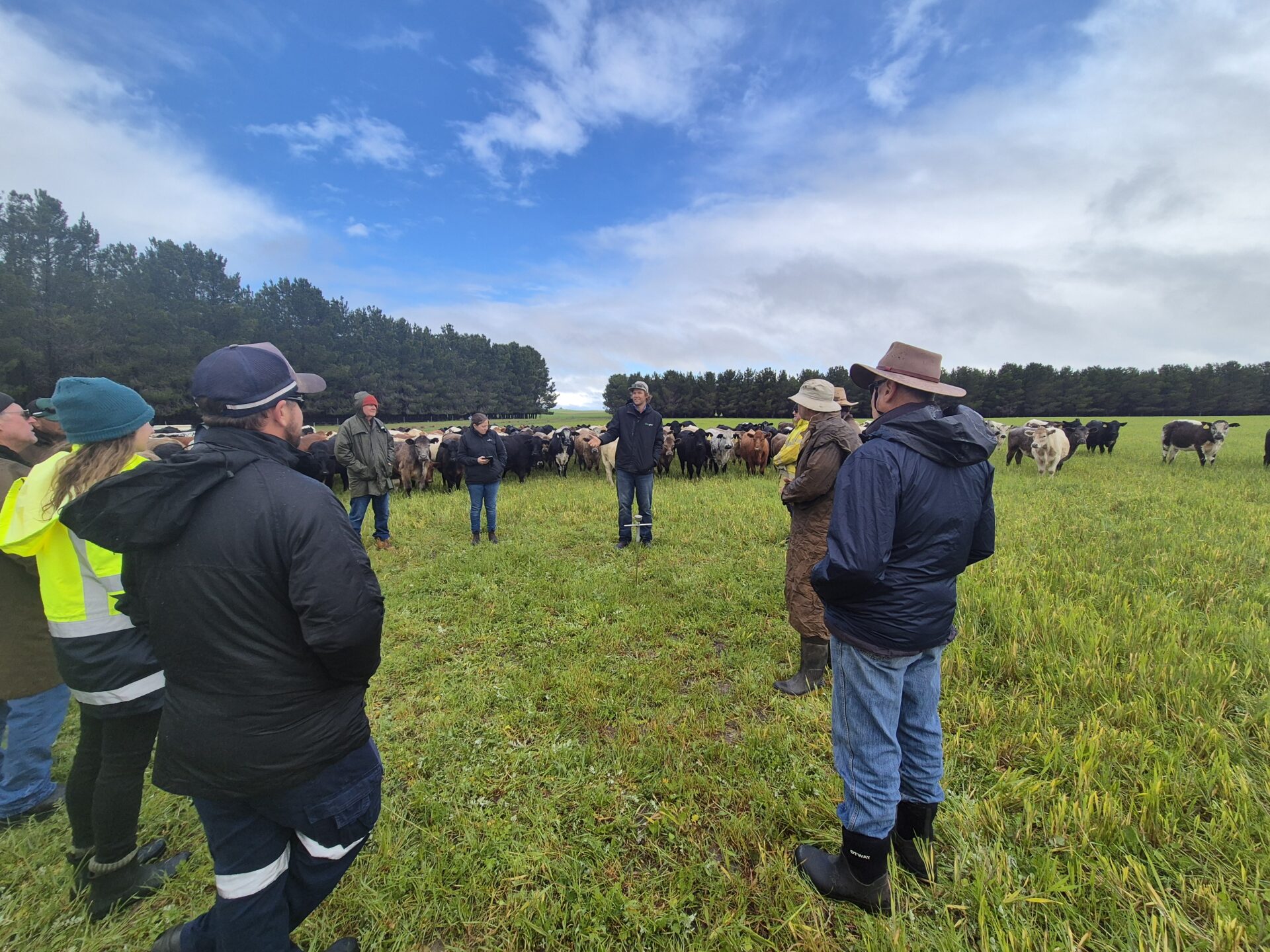
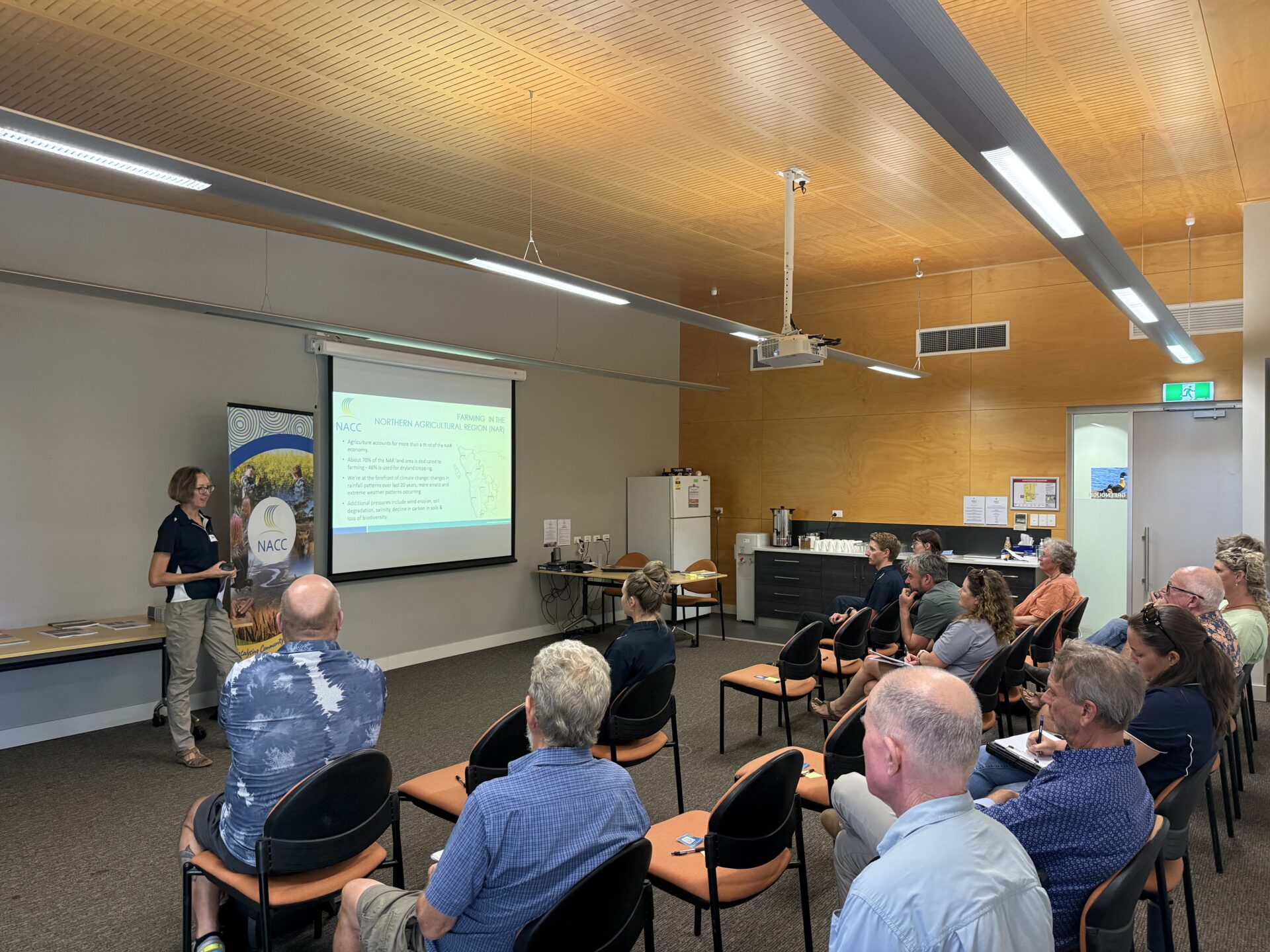
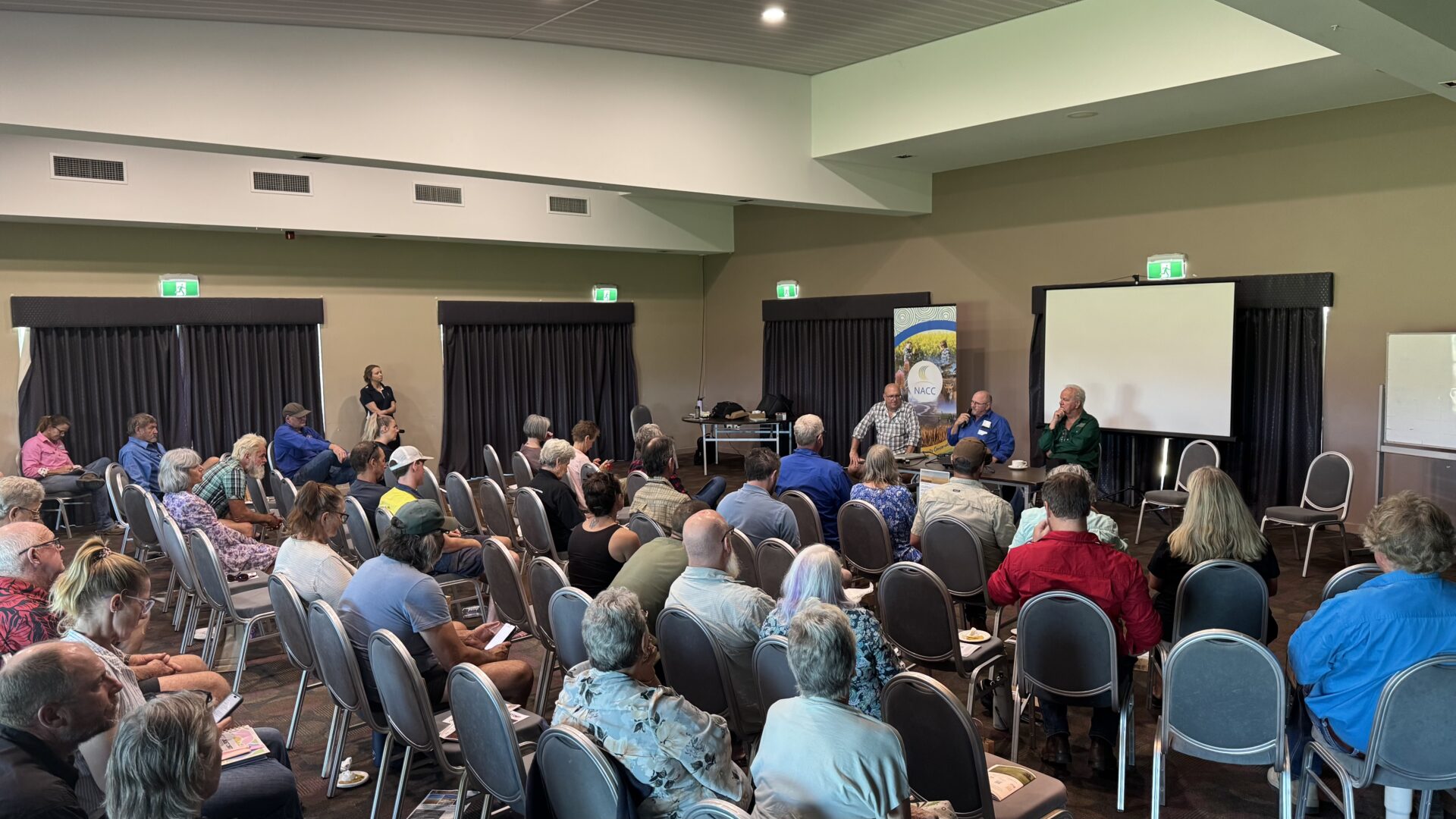
A highlight this year was the positive community response to the Not Just Dirt: A Hidden Ecosystem forum and roadshow, featuring renowned soil health advocate Kevin Elmy. These events attracted enthusiastic crowds, directly engaging more than 100 farmers, landholders, and industry representatives. Attendee feedback indicated increased knowledge of soil function and climate resilience, along with greater understanding of practical options for adapting to a changing climate. Strong interest in these activities led to the establishment of two Resilient Farming Learning Groups, creating ongoing opportunities for farmers to share experiences, discuss challenges and learn from one another as they test and adopt new practices.
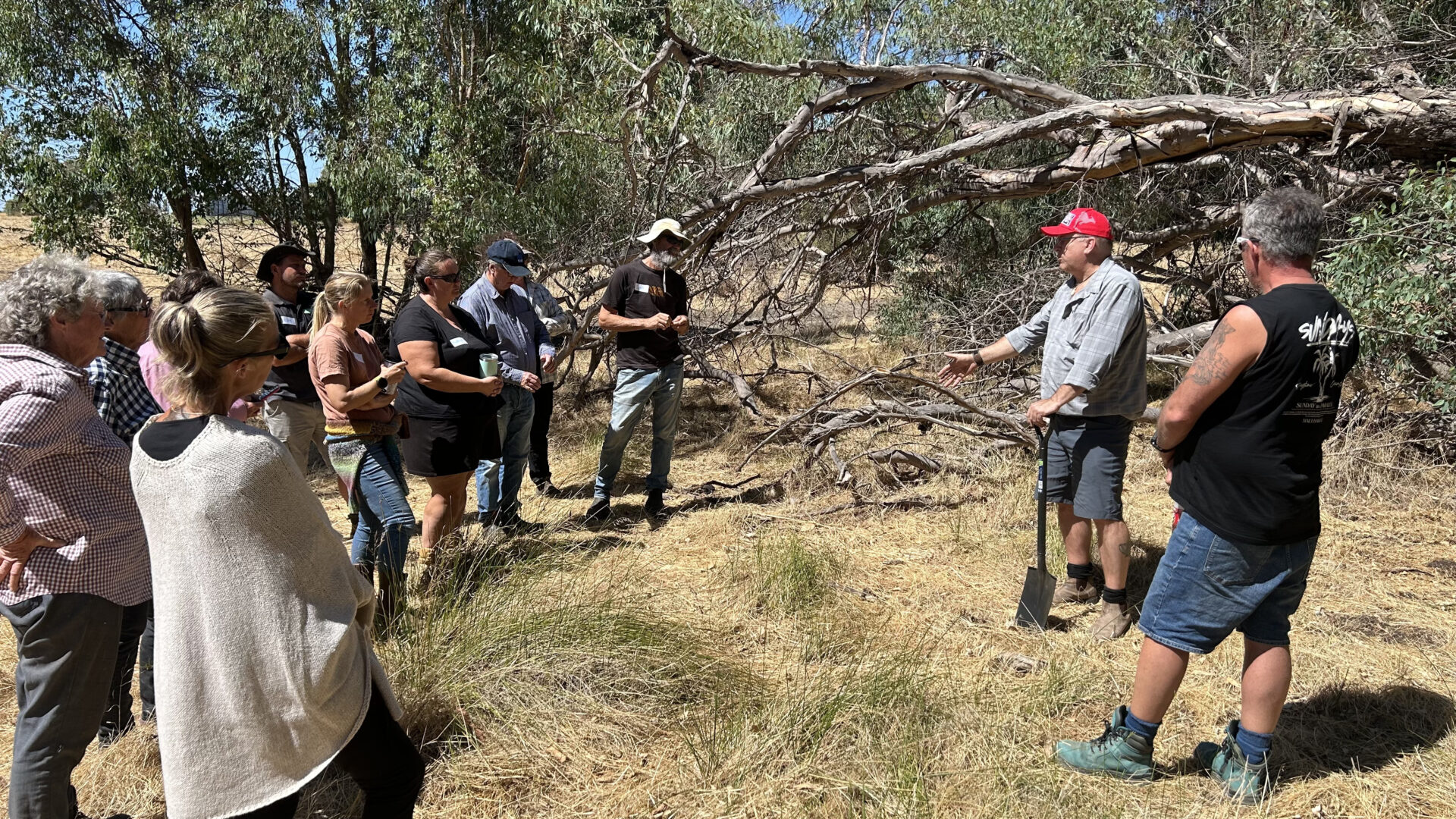
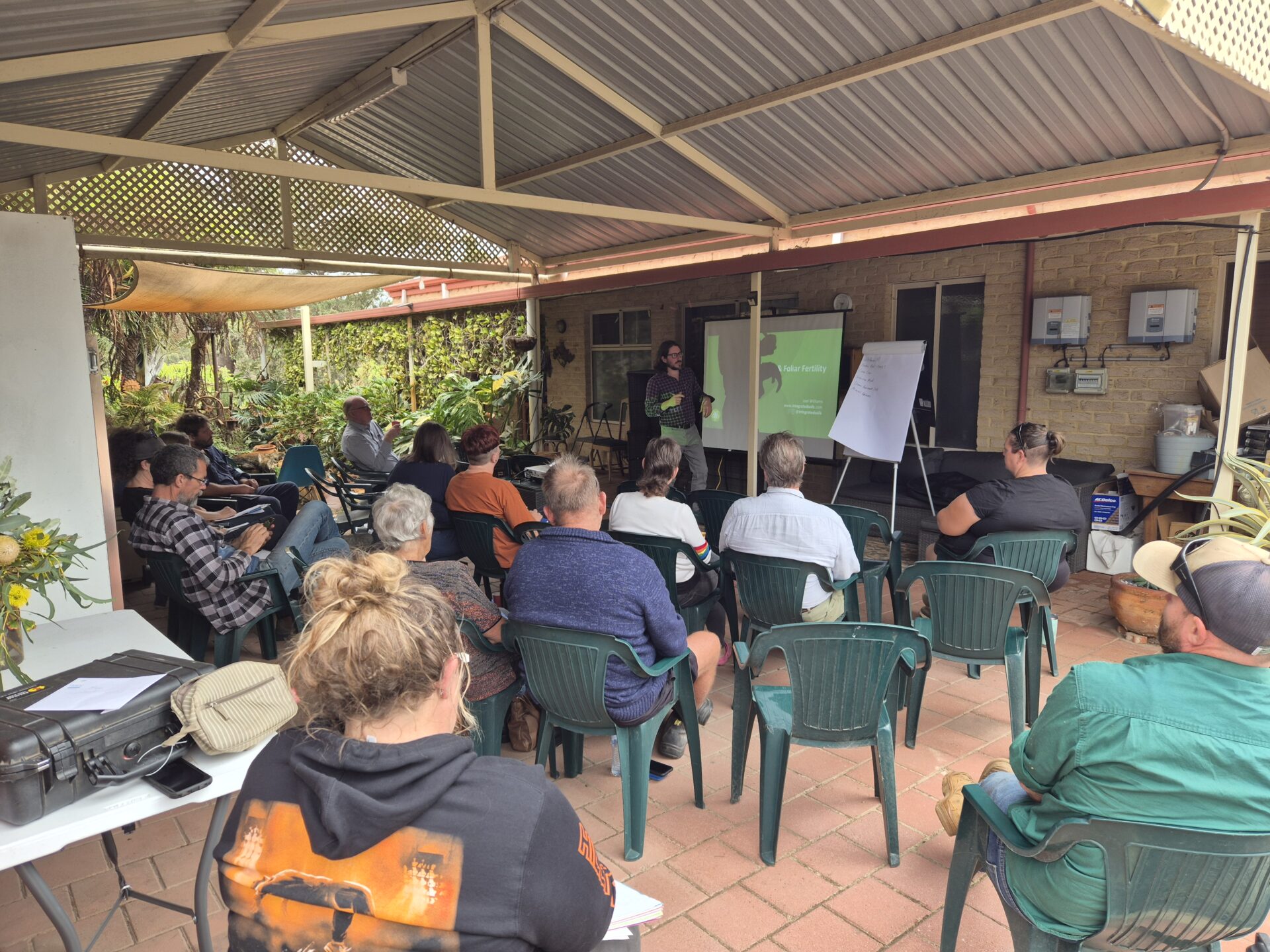
This year, the Sustainable Agriculture team invested in delivering events with specialised presenters and evidence-based activities to support extension outcomes. In addition to the event series with Kevin Elmy, the team coordinated two sustainable farming workshops with Joel Williams, a field walk showcasing the results of rehydration works at Tallering Views, and a hands-on basic soil assessment workshop led by the SoilsWest team. The program also strengthened relationships with grower groups, researchers, industry organisations and Indigenous-led partners, creating opportunities for future collaboration and project development.


In 2020-21 I talked about ‘raising the bar’. In 2021-22 we worked on setting the bar on fire. Over the last 12 months, the team at NACC NRM has not stopped.
The Sustainable Agriculture team has extended the program’s reach through collaborations with grower groups in the regions. Specifically, the Beyond Reasonable Drought project and Grower Group Alliance – South West WA Drought Innovation Hub – Geraldton Node project. The Beyond Reasonable Drought partnership with grower groups supported farmers across the region to improve the environmental sustainability of their agricultural production and drought resilience. The outcomes of this project have been consolidated through our successful Expression of Interest to the South West WA Drought Innovation Hub, with support from grower groups across the region, to host the Geraldton Node of the Hub. The program continues to focus on working with agricultural networks to share technical expertise and provide opportunities that will improve land management practices in agriculture across the region.
The conservation outcomes of ranger teams have expanded through work on several land tenures. Maintaining Heritage sites such as Willi Gulli, Racecourse Paddock and Buller River has long been a priority. During 2021-22, the teams have increasingly focused on threatened species and ecosystems.
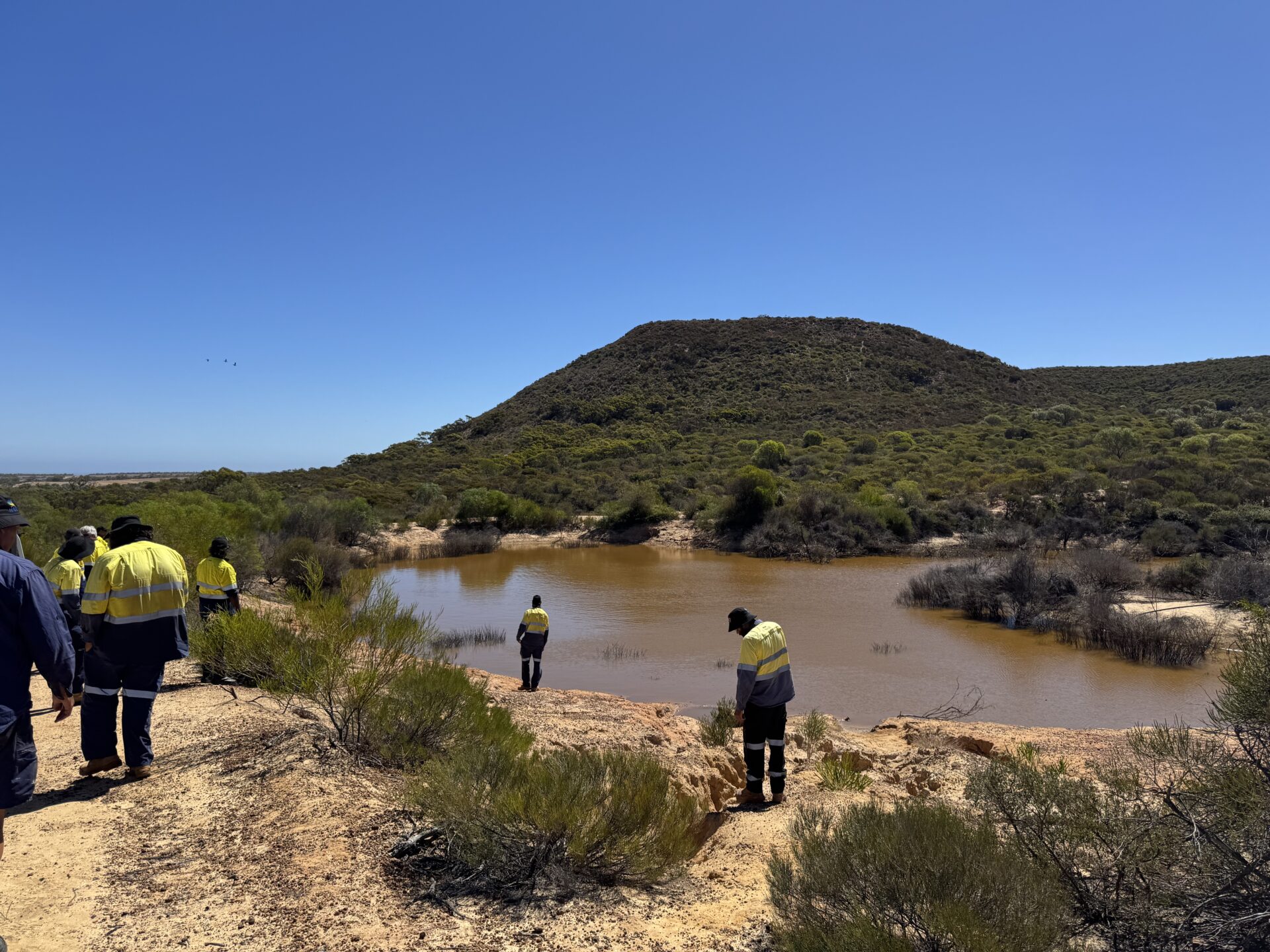
To this end, Western Mulga rangers have improved management across 19,000 ha for the conservation of Malleefowl through firebreak and access management. They completed the maintenance of water holes and supported the monitoring of over 90 Malleefowl mounds.
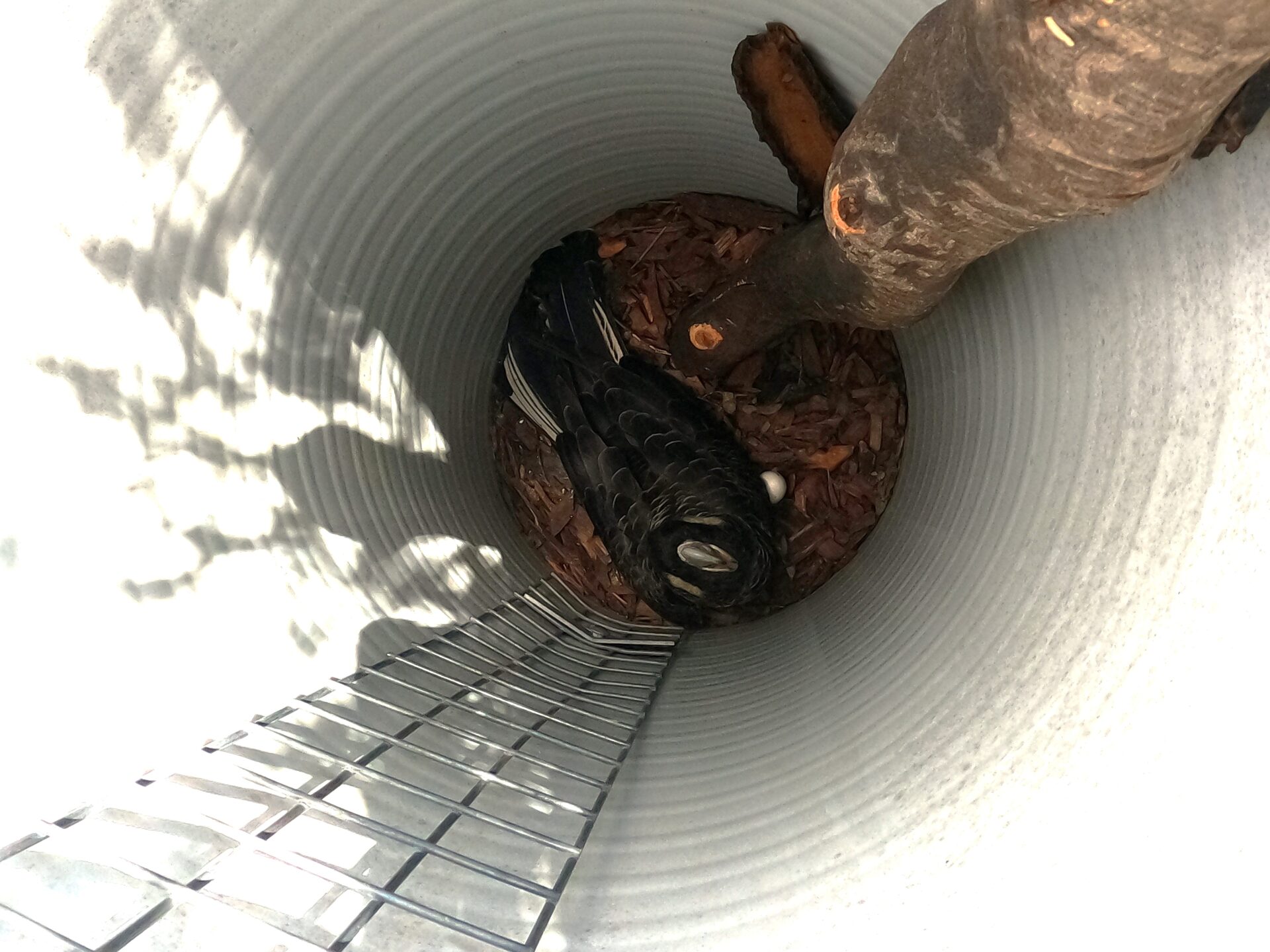
Similarly, the Kwelena Mambakort Aboriginal Corporate ranger team have contributed positively to Carnaby’s Black Cockatoo populations by installing artificial hollows and habitat restoration.
All ranger teams have collected native seed, propagated native plants for restoration, and planted native vegetation in key locations across the NAR. Seed collection provides valuable industry experience and has facilitated the planting of over 100,000 seedlings during the year.
In September 2021, the NACC NRM team delivered the WA Threatened Species Forum, held in tandem with the National Malleefowl Forum. Given the impact of COVID and the timing of this event, having more than 100 delegates from all over Australia was a significant achievement. The two Forums brought together 12 events over five days and featured 14 local artists, 25 businesses and 36 youth participants.
Following the successful relaunch of our updated NARvis, NACC NRM was invited to help lead a significant piece of strategic planning work for the region with Mid West Development Commission and the Department of Primary Industries and Regional Development. With funding from the Australian Government’s Future Drought Fund, the consortia delivered a Regional Drought Resilience Plan covering the shires of Northampton and Chapman Valley and the City of Greater Geraldton, along with significant technical analysis of drought vulnerability for the South West land division. The development of this plan also included extensive community consultation to ensure that local knowledge and technical advice guided the development of priorities for action.
This planning work links to existing NACC NRM on-ground projects, including Beyond Reasonable Drought and the Chapman Catchment Collaborative regeneration project.
It was a busy year for events with face-to-face events becoming commonplace again. During 2021-22 we hosted events in Gingin, Moora, Dalwallinu, Cervantes, Jurien Bay, Walkaway, Nabawa, Perenjori, Kalannie and Morawa. We supported events in Karakin, Thundellara, Perenjori, Paynes Find, Wubin, Cataby, Warradarge, Northampton, Yuna, Dalwallinu and Dandaragan.
We also supported on-ground works throughout the region, including at the following locations Yuna, Dalwallinu, Dandaragan, Merkanooka, Goodlands, Kalannie, Bunjil, Yardarino, Canna, Kondut, Latham, Kadathinni, Nabawa, Red Gully, Sandy Gully, Waddy Forrest, Devils Creek, Perenjori, Bowgada, Ellendale, Wandana, Namban, Hill River, Warradarge, Gillingarra, Regans Ford and Moonyanooka.
Our region is vast – slightly larger than Tasmania, which for comparison, is serviced by three separate NRM organisations. Covering the NAR region and its many environmental threats is challenging. We continue to focus on partnerships and collaboration to address this challenge. We know that by working with our community through passionate delivery of collaborative on-ground projects and education, the community will value and actively protect our region’s natural capital.
This year we have launched a new Reconciliation Action Plan (RAP). The RAP Working Group consulted widely and developed an Innovate RAP which Reconciliation Australia approved in March 2022. The activities to fulfil these commitments are now in full swing.
Sadly, at the end of 2021, we farewelled former NACC NRM CEO Shelley Spriggs, who lost a long battle with cancer. Shelley was an inaugural inductee to the NRM Leadership Honour Roll. I will always be grateful for her guidance and no-nonsense approach, not to mention her passion for life.
While we have said farewell to some, we have welcomed many new faces across all programs, including our Administration team. We have also hosted a school-based trainee from Nagle Catholic College who has been working towards a Certificate II in Conservation and Ecosystem Management. This trial position has been very successful, and we look forward to making this opportunity available again in 2023.
During 2022 we have taken on new projects that align with our organisational and program objectives, and we have successfully completed some great initiatives that support continued conservation and sustainability outcomes. I want to thank the whole team who continue to go above and beyond for the organisation and each other proving their ongoing commitment to our purpose and our values.