
Biostimulants: are these the boost to broadacre we have been waiting for?
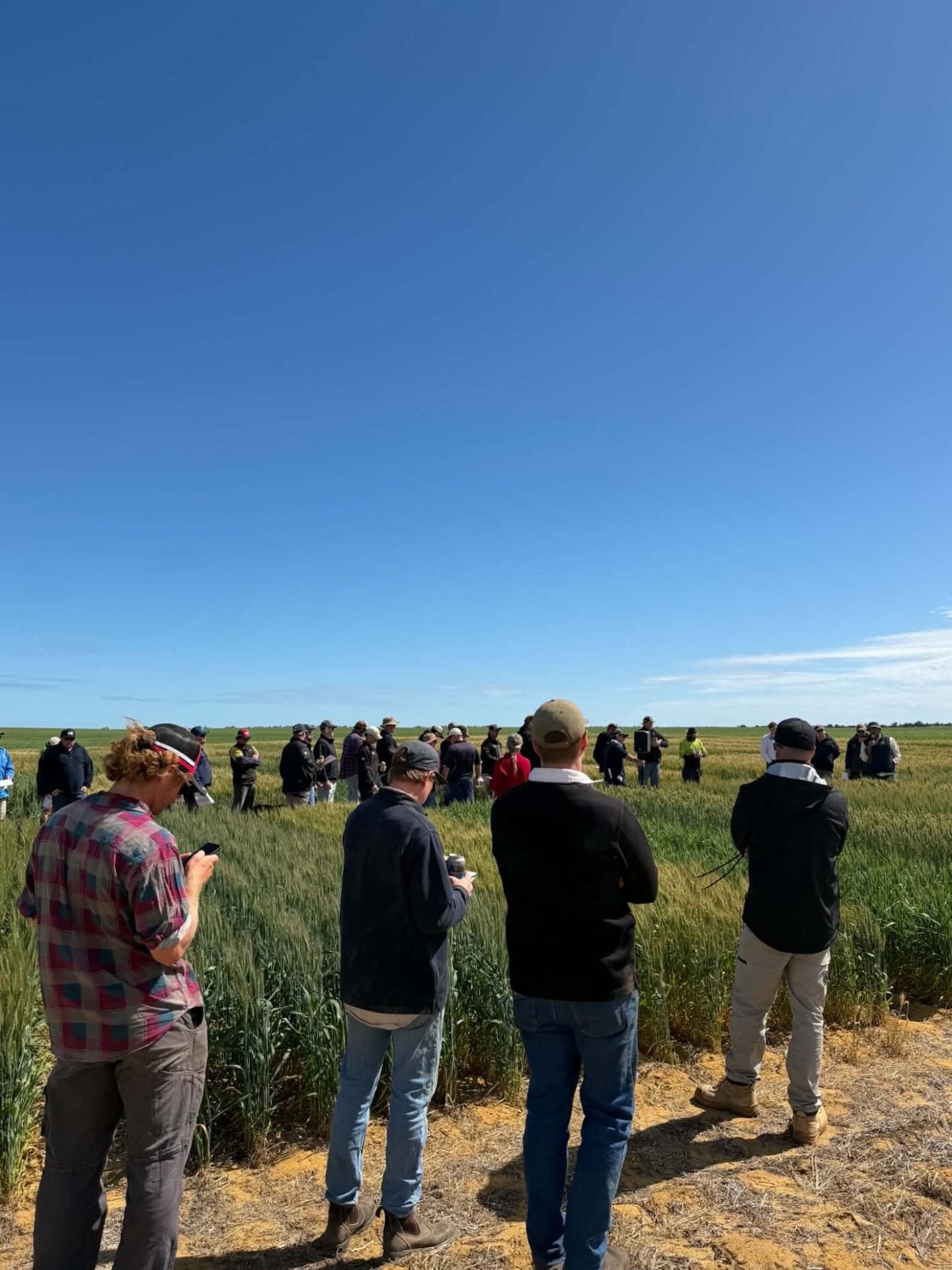
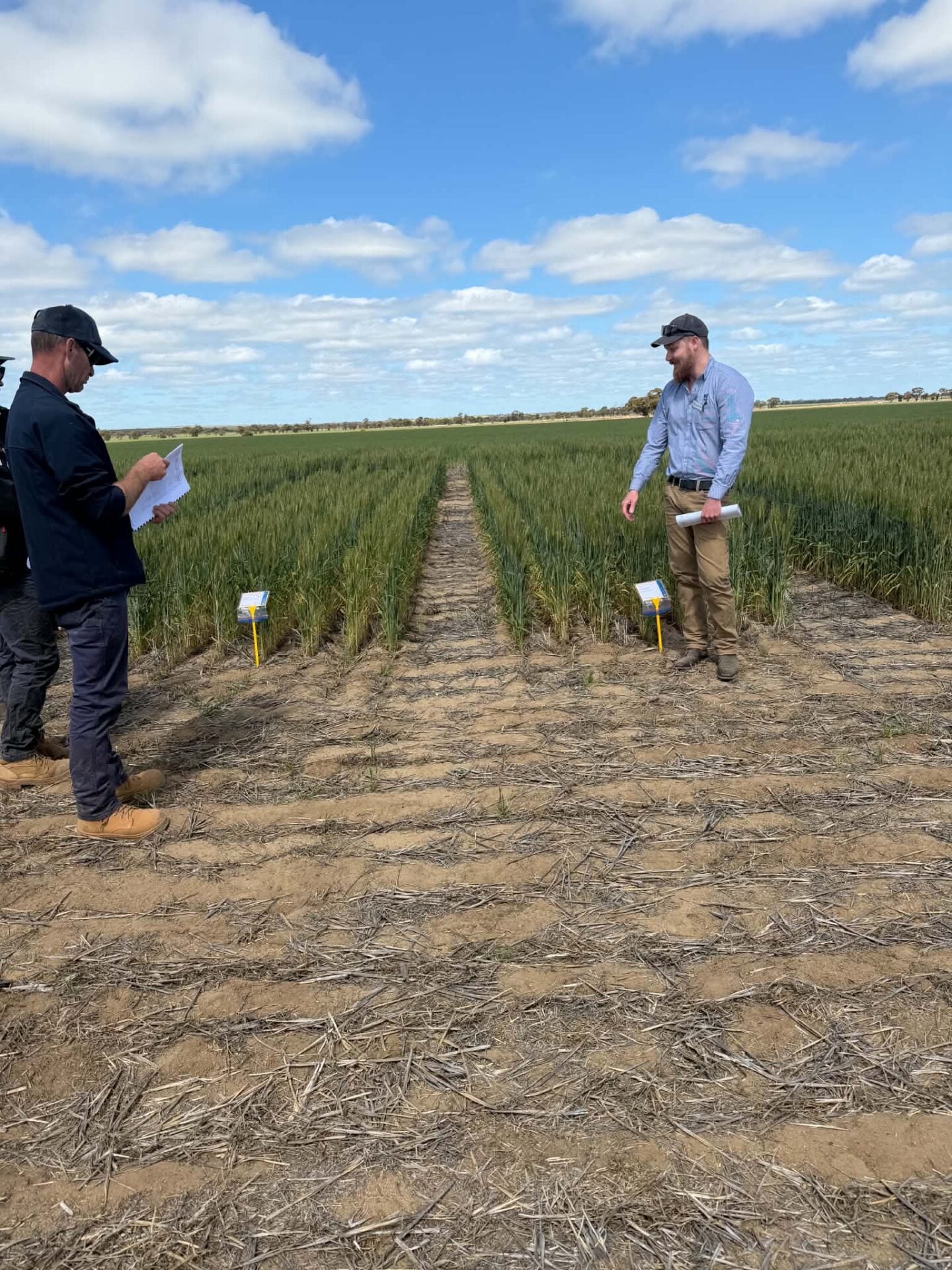
Farmers are facing increasing pressure when it comes to input costs, fluctuating market prices and variable season conditions. With these pressures there is a desire to get the most bang for their buck from input costs. During the spring field day circuit many grower groups touched on the topic of biostimulants and how they can help growers get more from their inputs and yield of their crops at a relatively low price. But what are biostimulants and does the research stack up to support their application in the Northern Agricultural Region (NAR) farming systems?
What are biostimulants?
Biostimulants are a substance that is applied to plants or soil via a range of applications that is said to improve nutrient efficiency, tolerance to environmental pressures and both crop yield and quality. The term plant biostimulant was first coined in 1997 to describe compounds capable of promoting plant growth that does not function as direct nutritional input (e.g. fertilisers). The European Biostimulant Industry Council formalised the description with regulatory framework which defined biostimulants as any substance or microorganism applied to plants or the rhizosphere (narrow zone of soil directly surrounding living plant roots) that stimulates intrinsic physiological processes, thereby enhancing nutrient acquisition and use efficiency, tolerance to abiotic stress, and crop quality, independently of its nutrient content. Some biostimulant products contain fertiliser, making it important to distinguish between nutritional response and a biostimulant effect.
Common biostimulant groups include:
- Humic and fulvic substances: materials associated with decomposed organic matter, investigated for effects on root development and nutrient availability.
- Seaweed and other plant extracts: mixtures containing compounds that may influence plant growth and stress responses.
- Protein hydrolysates and amino acids: products containing amino acids and short protein fragments, investigated for effects on plant metabolism and stress tolerance.
Microbial inoculants: products containing beneficial bacteria or fungi intended to support plant growth or nutrient acquisition. Living organisms need suitable conditions to survive and function; products made from microbial extracts act differently.
How do biostimulants work?
Depending on the type of biostimulant that is used it can have effect on root growth, nutrient uptake or the processes plants use to cope with heat, drought and salinity. They can affect the plants signalling, cell replication rates and interactions with the microorganisms around the plant roots.
Application methods can range from a foliar application which can be mixed in a spray tank with other products such as liquid Nitrogen or it can be coated onto fertiliser granules and spread during fertiliser applications. The type of application and timing really depends on the intended use of the biostimulant and what is its intended purpose.
Is there evidence that biostimulants work in the NAR?
There is evidence of benefits however further trials are required to strengthen these results.
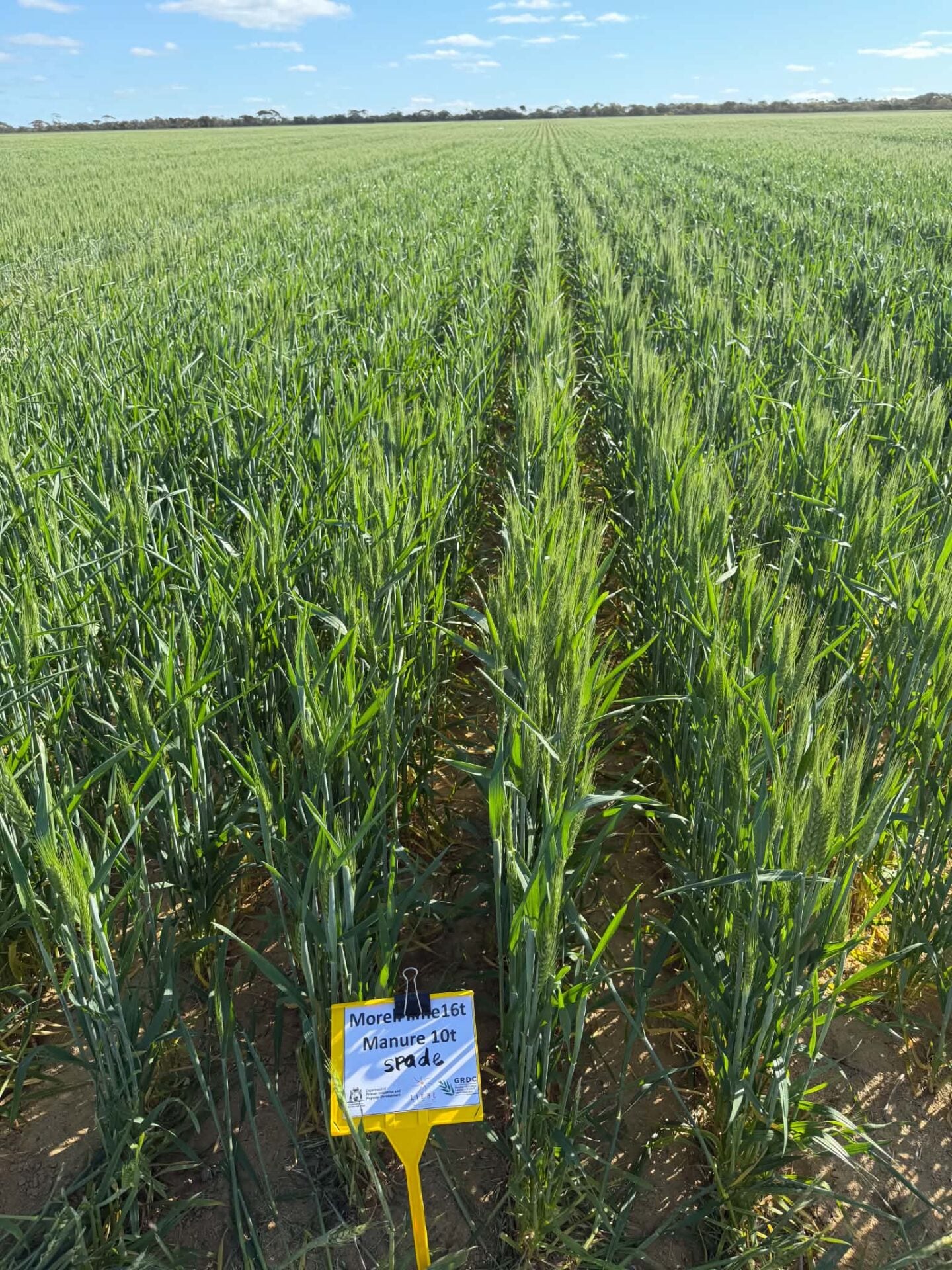
A WA study published in 2026 evaluated three commercial biostimulants in wheat under different conditions – a controlled environment, an irrigated field environment in Shenton Park and rainfed conditions in Merredin. There trials did not show significant changes to grain yield or protein relative to synthetic fertiliser treatments. You can read more about this trial here: https://onlinelibrary.wiley.com/doi/10.1002/sae2.70197
A study in 2016 based in the West Midlands on Bioprime resulted in the conclusion that biostimulants have a greater chance on improving yield during poor years on poor soil types rather than yields on good soils in good growing conditions. More information about this trial can be found here: https://www.farmtrials.com.au/trial/18663
The researchers also cautioned that higher calculated nitrogen-use efficiency under some reduced nitrogen treatments could reflect lower nitrogen inputs, rather than improved nutrient uptake. These findings apply to the products and conditions tested; they do not settle the question for every biostimulant. They do, however, demonstrate why field validation matters.
Summit Fertilizers are currently undertaking trails across the state in conjunction with grower groups such as West Midlands, Mingenew Irwin Group and 3-Fin. These trials are looking promising however the data is not yet available – it will be interesting to see how these trials stack up against previous research undertaken.
An article in Farming Ahead has shown that trials across Western Australia and South Australia have seen a 9-11% improvement in yield using Biostart biostimulant. However, as the data has come from the Biostart website and not an independent researcher it is not recommended to rely on this data alone.
The NAR encompasses many different growing conditions which can result in different outcomes for similar trials. It is important for growers to determine what they are attempting to achieve and figure out the limiting factors that need addressing to improve crop performance before adding further inputs.
Who regulates biostimulants?
Fertiliser Australia have developed a voluntary Biostimulant Labelling Code of Practice (CoP) to improve transparency and consistency. This CoP covers microbial products, humic substances, plant extracts and protein hydrolysates, however it is an industry code rather than a government code.
You can view the CoP here.
The Australian Pesticides and Veterinary Medicines Authority (APVMA) require registration of biostimulants based on the products characteristics if they contain pest or plant disease control. However, the word biostimulant does not determine regulatory status, this can create issues with misleading products.
Should growers be adding another input?
Before growers attempt to add another input to the mix, they should ask themselves the following questions:
What am I trying to achieve? If it is improved yields, better protein or healthier soils these outcomes need to be measurable to determine if another input will achieve your goals.
Is there evidence supporting this produce? Approach your local grower groups and see if there is an option to add a trial to test these products in your area in similar soil types that you work with? Also purchasing small amounts and testing in your own trial can be a useful tool to determine the effectiveness on your property.
The Future Farm Foundations project is funded under the Natural Heritage Trust’s Climate-Smart Agriculture Program.