
NACC NRM’s Sustainable Agriculture Team travelled to Canberra this year to attend the biennial Sustainable Agriculture Facilitator (SAF) Conference.
Held over two days at the National Museum of Australia, the conference brought together sustainable agriculture facilitators, regional soil coordinators, Department of Agriculture, Fisheries and Forestry (DAFF) staff and industry representatives to explore the challenges and opportunities facing Australian agriculture.
The first morning focused on engagement, extension and collaboration. Keynote speakers shared practical tools and techniques for engaging with stakeholders, with a strong message that social connection underpins successful working relationships. One phrase that particularly resonated, “connection before content”, was a reminder to take the time to build trust and relationships before getting down to business.
After lunch, the focus shifted to carbon and natural capital markets and current Australian Government programs. A key takeaway was the importance of looking beyond the potential financial incentives to consider the broader benefits that well-designed carbon projects can deliver, including improvements in soil health, biodiversity and long-term farm resilience. These outcomes can provide lasting value alongside any income generated.
The sessions also highlighted the importance of sharing clear, accessible information through our SAF networks to help landholders understand these markets and assess whether participation suits their businesses. The emerging Nature Repair Market was of particular interest, offering insight into opportunities to support biodiversity restoration and protection. More information is available on the Australian Government’s Nature Repair Market webpage.
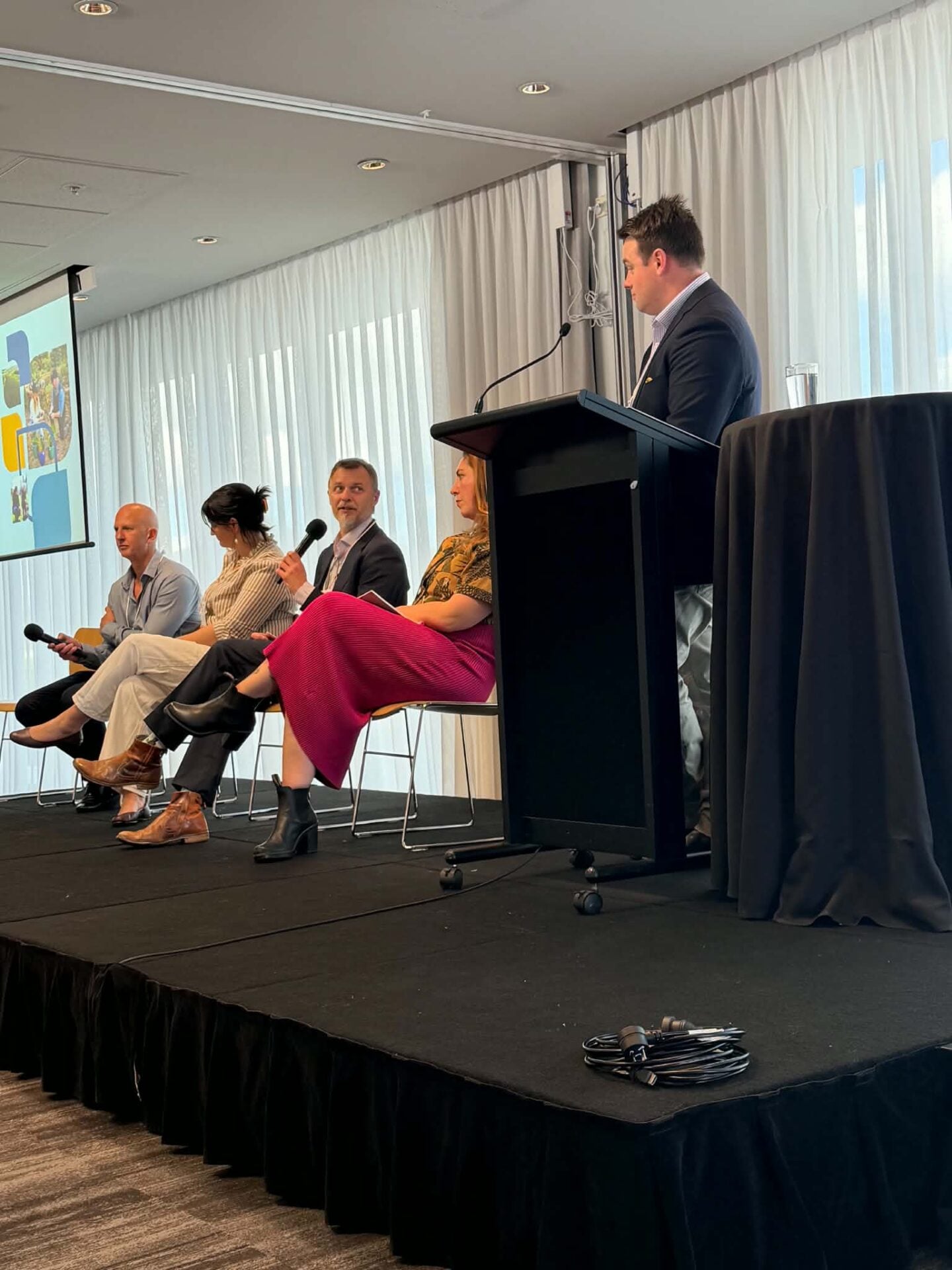
Panel discussions brought speakers together to explore each theme and respond to audience questions. A simple but valuable message was repeated throughout: listening is one of our most important tools. Giving people the space to share their experiences, interests and concerns helps build the understanding needed for meaningful connection and collaboration.
Following a full day of learning, dinner provided an opportunity to continue the conversations in a more relaxed setting. It was fantastic to connect with NRM and Landcare organisations from across Australia and hear about their challenges and successes. Although our regions differ in soil types, rainfall and farming enterprises, sharing these experiences helped build a broader picture of Australian agriculture and the many challenges we have in common.
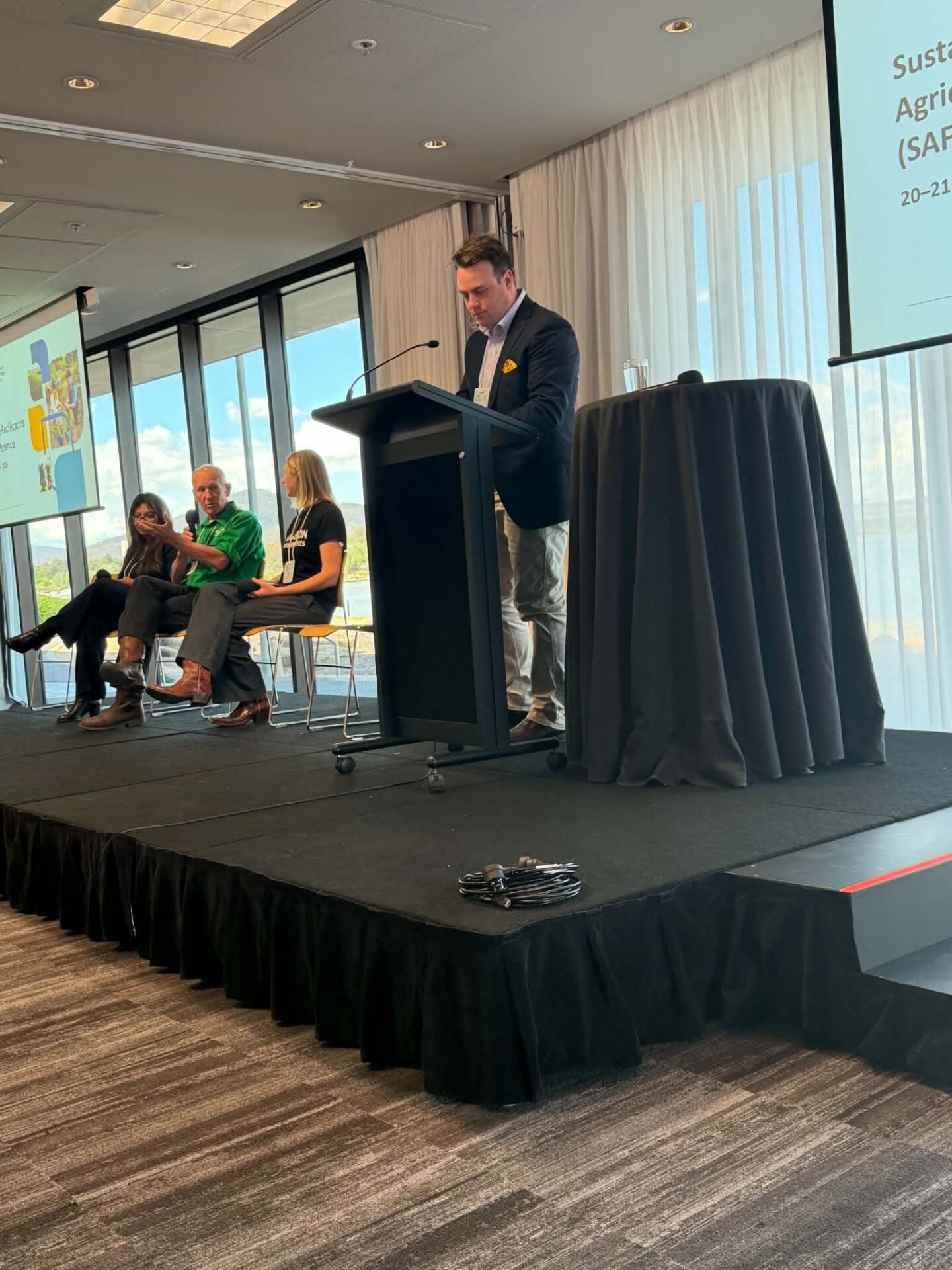
Day two began with a focus on First Nations-led approaches to sustainable agriculture. Conference MC Joshua Gilbert opened the discussion by exploring First Nations participation in the agricultural sector. The low representation of First Nations students in agricultural studies, highlighted in his presentation, left us with plenty to consider about how our sector can better support pathways for young people.
Speakers offered valuable perspectives on respectful engagement, building relationships and supporting greater First Nations involvement in agriculture. These discussions reinforced the importance of listening, recognising existing knowledge and experience, and creating opportunities shaped by First Nations people and their priorities.
The final conference theme explored food security and the circular economy. The scale of food waste presented was confronting, but the discussion also highlighted opportunities to make better use of resources, reduce waste and retain value within our food and agricultural systems.
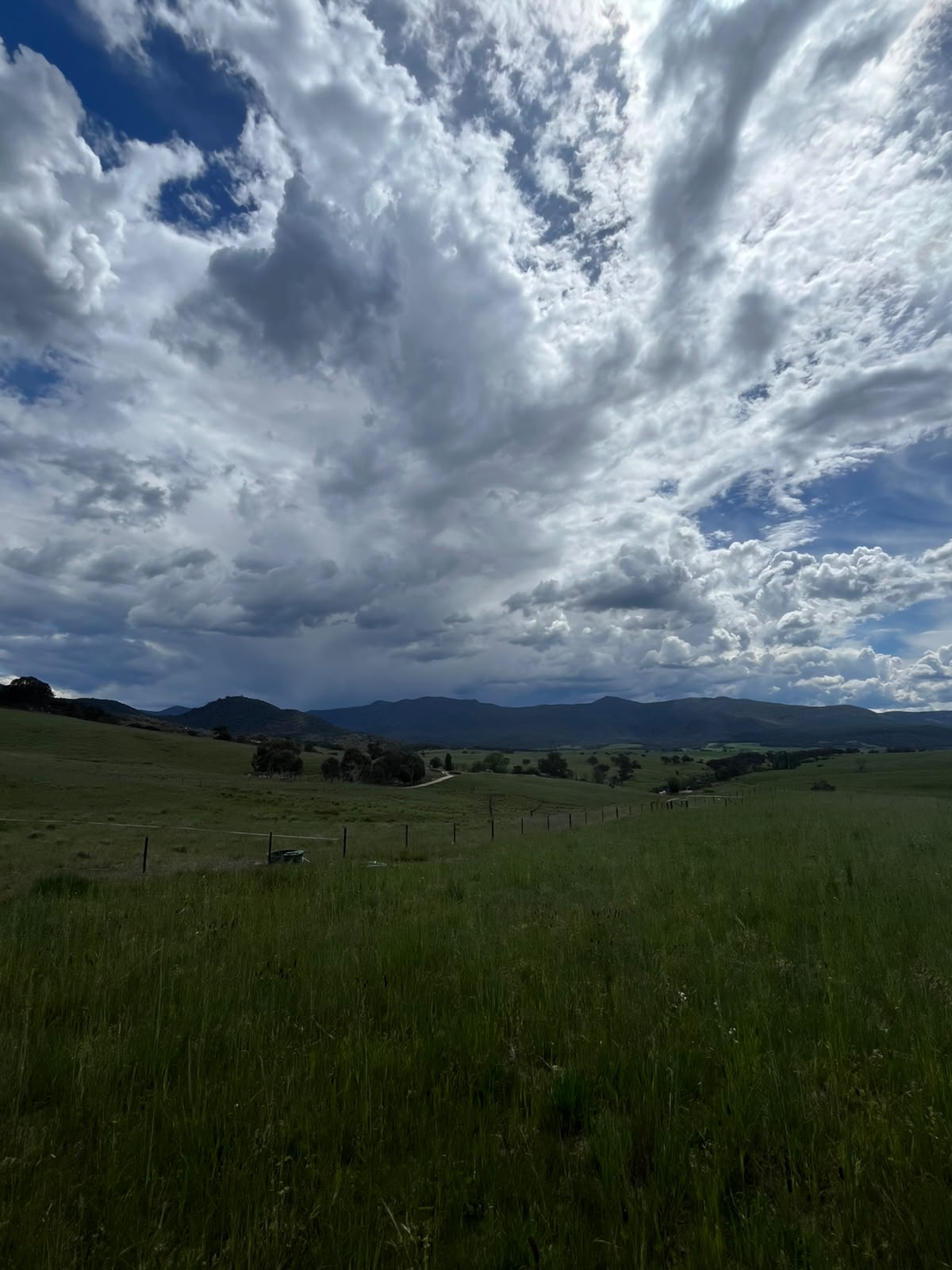
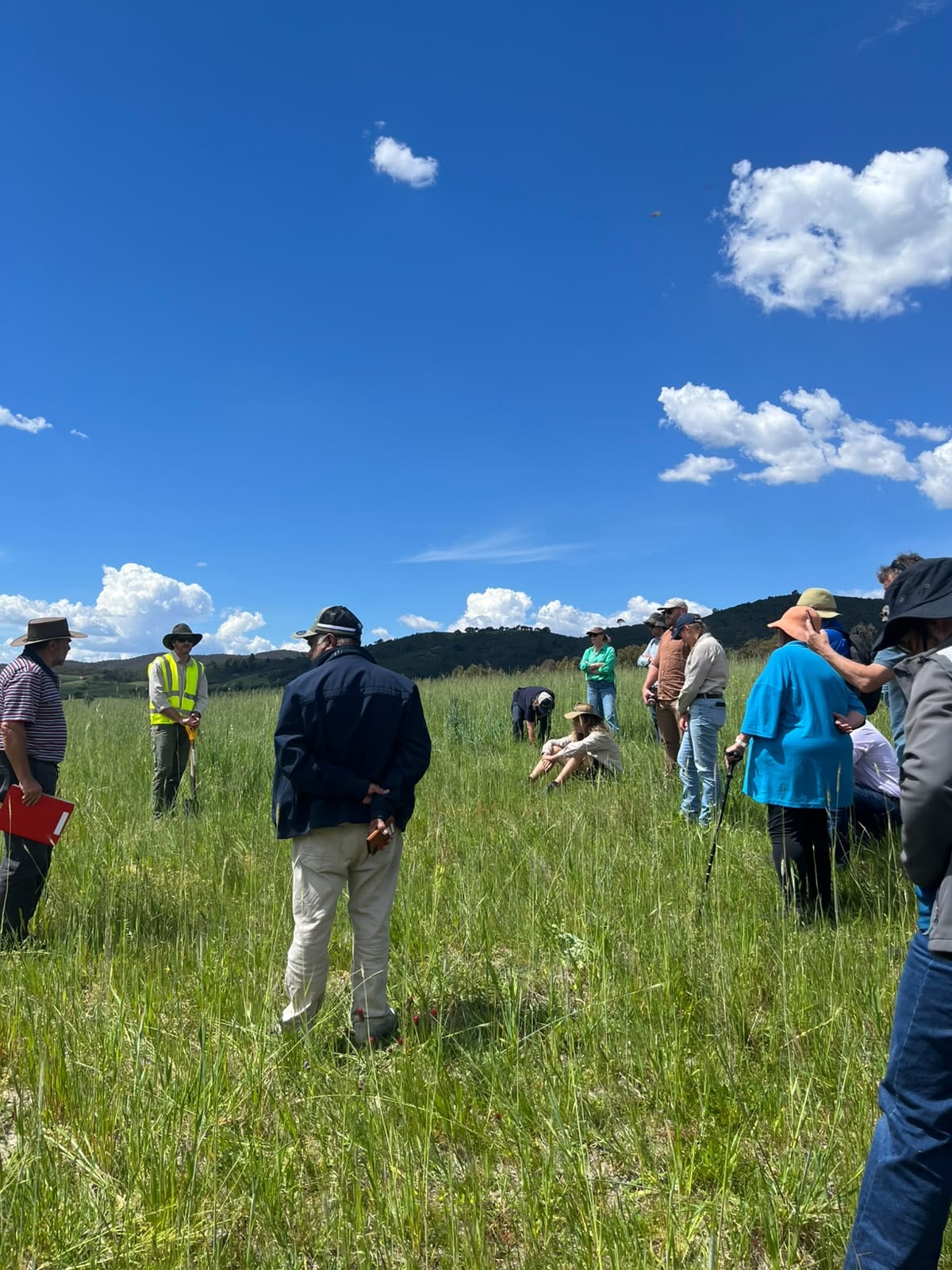
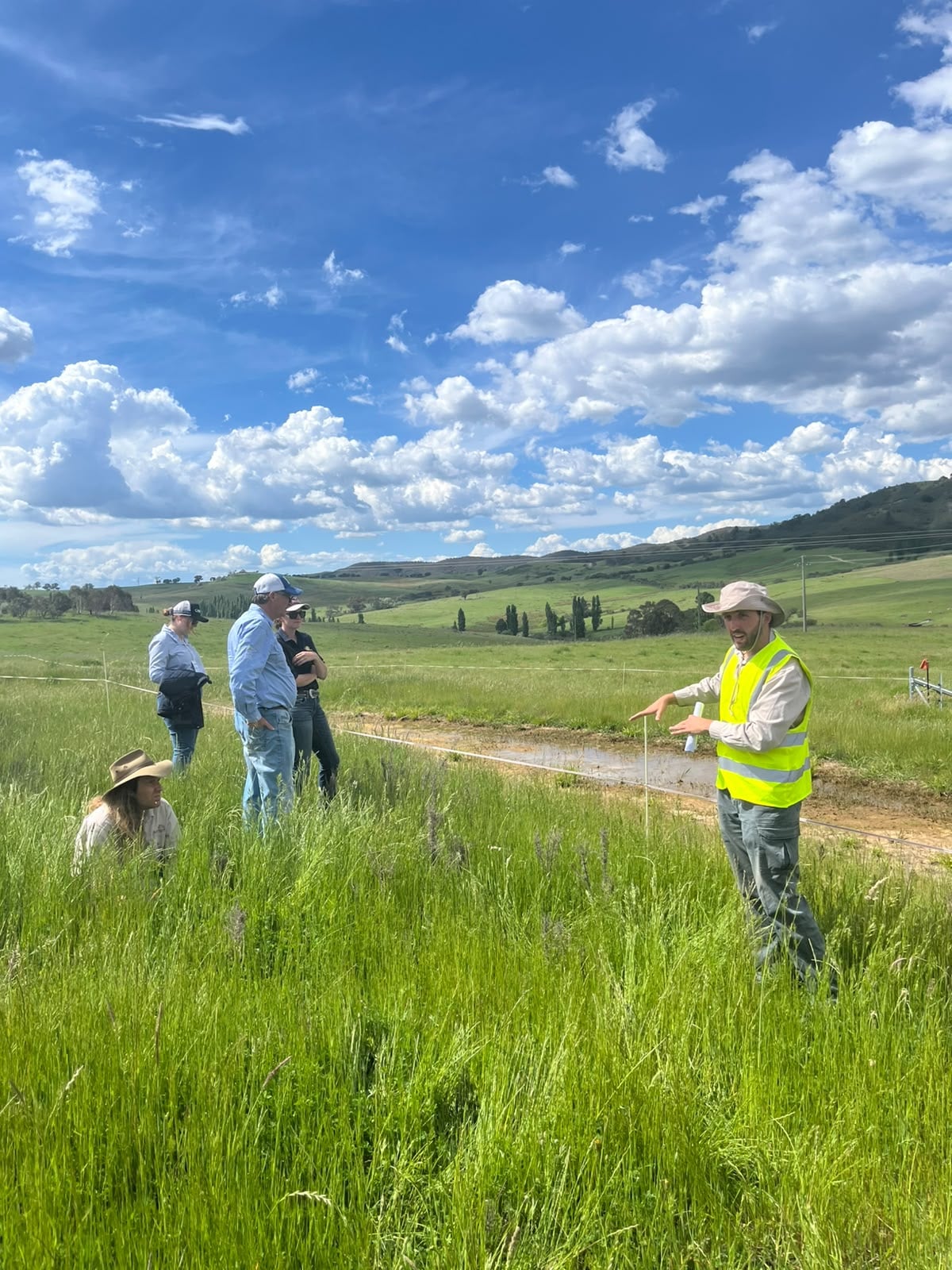
After lunch, we boarded the bus for a visit to Gibraltar View, a picturesque farm near Tidbinbilla Nature Reserve. Set in a valley, the property faces soil constraints that create challenges across the seasons, with soils that can set hard in summer and become wet and difficult to sow during winter.
For those of us from the Northern Agricultural Region, where around 300 mm can represent a good annual rainfall total in some areas, it was striking to hear about the challenges of farming in a landscape receiving approximately 800 mm. It was a useful reminder that higher rainfall brings its own management challenges.
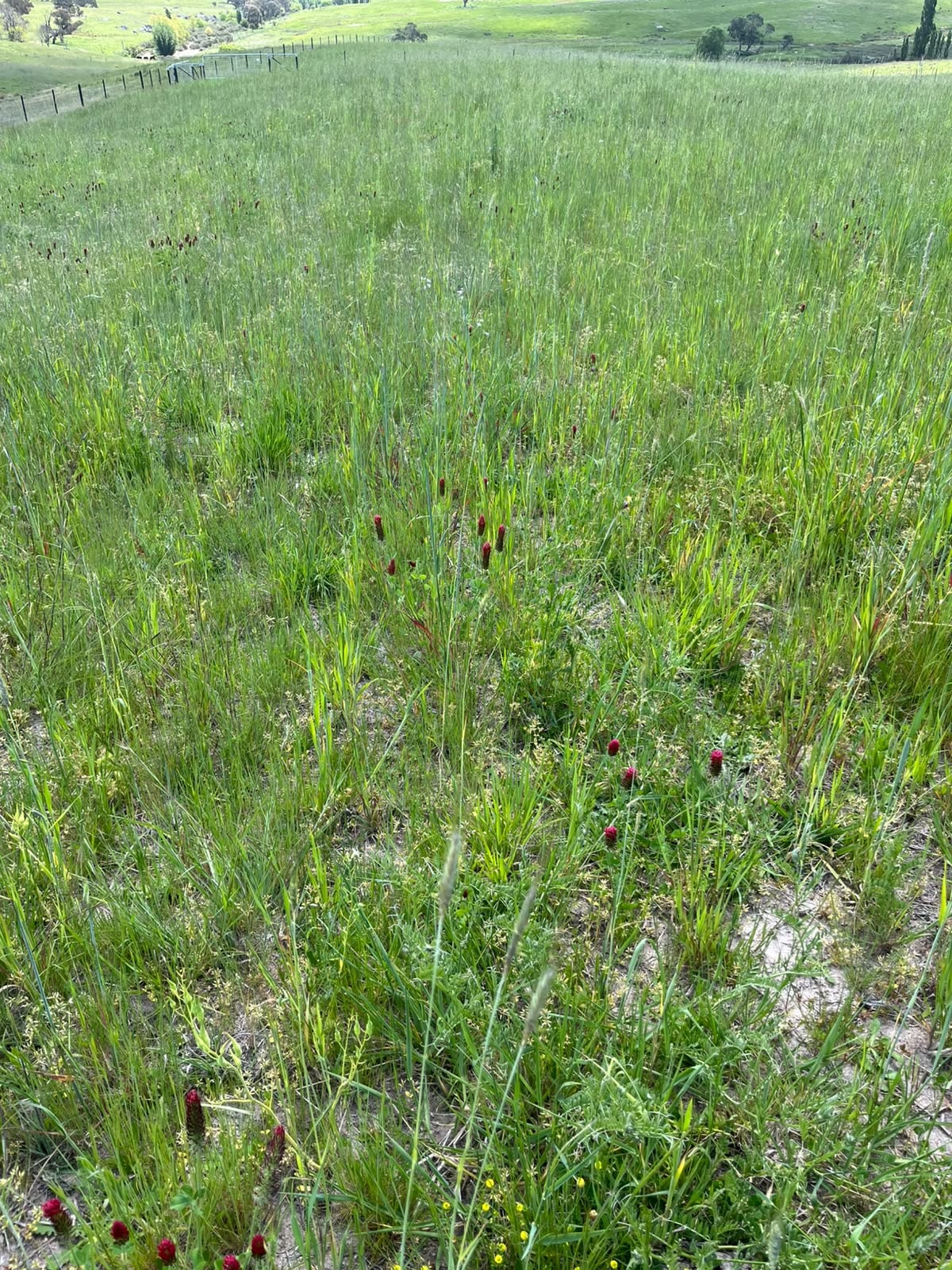
Farm owner Nick shared the property’s background, while the NRM ACT team outlined the trials underway. A multispecies cover crop trial was in its second year, alongside investigations into grazing timing. The team reported encouraging increases in biomass, although soil health remained a central measure of success. With further soil testing planned, it will be interesting to see how the results develop.
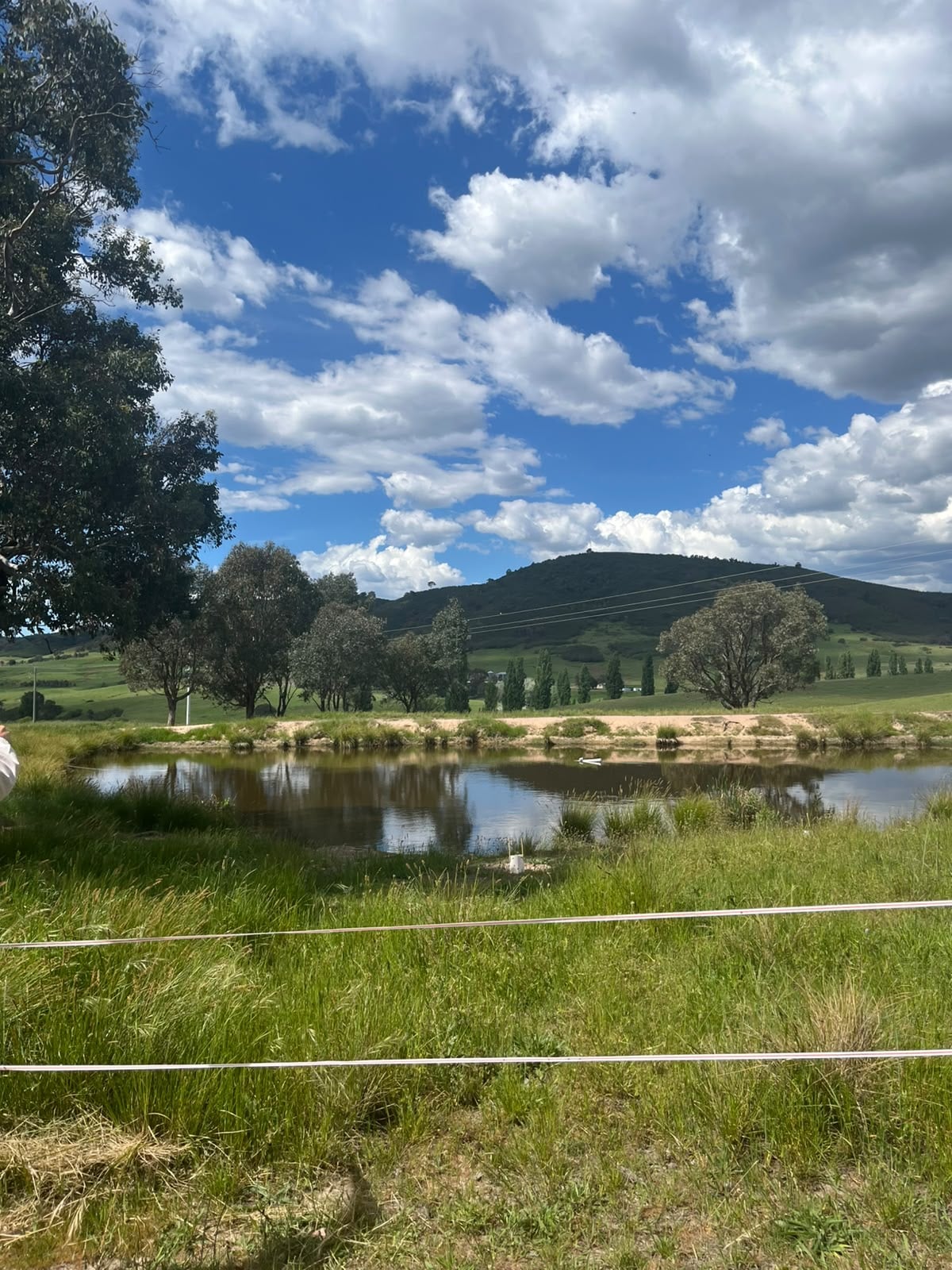
We also visited a dam where restoration work and fencing were helping protect the banks and surrounding vegetation from cattle access. A swale had been constructed to manage overflow and slow runoff, providing a practical example of how changes to water movement and grazing access can support landscape repair.
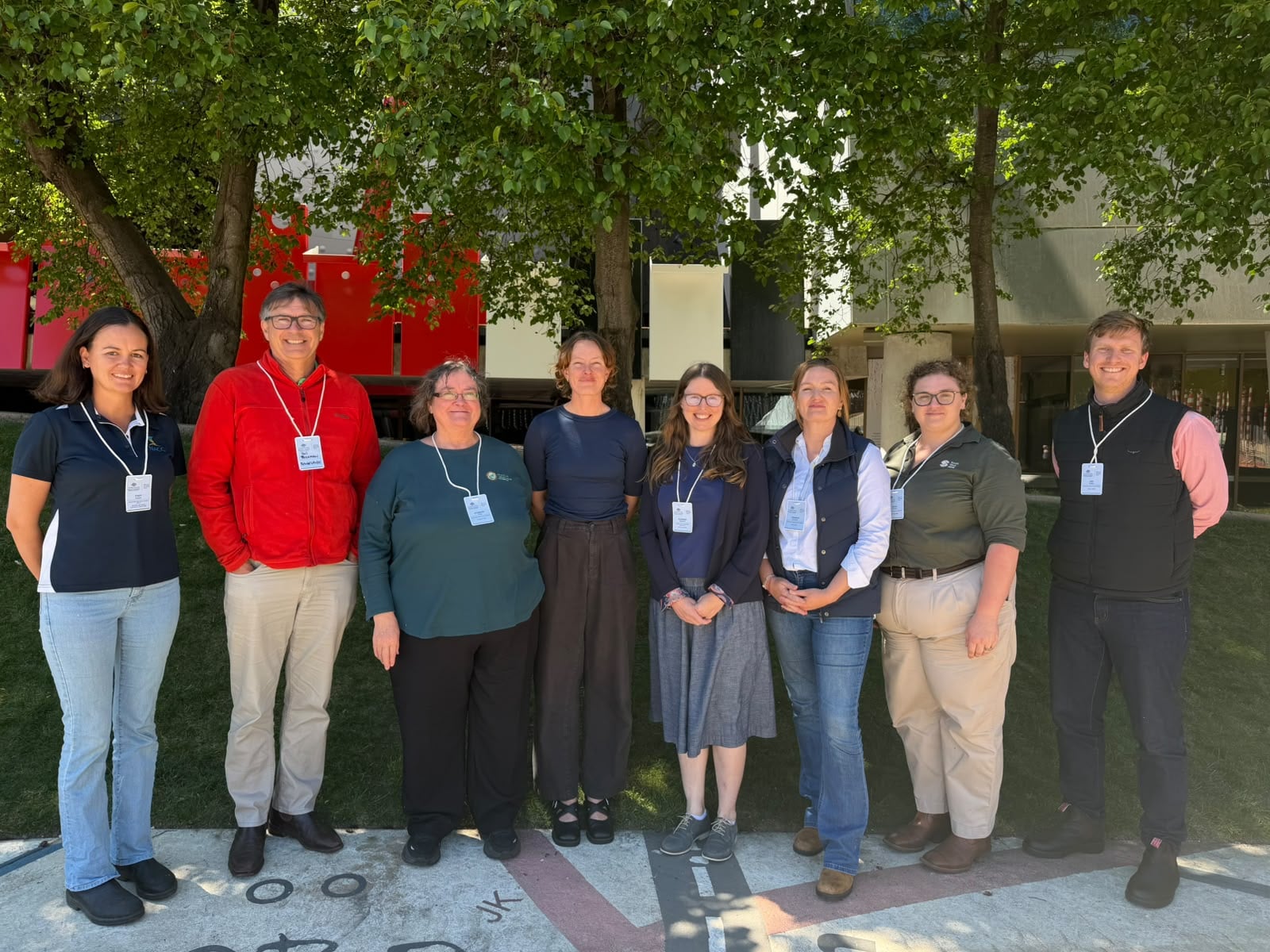
Thank you to DAFF, the event organisers, speakers, panellists, farm hosts and all who played a role in delivering such a valuable conference. It was a wonderful opportunity to catch up with the WA crew, meet new SAFs from across Australia and strengthen the connections that support our work. We returned with fresh ideas, practical tools and plenty to reflect on as we continue working with landholders and communities across the Northern Agricultural Region.
Sustainable Agriculture Facilitators are supported by the Australian Government through funding from the Natural Heritage Trust under the Climate-Smart Agriculture Program.