
It’s been a busy few months for NACC NRM’s Biodiversity team, who have been out in the field conducting ecological surveys of eucalypt woodlands across the Northern Agricultural Region (NAR).
These surveys help build a clearer picture of how woodland ecosystems respond to disturbance and recover over time, while documenting the diverse plant communities and ecological conditions that make each site unique.
But what happens to all the information gathered in the field? Behind every restoration project is a wealth of data and NACC NRM utilises the Ecological Monitoring System Australia (EMSA), a nationally standardised platform that streamlines ecological data collection. From vegetation cover and tree condition to detailed plant surveys, the information gathered is stored in the Australian Government’s Biodiversity Data Repository, helping build a valuable record of ecosystem health over time.
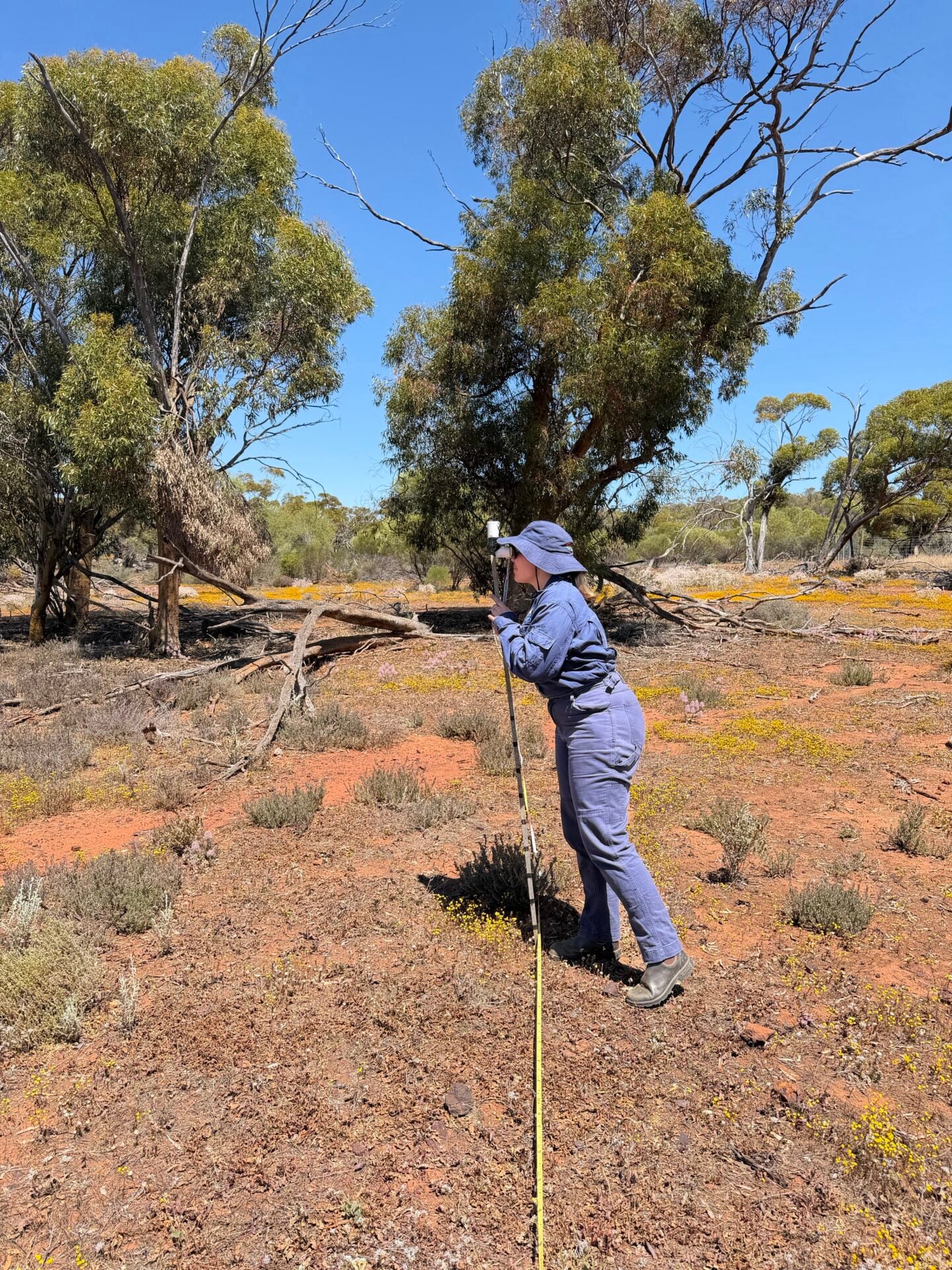
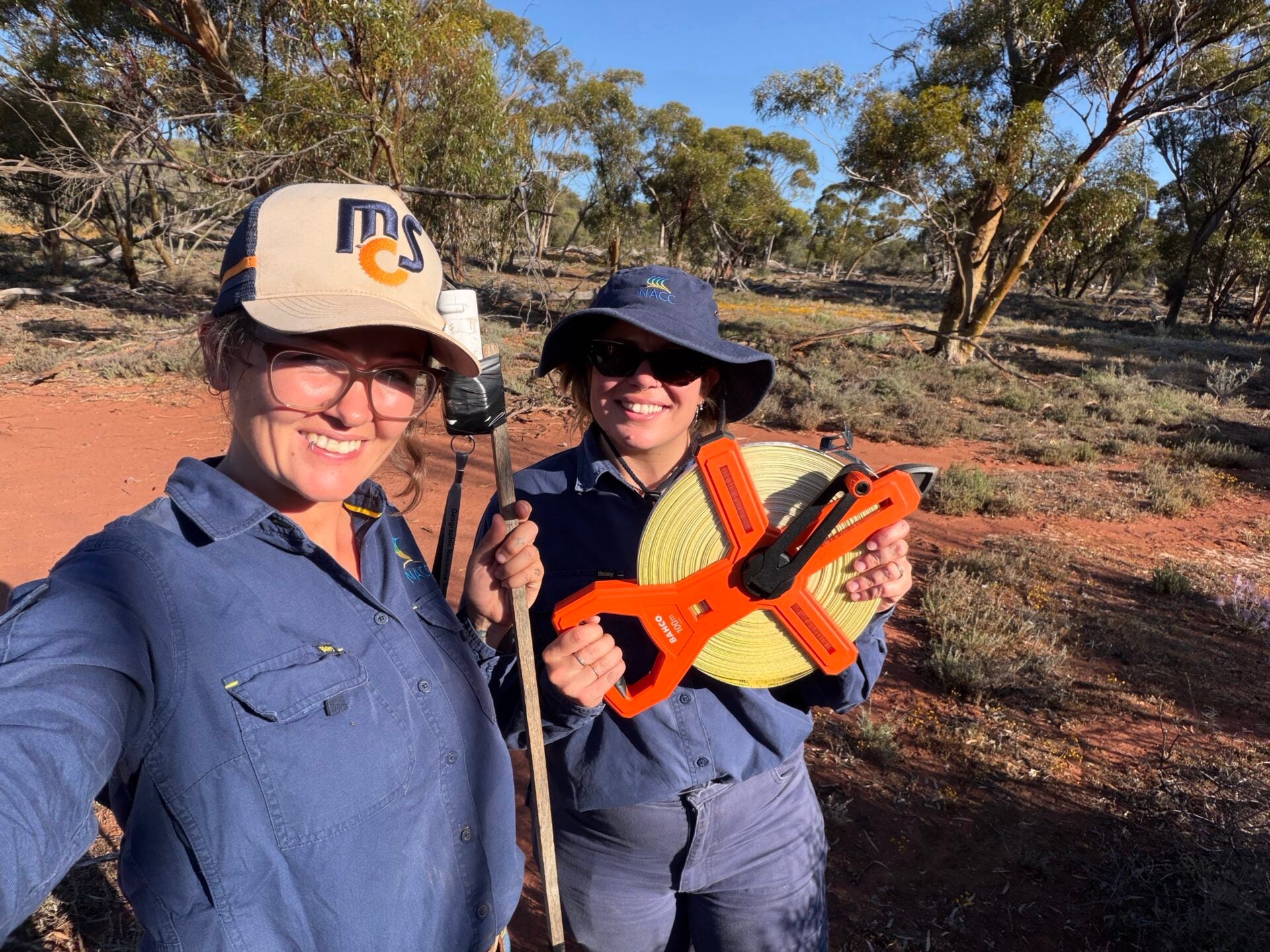
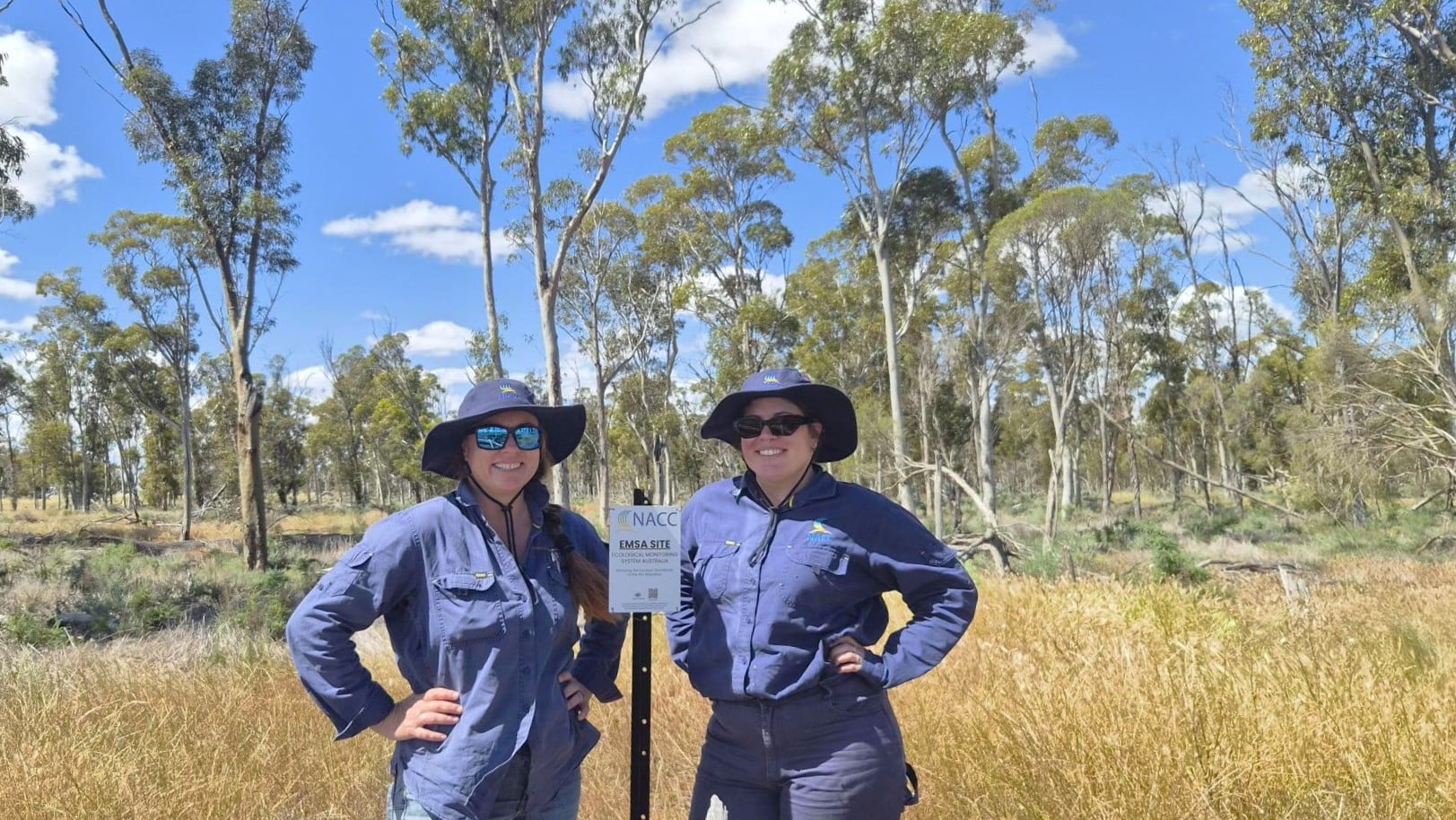
This monitoring plays an important role in measuring the progress and impact of our Restoring the Eucalypt Woodlands of the WA Wheatbelt project.
Healthy woodlands, thriving biodiversity and restoration that lasts; it all starts with understanding the landscape. Every survey, sample and data point tells part of the story. By monitoring changes over time, the team can better understand how these ecosystems are faring and use that knowledge to guide restoration efforts, supporting healthier woodlands and lasting benefits for biodiversity across the Wheatbelt.
This project is jointly funded by the Australian Government Natural Heritage Trust and NACC NRM, a member of the Commonwealth Regional Delivery Partners panel.