
NACC NRM’s Biodiversity team has delivered almost 300 hectares of targeted revegetation to help restore WA Wheatbelt Woodlands and improve landscape connectivity for Malleefowl.
With the winter months almost behind us, NACC NRM has completed its annual revegetation program. This year, almost 300 hectares of biodiverse and targeted revegetation was delivered across three projects focused on protecting the WA Wheatbelt Woodlands threatened ecological community and supporting the threatened Malleefowl.
The 2026 winter program saw thousands of native seedlings planted across a range of landscapes, helping reconnect fragmented habitats, improve ecosystem resilience, and provide vital food and shelter for native wildlife, including threatened species such as Malleefowl, Spiny-tailed Skink and Carnaby’s Cockatoo.
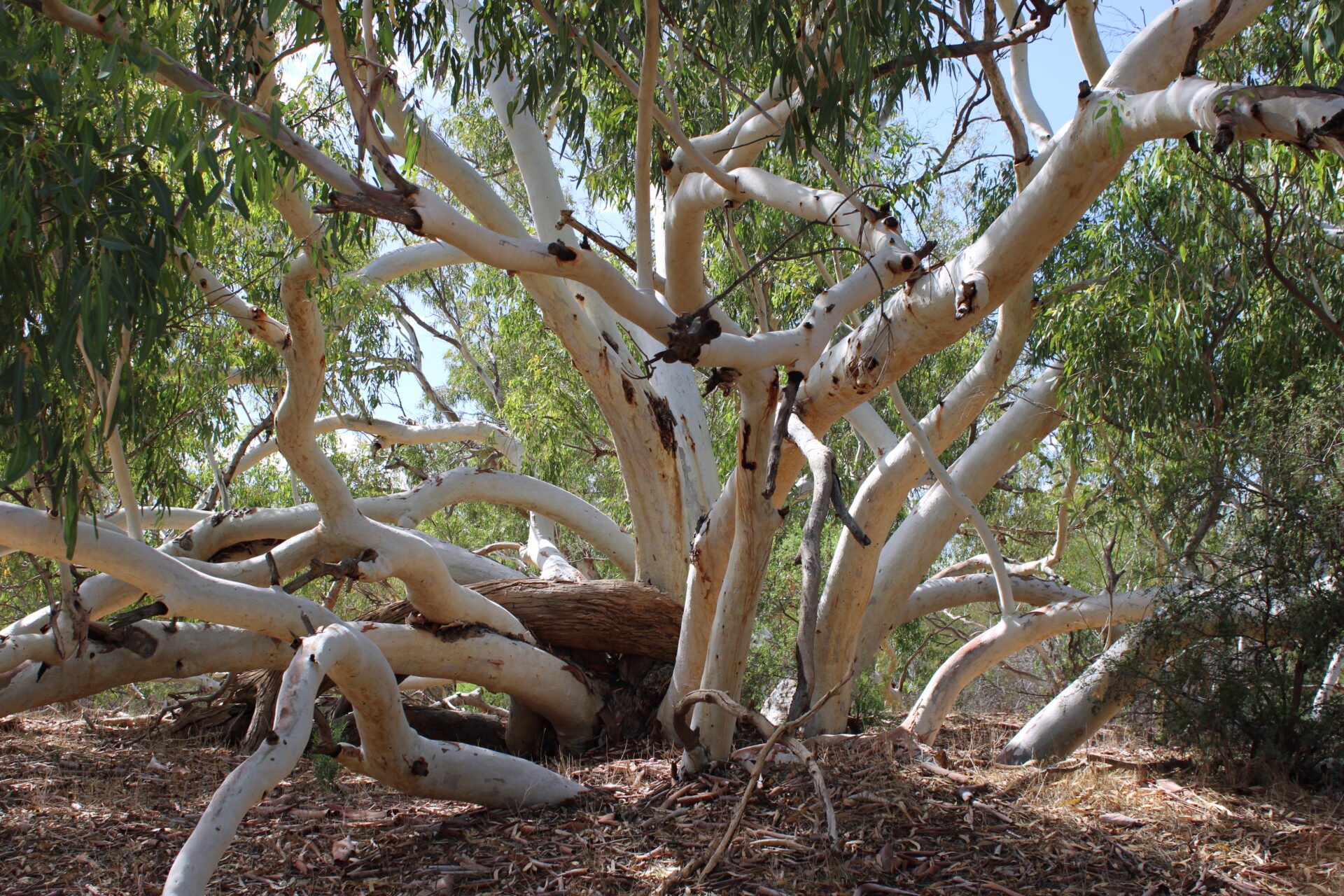
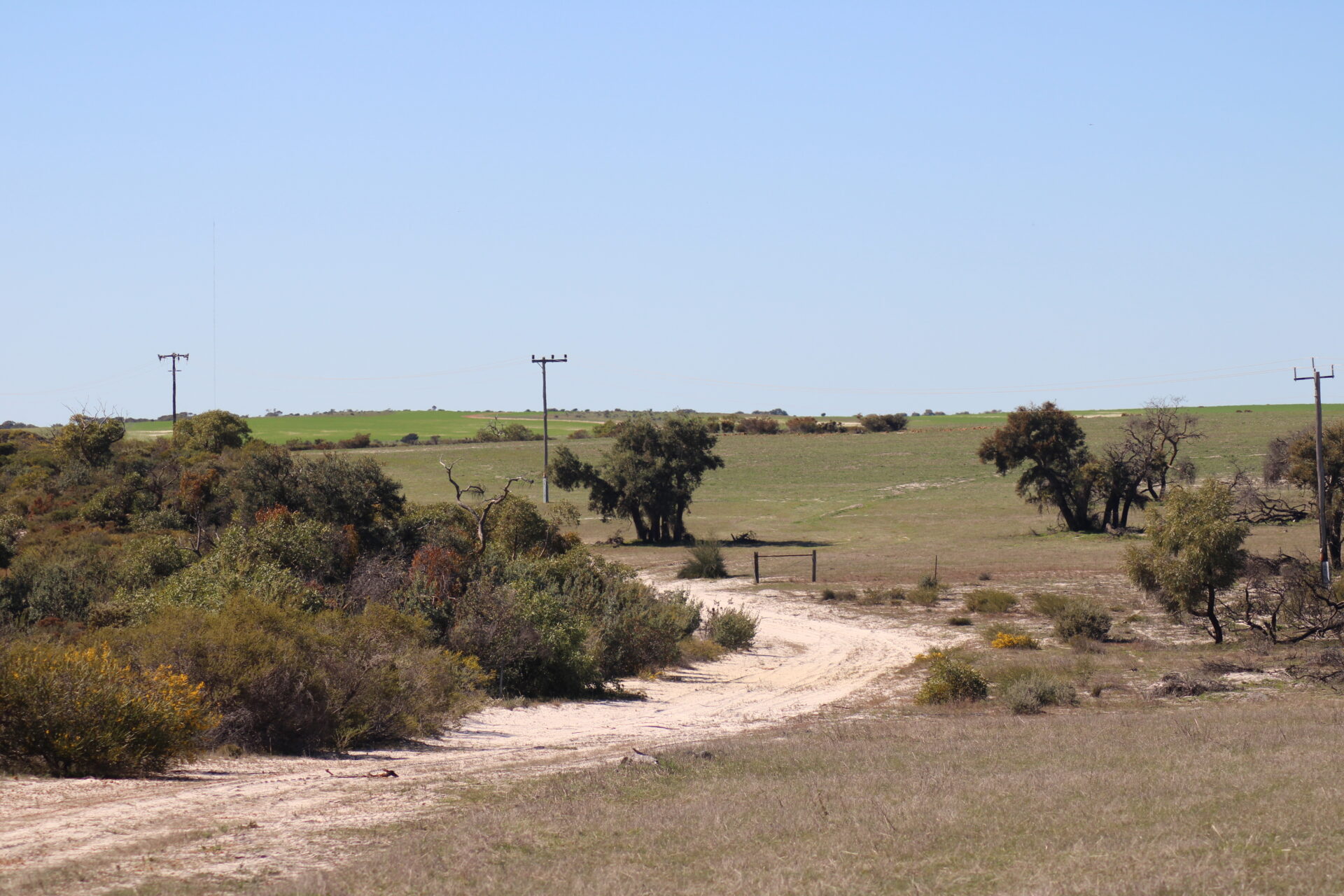
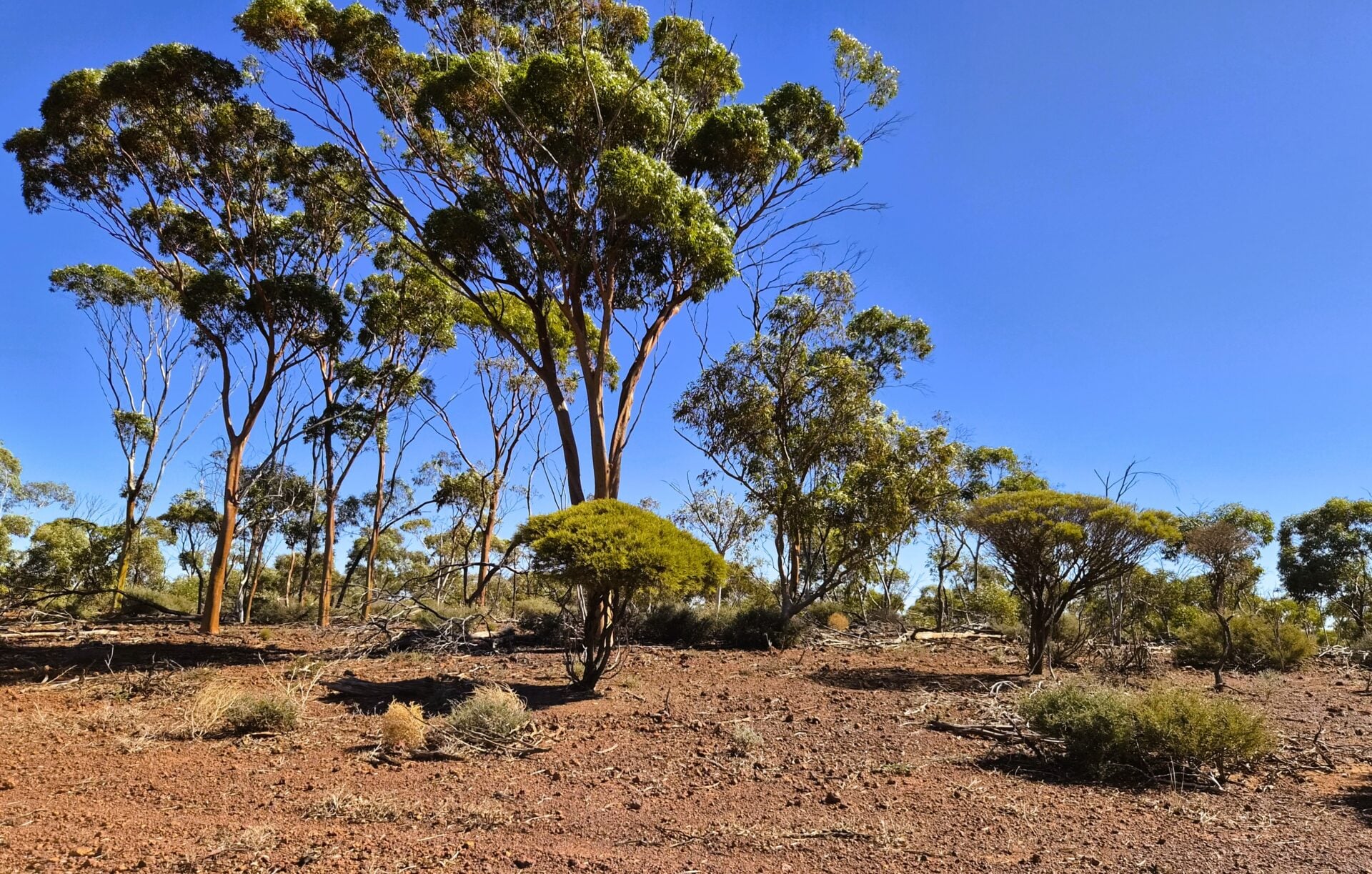
Delivering a revegetation program of this scale is no small feat. It requires months of planning, site preparation, species selection, seed collection and propagation, and it would not be possible without our passionate and committed partners. By working together, we aim to improve the condition of these key ecosystems for the benefit of regional farming communities and the native fauna and flora that rely on them.
Over the next few months, you may see the NACC NRM team out and about enjoying the spring warmth as they monitor site success through seedling survival counts, Photomon and Ecological Monitoring System Australia protocols.
A huge thank you to all the landholders, GreenOil Tree Nursery, and to the many helping hands that made it happen!
To find out more, or to register your interest in one of our Biodiversity projects, please contact NACC NRM’s Project Officer, Georgia Cella at georgia.cella@nacc.com.au.
This project is jointly funded by the Australian Government Natural Heritage Trust and NACC NRM, a member of the Commonwealth Regional Delivery Partners panel.