The Australian Sea Lion (Neophoca cinerea) is a strong, powerful aquatic mammal found along coastlines from Geraldton, Western Australia to Kangaroo Island in South Australia.
You can often see them using the beaches of Wedge Island, Jurien Bay Marine Park islands, and local rock platforms near Geraldton to sunbathe and rest. Females show extreme site fidelity, meaning they will only breed at the exact island colony where they were born just like sea turtles.
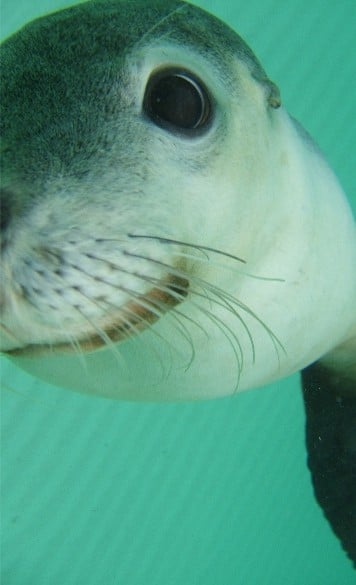
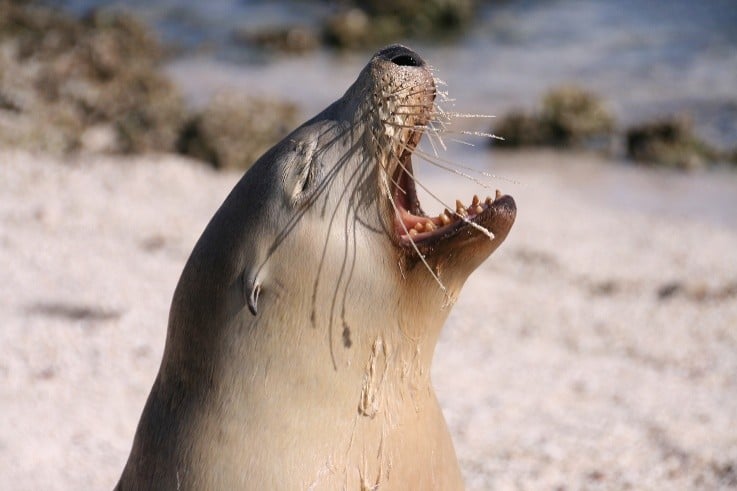
Males known as ‘bulls’ are a dark brown colour with a blonde mane. They grow up to 2.5 metres and 300 kg. Females are called ‘cows’, and slightly smaller at 1.8 metres and have a silvery-grey top, and cream-coloured bellies only weighing 105 kg. Sea lions have dog-like muzzles, long, powerful front flippers used to prop themselves up to walk on all fours and small ear flaps that help distinguish them from seals that have ear holes.
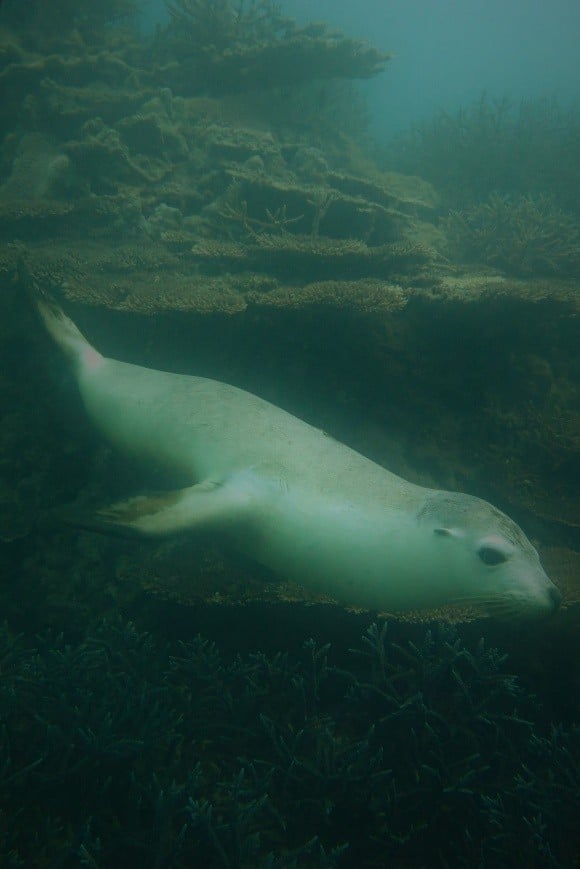
Western Australian sea lions are bottom-feeding carnivores that dive deep to hunt along the ocean floor for octopus, rock lobster, cuttlefish, small rays, and even some species of sharks. Once an adult they only have two predators, Great White sharks and orcas/killer whales.
They were hunted to the edge of extinction by commercial sealers in the 18th and 19th centuries for blubber, oil and hides. Their numbers have never fully recovered and still to this day are under severe risk of extinction. Due to small, isolated populations they are vulnerable to localized extinction if a single breeding female dies and low pup survival, with only 30% reaching adulthood, is lowering their numbers significantly.
Gillnet fishing operations and entanglement in rock lobster pots/marine debris are the leading causes of human-induced mortality. Regional maritime guidelines say to maintain a safe vessel distance of at least 100 metres from swimming sea lions and 30 metres on land.
If you see marine debris, lost commercial fishing lines, or injured wildlife, immediately log it to local authorities to protect regional colonies.
Wildcare Helpline | T (08) 9474 9055 | W www.dbca.wa.gov.au/wildlife-and-ecosystems/animals/wildcare-helpline