
A recent study has confirmed fertiliser is by far the biggest contributor to total greenhouse gas emissions in grain farming systems. For farmers on a journey to reduce their carbon emissions to meet the increasing demands from the supply chain, reducing the need for synthetic fertiliser is essential. This is where legumes can be a good fit.
Legumes can fix nitrogen from the atmosphere and reduce the need for synthetic fertiliser inputs. An important question across many of the Spring Field Days last year was how to know the amount and type of nitrogen different species of legume crops might leave behind, in different soil types, for how long.
Legumes are also important for disrupting common disease and pest cycles that tend to increase if the same crop is grown for too many years in the same paddock, which can reduce the need for chemicals for weed and disease control. But at the same time, some legumes can be challenging to grow and market and there are good reasons why farmers may have opted out of them; harvestability challenges, difficulty managing disease risks in legume crops, difficulty with weed control, and restrictions in some paddocks due to pH challenges, can all add up to result in variable crop yields.
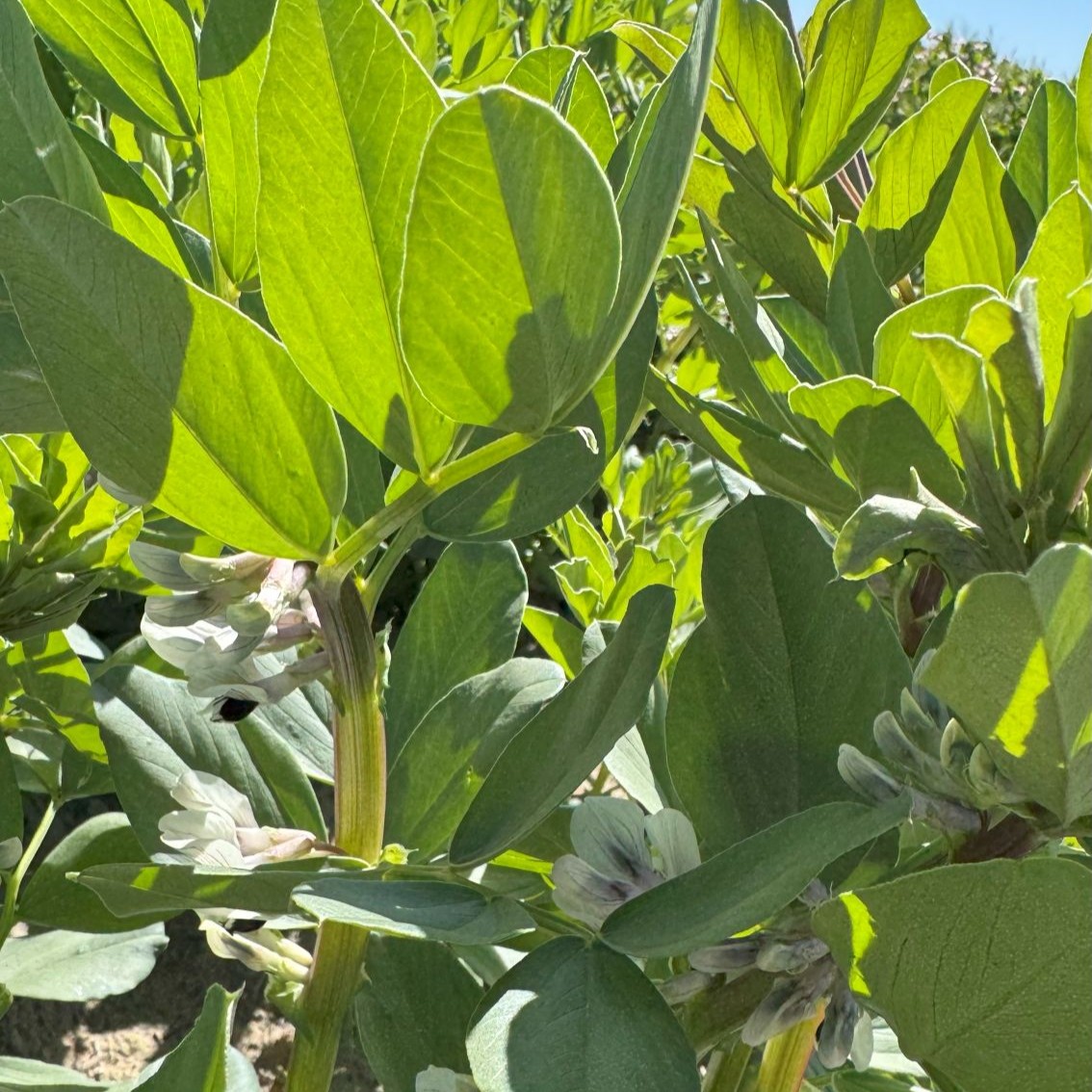
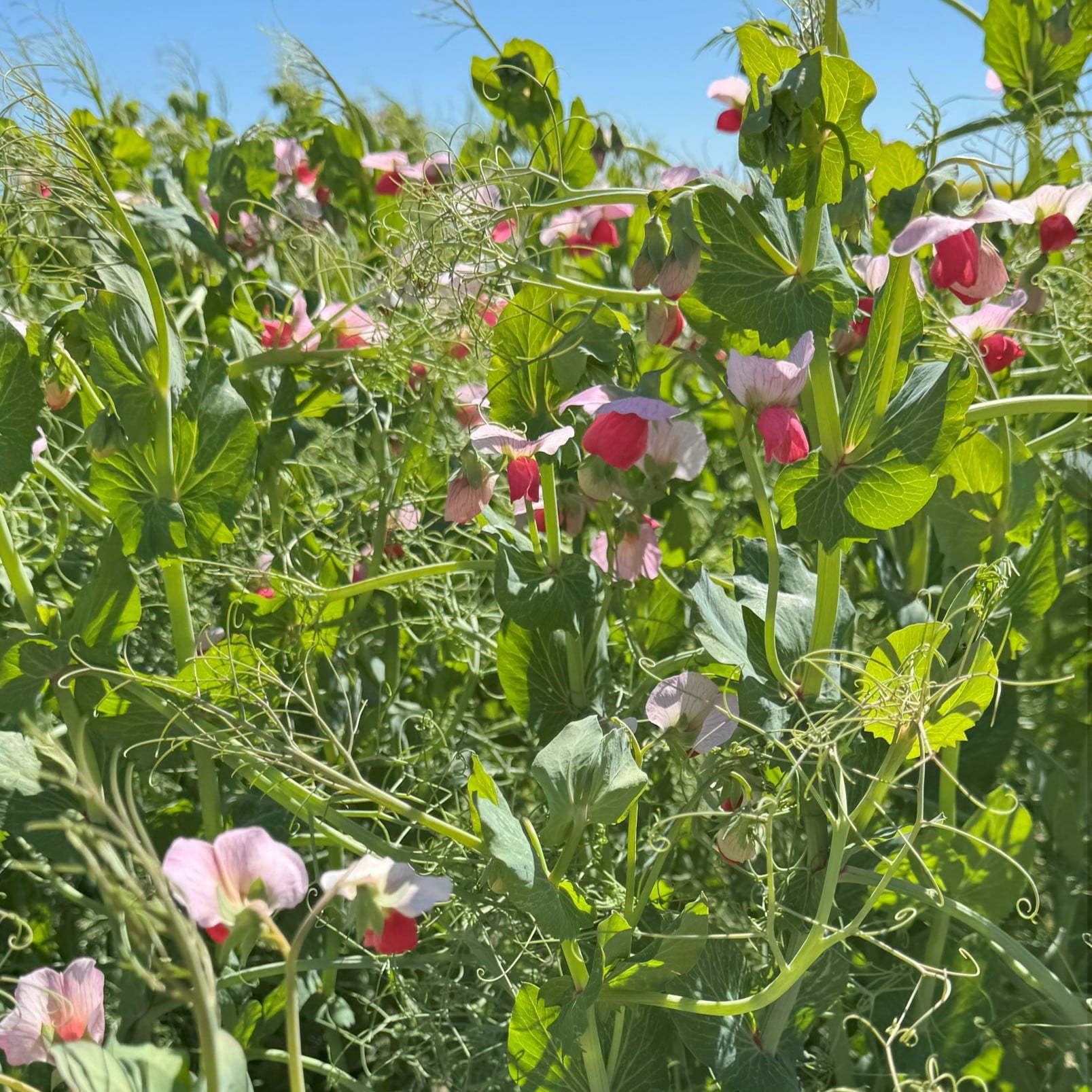


Market access and low or fluctuating commodity prices can also be a significant challenge, with legumes’ profitability identified as the biggest risk in GGA’s 2023 grower survey for the Closing the Economic Yield Gap of Grain Legumes in WA project. The survey tells us more than 95 per cent of respondents had grown legumes at some point, with the majority of those still doing so, and lupins being the most common crop. A high percentage of growers had tried growing other legume crops such as field peas, chickpeas and faba beans – and had discarded them.
Part of the reason for this is the rapid growth in the canola industry and the fact that canola is a very profitable crop that provides the benefits of excellent weed control and a disease break for wheat. However, its productivity is dependent on high rates of fertiliser containing nitrogen.
So, many growers – in particular the new generation of farmers – are very tuned in to the developing legume story and want to get back in, particularly keen on the potential of high value lentils in the north. For most of the legume crops and pastures there have been substantial improvements in agronomy, with stronger weed and disease management options and there are newer varieties that outcompete redundant varieties that had performed poorly.
The great news is that there is a whole raft of research and trials taking place that can help with your decision making about incorporating more legumes. So here’s an overview of current and recent projects to keep an eye out for, with a focus on activity in the Northern Ag Region. Upcoming harvest review events across the region should shed some more light on outcomes from these projects. There’s also links to relevant articles, publications and podcast episodes at the end for your interest.
Make 2026 the year that you join the growing band of farmers using legumes to improve the soil, the environment and the future sustainability of farming.
If you know of a project/trial location that isn’t in the list below, please get in touch with NACC NRM’s Sustainable Agriculture Team.
Western Australia Farming Systems Project | GRDC/DPIRD
NAR locations: Northampton, Chapman Valley
A 5-year co-investment undertaking farming systems research and development in the medium and low rainfall regions of WA, with one of the three main systems trial sites situated in Northampton (the other two are at Merredin and Lake Grace). One of the research aims is to see if we can use legumes more effectively within our rotations, to identify rotations that are profitable with lower greenhouse gas emissions. Using a multi-disciplinary farming systems research approach, this project will address 4 main farming systems considerations, which includes system break options that deliver improved profit and acceptable risk – e.g. high-value legumes. Other NAR trials under this project explored vetch variety and end use legacy effects, species x time of sowing (in Chapman Valley) and pulse species legacy effects (in Ogilvie).
Read the latest results from the Northampton trial site here: Economic analysis points to profitable legumes, GRDC Groundcover, 28 Aug 2025.
Closing the Economic Yield Gap of Grain Legumes | GRDC/GGA
NAR locations: Dalwallinu, Wubin, Latham, Bunjil, Maya, Dandaragan, Arrino, Three Springs, Northampton, Yuna
This comprehensive project will combine extension, trials, and technical and economic analysis to support growers to access the benefits of legumes in crop rotations. The aims include: demonstrating recent advances in the production of grain legumes, across a range of environments and soil types, through 25 user-defined farm-scale trials and, where appropriate small plot trials; and producing a statistically rigorous economic analysis of grain legumes as a cash crop in the year they are grown and calculate the financial contribution of grain legumes to the longer-term cropping sequence. Visit GGA’s project page for a comprehensive rundown on all sites and trials across WA.
Participating grower groups in the NAR, with information on their trials:
- Liebe Group – trial sites in Dalwallinu, Wubin, Latham, Bunjil. Maya
- West Midlands Group – trial site at Dandaragan
- Mingenew Irwin Group – trial sites in Northampton, Arrino and Three Springs
- There is also another trial at Yuna, involving Yuna Farm Improvement Group.
Read the latest results here: Profitable legumes becoming a reality, GRDC Groundcover, March-April 2025.
Exploring the Economics of Late Sowing (June) Options in the Geraldton Port Zone | GRDC/MIG/Liebe Group
NAR locations: Mingenew, Dalwallinu
This project aims to identify which crop species provide the best economic returns when seeding is delayed into June due to a late break or machinery breakdowns, a challenge that is becoming increasingly common across the northern wheatbelt. Across two soil types, heavy red loam (Mingenew) and light sandplain (Dalwallinu), the project is assessing short-season wheat and canola, along with lupins, lentils, field peas, and chickpeas, under two distinct times of sowing (TOS): TOS 1: seeded in early June; TOS 2: approximately two weeks later.
Pulse Back to Basics | GRDC NGN/Living Farms
NAR locations: Moora
Growers wanted to understand basic information on which pulse to grow from three pulse species (Field Pea, Chickpea and Lentis), as well as basic rules of thumb, including examining optimum seeding rate for Western Region environment. Trial sites in Moora and Piawaning.
|
Fertiliser recommendations for grain legumes in Western region with limited production area GRDC/Living Farm
|
As adapted pulse crop species become available for growers in regions of Western Australia, associated fertiliser recommendations for the major elements (Phosphorus (P) and Potassium (K) and Sulphur (S)) are required to maximise profitability.
|
|
GRDC/WAARC/ Stirlings to Coast Farmers |
The N-ABLE project will explore new ways to maximise legume crop use, aimed at increasing farm profit and reducing synthetic nitrogen fertiliser reliance in cropping systems. |
|
Harvestable Annual Legumes Options (HALO) Project – GRDC/WA Agricultural Research Collaboration
|
The HALO project is focused on converting research insights into farming resilience, profitability and sustainability for WA growers. The project is exploring harvestable annual legumes cultivars that can be used in rotation to reduce synthetic nitrogen fertilisers. Recent articles/podcasts of interest: · Podcast Grow your own nitrogen: harvestable annual legume options · World-first legume cultivar developed to boost farm resilience WAARC 4 Feb 2025 · HALO Steering Committee tour signals big step forward for annual legumes WAARC 19 Sep 2025 |
|
Lupin Disease Resistance Project GRDC/WA Agricultural Research Collaboration/ Australian Grain Technologies
|
The Lupin Disease Resistance project is focused on boosting lupin resistance to its four major diseases. It will help deliver future narrow-leafed lupin varieties with improved resistance to its major diseases: Phomopsis, Cucumber Mosaic Virus, Anthracnose and Sclerotinia. |
|
Enhancing Rhizobia resources to improve N fixation in pulse crops across Australia GRDC/Murdoch University
|
This investment will ensure that growers continue to have access to high quality rhizobia inoculant germplasm to support growth, profitability, innovation and sustainability of the Australian grains industry. |
|
Genetic initiative to transform symbiotic nitrogen fixation in Australian pulse crops GRDC/University of Queensland
|
This project will develop tools to measure nitrogen fixation and NDFA in pulses, screen diverse sets of the six pulses for superior NDFA, and develop and utilize AI-guided genomic-selection to breed novel plant genotypes with greater potential to capture atmospheric nitrogen for seed protein production and soil nitrogen stocks. |
|
Improving the understanding and the effectiveness of N fixation in pulses in Australia GRDC/Adelaide University |
The intent of this investment is to continue the national effort to increase the effectiveness of N fixation in pulses in Australia. The expected project outcome is by 2027, with the Australian growers achieving and/or exceeding the N fixation frontier with access to superior Group N (chickpea) and I (mungbean) rhizobia strains and the adoption of improved management practices for pulse inoculation.
|
|
GRDC/Murdoch University
|
The Dryland Legume Pasture Systems project successfully achieved its goal of discovering and commercialising new legume pastures for mixed farms in low and medium rainfall areas that can be enabled by innovative management methods. The project has developed three elite hard seeded legume (HSLs) cultivars, one that has been commercialised (French serradella cv. Fran2o) and the others which should follow. |
FURTHER READING AND LISTENING
Podcasts
- Legume agronomy: How to grow them in the west GRDC, 8 Oct 2025
- From risk to response: Managing sclerotinia in lupin in WA GRDC, 8 Oct 2025
- Aussie lupins website and lupins research DPIRD Grains Convo, 1 Jan 2024
- Increasing wheat proteins sustainably by rotation with forage legumes, DPIRD Grains Convo, 1 Nov 2023
Articles
- From a nitrogen fix to a cropping fulcrum – the legume journey GRDC Groundcover, Sep-Oct 2025
- Herbicide and acid tolerance key to WA lentil growth GRDC, Apr 2025
- Legumes in agricultural systems: A background West Midlands Group, Jul 2024
- To what extent does legume break crop frequency reduce long-term N fertiliser requirements? GRDC, Feb 2023
GRDC Groundcover Supplements
- Lentils GRDC, March-April 2025
- Chickpeas Designed for Australia GRDC, Nov-Dec 2023
- Pulse agronomy GRDC, May-June 2022
Thanks to Marty Harries, Research Officer Crop Agronomy, DPIRD for his input on this article.
The Future Farm Foundations project is funded by the Australian Government through the Natural Heritage Trust under the Climate-Smart Agriculture Program.