
Native seed supply is a critical component for ecological restoration throughout the Northern Agricultural Region (NAR). Loss and fragmentation of native vegetation, a changing climate and other large factors create some major challenges for seed collection and in turn, ecological restoration.
The restoration economy within Western Australia is currently experiencing growth, with expectations for increased demand, scale and complexity in restorative projects.[1] At the advancing scale of restorative projects, seed supply will play a key role in future success.
For revegetation to succeed, it is important that appropriate seedling mixes are used for the area. The longevity, resilience and biodiversity value of the revegetation is greatly dependent on the species selection.
A key ecological community across the NAR is the Eucalypt Woodlands of the WA Wheatbelt. As a priority threatened ecological community, it is important that seed collection and seedling production is maintained within the region.
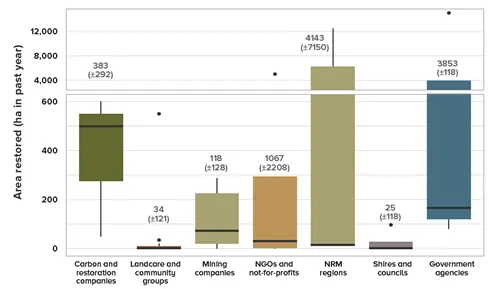
Figure 1: WABSI: Areas of restoration in the 2023/2024[2]
Seed Production Areas will become an increasingly crucial part of supporting revegetation, with the seed collection sector already facing challenges. The Greening Australia Jarrega site is an example of production of native seed at scale.
At the time of visit, this site was boasting more than 20 species over 100 hectares, proving its capability to support revegetation across the NAR and more broadly, Australia. Just as importantly, this site is also providing great insight into techniques needed for larger scale production, harvest and processing of seed.
Some techniques that are being researched include:
- Harvesting options (Large scale vacuum systems)
- Processing techniques for scale
- Irrigation, liquid fertilisation and soil amelioration
- Impact and management of seed provenance and ensuring diversity across species
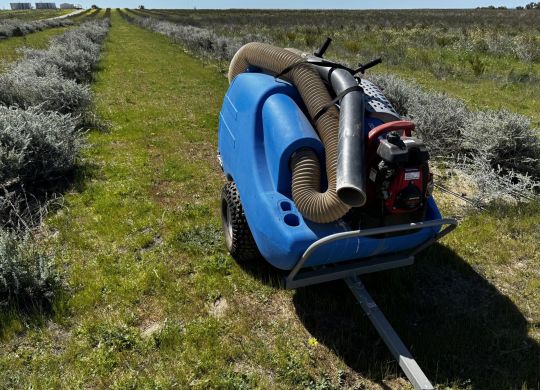
Figure 2: Greening Australia vacuum seed harvester trial unit at the Jarrega Site
Across the NAR, it is critical that capacity and awareness of seed collection continue to increase. For community members and landholders, an understanding of ethical seed collection is a vital part of managing native seed banks in the area.
Some key points about seed collection within the Eucalypt Woodlands of the WA Wheatbelt,
- Flowering comes first: Most Wheatbelt eucalypts flower in spring–early summer.
- Seed takes time: Seed develops slowly inside woody gumnuts over several months.
- Readiness varies: Capsules mature at different times depending on species and seasonal conditions. Ready seed will appear woody rather than green and supple, seed will drop at different times depending on species.
- Wide collection window: Mature seed may be present from late spring through summer and early autumn.
- Local seed is important: Using seed from the local area helps maintain ecological integrity and improves resilience of species.
- Planning is essential: Seed is often collected well ahead of planting, sometimes over multiple seasons.
- Processing is time intensive: Currently most processing is done by hand or using basic DIY processing tools. The time undertaken to separate, clean, and store seed correctly is a major factor in the difficulty in seed collection.
- Storage extends use: When stored correctly, eucalypt seed can remain viable for years.
Seed collection is an involved process; knowing when to collect species, how to access seed, what constitutes viable seed, and how to process it are specialised skills. The knowledge of First Nations peoples throughout the region is incredibly valuable to this process, and we are fortunate enough to have experienced practitioners working hard through collection months to sustainably collect seed for revegetation.
To learn more about seed collection, courses are available through Central Regional TAFE and Greening Australia. If you would be interested in attending a Seed Collection Course in the near future, please express your interest to NACC NRM’s Biodiversity team.
This project received grant funding from the Australian Government Saving Native Species Program.