Annual Report

2023 - 2024

NACC NRM acknowledges the Traditional Owners and original natural resource managers of the land and sea country of the Northern Agricultural Region. NACC NRM’s activities are conducted on the lands of the Yamaji and Noongar peoples; we acknowledge their Elders past present and future for they hold the memories, the traditions, the culture and the hopes of Aboriginal Australia.

Elisabeth McLellan

Chair

Katherine Allen

CEO

Susanne Levett

Treasurer

“Despite the challenges, the NACC NRM team delivered quality biodiversity projects throughout the year. I am particularly excited to see the commencement of our coastal saltmarsh project – one close to my heart that we have been promoting for several years.”

- Elisabeth McLellan

Chair, NACC NRM

Program Overview

Community Reach

NACC NRM has continued enhancing community engagement and awareness in the 2023/2024 financial year by delivering impactful communications that nurture connection and promote active participation.  We remain proudly committed to ‘Catalysing Community Conservation’; providing opportunities for local communities to contribute to natural resource management in the Northern Agricultural Region.

The NACC NRM Enterprise Hub (NNEH) has served as the headquarters for our staff since July of 2023. In addition to accommodating our team, the NNEH has hosted a range of groups and businesses through our training room facilities. These groups have been both local and from beyond the Geraldton region. Revenue generated as a result has played a supporting role in our financial resilience during the year while also broadening our demographic reach and facilitating engagement with a diverse range of industries. Over the 2023/2024 financial year, the NACC NRM Enterprise Hub hosted 432 people from 17 different organisations for a range of events including meetings, training and workshops.

Throughout the 20232-24 financial year, the NACC NRM team have worked hard to reach all corners of our region, investing in new and existing partnerships with communities, groups, individuals and organisations. An example of this work was the launch of NACC NRM’s Coastal Curriculum Packages in October of 2023 to teachers at Dongara District High School. The session provided teachers with an overview of the resources, which help educate students about our region’s coastlines and coastal ecosystems.

The following month, NACC NRM took part in the Midwest Chamber of Commerce and Industry’s Business Excellence Awards, sponsoring the ‘Medium Business Award.’

Early in 2024 NACC NRM partnered with South West NRM to lead two online communications workshops. These workshops were tailored to support small businesses, community groups and volunteer groups to effectively communicate online. In particular, the workshops provided guidance to help ensure their messages reach target audiences.

NACC NRM’s Communications Network, a component of the NRM Skills Network, successfully wrapped up at the end of March 2024. This initiative included the distribution of ten targeted email bulletins to NRM and community groups, aimed at enhancing their communication skills in areas such as flyer design, public speaking, and online networking.

Twelve NACC Notes newsletters were sent out to more than 1,600 readers during the 2023/2024 financial year and were opened over 6,500 times. Compared to the 2022/2023 financial year, Facebook profile visits have increased by 80.5% and Instagram reach has grown from 539 users to almost 18,000 users.

In October of 2023, NACC NRM published a post via Instagram sharing news of the Australian Wildlife Conservancy’s release of a very special quoll, named after the late Tom Maina, our beloved Corporate Services Manager. Just as Tom did, this post touched the hearts of many. The short clip of Tom the Quoll’s release into AWC’s wildlife sanctuary was watched and shared widely across our social media community, a testament to Tom Maina’s legacy.
“The 2023/2024 financial year was another challenging year; however, the organisation has again demonstrated resilience. In partnership with the community, we have continued to develop and deliver projects, which will lead to positive outcomes for the natural assets of our region.”

- Katherine Allen

CEO, NACC NRM

Revenue By Program
2023/2024

Revenue & Staffing Comparison
2019/2020 - 2023/2024

Chair-Circle.png

Chair's Report

Elisabeth McLellan

The 2023/24 financial year has been a demanding yet productive year for NACC NRM. Once again, the resilience, passion and professionalism of the staff and the support of the Board has been critical to our success.

The final move into our newly purchased home in Geraldton – the NACC NRM Enterprise Hub (NNEH) – came to fruition early in the financial year. Even while staff were settling in, we were navigating the steep learning curve of becoming a provider of choice for meeting rooms at NNEH for local and regional businesses. Through the delivery of the NNEH Business Plan, and the dedication of our staff, the increasing business in meeting room hire is demonstrating the opportunity for financial resilience, which we foresaw in purchasing the premises.

In addition to our office move, NACC NRM was also successful in our submission to the Federal Government Panel of Regional Delivery Partners Tender for provision of environmental and biodiversity services aligned with both NARVis and Federal Government priorities. However, the contracting process was severely protracted due to circumstances beyond our control. As this tender makes up a significant proportion of our project portfolio, budgeting processes and sticking to budget were crucial during this financial year, while we waited on the establishment of new contracts. This year’s outcomes are a testament to the resilience of our staff, our strong financial position, and the Board’s willingness to adopt a deficit budget for 2023-24. The Treasurer’s report touches on this situation in more depth.

Despite the challenges, the NACC NRM team delivered quality biodiversity projects throughout the year. I am particularly excited to see the commencement of our coastal saltmarsh project – one close to my heart that we have been promoting for several years. It is pleasing to now have some resources to commence activity and have an impact in this space.

Early in 2024, we were shocked and saddened by the sudden passing of our Director, Terry Domico. With a lifelong passion for biodiversity conservation, Terry (originally from the United States) found endless joy and fulfilment residing in the Southwest Botanical Province global biodiversity hotspot. Terry brought to the NACC NRM Board extensive international experience in biodiversity conservation and a commitment to community engagement in natural resource management. Vale Terry Domico; your valued contribution to NACC NRM and the Northern Agricultural Region will not be forgotten. You will be greatly missed.

Looking ahead to 2024-25 and beyond, there are a number of policy changes afoot with financial implications at the state, national and global level. These policy shifts hold some potential to address the time-critical imperatives of global climate change and the biodiversity extinction crisis. Incoming climate-related and nature-related Financial Disclosure reporting for companies will bring increasing opportunities for NACC NRM to deliver positive outputs and outcomes for nature, and provide advisory services in the Environmental and Social Governance arena. If implemented robustly, the Federal Government’s Nature Positive Plan, including the Nature Repair Act and Nature Repair Market could yield positive environmental outcomes and opportunities for the NRM sector. To demonstrate leadership and action, our CEO, Katherine Allen, attended the inaugural Global Nature Positive Summit in Sydney in October 2024, helping to share the perspective of the NRM sector in these conversations.

As a member of NRM Regions Australia, NACC NRM is proud to be part of ‘The national call to Heal Australia’s Land, Seas and Waterways’ by First Nations and Natural Resource Management leaders, working with the Wentworth Group of Concerned Scientists. This national call to action is a response to the Wentworth Group’s Blueprint to Repair Australia’s Landscapes. The Blueprint reaffirms that we need to restore Country, we know how, and there is no time to lose. The Blueprint calls for a substantive national financing mechanism and a national Indigenous environmental voice that empowers Indigenous-led decision-making. It also calls for support for the existing natural resource management framework, recognising it as the most effective mechanism and scale to plan, integrate and implement action to heal Australia’s lands, seas and waterways.

We will continue to ensure that NACC NRM is well positioned to be an active partner and leader in these opportunities.

I would like to thank the staff, ably led by our CEO Katherine Allen, for their continued resilience, passion and professionalism throughout this year. I would also like to thank the Board for their ongoing support and guidance. And finally, I would like to thank our numerous partners in the region and beyond, who are instrumental in helping us ‘Catalyse Community Conservation’ so that the health of the natural resources and environment of the NAR are improved.

Globally, as environmental and social challenges continue to grow, NACC NRM and our partners’ work in this realm is increasingly urgent and necessary. I look forward to working with the Board, staff and partners to continue addressing these challenges and delivering real and sustained natural resource management impacts on the ground.

Elisabeth McLellan

chair, NACC NRM

CEO-Circle-v3.png

CEO's Report

Katherine Allen

The past year has been a year of strengthening NACC NRM’s resilience through a transitional period with a target of long-term growth and sustainability. 

Though the transition period presented many challenges, the team had undertaken some careful planning in the lead up to this transition period, which largely ensured stability in the NACC NRM team, and financial resilience for the organisation during the 2023/2024 financial year.

One of the foundations of this stability and resilience has been establishing our own space – the NACC NRM Enterprise Hub – and rebranding the room hire business, which was already associated with the existing infrastructure. While this has been a steep learning curve for the organisation, it has also enabled NACC NRM to provide in-kind support to several purpose-aligned activities for other organisations delivering NRM outcomes while also removing the impacts of rental market volatility on the NACC NRM budget.

In addition to supporting other environmental groups in the region, the hiring of our rooms provides NACC NRM with an alternative source of revenue – further building our financial resilience to enable future NRM projects  – and provides an opportunity for NACC NRM to start conversations with new stakeholders and organisations who may not be aware of the scope of NACC NRM’s work. Head over to our Community Reach report to see how many extra visitors we welcomed during the 2023/2024 financial year.

As obligations to deliver the ‘E’ in ESG (Environmental, Social, Governance) grow for the corporate sector in particular, expanding our links across a variety of industries and businesses will only become more important. During the financial year, we were fortunate to build relationships with three new partners to deliver ESG projects which contribute to the vision and goals of NARvis.

In addition to these projects, NACC NRM was fortunate to secure Threatened Species and Threatened Ecological Community projects through NHT funding from the Australian Government. One of the most significant and exciting stories from this financial year has been realising a long-awaited opportunity to improve our understanding of, and recognition for, the threatened Temperate Coastal Saltmarsh ecological communities across our region. We cannot wait to watch the outcomes of this project develop over the coming four years.

Other projects which will help form the focus of our NHT work going forward includes the protection and restoration of Wheatbelt Woodlands – a recognised priority place in the Threatened Species Strategy; and Carnaby’s Cockatoo habitat restoration with a secondary focus on Banksia Woodlands.

Our new and ongoing projects have kept the passion alive for our team through a challenging year and facilitated our story of resilience. This strategy-aligned portfolio has enabled us to largely maintain our team structure through the period of uncertainty, which was the 2023/24 financial year, without drawing down significantly on reserves. 

Some of the significant NRM achievements for our team during the year include the ranger’s exchange to South Australia to build confidence in fire management with the Firesticks Alliance team; continuation of Carnaby’s and Malleefowl monitoring thanks to new investments and new and ongoing partners; and the successful finalisation of our Chapman Catchment Landscape Collaboration project including establishment of management plans and demonstration activities across the the catchment. You can read about these in more detail in our program reports.

The 2023/2024 financial year was another challenging year; however, the organisation has again demonstrated resilience. In partnership with the community, we have continued to develop and deliver projects, which will lead to positive outcomes for the natural assets of our region. I would like to take this opportunity to thank the NACC NRM board and in particular our Chair, Elisabeth McLellan. I would also like to recognise the NACC NRM team who have demonstrated resilience and their ongoing commitment both to NRM and the region, throughout this challenging period. I am very grateful to work with such a hard-working passionate group of people across both the Board and our staff.

Katherine Allen

CEO, NACC NRM

Treasurer-Circle.png

Treasurer's Report

Susanne Levett

As we reflect on the 2023/2024 financial year, we acknowledge both the challenges faced by the NACC NRM team and the resilience shown in navigating them. The organisation has been able to maintain operational capacity while developing and implementing a number of new projects.  

Thank you firstly to the finance team, mainly NACC NRM’s Accountant, Thomas Fleming. Throughout the financial year, Thomas has worked diligently to ensure our finances are managed in accordance with Australian Accounting Standards. AMD Chartered Accountants were selected as the auditors for 2023/2024, following a closed ‘Request for Quote’ process. This marks the first audit by AMD of NACC NRM since the 2017/2018 financial year audit. 

The Operating Statement for the 2023/2024 financial year reflects a small-scale loss of $143,500, which can largely be attributed to a combination of depreciation expense and impairment losses totaling $204,079. NACC NRM’s recognised income for the year was $3.43 million against expenditure of $3.58 million. Projects and cash operations were, however, profitable, with Annual Revenue being greater than the combined governance expenses, employee expenses, other operating costs and project expenses, for a total of $3.37 million.  

While revenue for the 2023/2024 financial year was expected to decline from the previous year, the $1 million decrease that eventuated was greater than anticipated. This is largely due to the delayed contracting process for Australian Government funding through the Natural Heritage Trust, one of NACC NRM’s primary funding sources.  

 It is also worth noting that at the close of the 2023/2024 financial year, over $300,000 of invoices were awaiting payment with the Australian Government for services completed before 30 June 2024. Projected revenue for the 2024/2025 financial year based on known contracts will reflect an increase to $4 million. 

During the 2023/2024 financial year, NACC NRM actively diversified income streams, which included securing environmental, social and governance (ESG) project funding with three new partners. This, in addition to other new projects, has contributed to further building the organisation’s financial resilience. 

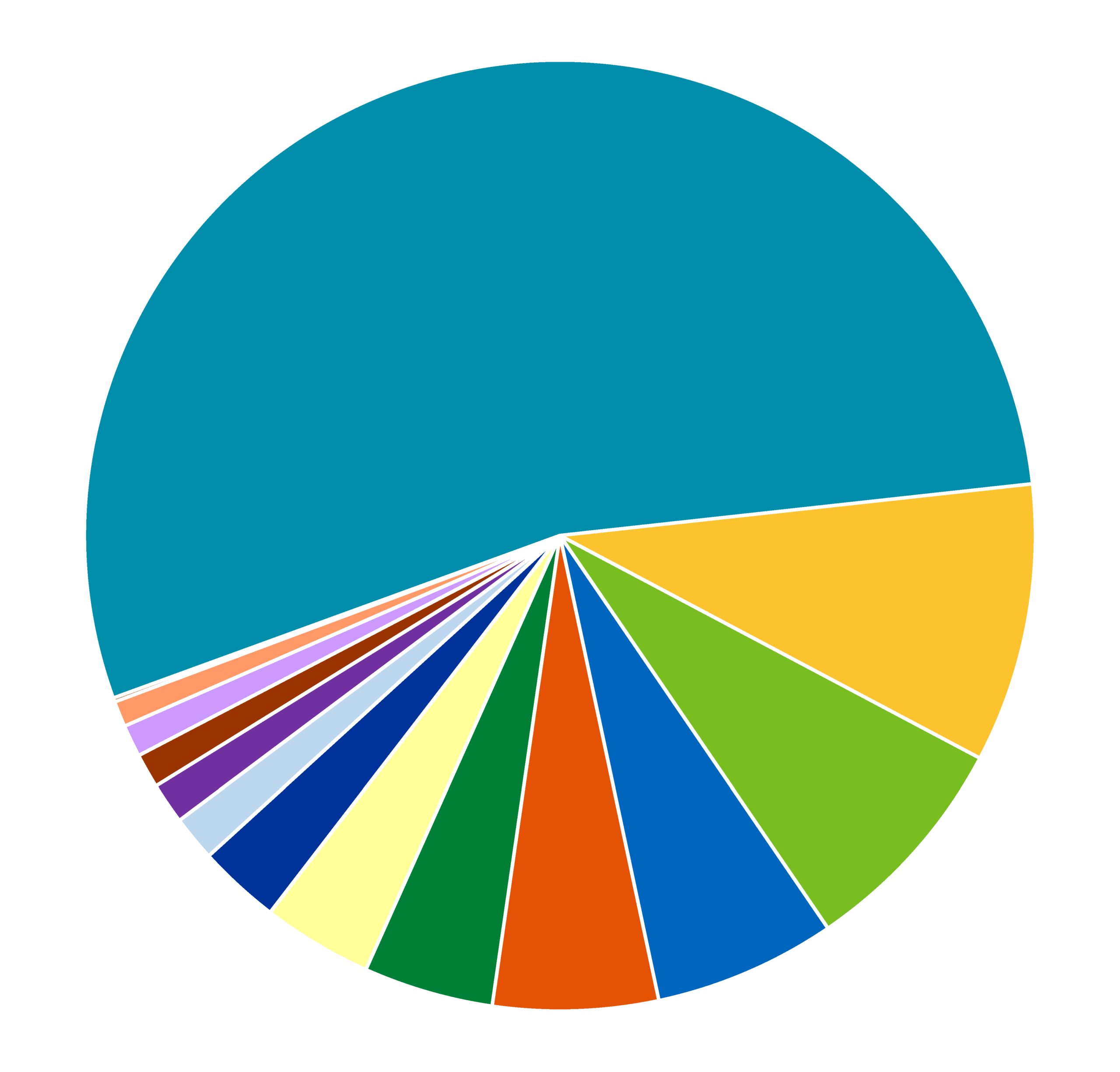
Our breakdown of income by program reinforces the continued work in diversifying revenue streams. Although many of these programs are not yet at a sustainable scale, they have been critical in maintaining durability as an organisation. This is particularly relevant to maintaining the capacity of our team during the transition between Regional Land Partnerships and the Natural Heritage Trust program, which commenced late in the 2023/2024 financial year. 

Managing a range of small projects comes with the challenge of an opportunity cost. That is, time spent managing these small projects impacts on our ability to target larger scale opportunities. While this method of operation was a necessity during the 2023/2024 financial year, the team is actively working toward maintaining a balance between large scale and smaller projects for the 2024/2025 financial year and beyond. 

The graph below highlights recruitment fluctuations, which generally correlate to variations in revenue. Although the larger gap between revenue and staffing numbers during the financial year has affected our end of year position, it has also enabled us to efficiently commence NHT projects while also affording some agility to pursue opportunities as they arise.  

NACC NRM’s liabilities have remained stable and in line with project delivery, and the organisation continues to meet commitments as and when they fall due. 

It has been a great privilege to once again serve with my fellow directors on the NACC NRM Board, and I look forward to the year ahead. To our very able Chair, I extend a note of thanks for your leadership. I thank the NACC NRM team, members and stakeholders, who collectively have made the past year a great success. To the NACC NRM staff, I offer you my best wishes for the coming year. 

Susanne Levett

Treasurer, NACC NRM

Aboriginal Custodianship

Strategic Achievement

NACC NRM’s Aboriginal Custodianship team has continued achieving against the program goal of supporting an ongoing regional Aboriginal ranger program in managing five sites of cultural significance. This achievement is a product of the Midwest Aboriginal Ranger Program, which has also surpassed annual activity targets by an impressive 37%, and the proposal of an expansion opportunity to the National Indigenous Australians Agency (NIAA) which involves exploring potential new partnerships, including an Indigenous Protected Area. This expansion application aligns seamlessly with organisational strategies; ‘Empower Traditional Custodians, Aboriginal organisations, and Aboriginal-owned businesses to lead NRM activities and achieve NRM outcomes that acknowledge TEK’ and ‘Establish partnerships with Traditional Custodians and Aboriginal organisations and Aboriginal-owned businesses’. Potential partners of this initiative are all First Nations organisations, reinforcing our commitment to delivering collaborative and community-led activities. 

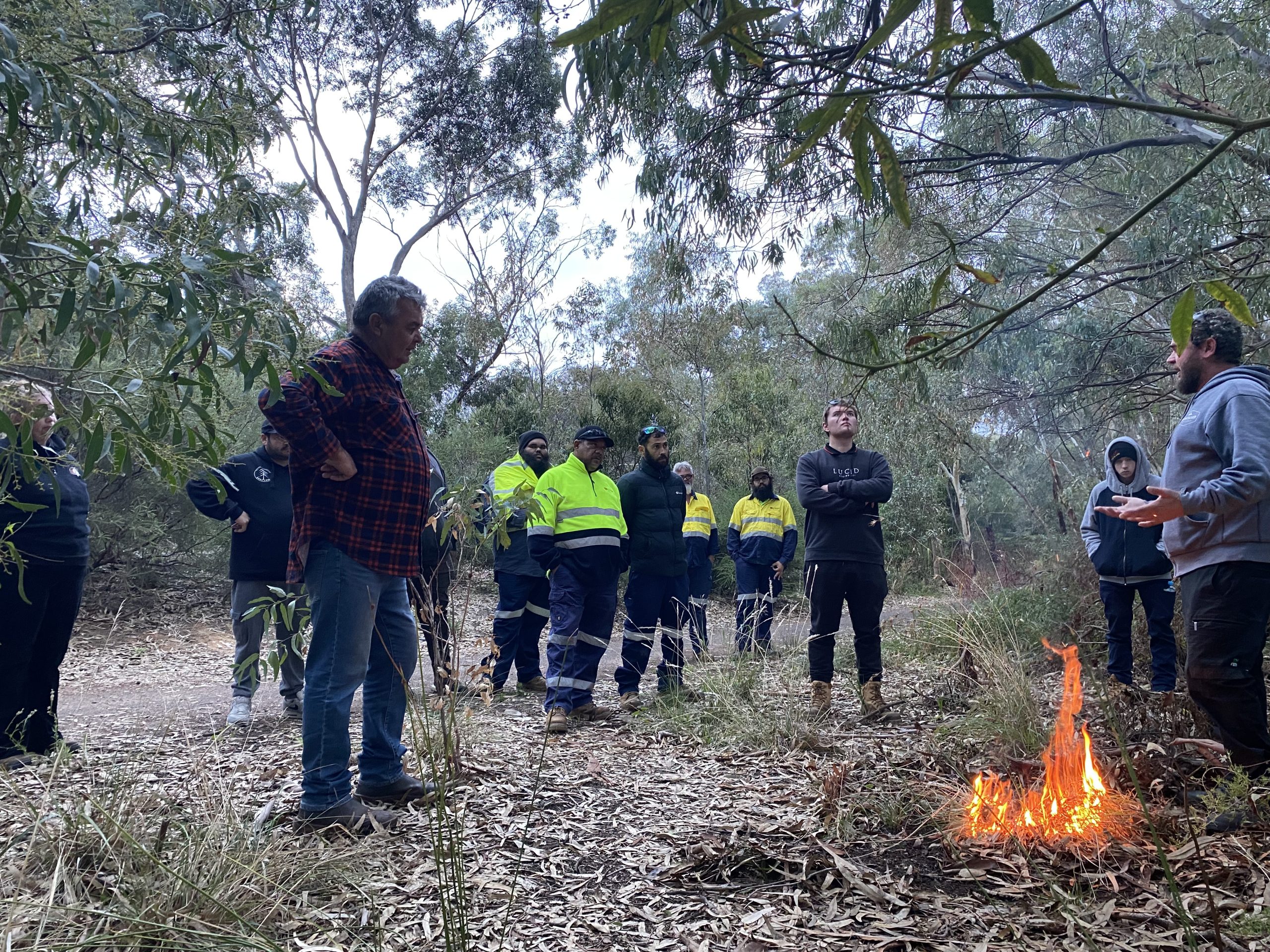
Significant progress has been made over the 2023/2024 financial year toward the strategic objective of facilitating on-Country learning to create opportunities for intergenerational sharing of knowledge. In June of 2024, a team of ten including Rangers and an Elder from the region travelled interstate to network and learn about Traditional Fire practices. This initiative not only facilitated the respectful sharing of knowledge but also enhanced the Rangers’ capacity to reintroduce this important practice to the Northern Agricultural Region. 

Program Overview

Within the Midwest Aboriginal Ranger Program, delivery partners have continued to excel across the areas of community engagement, knowledge sharing, and supporting conservation initiatives. Kwelena Mambakoort Wedge Island Aboriginal Corporation (KMAC) and Western Mulga Pty Ltd have both surpassed expectations, highlighting the growing capacity of First Nations businesses in the environmental sector. Their respective teams have engaged in a wide range of activities, from flora and fauna monitoring to conservation efforts, including exciting new projects for NACC NRM. Ongoing support from Traditional Owners and relevant organisations has allowed the sharing of knowledge and expanded opportunities. Notably, the advancement of Traditional Fire capacity building has been enriched by the involvement of a Badimia Elder at an event hosted by the Kaurna community. 

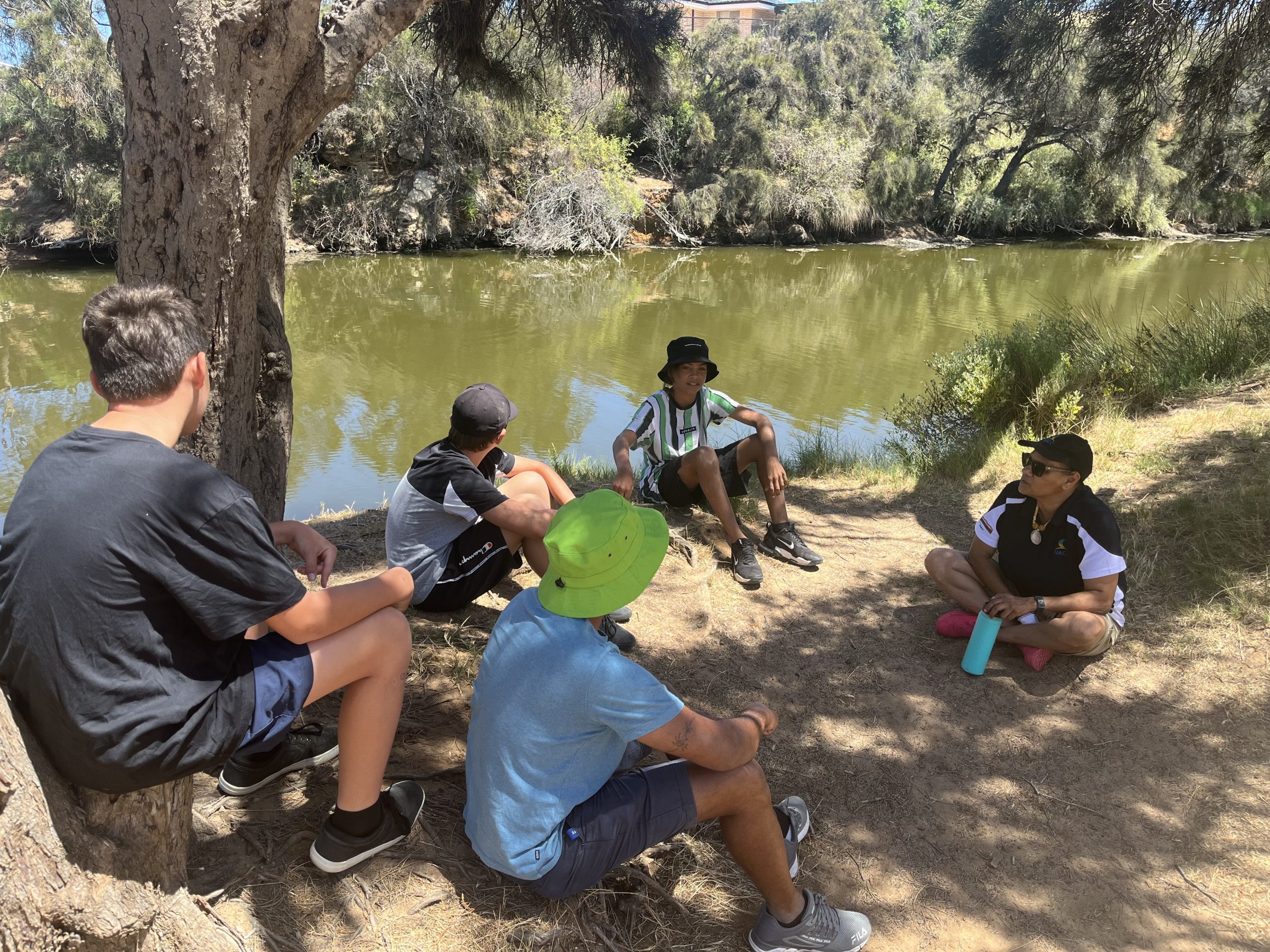
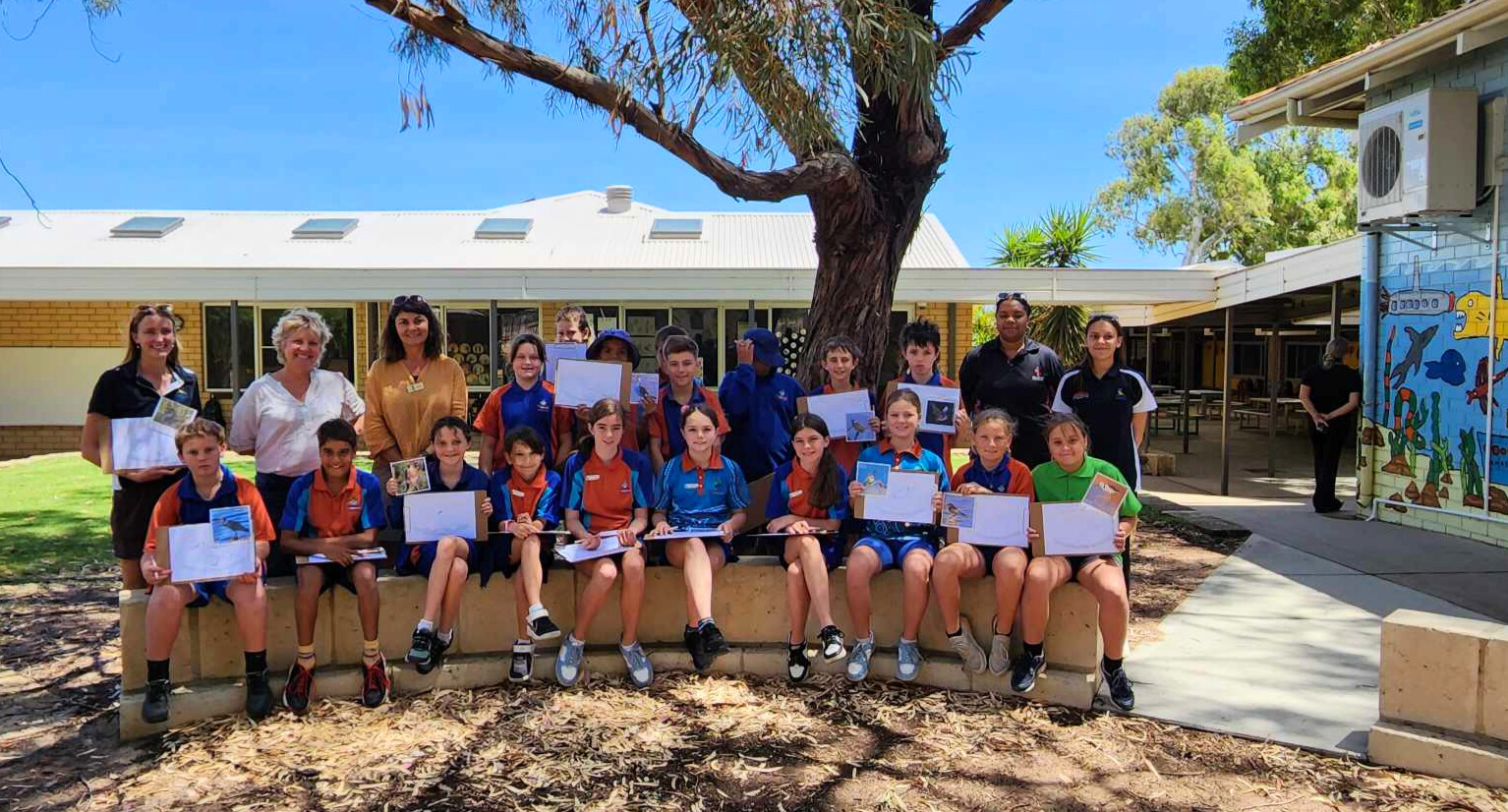
This year has also seen significant growth in school-based engagement for the MARP team. Recognising the importance of connecting culture and Country, the team has worked in partnership with community groups to demonstrate pathways to Ranger activities for youth. This collaboration has brought together a diverse range of stakeholders around shared interests. Through knowledge sharing and fostering respect for Country, the program team has successfully underscored the value of MARP and its important conservation outcomes. 

Aboriginal Custodianship

Program Highlight

In the 2023/2024 financial year, collaboration was a fundamental part of the Aboriginal Custodianship team’s success. The efforts of MARP partners have attracted further investment from Beach Energy and APA, supporting expanded training opportunities for the Rangers. Recent endeavours have focused on Traditional Fire practices in collaboration with the Kaurna community, alongside local flora and fauna training and monitoring activities. Additionally, the school-based program has fostered collaboration through the implementation of activities aligned with the NACC NRM curriculum packages, expanding reach across the region. 

Another noteworthy highlight of the year was a product of professional development within the Aboriginal Custodianship program team. Aboriginal Custodianship Trainee Kyiesha Ronan has made significant strides in her Business Administration studies. Her dedication and achievements were recognised when Central Regional TAFE named Kyiesha as the 2024 Trainee of the Year. 

Biodiversity

Strategic Achievement

Over the 2023/2024 financial year, NACC NRM’s Biodiversity program team wrapped up several projects, exceeding program goals through on ground achievement. A key focus during this time remained on threatened species within the Northern Agricultural Region (NAR), namely Malleefowl and Carnaby’s Cockatoos. 

The Biodiversity team continues to prioritise achieving high-value biodiversity conservation outcomes, including maintaining or enhancing strategic habitat for threatened species in the Northern Agricultural Region through revegetation. Each new project commencing in 2024 includes outcomes focused on revegetation and improved land management, while ‘In the Wake of the Storm’ continues to support the NAR community in better planning and implementation of revegetation. 

In alignment with the organisational strategy to ‘support landholders to engage in market opportunities related to natural resource regeneration’, the program team has also realised the completion of carbon farm planning processes under the State Government’s initiative – Carbon Farming and Land Restoration Program. Biodiversity planting recommendations were carefully curated for 604ha that represent potential market opportunities for the land managers involved. 

Program Overview

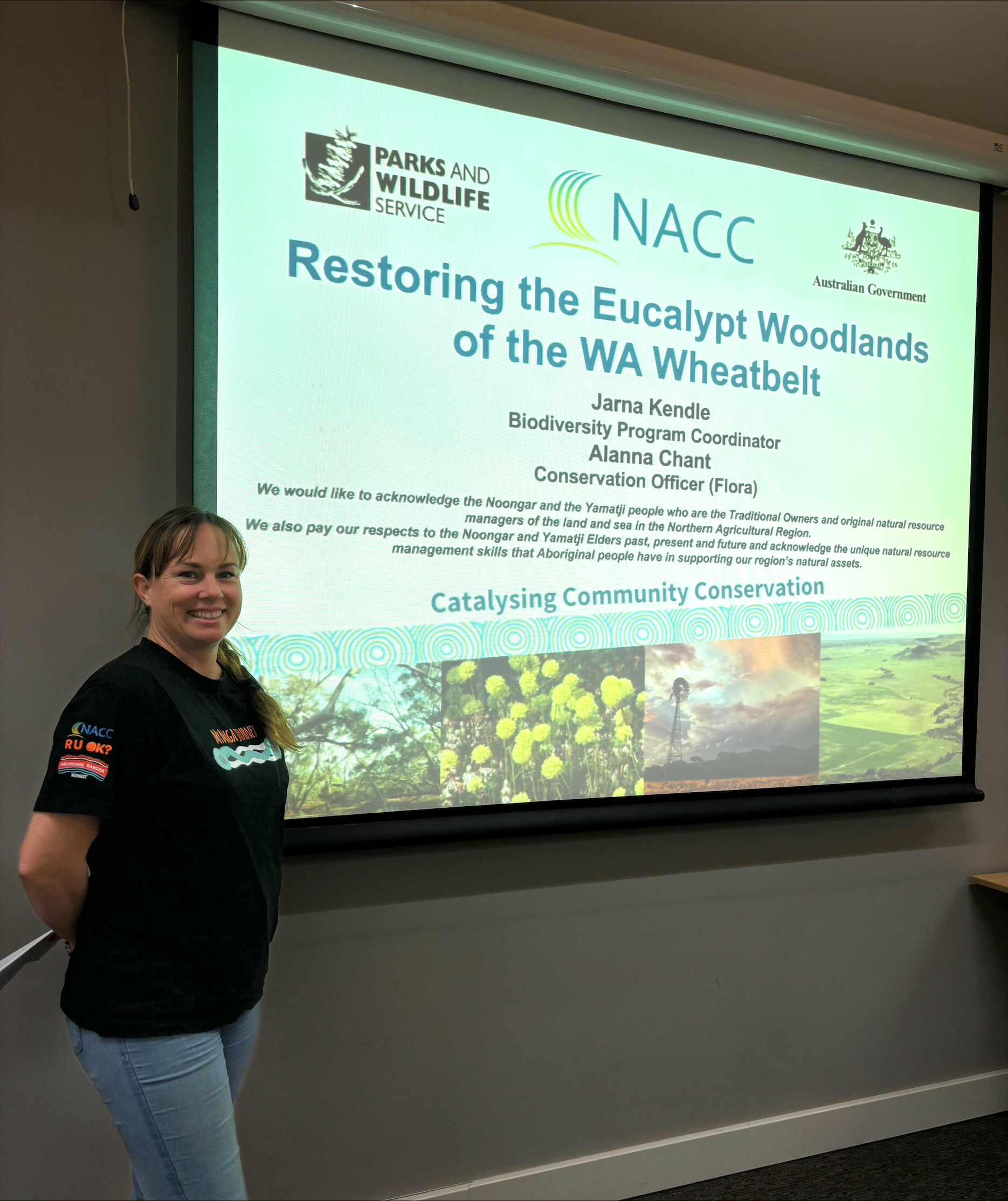
This year, the Biodiversity team has been fortunate to commence two new projects through the successful tender for the Natural Heritage Trust projects ‘Restoring the Eucalypt Woodlands of the WA Wheatbelt’ and ‘Protecting WA’s Black Cockatoos’. Both projects present exciting new opportunities for program outcomes, with the commencement of activities to protect and restore WA’s Woodlands – a listed Threatened Ecological Community (TEC) – and the continued conservation of Carnaby’s Cockatoos. Also contributing to the regional conservation of Carnaby’s Cockatoos is investment from Mitsui E&P, which supports the implementation of important strategic actions like safeguarding rare, native flora. 

Partnerships established with three local governments have supported progress in developing the resilient planting guidelines and implementing a local trial site within areas impacted by TC Seroja. The Biodiversity team has actively continued to deliver key community-based outcomes, including supporting land managers in engaging with carbon farming methodologies while facilitating potential biodiverse outcomes for the wider region. 

Biodiversity

Program Highlight

Despite the conclusion of the Biodiversity program’s past project ‘Gnow or Never’, routine monitoring of Malleefowl mounds and data management has continued, led by First Nations Rangers from Kwelena Mambakort Aboriginal Corporation (KMAC), the Department of Biodiversity, Conservation and Attractions (DBCA) and Western Mulga. Many successes have resulted, including the ground truthing of LiDAR points, national recognition of a new monitoring site, and the collection and contribution of valuable data to the National Malleefowl Database.

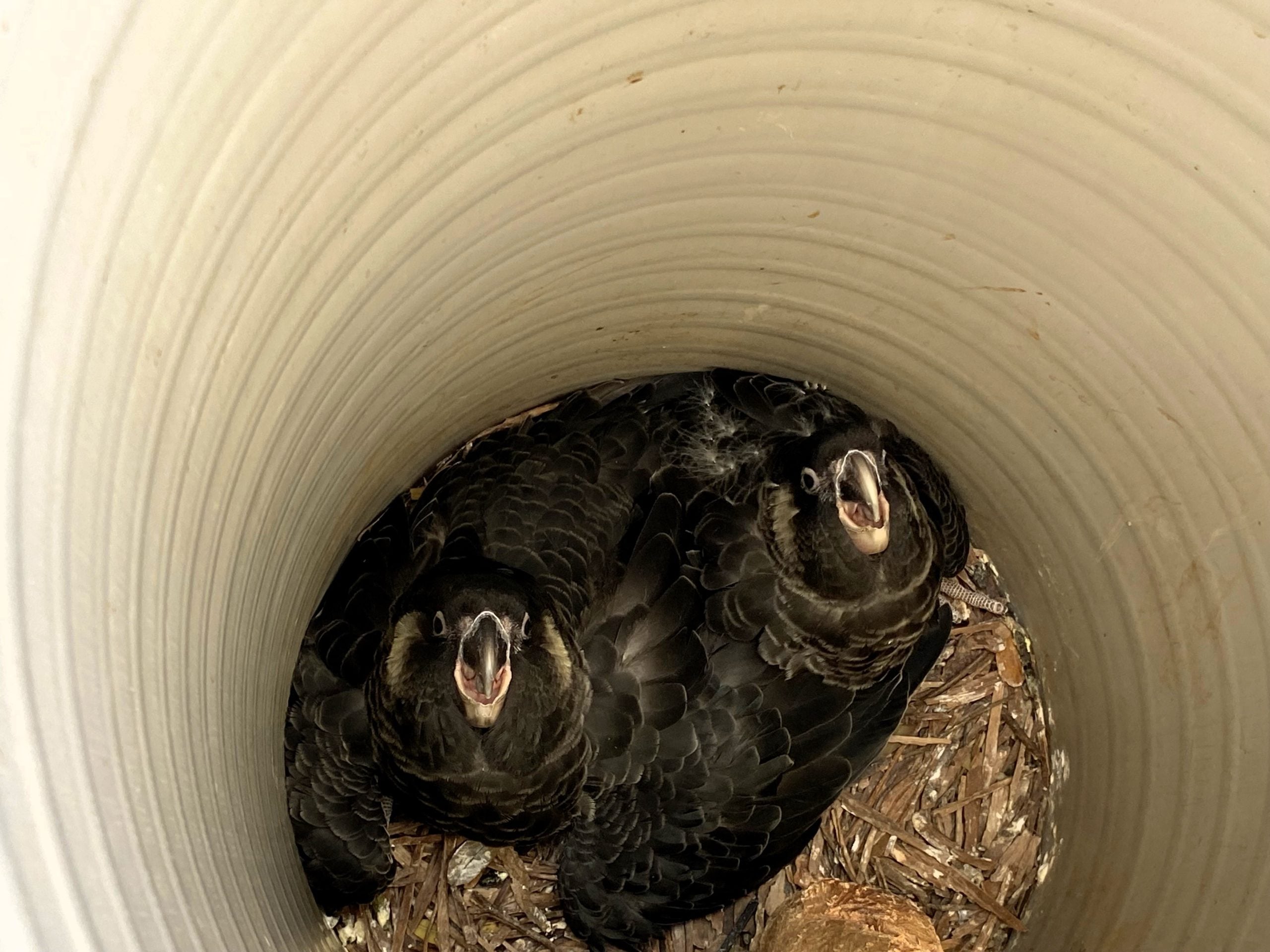
As a reflection of the Biodiversity team’s investment in their collaborative relationships, an opportunity arose to protect a newly identified Carnaby’s Cockatoo population alongside valued partners DBCA, Birdlife Australia, Carnaby Crusaders and the local community. Five artificial hollows were installed across both Dookanooka Nature Reserve and the privately owned neighbouring property, significantly enriching this site to encourage local cockatoo breeding.

‘In the Wake of the Storm’ continues to make positive progress with all three shires engaged in the process and planting completed at demonstration sites. An exciting new initiative prioritising rare native flora also kicked off this year, creating quite a buzz. This saw the last remaining population of Eremophila koobabbiensis fenced for protection, consisting only of an estimated four plants. Knowing this undertaking may have prevented the extinction of a species was an uplifting feather in the team’s cap.

Coastal & Marine

Strategic Achievement

NACC NRM’s Coastal and Marine program team has made substantial progress toward each of the program goals this year. Notably, key strategic actions have been implemented to meet the objective of facilitating the active participation of 100 Northern Agricultural Region (NAR) community members in beach clean-up and data collection events, effectively reducing marine debris while broadening their understanding of its impacts and sources. In particular, the project ‘Mitigating Marine Debris Impacts on Breeding Birds at Houtman Abrolhos’ successfully engaged 52 community members in the collection and detailed sorting of marine debris. 

Both new and completed projects align with the goal of having NAR community members involved in management activities that improve coastal and island biodiversity and ecosystems. The team has collaborated extensively with coastcare groups at a grassroots level, including funding a knowledge-sharing forum for these groups, organising guided walks for World Wetlands Day, participating in WA Beach Clean Up Day events, enhancing and promoting the Coastal Curriculum packages, and making headlines featuring in an ABC Landline story around the impacts of four wheel drive vehicle use on our coastlines and ecosystems. 

Program Overview

Securing the tender for the Natural Heritage Trust project ‘Improving Subtropical and Temperate Coastal Saltmarsh in the NAR’ facilitated a long-awaited operational shift for the Coastal and Marine team, with this project finally able to become the centrepiece of program delivery.  

In addition to this significant achievement, the Coastal and Marine team has delivered important community-based outcomes this year, with the successful completion of three externally funded projects. One project was funded by Coastwest and two by State NRM. Of these projects, ‘Mitigating Marine Debris Impacts on Breeding Birds at Houtman Abrolhos’ proved exceedingly fruitful and led to an exciting collaboration. The team were invited to join Tangaroa Blue for a series of clean up events on Christmas Island, where the Abrolhos project findings were presented at a community workshop to an audience of national stakeholders including Parks Australia.  

The team continued to deliver photo-monitoring and boxthorn workshop services on behalf of the City of Greater Geraldton and successfully secured a two-year contract renewal for these services. Funded by State NRM, the ongoing project ‘Managing Coastal Impacts of Vehicles North of Perth’ has seen extensive stakeholder engagement across the region. This project was established by the Coastal team, who remain actively involved through their roles on the project steering panel.  

Coastal & Marine

Program Highlight

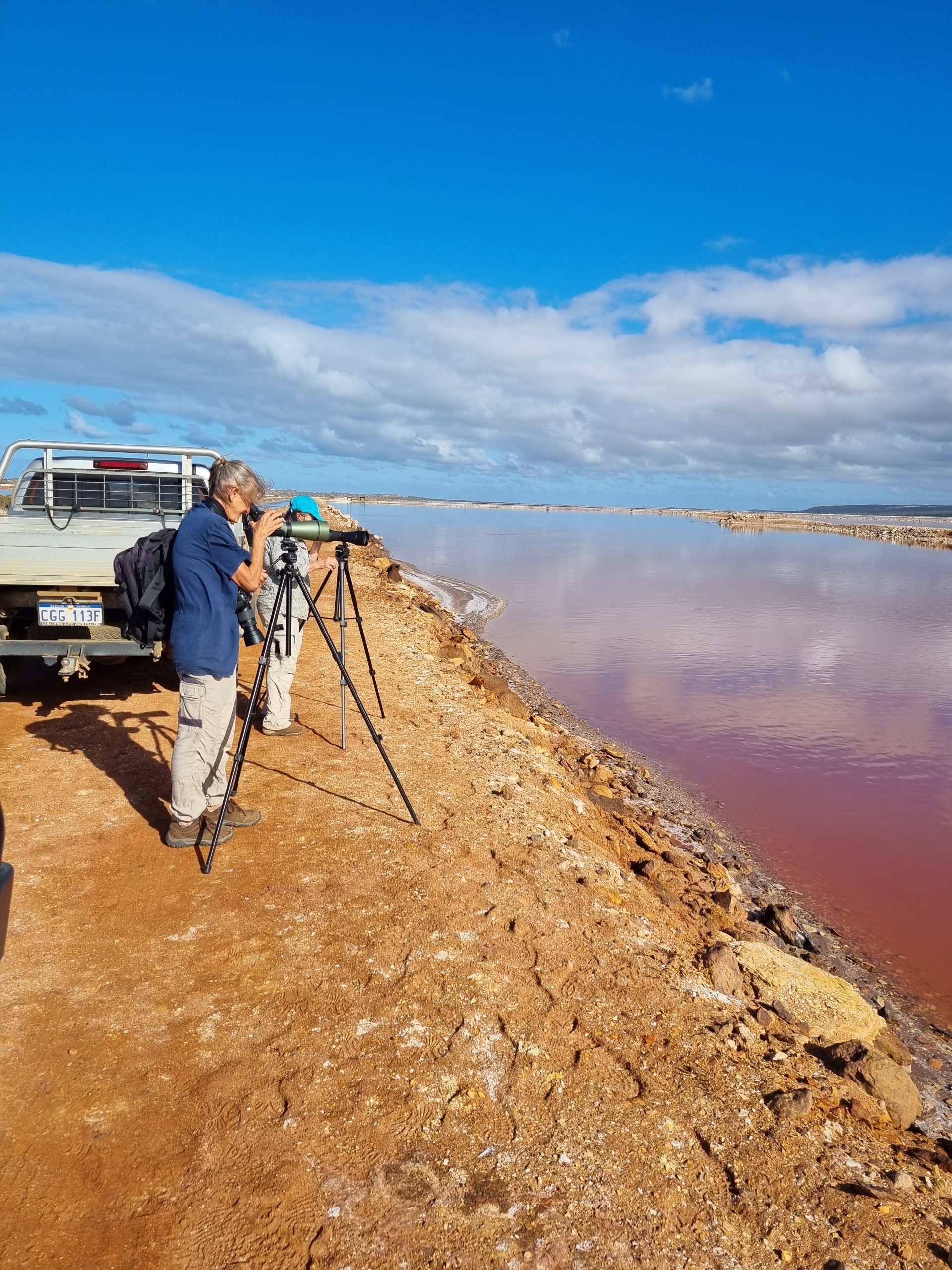
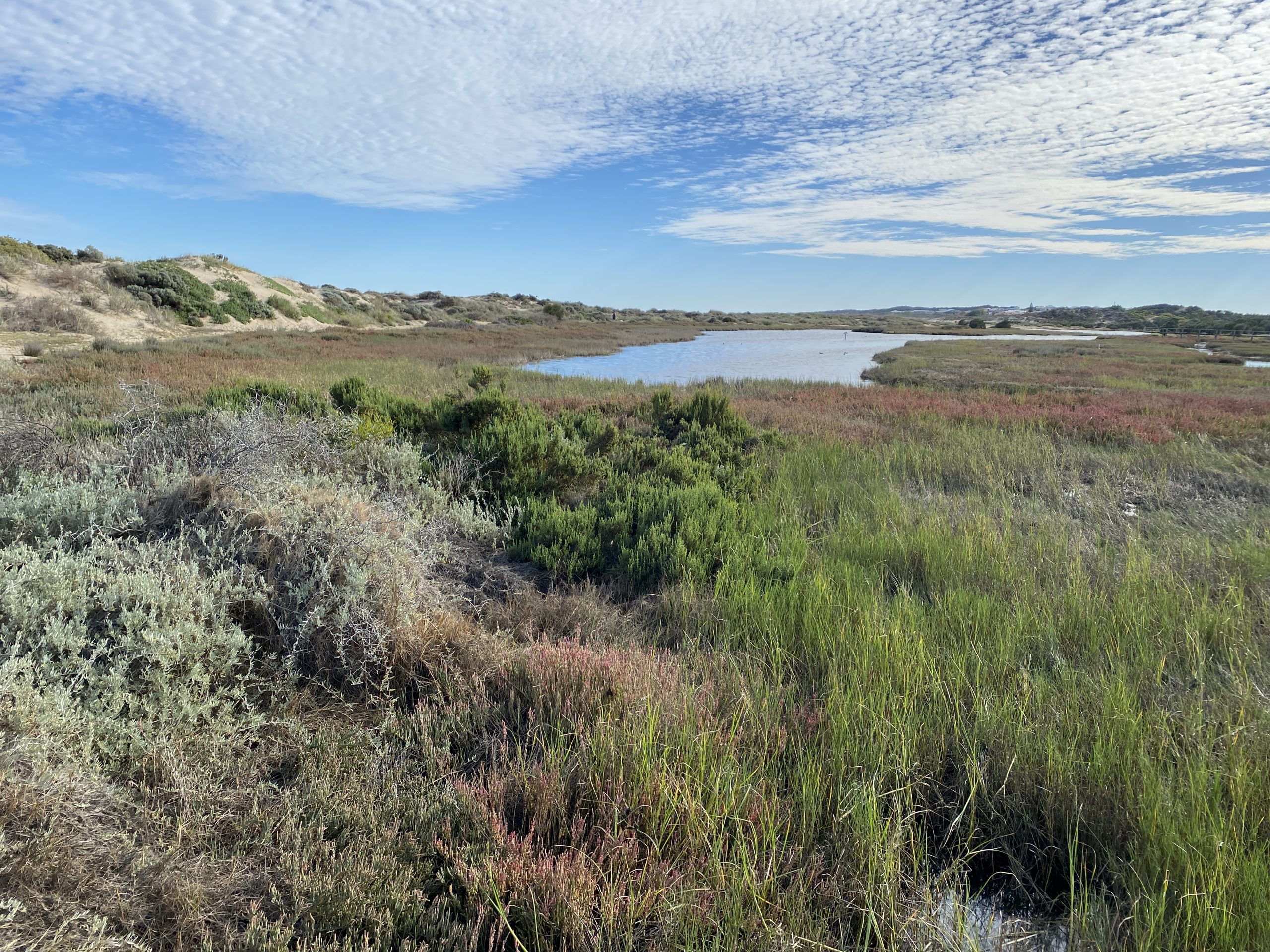
This year’s most significant accomplishment was the successful tender for ‘Improving Subtropical and Temperate Coastal Saltmarsh in the Northern Agricultural Region (NAR)’. A lack of research and understanding around saltmarsh has been the catalyst of this project, which aims to map a significant portion of this Threatened Ecological Community (TEC) while addressing and mitigating various threats. The Coastal and Marine team has not only achieved all first-year objectives, but they have also identified priority areas and increased awareness through the delivery of preliminary site visits and engagement events.  

Also worth mentioning is a highlight from August of 2023, when the team joined the Tangaroa Blue team on Christmas Island for their Indian Ocean Territories project focused on marine debris management. This invitation-only event brought together a select group of stakeholder partners and highlighted the Coastal and Marine program’s advocacy and long-held dedication to Tangaroa Blue’s objectives. Additionally, the team contributed to the initiative in delivering a community presentation detailing the actions and outcomes of their recently wrapped project ‘Mitigating Marine Debris Impacts on Breeding Birds at Houtman Abrolhos’. 

Sustainable Agriculture

Strategic Achievement

Throughout the 2023/2024 financial year, the Sustainable Agriculture Program team has remained focused on delivering outcomes and activities in alignment with the key program goals. These goals focus on engaging land managers to increase improved land management practices across the region, and actively supporting regenerative and sustainable agriculture producers. In collaboration with the Biodiversity program, the Sustainable Agriculture team contributed to the ‘Emergency Preparedness and Response Plan for Biodiversity and Agricultural Natural Capital in the Northern Agricultural Region’ project. This initiative produced a comprehensive risk identification and response plan for the protection of agricultural and environmental assets in the region.  

Alongside ongoing projects, the team has engaged in various activities and events with partner organisations to maintain and strengthen presence and impact in the agricultural space. This involvement has included presenting at DPIRD’s Carbon Farming and Land Restoration Fund events, supporting applications, and fostering connections among groups across the region. 

Program Overview

This year saw the launch of NACC NRM’s Sustainable Agriculture Facilitator, a role aimed at providing tailored support to producers throughout the region. Additionally, two projects were initiated under the Foundation of Rural and Regional Renewal (FRRR)’s Future Drought Fund Community Impact Program; ‘Maintaining Community Capacity’ and ‘Midwest Coordination’. These projects are designed to enhance drought preparedness, promote local adoption of sustainable practices, and assist two grower groups in transitioning to structures that lessen their reliance on volunteer labour. With another year still to run on this project, the scope of these projects is set to expand in 2024-2025. Meanwhile, the ‘Chapman Catchment Collaborative Landscape Scale Regeneration’ project successfully met all final outcomes and concluded in December of 2023.  

The Node Lead project has significantly progressed the program goal of improving drought resilience and the rate of adaptation to climate change across the NAR. This project is engaged through the Grower Group Alliance and supported by the South-West WA Drought Resilience Adoption and Innovation Hub, through funding from the Australian Government’s Future Drought Fund. It has enabled a longitudinal survey process to better understand the priorities and barriers land managers face in adopting sustainable agriculture practices. Further contribution to this goal is the program team’s active involvement in the processes of implementing the Regional Drought Resilience Plan (RDRP) in the Mid West pilot region and developing an RDRP for the North Midlands area. 

Sustainable Agriculture

Program Highlight

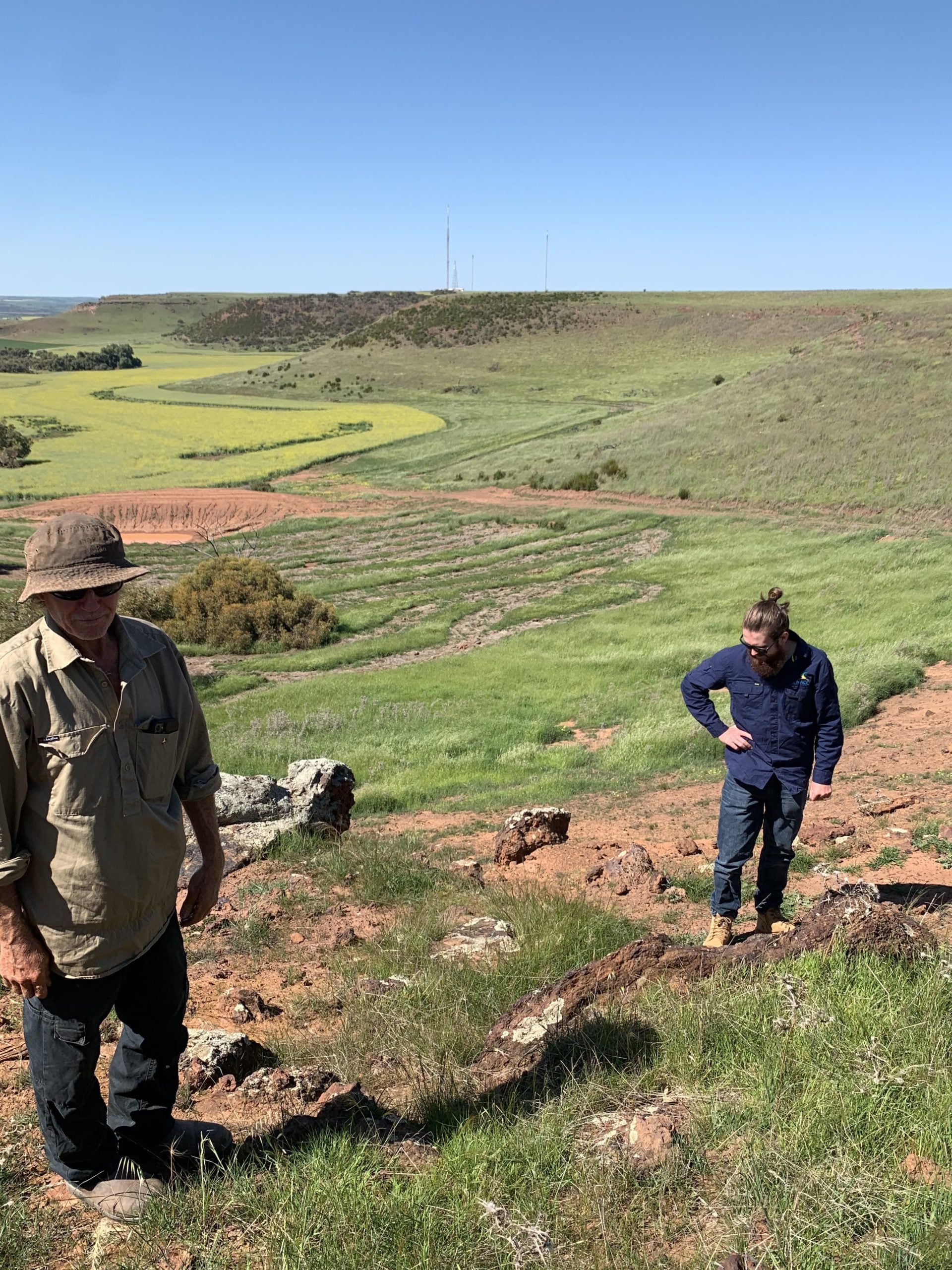
During the 2023/2024 financial year, the successful completion of the ‘Chapman Catchment Collaborative Landscape Scale Regeneration’ project resulted in the completion of management plans for seven sites focused on hydrology restoration and biodiversity enhancement. Developed with input from key professionals and land managers, these plans have led to significant change in practices over 2,981 ha of actively managed agricultural land within the catchment. Notably, the diverse locations of these sites serve as restoration models for each landform type in the catchment, offering substantial opportunities for future learning and enabling the project’s outcomes to further influence management practices throughout the region. 

CEO’s Report

In 2020-21 I talked about ‘raising the bar’. In 2021-22 we worked on setting the bar on fire. Over the last 12 months, the team at NACC NRM has not stopped.

The Sustainable Agriculture team has extended the program’s reach through collaborations with grower groups in the regions. Specifically, the Beyond Reasonable Drought project and Grower Group Alliance – South West WA Drought Innovation Hub – Geraldton Node project. The Beyond Reasonable Drought partnership with grower groups supported farmers across the region to improve the environmental sustainability of their agricultural production and drought resilience. The outcomes of this project have been consolidated through our successful Expression of Interest to the South West WA Drought Innovation Hub, with support from grower groups across the region, to host the Geraldton Node of the Hub. The program continues to focus on working with agricultural networks to share technical expertise and provide opportunities that will improve land management practices in agriculture across the region.

The conservation outcomes of ranger teams have expanded through work on several land tenures. Maintaining Heritage sites such as Willi Gulli, Racecourse Paddock and Buller River has long been a priority. During 2021-22, the teams have increasingly focused on threatened species and ecosystems.

To this end, Western Mulga rangers have improved management across 19,000 ha for the conservation of Malleefowl through firebreak and access management. They completed the maintenance of water holes and supported the monitoring of over 90 Malleefowl mounds.

Similarly, the Kwelena Mambakort Aboriginal Corporate ranger team have contributed positively to Carnaby’s Black Cockatoo populations by installing artificial hollows and habitat restoration.

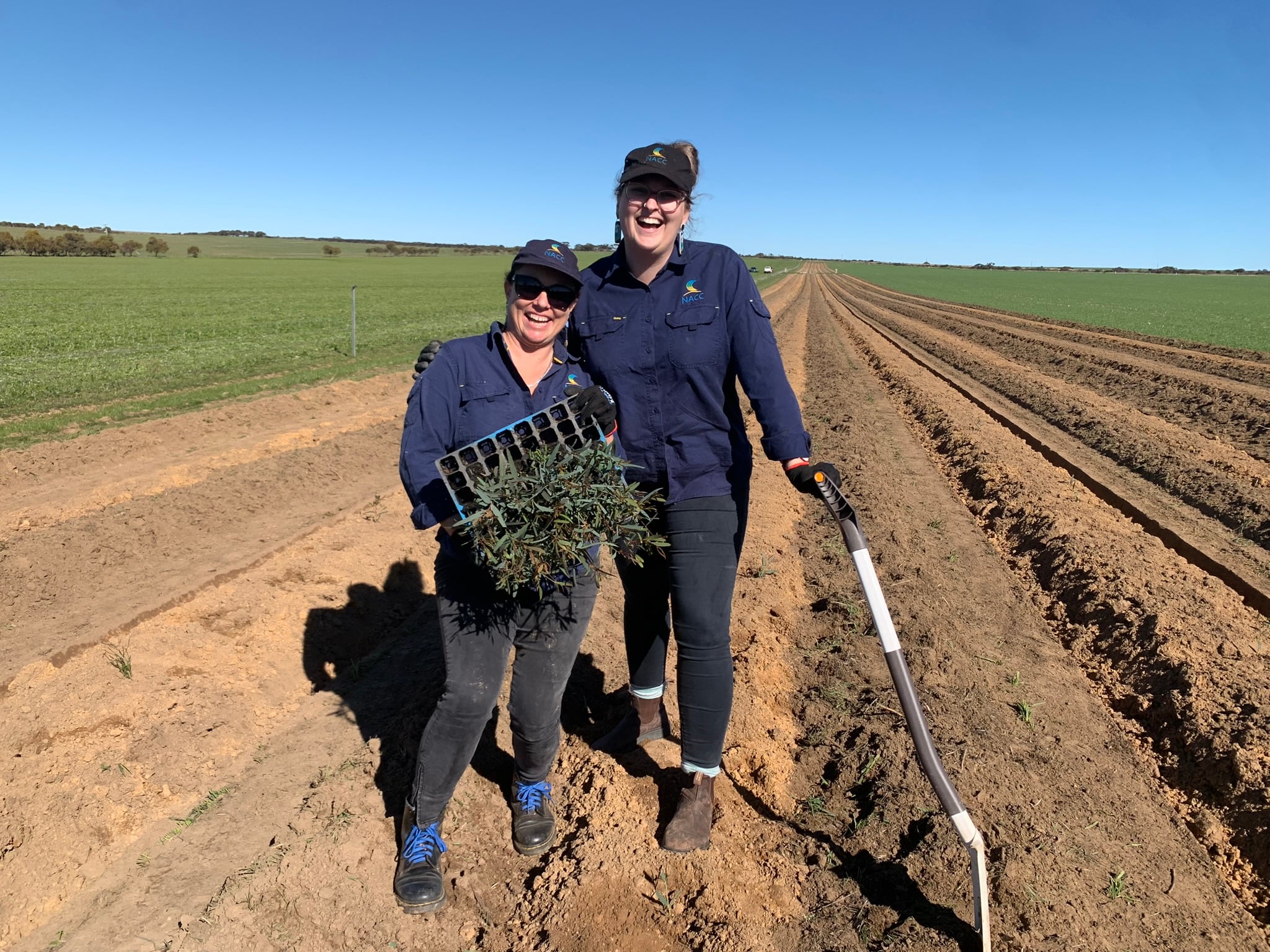
All ranger teams have collected native seed, propagated native plants for restoration, and planted native vegetation in key locations across the NAR. Seed collection provides valuable industry experience and has facilitated the planting of over 100,000 seedlings during the year.   

In September 2021, the NACC NRM team delivered the WA Threatened Species Forum, held in tandem with the National Malleefowl Forum. Given the impact of COVID and the timing of this event, having more than 100 delegates from all over Australia was a significant achievement. The two Forums brought together 12 events over five days and featured 14 local artists, 25 businesses and 36 youth participants.

Following the successful relaunch of our updated NARvis, NACC NRM was invited to help lead a significant piece of strategic planning work for the region with Mid West Development Commission and the Department of Primary Industries and Regional Development. With funding from the Australian Government’s Future Drought Fund, the consortia delivered a Regional Drought Resilience Plan covering the shires of Northampton and Chapman Valley and the City of Greater Geraldton, along with significant technical analysis of drought vulnerability for the South West land division. The development of this plan also included extensive community consultation to ensure that local knowledge and technical advice guided the development of priorities for action.

This planning work links to existing NACC NRM on-ground projects, including Beyond Reasonable Drought and the Chapman Catchment Collaborative regeneration project.

It was a busy year for events with face-to-face events becoming commonplace again. During 2021-22 we hosted events in Gingin, Moora, Dalwallinu, Cervantes, Jurien Bay, Walkaway, Nabawa, Perenjori, Kalannie and Morawa. We supported events in Karakin, Thundellara, Perenjori, Paynes Find, Wubin, Cataby, Warradarge, Northampton, Yuna, Dalwallinu and Dandaragan.

We also supported on-ground works throughout the region, including at the following locations Yuna, Dalwallinu, Dandaragan, Merkanooka, Goodlands, Kalannie, Bunjil, Yardarino, Canna, Kondut, Latham, Kadathinni, Nabawa, Red Gully, Sandy Gully, Waddy Forrest, Devils Creek, Perenjori, Bowgada, Ellendale, Wandana, Namban, Hill River, Warradarge, Gillingarra, Regans Ford and Moonyanooka.

Our region is vast – slightly larger than Tasmania, which for comparison, is serviced by three separate NRM organisations. Covering the NAR region and its many environmental threats is challenging. We continue to focus on partnerships and collaboration to address this challenge. We know that by working with our community through passionate delivery of collaborative on-ground projects and education, the community will value and actively protect our region’s natural capital.

This year we have launched a new Reconciliation Action Plan (RAP). The RAP Working Group consulted widely and developed an Innovate RAP which Reconciliation Australia approved in March 2022. The activities to fulfil these commitments are now in full swing.

Sadly, at the end of 2021, we farewelled former NACC NRM CEO Shelley Spriggs, who lost a long battle with cancer. Shelley was an inaugural inductee to the NRM Leadership Honour Roll. I will always be grateful for her guidance and no-nonsense approach, not to mention her passion for life.

While we have said farewell to some, we have welcomed many new faces across all programs, including our Administration team. We have also hosted a school-based trainee from Nagle Catholic College who has been working towards a Certificate II in Conservation and Ecosystem Management. This trial position has been very successful, and we look forward to making this opportunity available again in 2023.

During 2022 we have taken on new projects that align with our organisational and program objectives, and we have successfully completed some great initiatives that support continued conservation and sustainability outcomes. I want to thank the whole team who continue to go above and beyond for the organisation and each other proving their ongoing commitment to our purpose and our values.