“The 2024-25 financial year has been a period of
persistence, adaptation, and forward momentum for NACC NRM.”
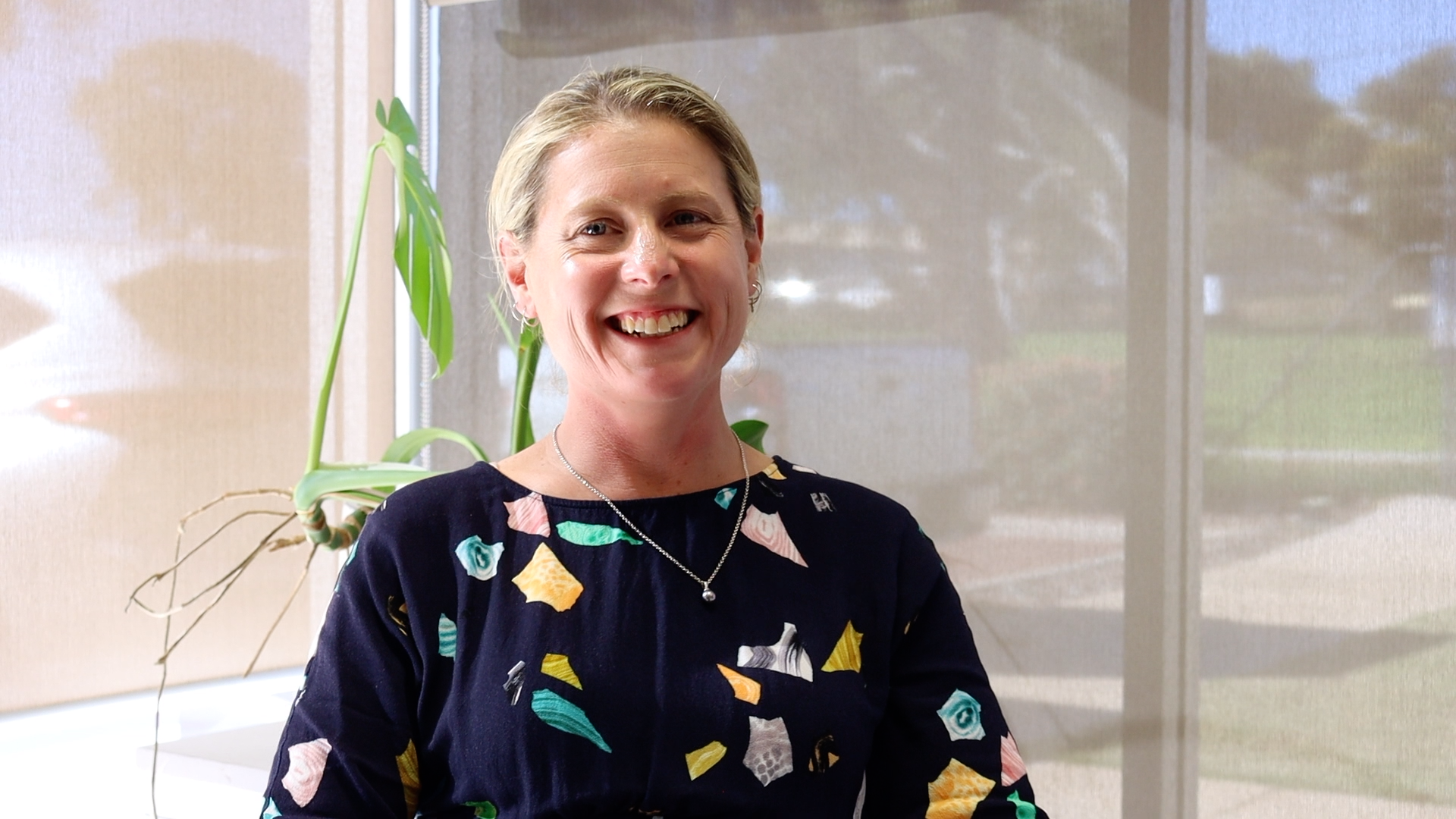
– Katherine Allen, CEO
NACC NRM continues to strengthen community engagement and awareness across the Northern Agricultural Region (NAR), guided by our strategic communications goals.
This financial year, we focused on increasing awareness of Traditional Ecological Knowledge (TEK), promoting opportunities for communities to contribute to natural resource management (NRM), and expanding the reach and impact of our communications. By providing support services and leveraging our existing platforms for groups, individuals, and producer organisations, we have continued to catalyse meaningful conservation action across the region.
Now in its second year of operation, the NACC NRM Enterprise Hub (NNEH) has become a vibrant centre for collaboration. During 2024/2025, NNEH hosted over 1,500 guests, welcoming a wide variety of groups and businesses from within and beyond the NAR.
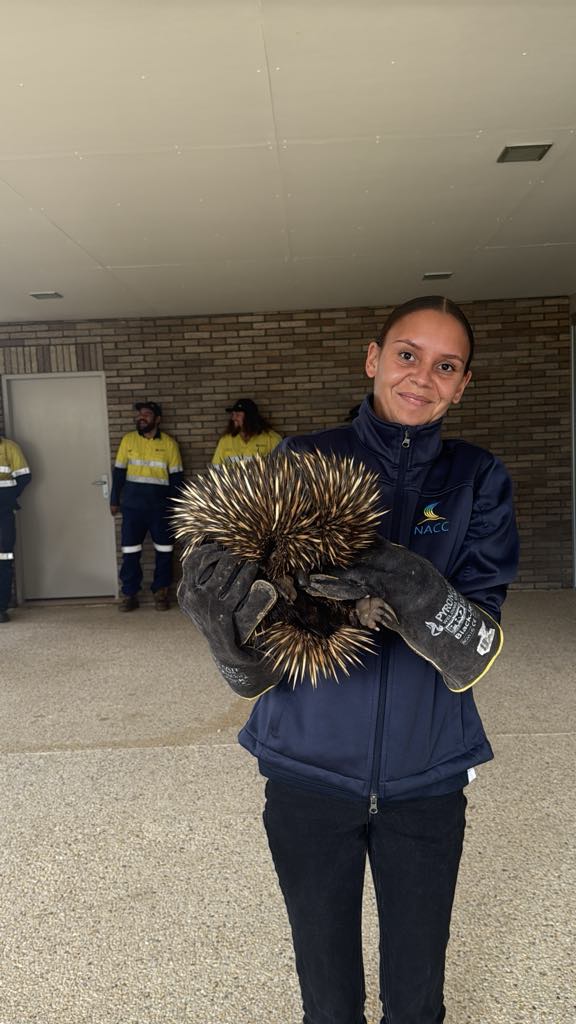
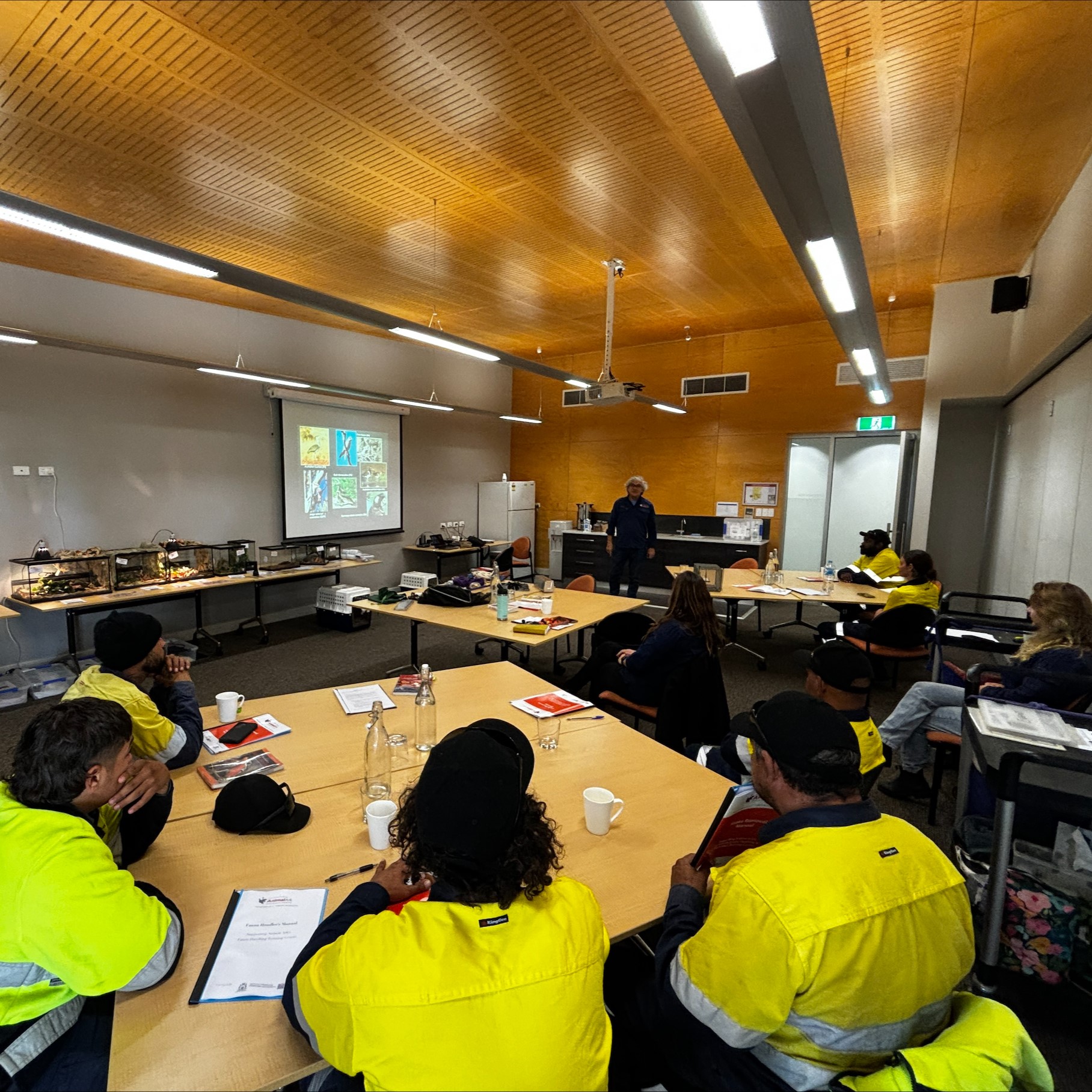
A standout moment was in July 2024, when the NNEH hosted fauna handling training for Midwest Aboriginal Ranger Program (MARP) Rangers, delivered by Animal Ark. A related social media post reached more than 1,600 people on Facebook, an example of how NNEH not only supports community capacity building but can also amplifies awareness through digital storytelling.
This year also saw the NACC NRM team apply exciting new technologies in citizen science and cultural exchange. In September 2024, NACC NRM staff from our Aboriginal Custodianship, Coastal & Marine, and Communications teams completed CASA-accredited commercial drone training with Central Regional TAFE.
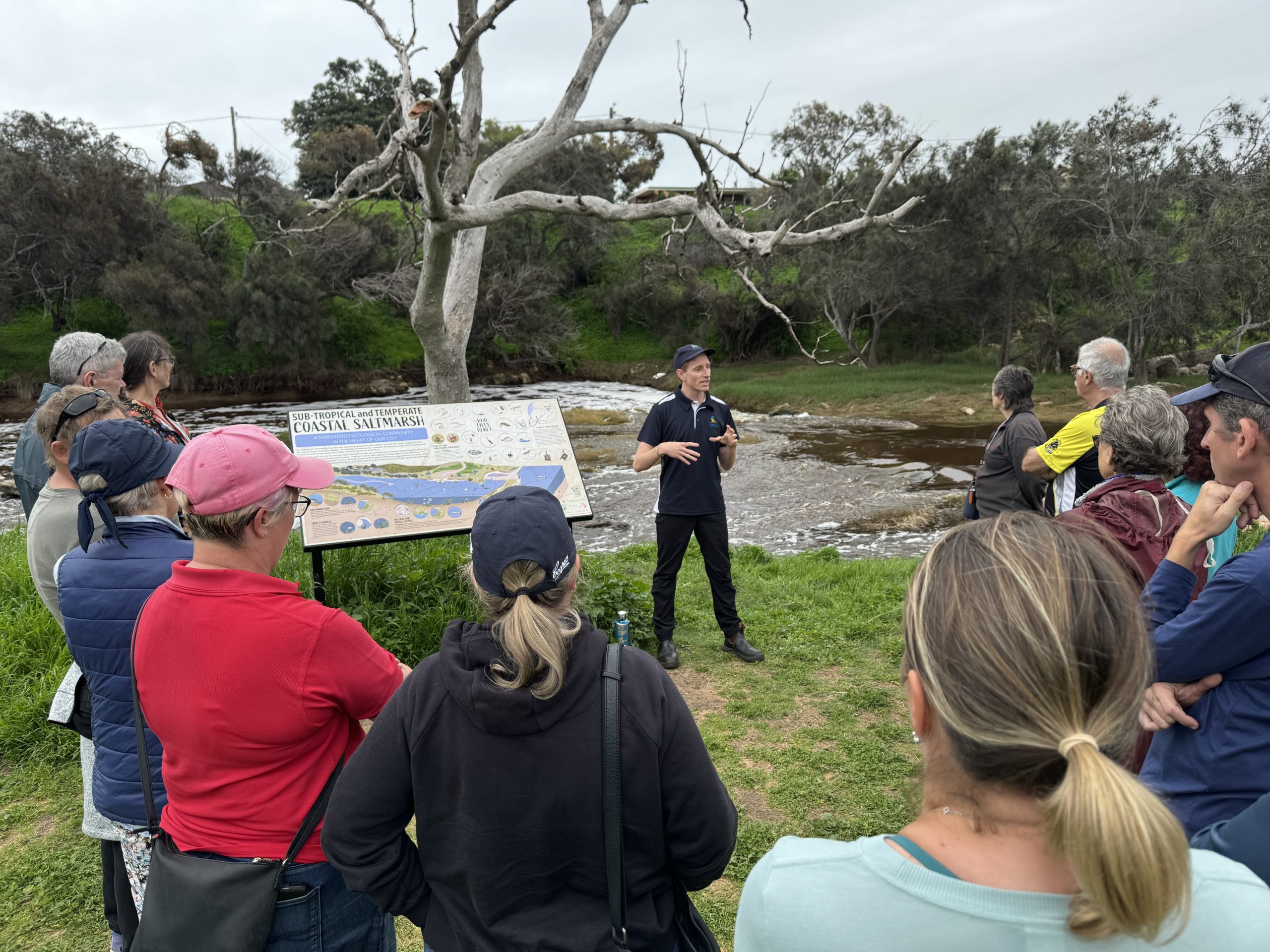
The training has built on our organisational capacity, particularly in the areas of mapping and monitoring. Our Coastal & Marine team went on to utilise drones in assessing saltmarsh habitats, an efficient and much less invasive method of surveying, which resulted in the establishment of a dataset to track changes over time.
Citizen science took centre stage with the Fishing Float Survey, an initiative supported by Keep Australia Beautiful WA (KABCWA)’s Community Litter Grant. Throughout the year, community members helped collect and log more than 150 fishing float numbers and over 161 kg of marine debris along the NAR coastline. This information is now forming the basis of a collaborative database that can be used to identify sources of marine debris and work with fisheries to reduce gear loss.
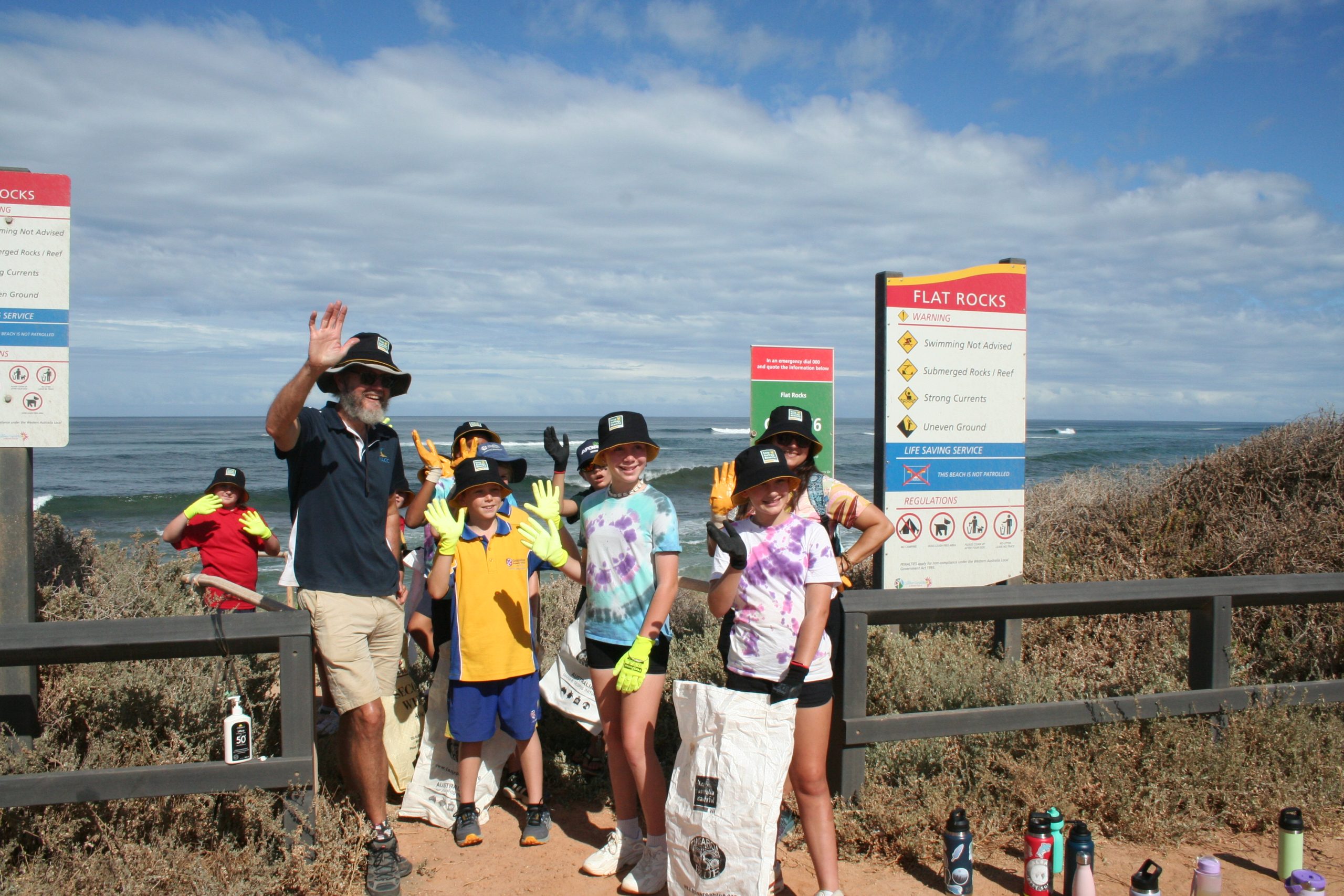
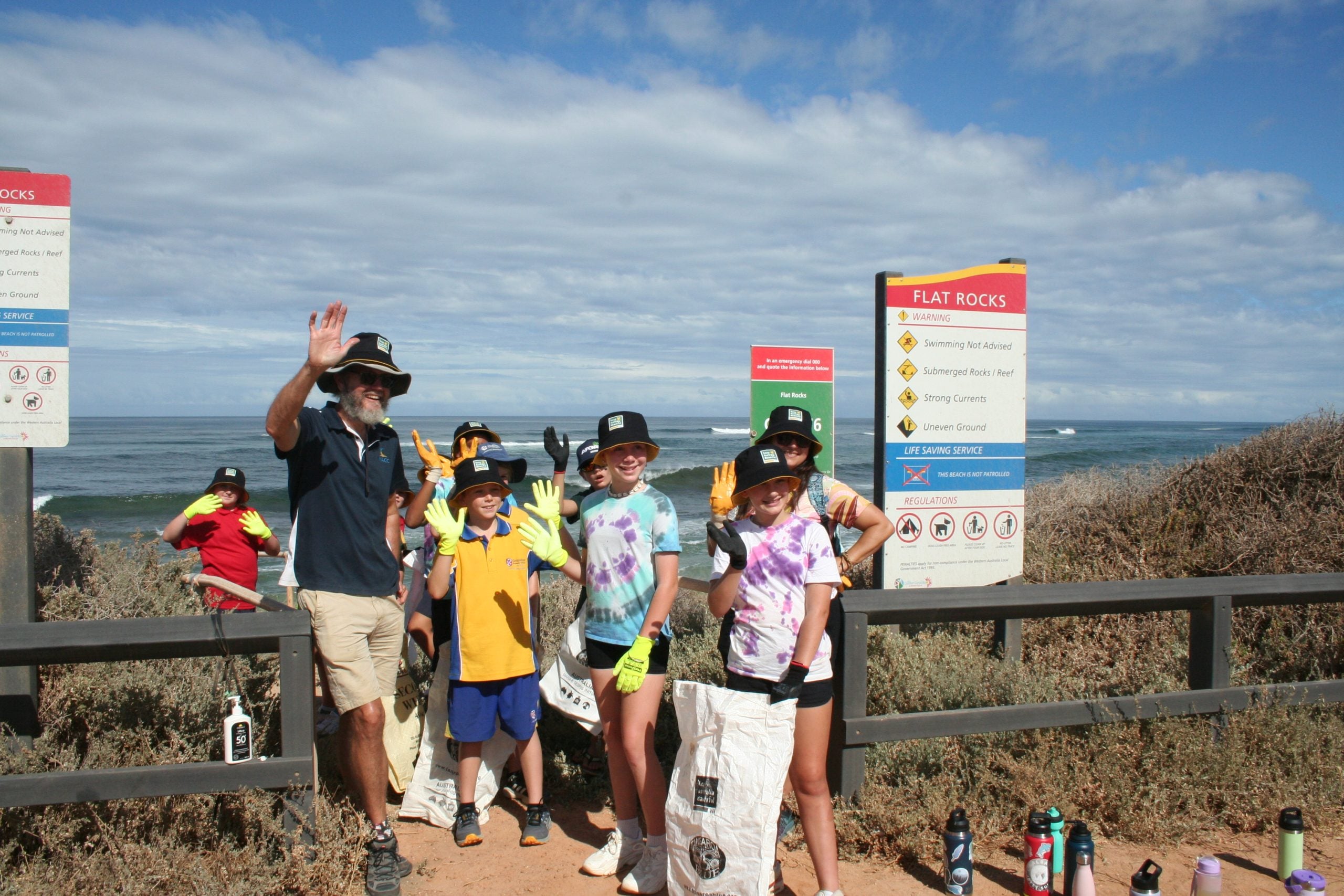
The project gained further visibility in March 2025, when NACC NRM and KABCWA curated a promotional video in partnership with local business, Mullermind Creative. The video showcased students from the Midwest PEAC program participating in a coastal cleanup. During the event, 21kg of rubbish was collected, two-thirds of which was attributable to the crayfishing industry and much of which was decades old. The story highlighted how science, community, and education can work together to tackle pressing environmental challenges.
NACC NRM’s communications efforts this year have continued to reach new audiences and strengthen connections. Our monthly e-newsletter, NACC Notes, achieved an average open rate of 40.1% – a 20% increase from the previous year – reflecting strong community interest in our monthly updates.
On Facebook, the NACC NRM page welcomed 4,800 visits and reached more than 26,800 users. A post highlighting MARP training at NNEH was a standout, reaching 3,200 people. Our Instagram audience has been steadily growing since its inception in 2020, with over 200 profile visits during 2024-25. The work of our Biodiversity team proved very engaging, with their efforts monitoring Carnaby’s cockatoo populations at Murchison House Station receiving over 300 views. Together, these results highlight a growing appetite for stories of local conservation, culture, and collaboration.
As we look ahead, NACC NRM remains committed to creating opportunities for people across the Northern Agricultural Region to connect with their local environment, and work collaboratively for a thriving and resilient future.

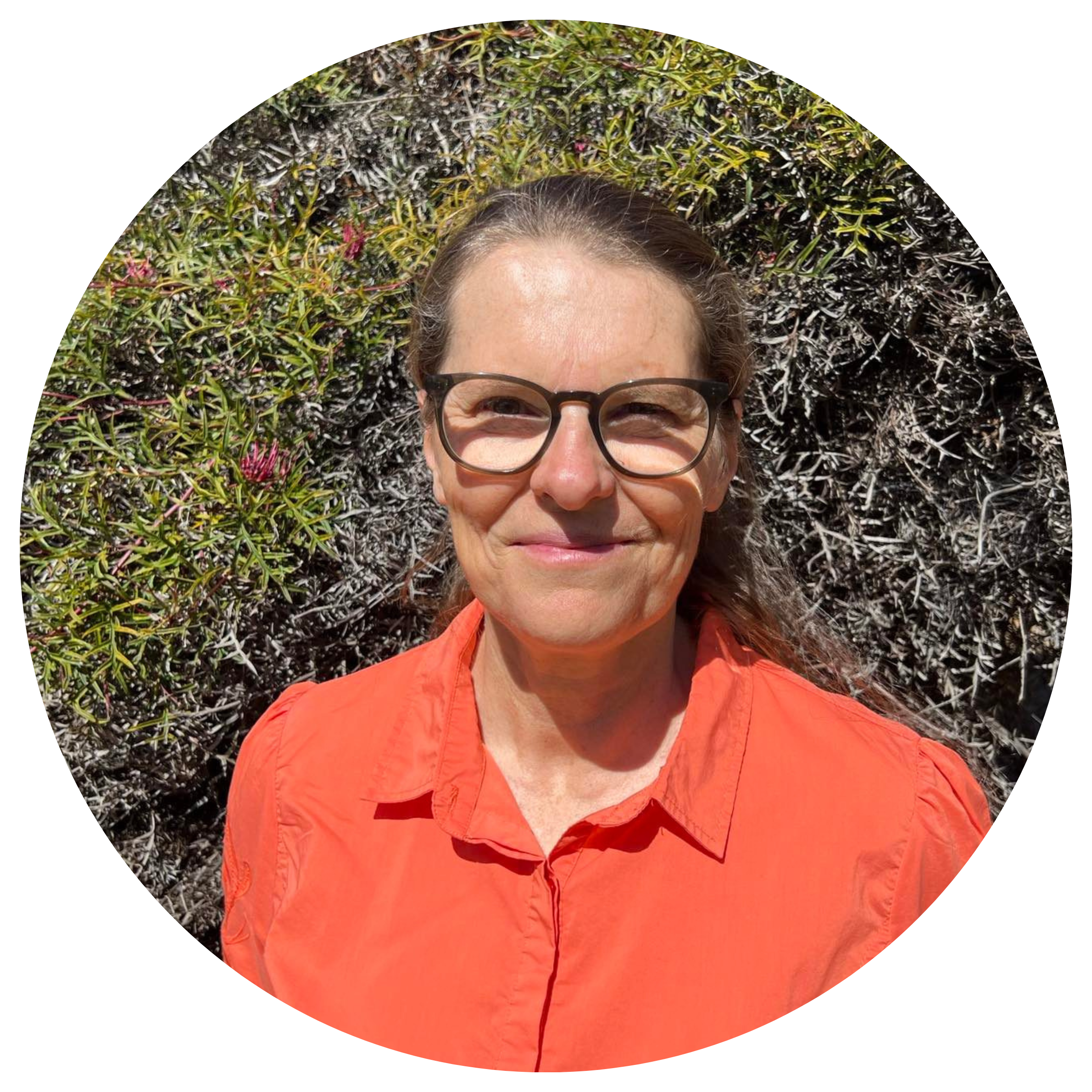
CHAIR
FY24-25 has been another productive year for NACC NRM. Once again, the passion and professionalism of the staff and the support of the Board have been critical to our success.
This year was all about settling into the delivery of the new Natural Heritage Trust contract with the Federal Government for provision of environmental and biodiversity services, while also continuing to pursue diversified funding through opportunities in the Environmental and Social Governance space. The CEO report will detail some of the projects and outcomes delivered by the team.
We settled into our new premises at 4 Walton Close, and through delivery against the NACC NRM Enterprise Hub Business Plan objectives, continued to contribute to organisational financial resilience through this additional income.
This year also saw the refresh of the Constitution, approved by Members at a Special General Meeting in February this year. This refresh ensures that our Constitution stays abreast of best practice and remains compliant under the Associations Incorporations Act (WA) 2015, while also giving us the opportunity to streamline the Director appointment process.
Regarding Directors, we sadly said farewell to NACC NRM Director Ceri Evans earlier this year, and Director Catherine Galli will also leave us in October. The wise counsel and expertise of both directors will be sorely missed. The Board is extremely grateful to them for their contribution over the last few years. Happily, we have received applications from excellent candidates to fill these vacancies, and we look forward to presenting these candidates for endorsement by the Members at the AGM in October.
Our CEO, Katherine Allen, took a well-earned Long Service Leave break for the first quarter of the calendar year, and our Program and Operations Manager, Kane Watson, stepped in as Acting CEO in her absence. The Board sincerely thanks Kane for his competent and confident leadership of NACC NRM during this period.
Looking ahead to FY25-26, we will continue to deliver high-quality biodiversity outcomes through our established Australian Government contracts and continue to pursue other funding avenues to improve our financial resilience. The Australia’s Strategy for Nature 2024-2030, updated in 2024, sets a number of targets linked to Australia’s obligations under the Kunming-Montreal Biodiversity Framework and is a call to action for all sectors with a dependency on nature. With this backdrop, regional NRM groups are poised and ready to contribute to its delivery, and we will continue to work with NRM Regions Australia, NRM WA and State and Federal government agencies to ensure that our industry’s expertise is utilised to deliver positive outcomes for nature.
I would like to thank the staff, ably led by our CEO, Katherine Allen and Acting CEO, Kane Watson, for their hard work, passion and professionalism throughout this year. I would also like to thank the Board for their ongoing support and guidance. And finally, I would like to thank our numerous partners in the region and beyond, who are instrumental in helping us deliver our purpose of ensuring that the NAR community values and actively protects our natural capital by catalysing community conservation.
I look forward to working with the Board, staff and partners to continue to meet these challenges and deliver real and sustained natural resource management outcomes on the ground.
Chair, NACC NRM

Chief Executive Officer
One of the highlights of the year has been seeing significant on-ground outcomes take shape following the full establishment of our Australian Government funded projects. Natural Heritage Trust (NHT) projects, many of which began late in the last financial year, are now well underway with real, tangible achievements across the region.
We’ve also responded to the Australian Government’s recognition of the damage to Wheatbelt Woodlands following the extreme late-summer heat of 2024. This investment has enabled us to deepen our understanding of the impacts on this Threatened Ecological Community and will also support initial critical recovery work.
This year has been one of persistence, adaptation, and forward momentum for NACC NRM. While we navigated an extended Australian Government program transition period, our team met the challenges in delivery and cash flow head on – finalising contract negotiations, rolling out new projects, and re-igniting initiatives that were temporarily paused during this process.
Our primary Sustainable Agriculture project faced a later-than-planned start. Yet, some activities have already been delivered, and with a full year ahead in 2025-26, we are optimistic about the positive change we will achieve. A new project partnership with NRM Regions Australia has also commenced within the Sustainable Agriculture program. This initiative demonstrates the strong collaborative role that NACC NRM has maintained across the sector, including strategic engagement on behalf of NRM WA this year.
In our Coastal & Marine program, we have stepped up our tech capability, undertaking high-resolution UAV surveys of saltmarsh communities. This work was enabled through a partnership with Bush Heritage Australia and has delivered the region’s first UAV-enabled detailed vegetation and weed maps of temperate Coastal Saltmarsh Threatened Ecological Communities, providing a vital baseline for long-term monitoring.
Another ongoing organisational highlight has been our continued collaboration with First Nations organisations through our cross-cutting programmatic approach. We are honoured to continue to work with First Nations organisations and other partners to deliver the Midwest Aboriginal Ranger Program and to embed planning and delivery opportunities for traditional custodians across our programs. Our AC team has also supported partners with their own ranger funding applications and has continued their powerful work with schools in the region to provide opportunities to care for country.
Steady revenue from the NACC NRM Enterprise Hub (NNEH) has largely covered building operational costs, providing stability for the organisation. That said, we are focused on further strengthening our performance in this area to leverage greater returns to enable further investment in NACC NRM’s purpose, and greater benefit the environment.
We have also been bold in forging new partnerships and exploring fresh opportunities. For not-for-profits, this is not without its challenges, but I am grateful to NACC NRM for trusting me to steer our strategy with a long-term perspective. We are actively considering how to manage risk whilst remaining agile amid evolving government policies, shifting market demands, macroeconomic pressures, and the changing priorities of landholders.
Our ongoing commitment to community engagement remains a cornerstone of our work. This year, we have worked alongside over 150 community members and volunteers, and at least 37 groups across the region, to build greater value in environmental restoration and conservation through increased community buy-in. Our monthly e-newsletter continues to be popular with nearly 40% of newsletters being opened by recipients, an increase of 20% from the previous year.
Looking ahead, we are exploring strategic, landscape-scale opportunities, with Natural Capital emerging as one of the mechanisms to attract scalable investment. These future-focused initiatives, built on our strong record of outcomes, will not only strengthen our impact but also position NACC NRM as a leader in innovative, resilient approaches to NRM.
I want to acknowledge again the dedication of our Board, led by Chair Elisabeth McLellan, and our talented team, whose hard work, passion, and adaptability have been the driving forces behind our achievements this year. The team have developed new skills and expanded organisational capacity in a complex social and economic landscape and changing environment, with their demonstrated professionalism across our community and partners a key feature of NACC NRMs success.
Together, we are delivering more environmental outcomes for the NAR through a stronger, more resilient NACC NRM, and I look forward to what we can accomplish in the year ahead.
CEO, NACC NRM

Treasurer
As we reflect on the 2024/2025 financial year, I am pleased to report that NACC NRM has maintained a stable financial position while continuing to deliver impactful projects and strengthen our partnerships. This year has seen the organisation consolidate the foundations laid in the previous period, while also benefitting from increased revenue and an improved operating result.
Firstly, I wish to extend my appreciation to NACC NRM’s Accountant, Thomas Fleming, for his diligence and professionalism in managing the organisation’s finances in line with Australian Accounting Standards. I also acknowledge the work of AMD Chartered Accountants, who completed their second consecutive audit of NACC NRM with a thorough and professional approach.
The Operating Statement for 2024/2025 reflects a positive turnaround, with a surplus of $1,135,088. It should be noted that a large portion of this surplus is a result of income that is accrued and was not received until August 2025. This positive result is underpinned by stronger income recognition from Australian Government programs, coupled with prudent management of expenditure and a revaluation of our property asset. Furthermore, this level of equity is crucial for maintaining a positive cash flow under Australian Government trading terms throughout the current program cycle.
Total income for the year was $5.065 million against total expenditure of $3.946 million. Income for the year includes an impairment loss reversal resulting from revaluation of the NACC NRM Enterprise Hub. Project and cash operations continued to deliver a positive margin, with governance, staffing, operational and project delivery expenses remaining within budget.
A key factor contributing to this improved outcome has been the resolution of contracting delays experienced in the prior year. The commencement of the Natural Heritage Trust program in full during 2024/2025 has stabilised our primary funding stream, while payments outstanding at the close of the previous financial year were subsequently received in the first quarter. In addition to government funding, the organisation has made steady progress in diversifying income. This includes the expansion of partnerships secured during 2023/2024, with ESG-related projects continuing to grow and provide new avenues of investment. While many of these programs are still emerging, they have been integral to sustaining our capacity and ensuring resilience in a competitive funding environment.
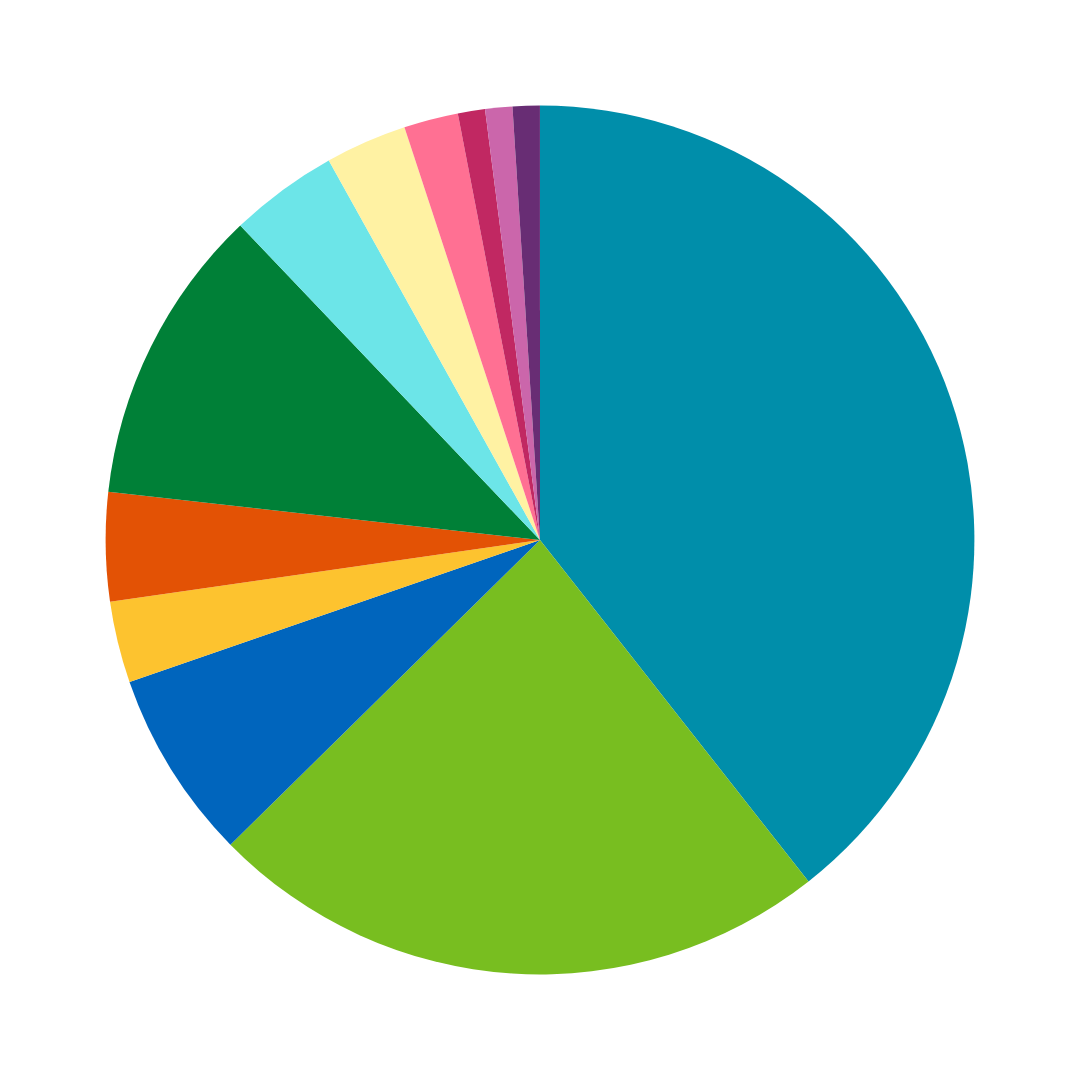
Staffing levels have remained closely aligned with revenue, as illustrated in the accompanying graph. Recruitment throughout the year has mirrored project demand, ensuring NACC NRM is able to deliver on contractual commitments while maintaining the flexibility to respond to new opportunities. This approach has supported the efficient rollout of NHT projects and strengthened our project pipeline into 2025/2026. Liabilities remain stable and aligned with project delivery timelines, and the organisation continues to meet all financial commitments as they fall due. Importantly, our improved end-of-year position enhances NACC NRM’s ability to navigate future challenges and invest in strategic opportunities.
It has been a privilege to continue serving alongside my fellow Directors on the NACC NRM Board. I extend special thanks to Catherine Galli, the outgoing Deputy Chair, for her strategic guidance and big-picture perspective. While we are sad to see her depart from the NACC Board, we are pleased that she will continue contributing through her role on the NRM WA Board. I extend my gratitude to the Chair for their guidance, and to the NACC NRM staff, members, and stakeholders for their dedication and support throughout the year. Together, we have built on past efforts to strengthen the organisation’s financial resilience and position NACC NRM for a successful future.
Treasurer, NACC NRM
NACC NRM’s Aboriginal Custodianship team has continued achieving against the program goal of supporting an ongoing regional Aboriginal ranger program in managing five sites of cultural significance. This achievement is a product of the Midwest Aboriginal Ranger Program, which has also surpassed annual activity targets by an impressive 37%, and the proposal of an expansion opportunity to the National Indigenous Australians Agency (NIAA) which involves exploring potential new partnerships, including an Indigenous Protected Area. This expansion application aligns seamlessly with organisational strategies; ‘Empower Traditional Custodians, Aboriginal organisations, and Aboriginal-owned businesses to lead NRM activities and achieve NRM outcomes that acknowledge TEK’ and ‘Establish partnerships with Traditional Custodians and Aboriginal organisations and Aboriginal-owned businesses’. Potential partners of this initiative are all First Nations organisations, reinforcing our commitment to delivering collaborative and community-led activities.
Significant progress has been made over the 2023/2024 financial year toward the strategic objective of facilitating on-Country learning to create opportunities for intergenerational sharing of knowledge. In June of 2024, a team of ten including Rangers and an Elder from the region travelled interstate to network and learn about Traditional Fire practices. This initiative not only facilitated the respectful sharing of knowledge but also enhanced the Rangers’ capacity to reintroduce this important practice to the Northern Agricultural Region.
Within the Midwest Aboriginal Ranger Program, delivery partners have continued to excel across the areas of community engagement, knowledge sharing, and supporting conservation initiatives. Kwelena Mambakoort Wedge Island Aboriginal Corporation (KMAC) and Western Mulga Pty Ltd have both surpassed expectations, highlighting the growing capacity of First Nations businesses in the environmental sector. Their respective teams have engaged in a wide range of activities, from flora and fauna monitoring to conservation efforts, including exciting new projects for NACC NRM. Ongoing support from Traditional Owners and relevant organisations has allowed the sharing of knowledge and expanded opportunities. Notably, the advancement of Traditional Fire capacity building has been enriched by the involvement of a Badimia Elder at an event hosted by the Kaurna community.
This year has also seen significant growth in school-based engagement for the MARP team. Recognising the importance of connecting culture and Country, the team has worked in partnership with community groups to demonstrate pathways to Ranger activities for youth. This collaboration has brought together a diverse range of stakeholders around shared interests. Through knowledge sharing and fostering respect for Country, the program team has successfully underscored the value of MARP and its important conservation outcomes.
Within the Midwest Aboriginal Ranger Program, delivery partners have continued to excel across the areas of community engagement, knowledge sharing, and supporting conservation initiatives. Kwelena Mambakoort Wedge Island Aboriginal Corporation (KMAC) and Western Mulga Pty Ltd have both surpassed expectations, highlighting the growing capacity of First Nations businesses in the environmental sector. Their respective teams have engaged in a wide range of activities, from flora and fauna monitoring to conservation efforts, including exciting new projects for NACC NRM. Ongoing support from Traditional Owners and relevant organisations has allowed the sharing of knowledge and expanded opportunities. Notably, the advancement of Traditional Fire capacity building has been enriched by the involvement of a Badimia Elder at an event hosted by the Kaurna community.
This year has also seen significant growth in school-based engagement for the MARP team. Recognising the importance of connecting culture and Country, the team has worked in partnership with community groups to demonstrate pathways to Ranger activities for youth. This collaboration has brought together a diverse range of stakeholders around shared interests. Through knowledge sharing and fostering respect for Country, the program team has successfully underscored the value of MARP and its important conservation outcomes.

Aboriginal Custodianship
Project Officer

Aboriginal Custodianship
Project Officer
This year, NACC NRM’s Biodiversity team has continued strong strategic focus to achieve on-ground impact by supporting landholders in the Northern Agricultural Region (NAR) to improve on-farm biodiversity. Landholder revegetation and restoration incentives and community engagement have been the key instruments in achieving these outcomes. The biodiversity project activities being delivered have expanded, due to the commencement of a new project and two long term projects running over the entire year. 35 organisations and community groups have been engaged with biodiversity activities this period. These collaborations have and will continue to deliver measurable beneficial impact for the region’s terrestrial biodiversity in line with the NARvis 2030 Biodiversity vision that ‘Terrestrial biodiversity and ecosystem integrity are valued, maintained, improved and restored at a landscape scale’.
The Biodiversity team has continued to prioritise a landscape scale approach to conservation, supported by the project ‘Restoring the Eucalypt Woodlands of the WA Wheatbelt’. This Priority Place project is enabling high-value restoration that provides benefit for multiple flora and fauna species. The strategy to ‘Develop commercial relationships with Aboriginal and/or Torres Strait Islander businesses’ has also been progressed this year, with new opportunities for First Nations business to deliver activities which benefit threatened species, while also building professional relationships and unique skills.
The Biodiversity Program has continued to grow in 2024-25 through successful project delivery and ongoing development of new relationships. ‘Protecting WA’s Black Cockatoos’ and ‘Restoring the Eucalypt Woodland of the WA Wheatbelt’ continued to progress strongly, whilst our new initiative commenced in response to the severe heat and drought conditions of 2023-24. ‘Recovery of the WA Wheatbelt Woodlands; response to an extreme summer’ is addressing the impacts of extreme climatic conditions on one of Australia’s critically endangered ecosystems using a whole of ecosystem mapping analysis to guide on ground restoration.
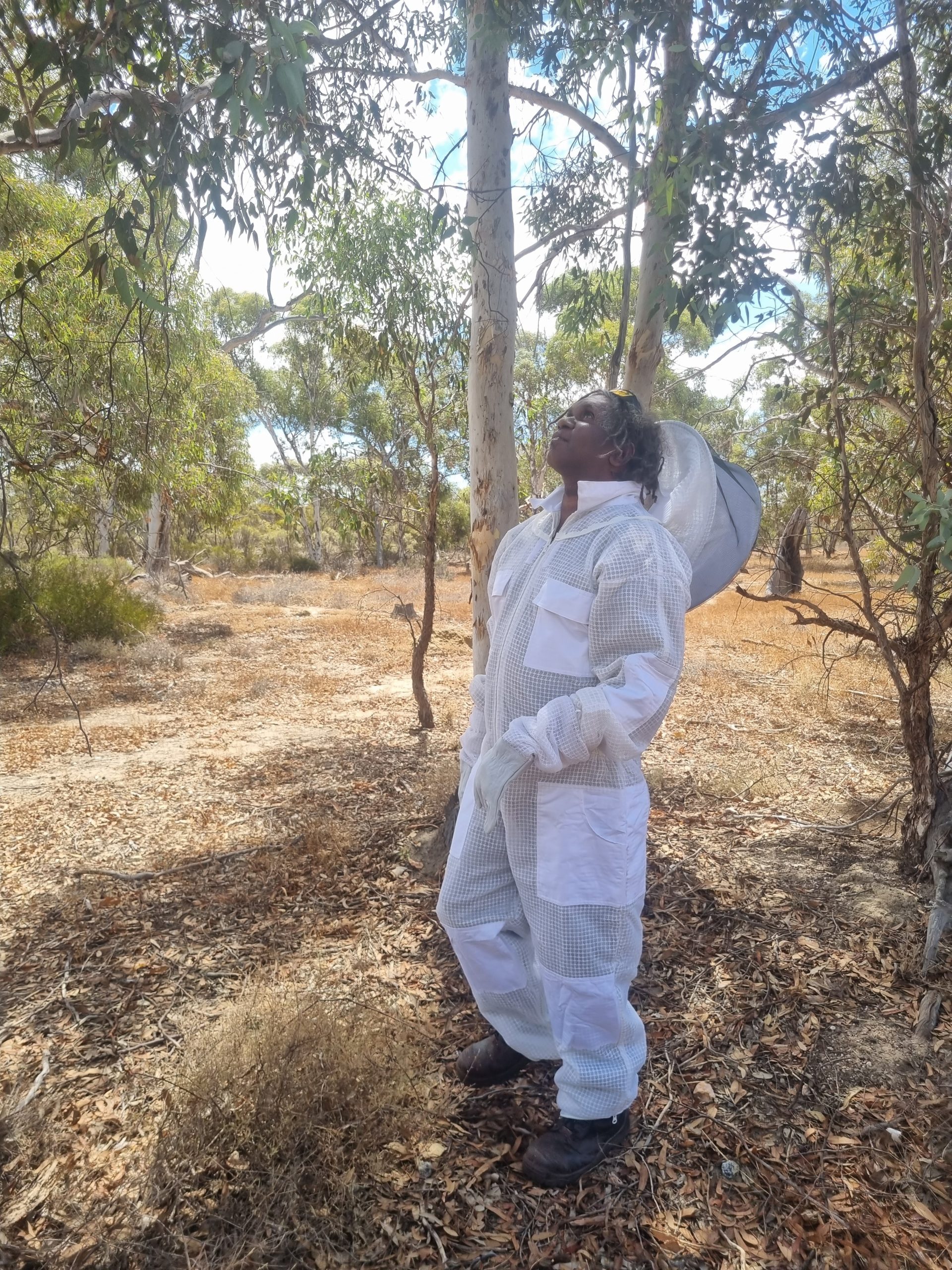
Expanded investment in the ‘House and Home; safeguarding native species’ project further strengthens the conservation effort targeted at preventing extinction of the critically endangered Koobabbie Eremophila and expanding actions to protect Carnaby’s cockatoos. Project activities will include locating and safeguarding critical flora populations, restoration of habitat, as well as control of feral bees impacting availability of breeding hollows.
Engagement with First Nations groups remained central to program delivery in 2024-25. Embedded engagements and activities across biodiversity projects are designed to ensure cultural knowledge and traditional land management practices are integrated into delivery-enriching outcomes and fostering enduring partnerships.
Ecological Monitoring System Australia (EMSA) protocols underpin all Commonwealth-funded projects delivered this year. As part of this framework, the Biodiversity team established two new plots within distinct endangered ecosystems: the Banksia Woodlands of the Swan Coastal Plain and the WA Wheatbelt Woodlands. These plots provide a robust baseline for assessing vegetation condition, cover, and species diversity throughout the lifespan of ‘Protecting WA’s Black Cockatoos’ and ‘Restoring the Eucalypt Woodland of the WA Wheatbelt’ and can provide a platform to consistently monitor the vegetation in perpetuity.
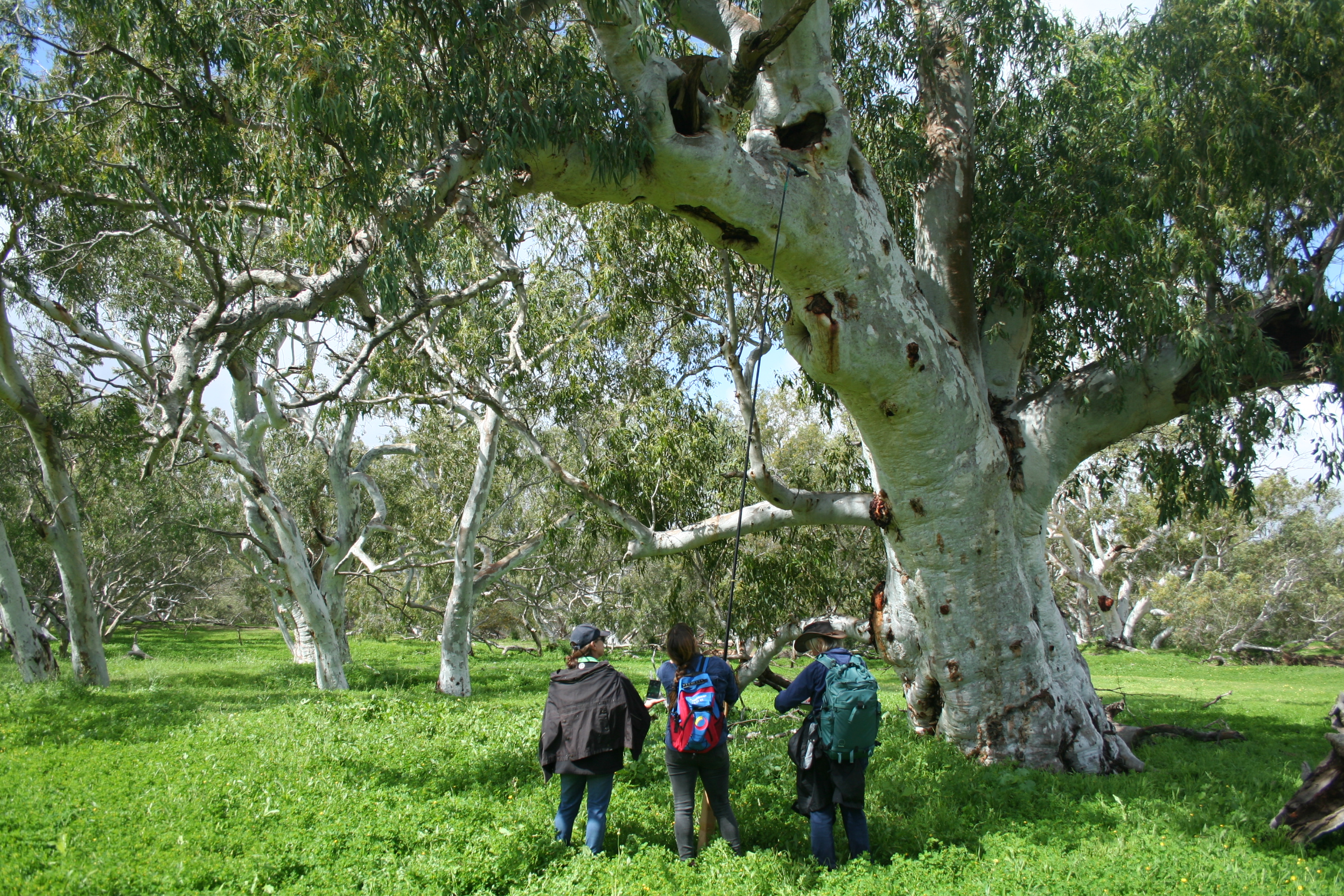
Biodiversity program initiatives that promote the Carnaby’s cockatoo continue to provide outstanding opportunities for conservation stewardship. In 2024-25, this has been highlighted by the successful banding program for the northernmost breeding population of Carnaby’s cockatoo. This initiative not only contributed invaluable data to conservation science but also deepened community and First Nations ranger engagement with threatened species protection.
This year has also realised significant program expansion with the commencement of ‘Recovery of the WA Wheatbelt Woodlands; response to an extreme summer’. This new project expands NACC NRMs landscape approach to benefit the Eucalypt Woodlands Threatened Ecological Community (TEC).

Biodiversity Program Coordinator

Biodiversity/ Coastal & Marine
Project Officer
This year, the Coastal and Marine team have continued to make significant progress towards achievement of NACC NRM’s strategic targets, namely community engagement. Successful delivery of ‘ Improving Subtropical and Temperate Coastal Saltmarsh in the Northern Agricultural Region’ and the recently completed Fishing Float Survey Project have enabled strong community engagement. A combination of formal presentations, educational community walks, and contributing to community events has allowed the team to engage with at least 167 community members representing at least seven community groups. The ‘Fishing Float Survey Project’ has also progressed the goal of engaging students in projects, with 15 Midwest PEAC (Primary Extension and Challenge) students from seven schools involved in the project.
As the Coastal Saltmarsh project has progressed this year, strategic focus has shifted to achievement of on-ground outcomes. Weed control works have commenced, and access control planning is underway, contributing to NACC NRM’s strategic target to restore 5,000 ha of degraded land, whilst also contributing to the organisations Aboriginal Custodianship goals by establishing partnerships with Aboriginal-owned businesses to carry out on-ground works.
Three projects formed the basis of this year’s Coastal and Marine program. Firstly, the team has successfully delivered all planned activities for the project ‘Improving Subtropical and Temperate Coastal Saltmarsh in the NAR’. The project to date has focused on baseline surveys for flora, weed and water quality, as well as stakeholder engagement through publications and events. The establishment of flora and weed datasets have been achieved through comprehensive surveys undertaken concurrently via high-resolution unmanned aerial vehicle (UAV) imagery. Further refinement of this data through ground truthing has been a massive milestone for the conservation of this Threatened Ecological Community. On-ground conservation activities have commenced, with the removal of the invasive weed Sharp Rush (Juncus acutus) from saltmarsh communities around Hill estuary in partnership with Kwelena Mambakort Aboriginal Corporation. This is one of the important actions to support an improved conservation status of saltmarsh communities.
The ‘Fishing Float Survey Project’, a citizen science project funded through Keep Australia Beautiful’s Community Litter Grant, was successfully concluded this year. A total of 152 fishing float numbers were collected by community and stakeholder participants throughout the region, with 77% identified as coming from the commercial pot fishing sector. In contrast, only 14% were of recreational pot fishing origin. A final report is being prepared for distribution to all stakeholders to increase knowledge on this marine debris source, advocate for source reduction strategies, and ultimately reduce marine debris.
This year the Coastal and Marine team have continued to successfully deliver ‘Coastal and Natural Areas – Workshop Facilitation and Site Monitoring Services’ on behalf of the City of Greater Geraldton. Monthly beach monitoring using Photomon continues, and five boxthorn workshops were undertaken at five locations, involving 42 participants.
Undertaking high-resolution UAV surveys of saltmarsh communities throughout the region represented the most significant activity for the Coastal and Marine team this year. This advanced activity was made possible through a collaborative partnership with Bush Heritage Australia. Staff training in the use of UAVs and data processing of the resulting images, paved the way for this efficient and cost-effective survey method. High–resolution imagery has been uploaded to a public portal, hosted by Geonadir, and provided the means to complete draft vegetation and weed maps of key Subtropical and Temperate Coastal Saltmarsh communities in the NAR. The team have also undertaken ground truthing, which enabled final maps to be completed. These baseline maps represent the exciting first step in understanding the previously poorly defined saltmarsh assemblage and provide the capacity to conduct vital future monitoring. The Coastal and Marine team are now well positioned to see improvement in condition of this Threatened Ecological Community over the course of this project.

Senior Coastal & Marine
Project Officer
Biodiversity/ Coastal & Marine
Project Officer
The Sustainable Agriculture team has made substantial progress this year contributing to NACC NRM’s on ground impact target of eight projects, delivering 20,000 ha of on-farm best practice management activities. Two new projects and the extension of an existing project are providing direct investment to trial and demonstrate improved practices on farms across the region. The team have now commenced the ‘Future Farm Foundations’ project, aiming to implement innovative, diversified and integrated agricultural practice, recognising this is an essential pathway to achieving agricultural system resilience and sustainability. The team have also maintained a clear focus on the organisational strategy to ‘Support landholders to engage in market opportunities related to natural resource regeneration’. Strongly aligned to the delivery of the Sustainable Agriculture Facilitator role, this strategy has also been well supported by active contribution to Regional Drought Resilience Planning processes, and the completion of regional coordination to deliver socially responsive drought resilience projects.
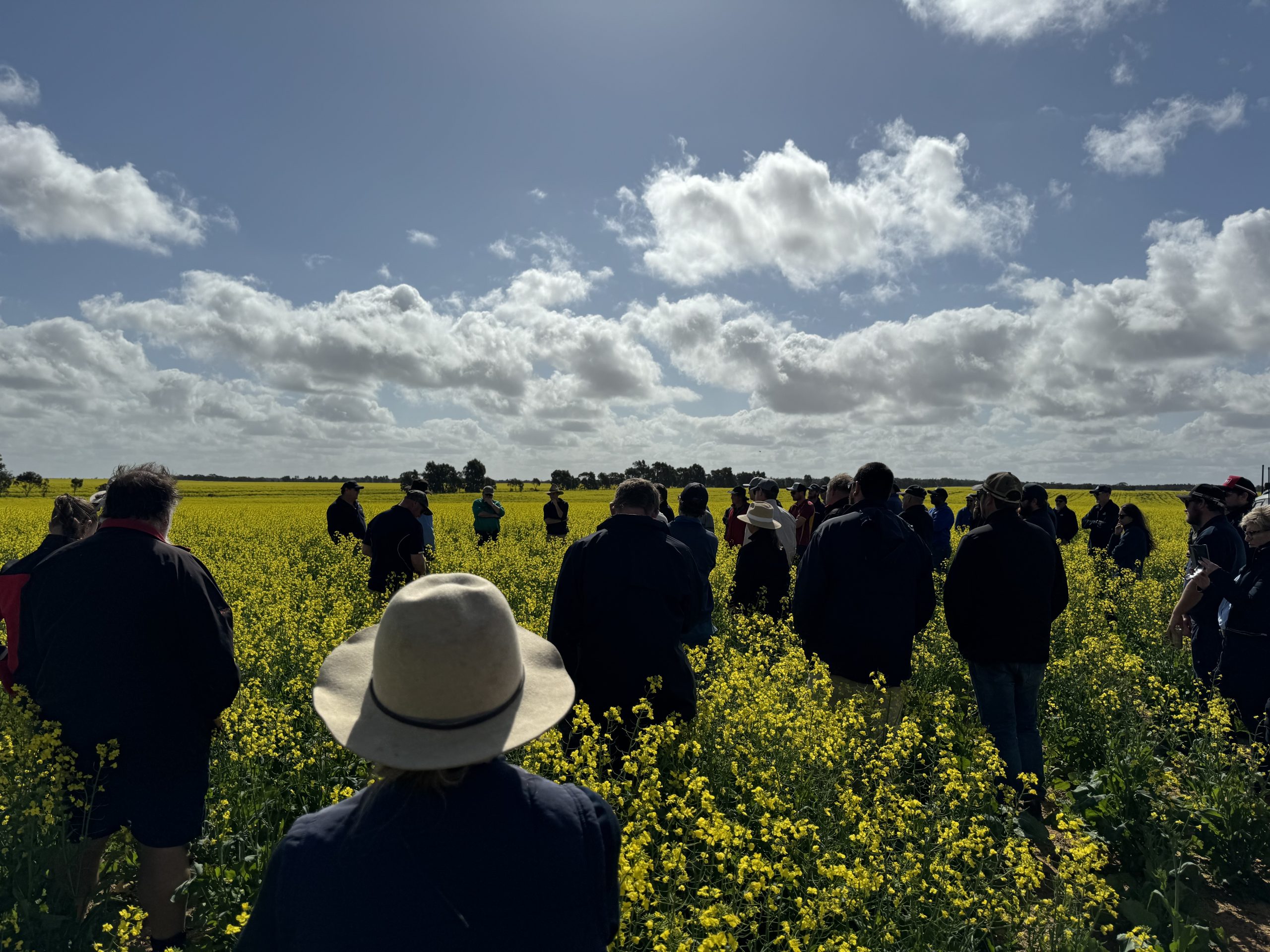
Support for, and engagement with the agricultural community of the region remains central to NACC NRMs delivery. The team has been engaged with many groups that represent the sector and continue to make strategic contributions at relevant forums and events. Through the Sustainable Agriculture Facilitator role, 96 engagement activities have been achieved with 25 community groups supported. This approach enables the team to be informed about priorities and issues that need to be advanced through government and/or potential projects, but also supports connection of research, tools and opportunities for the industry. These outcomes have been further supported by the recent completion of a ‘Maintaining Community Capacity’ project which was designed to ensure that community groups are provided resources to develop long-term support structures that best fit group needs and support sustainability. Alongside this project the team also provided coordination support to the two other projects being run by partner organisations in the Mid-west region.
This year, a partnership with NRM Regions Australia has seen the commencement of a new project titled ‘Stabilising Soils’. This project is part of a national series of trials aimed at addressing fire and flood risks through practical demonstrations. The Sustainable Agriculture team are excited to drive broader adoption opportunities through the implementation of this project across our production landscapes.
The commencement activities for ‘Future Farm Foundations’ have included the delivery of season dependent on-ground actions, providing significant contribution to the short-term outcomes. We are excited to see long-term outcomes from the direct implementation of 151 hectares of improved land management, and 30hectares of agricultural land revegetated to increase on-farm biodiversity. A number of activities are being implemented through this project to address strategic regional agricultural issues. This includes native fodder to stabilise riparian zones and generate shelter, paddock redesign with permanent pasture to protect soil and generate feed efficiencies, and sacrificial cover crops over perennial pastures to address eroding soils.
The Sustainable Agriculture team has supported activities for the Pilot and North Midlands Regional Drought Resilience Plans. NACC NRM’s support of the plans has built on our contributions through the consultation and codesign phases with the regional advisory groups and other stakeholders. The support has enabled the finalisation of implementation activity scopes and informed next steps for the Mid West Development Commission. NACC NRMs contribution in these processes enhances the collaborative networks formed through the Sustainable Agriculture Facilitator and projects such as ‘Maintaining Community Capacity’.
Commencement of new projects to expand the reach and impact of the Sustainable Agriculture program has been substantial this year. The on-ground activities commenced and planned for the ‘Future Farm Foundations’ and ‘Stabilising Soils’ projects are both based on opportunities identified through strong working relationships across the region. ‘Stabilising Soils’ represents a significant step forward for catchment scale management. The regional activities delivered by NACC NRM will form part of a nationally coordinated project including trials and broad-scale landscape enhancements that will quantify the value of nature-based solutions and aim to increase investment in landscape-scale management.

Sustainable Agriculture Program Coordinator

Sustainable Agriculture Project Officer

Sustainable Agriculture Project Officer
In 2020-21 I talked about ‘raising the bar’. In 2021-22 we worked on setting the bar on fire. Over the last 12 months, the team at NACC NRM has not stopped.
The Sustainable Agriculture team has extended the program’s reach through collaborations with grower groups in the regions. Specifically, the Beyond Reasonable Drought project and Grower Group Alliance – South West WA Drought Innovation Hub – Geraldton Node project. The Beyond Reasonable Drought partnership with grower groups supported farmers across the region to improve the environmental sustainability of their agricultural production and drought resilience. The outcomes of this project have been consolidated through our successful Expression of Interest to the South West WA Drought Innovation Hub, with support from grower groups across the region, to host the Geraldton Node of the Hub. The program continues to focus on working with agricultural networks to share technical expertise and provide opportunities that will improve land management practices in agriculture across the region.
The conservation outcomes of ranger teams have expanded through work on several land tenures. Maintaining Heritage sites such as Willi Gulli, Racecourse Paddock and Buller River has long been a priority. During 2021-22, the teams have increasingly focused on threatened species and ecosystems.
To this end, Western Mulga rangers have improved management across 19,000 ha for the conservation of Malleefowl through firebreak and access management. They completed the maintenance of water holes and supported the monitoring of over 90 Malleefowl mounds.
Similarly, the Kwelena Mambakort Aboriginal Corporate ranger team have contributed positively to Carnaby’s Black Cockatoo populations by installing artificial hollows and habitat restoration.
All ranger teams have collected native seed, propagated native plants for restoration, and planted native vegetation in key locations across the NAR. Seed collection provides valuable industry experience and has facilitated the planting of over 100,000 seedlings during the year.
In September 2021, the NACC NRM team delivered the WA Threatened Species Forum, held in tandem with the National Malleefowl Forum. Given the impact of COVID and the timing of this event, having more than 100 delegates from all over Australia was a significant achievement. The two Forums brought together 12 events over five days and featured 14 local artists, 25 businesses and 36 youth participants.
Following the successful relaunch of our updated NARvis, NACC NRM was invited to help lead a significant piece of strategic planning work for the region with Mid West Development Commission and the Department of Primary Industries and Regional Development. With funding from the Australian Government’s Future Drought Fund, the consortia delivered a Regional Drought Resilience Plan covering the shires of Northampton and Chapman Valley and the City of Greater Geraldton, along with significant technical analysis of drought vulnerability for the South West land division. The development of this plan also included extensive community consultation to ensure that local knowledge and technical advice guided the development of priorities for action.
This planning work links to existing NACC NRM on-ground projects, including Beyond Reasonable Drought and the Chapman Catchment Collaborative regeneration project.
It was a busy year for events with face-to-face events becoming commonplace again. During 2021-22 we hosted events in Gingin, Moora, Dalwallinu, Cervantes, Jurien Bay, Walkaway, Nabawa, Perenjori, Kalannie and Morawa. We supported events in Karakin, Thundellara, Perenjori, Paynes Find, Wubin, Cataby, Warradarge, Northampton, Yuna, Dalwallinu and Dandaragan.
We also supported on-ground works throughout the region, including at the following locations Yuna, Dalwallinu, Dandaragan, Merkanooka, Goodlands, Kalannie, Bunjil, Yardarino, Canna, Kondut, Latham, Kadathinni, Nabawa, Red Gully, Sandy Gully, Waddy Forrest, Devils Creek, Perenjori, Bowgada, Ellendale, Wandana, Namban, Hill River, Warradarge, Gillingarra, Regans Ford and Moonyanooka.
Our region is vast – slightly larger than Tasmania, which for comparison, is serviced by three separate NRM organisations. Covering the NAR region and its many environmental threats is challenging. We continue to focus on partnerships and collaboration to address this challenge. We know that by working with our community through passionate delivery of collaborative on-ground projects and education, the community will value and actively protect our region’s natural capital.
This year we have launched a new Reconciliation Action Plan (RAP). The RAP Working Group consulted widely and developed an Innovate RAP which Reconciliation Australia approved in March 2022. The activities to fulfil these commitments are now in full swing.
Sadly, at the end of 2021, we farewelled former NACC NRM CEO Shelley Spriggs, who lost a long battle with cancer. Shelley was an inaugural inductee to the NRM Leadership Honour Roll. I will always be grateful for her guidance and no-nonsense approach, not to mention her passion for life.
While we have said farewell to some, we have welcomed many new faces across all programs, including our Administration team. We have also hosted a school-based trainee from Nagle Catholic College who has been working towards a Certificate II in Conservation and Ecosystem Management. This trial position has been very successful, and we look forward to making this opportunity available again in 2023.
During 2022 we have taken on new projects that align with our organisational and program objectives, and we have successfully completed some great initiatives that support continued conservation and sustainability outcomes. I want to thank the whole team who continue to go above and beyond for the organisation and each other proving their ongoing commitment to our purpose and our values.